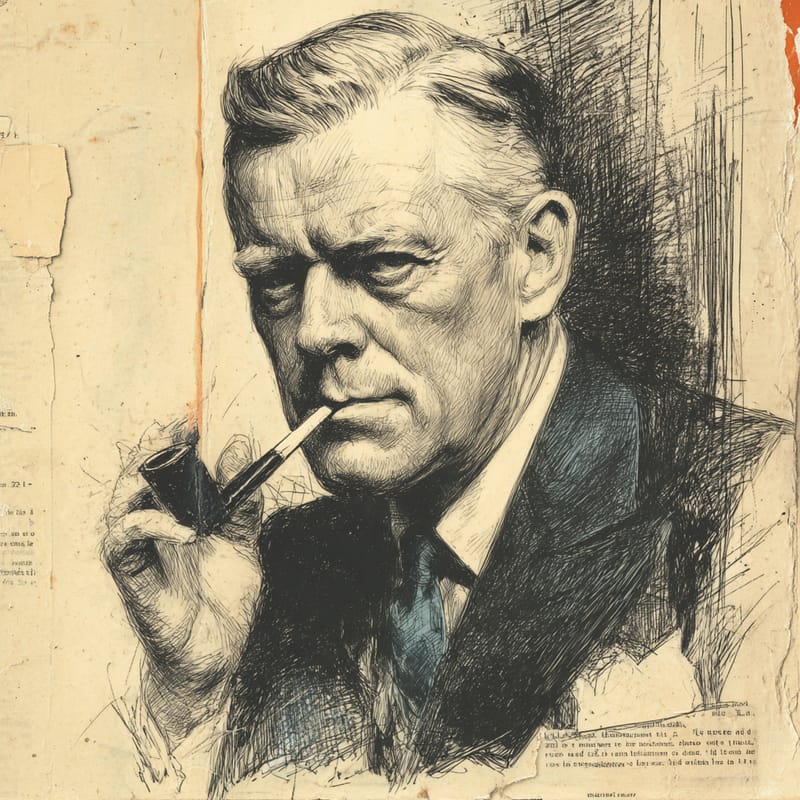
Helmut Schmidt
The pragmatist
Crisis management over ideology.
Social DemocratOne of 729 ideologies · enter the Social Democrat hall →- Role
- Chancellor
- Era
- 1918–2015
- Region
- Germany
- Social band
- Centre (no modifier)
- Placement
- −40 · −18 · −10
§ Where Helmut Schmidt stands
3 axesSchmidt kept West Germany's welfare state and partnership with the unions intact through two oil shocks, and his coalition passed the 1976 Co-determination Act, giving employees half the seats on the supervisory boards of large companies, though shareholders kept the casting vote. Yet he was a Keynesian pragmatist rather than a socialist, prizing price stability, budget discipline and export competitiveness, and he resisted his party's left over spending.
A firm parliamentary democrat, Schmidt insisted the state must not yield to terror: in 1977 he refused to trade imprisoned Red Army Faction members for Hanns Martin Schleyer and authorised the GSG 9 raid that freed the hostages on the Lufthansa jet Landshut at Mogadishu. His coalition also rushed through the Contact Ban Law, isolating prisoners from their lawyers, but he governed within the Basic Law throughout.
Personally a sober Hanseatic pragmatist, Schmidt mistrusted utopian politics, famously quipping that people with visions should see a doctor, and he was cool towards the student left and the environmental and peace movements that helped found the Greens in 1980. His coalition nonetheless liberalised family law in the 1976 marriage and divorce reform, so his mild traditionalism was temperamental rather than doctrinaire.
How close are you to Helmut Schmidt?
Three statements, one per axis. Answer them and we’ll drop you on the compass next to them.
§ The story
HistoricalHelmut Schmidt (1918–2015) was chancellor of West Germany from 1974 to 1982. Born in Hamburg, he served as a Wehrmacht officer in the Second World War and ended it as a British prisoner of war, then studied economics, joined the Social Democratic Party in 1946 and entered the Bundestag in 1953. As Hamburg's interior senator he won national fame for directing the rescue effort during the North Sea flood of February 1962. He went on to lead the SPD's parliamentary group, served Willy Brandt as defence and then finance minister, and succeeded him as chancellor in May 1974.
Schmidt was a crisis manager through oil shocks, stagflation and the Red Army Faction's terrorist campaign, which peaked in the German Autumn of 1977, when he refused to free jailed terrorists in exchange for the kidnapped industrialist Hanns Martin Schleyer, who was murdered. With Valéry Giscard d'Estaing he founded the summits that became the G7 and launched the European Monetary System. His support for NATO's 1979 Double-Track Decision on new missiles split the SPD and fuelled the peace movement, and in October 1982 the Free Democrats deserted him and he lost a constructive vote of no confidence to Helmut Kohl.
Notable for
- 01Handled the 1977 'German Autumn'
- 02Global economic coordination
- 03Co-founded the G7 spirit
Key works & moments
- 1962As Hamburg's interior senator, directs the rescue effort during the North Sea flood.
- 1974Succeeds Willy Brandt as chancellor after the Guillaume spy affair.
- 1975Joins Valéry Giscard d'Estaing at the Rambouillet summit, forerunner of the G7.
- 1977Refuses the Red Army Faction's demands; GSG 9 frees the Landshut hostages at Mogadishu.
- 1979Launches the European Monetary System and backs NATO's Double-Track Decision.
- 1982Loses a constructive vote of no confidence to Helmut Kohl after the FDP quits.
§ Minds closest to Helmut Schmidt
All minds →

§ Also in the Social Democrat hall
Enter the hall →§ Common questions
4 answersWhat was Helmut Schmidt's political ideology?
Helmut Schmidt was a pragmatic, centrist social democrat: on the 99ideologies three-axis compass, a Social Democrat. Economically he sits left of centre (−40), defending the welfare state and co-determination while prizing price stability and fiscal discipline. On governance he was a firm parliamentary democrat (−18) who stood up to terrorism within the law, and socially he leaned slightly traditional (−10), sceptical of utopian visions and of the new social movements of his era.
Was Helmut Schmidt left-wing or right-wing?
Centre-left, from the right wing of his party. Schmidt led the SPD-FDP coalition, kept a generous welfare state and extended workers' co-determination, all positions of the democratic left. But he was a fiscal conservative by SPD standards, a staunch Atlanticist who pressed for NATO's 1979 missile decision and a sceptic of the peace and environmental movements, which put him at odds with much of his own party by the early 1980s. He is best described as a pragmatic social democrat.
Why did Helmut Schmidt lose power in 1982?
Because his coalition partner changed sides. By 1982 the Free Democrats under Hans-Dietrich Genscher wanted deeper spending cuts and market reforms, set out in Economics Minister Otto Graf Lambsdorff's memorandum that September, while Schmidt's own SPD was moving left on the economy and against NATO's missile plans. The FDP ministers resigned, and on 1 October 1982 most FDP deputies joined the CDU/CSU in a constructive vote of no confidence that replaced Schmidt with Helmut Kohl.
Which minds are closest to Helmut Schmidt?
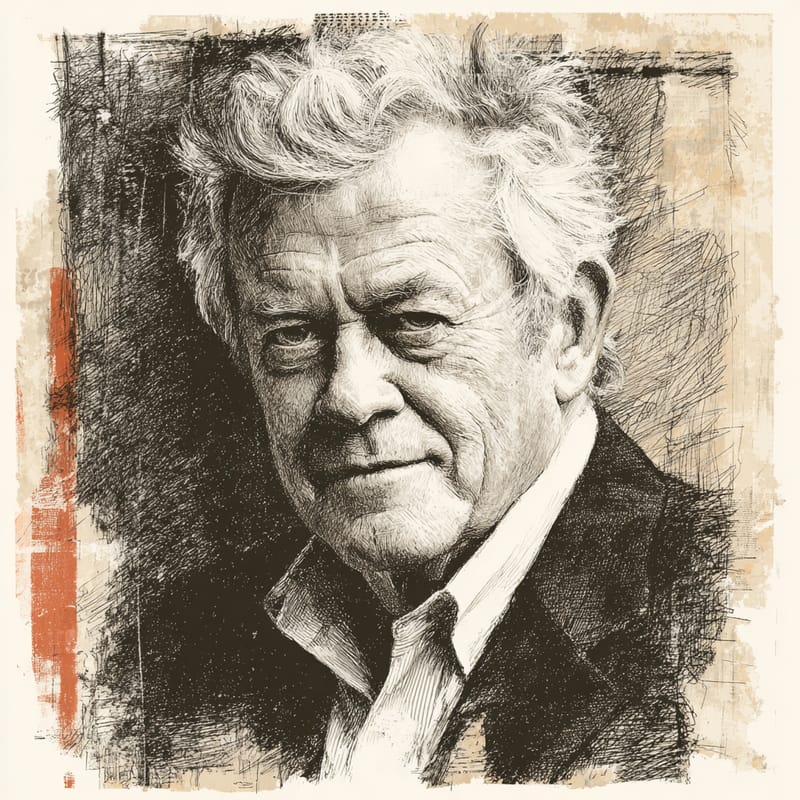
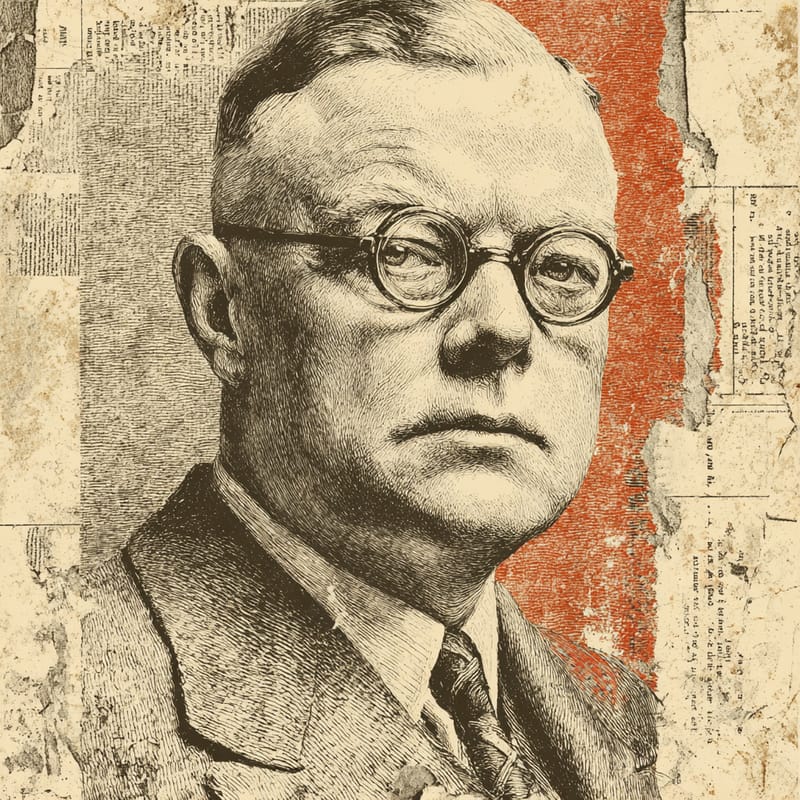
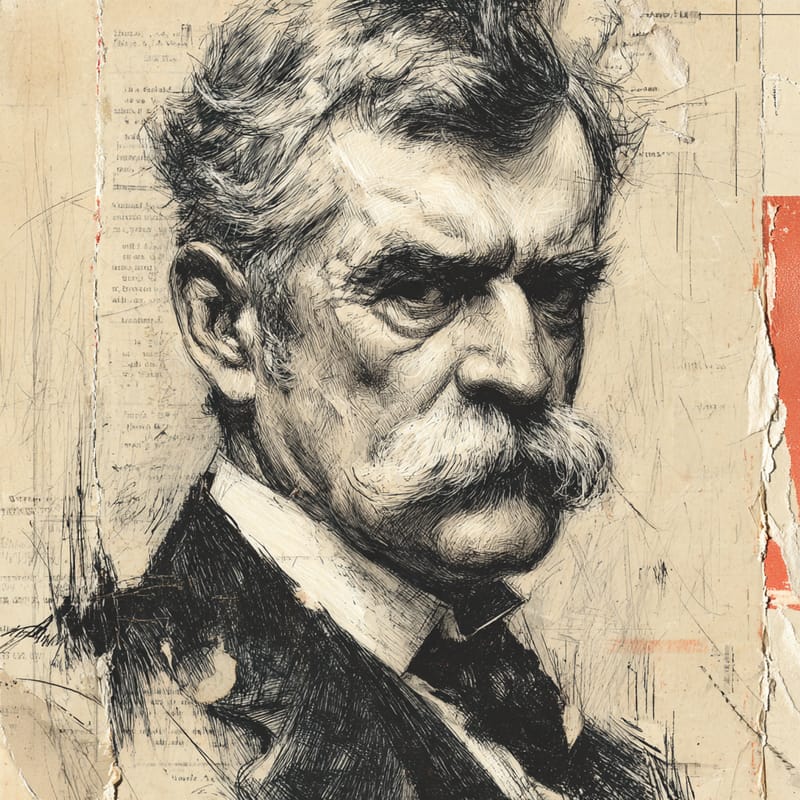
On the 99ideologies three-axis compass, the minds closest to Helmut Schmidt are Ramsay MacDonald (99% alike), Golda Meir (94% alike) and Paul von Hindenburg (92% alike). The furthest is Adam Sutler (24% alike).