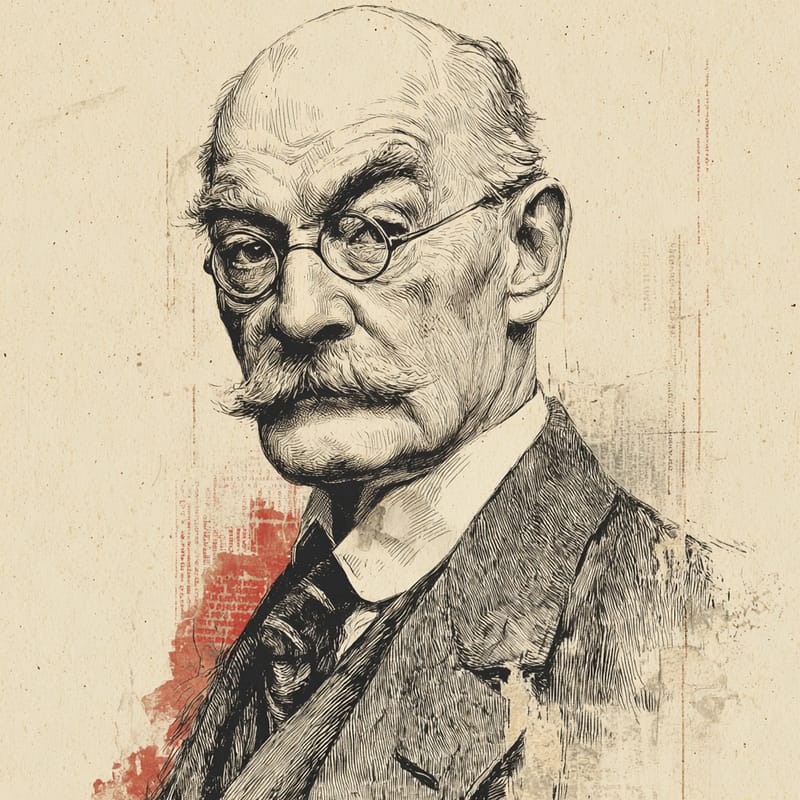
Clement Attlee
Built the welfare state
Quiet architect of the NHS and Britain's post-war settlement.
Heterodox Social DemocratOne of 729 ideologies · enter the Social Democrat hall →- Role
- Prime Minister
- Era
- 1883–1967
- Region
- United Kingdom
- Social band
- Heterodox
- Placement
- −46 · −20 · +20
§ Where Clement Attlee stands
3 axesAttlee's government took about a fifth of the economy into public ownership, from the Coal Industry Nationalisation Act 1946 and the Transport Act 1947 to the Iron and Steel Act 1949, and founded the NHS under the National Health Service Act 1946. But it left most industry in private hands and ran a mixed economy through planning and Keynesian demand management, which keeps him short of the socialist pole.
Attlee was a thorough parliamentarian who achieved radical change through ordinary legislation and cabinet government. The Parliament Act 1949 cut the House of Lords' power of delay to one year, and the Representation of the People Act 1948 abolished plural voting, ending the university seats and the business vote. He kept wartime controls and rationing but never sought powers beyond Parliament's consent.
Attlee was moderately progressive and personally conventional, a reserved public-school man with a strong sense of duty. His government ended British rule in India in 1947 and abolished judicial flogging through the Criminal Justice Act 1948, but after the Lords blocked a Commons vote to suspend hanging that year it referred the question to a Royal Commission rather than press abolition.
How close are you to Clement Attlee?
Three statements, one per axis. Answer them and we’ll drop you on the compass next to them.
§ The story
HistoricalClement Richard Attlee (1883–1967) was leader of the Labour Party from 1935 to 1955 and prime minister from 1945 to 1951. Born into a comfortable middle-class family in Putney and educated at Haileybury and Oxford, he trained as a barrister but was drawn to socialism by voluntary work at a boys' club in Stepney in London's East End. He was wounded in the First World War, became mayor of Stepney in 1919 and MP for Limehouse in 1922, and served as Churchill's deputy in the wartime coalition.
Attlee's 1945 landslide brought a government of sweeping reform. It nationalised the Bank of England, coal, the railways, gas, electricity and steel, created the National Health Service in 1948 and a comprehensive system of national insurance, and granted independence to India, Pakistan, Burma and Ceylon, though the hurried partition of India in 1947 was accompanied by communal violence that killed hundreds of thousands. It also took Britain into NATO and secretly decided to build an atomic bomb. Austerity, rationing and the 1949 devaluation strained its popularity, and Labour lost the 1951 election despite winning more votes than the Conservatives.
Notable for
- 01Founded the National Health Service
- 02Nationalised coal, rail and steel
- 03Oversaw Indian independence
Key works & moments
- 1922Elected MP for Limehouse in London's East End.
- 1935Becomes leader of the Labour Party.
- 1945Wins a landslide general election and becomes prime minister.
- 1946The National Insurance, National Health Service and Coal Industry Nationalisation Acts become law.
- 1947The Indian Independence Act ends British rule in India, creating India and Pakistan.
- 1948The National Health Service opens on 5 July, free at the point of use.
In their own words
“Democracy means government by discussion, but it is only effective if you can stop people talking.”
§ Minds closest to Clement Attlee
All minds →


§ Also in the Social Democrat hall
Enter the hall →§ Common questions
4 answersWhat was Clement Attlee's political ideology?
Clement Attlee was a democratic socialist in the British Labour tradition: on the 99ideologies three-axis compass, a Heterodox Social Democrat. Economically he sits left of centre (−46), having nationalised key industries and created the NHS while leaving most of the economy in private hands. On governance he was a committed parliamentarian (−20) who achieved change through ordinary legislation, and socially he was moderately progressive (+20), decolonising India but personally reserved and conventional.
Was Clement Attlee left-wing or right-wing?
Left-wing. Attlee led the Labour Party for twenty years and headed the government that nationalised coal, rail and steel, founded the NHS and built the post-war welfare state. He was, however, a moderate within Labour: a firm anti-communist who took Britain into NATO, approved a British atomic bomb and saw the party's socialism as practical reform through Parliament. Economically left of centre and socially moderate, he belongs in the social-democratic mainstream rather than on Labour's hard left.
Did Clement Attlee create the NHS?
His government did, with Aneurin Bevan as the minister who designed and negotiated it. The National Health Service Act 1946 set up a tax-funded service free at the point of use, which opened on 5 July 1948. It built on the 1942 Beveridge Report, received by the wartime coalition in which Attlee was deputy prime minister. Attlee backed Bevan through bitter opposition from the British Medical Association, and the NHS became his government's best-known legacy.
Which minds are closest to Clement Attlee?
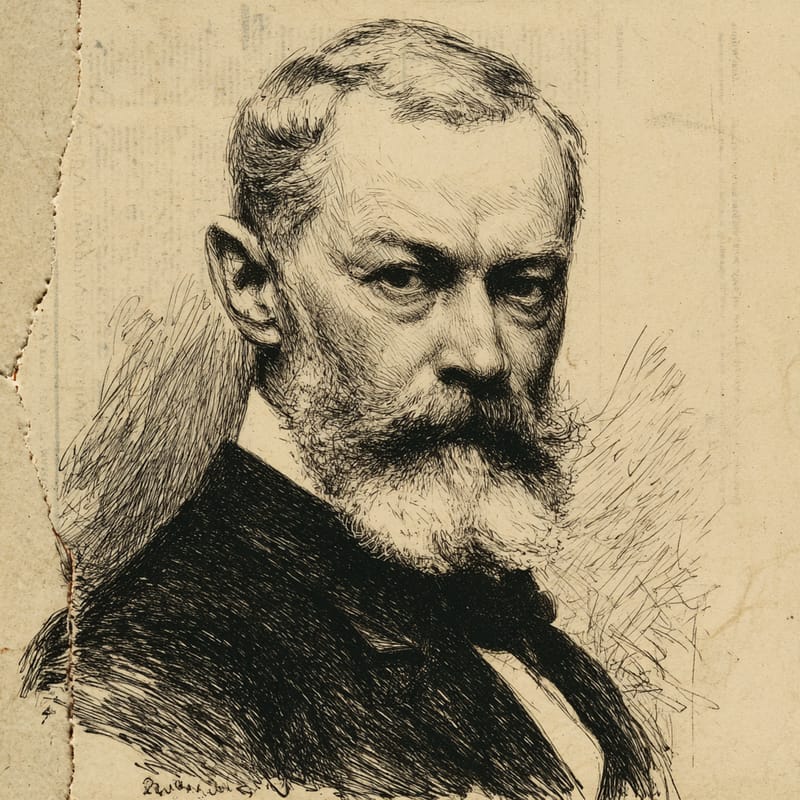
On the 99ideologies three-axis compass, the minds closest to Clement Attlee are Eduard Bernstein (98% alike), Frances Perkins (98% alike) and François Mitterrand (97% alike). The furthest is Adam Sutler (16% alike).