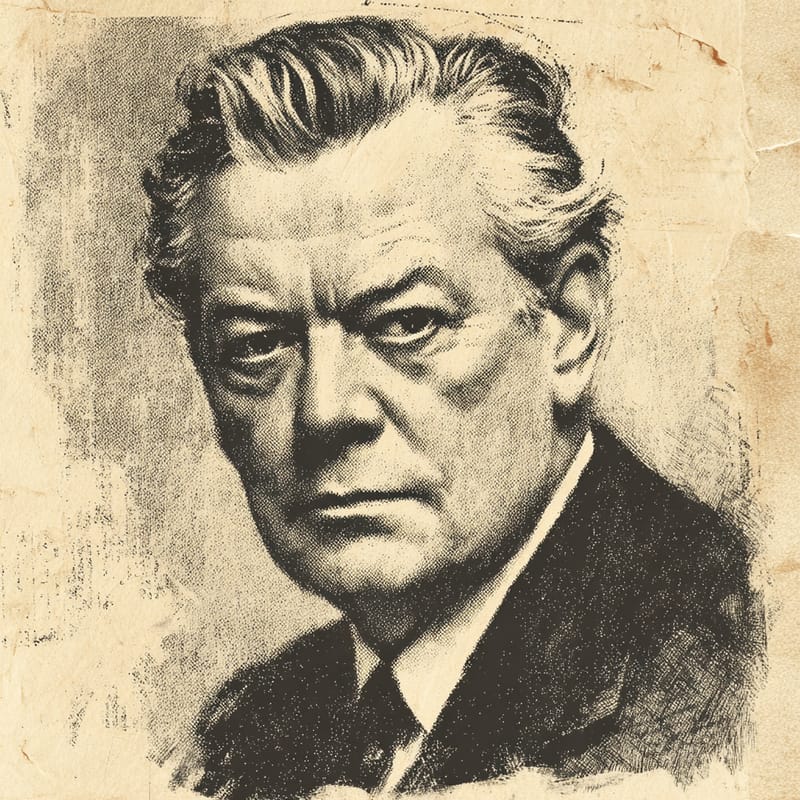
Willy Brandt
Architect of Ostpolitik
Reconciliation with the East and an expansive welfare state.
Reformist Social DemocratOne of 729 ideologies · enter the Social Democrat hall →- Role
- Chancellor
- Era
- 1913–1992
- Region
- Germany
- Social band
- Reformist
- Placement
- −46 · −28 · +40
§ Where Willy Brandt stands
3 axesBrandt extended West Germany's social market economy rather than replacing it. His governments widened pensions through the 1972 pension reform, introduced federal student grants under the 1971 BAföG law and strengthened works councils with the 1972 Works Constitution Act, while keeping private ownership and the export-led market model intact. His 1980 Brandt Report later urged large transfers from rich to poor countries.
Brandt's watchword was to dare more democracy, the promise of his 1969 government statement, and his coalition lowered the voting age from 21 to 18 in 1970. Its record had limits: the 1972 decree barring radicals from public service, agreed with the state premiers, led to the screening of more than a million job applicants, a measure Brandt later called a mistake.
Brandt modernised West German society and its reckoning with the Nazi past. His kneeling at the Warsaw Ghetto memorial in December 1970 became a symbol of German atonement, his coalition liberalised the criminal law on sexuality in 1973, and it passed an abortion reform in 1974 that the Constitutional Court struck down. Exile in Norway and Sweden shaped his internationalism.
How close are you to Willy Brandt?
Three statements, one per axis. Answer them and we’ll drop you on the compass next to them.
§ The story
HistoricalWilly Brandt (1913–1992), born Herbert Frahm in Lübeck, was chancellor of West Germany from 1969 to 1974, the first Social Democrat to head a German government since 1930. A young socialist, he fled the Nazis to Norway in 1933, took the name Willy Brandt and worked as a journalist and anti-fascist activist in exile, losing his German citizenship. After the war he returned to Berlin, served as governing mayor of West Berlin from 1957 to 1966, through the building of the Wall, and led the SPD from 1964 to 1987.
As chancellor Brandt pursued Ostpolitik, a policy of reconciliation with the Soviet bloc that produced treaties with Moscow and Warsaw in 1970 and with East Germany in 1972, and in Warsaw he knelt before the memorial to the Ghetto Uprising. He received the Nobel Peace Prize in 1971. Conservatives accused him of surrendering Germany's lost eastern territories, and he narrowly survived a no-confidence vote in 1972 before winning that year's election. He resigned in 1974 after a close aide, Günter Guillaume, was exposed as an East German spy, and later chaired the international North–South commission.
Notable for
- 01Ostpolitik détente
- 02Nobel Peace Prize, 1971
- 03Warschauer Kniefall
Key works & moments
- 1933Flees Nazi Germany for Norway and adopts the name Willy Brandt.
- 1957Becomes governing mayor of West Berlin, serving through the building of the Wall.
- 1969Becomes chancellor, promising in his first government statement to dare more democracy.
- 1970Kneels at the Warsaw Ghetto memorial after signing the Warsaw Treaty with Poland.
- 1971Awarded the Nobel Peace Prize for Ostpolitik.
- 1974Resigns after his aide Günter Guillaume is exposed as an East German spy.
In their own words
“We want to dare more democracy.”
§ Minds closest to Willy Brandt
All minds →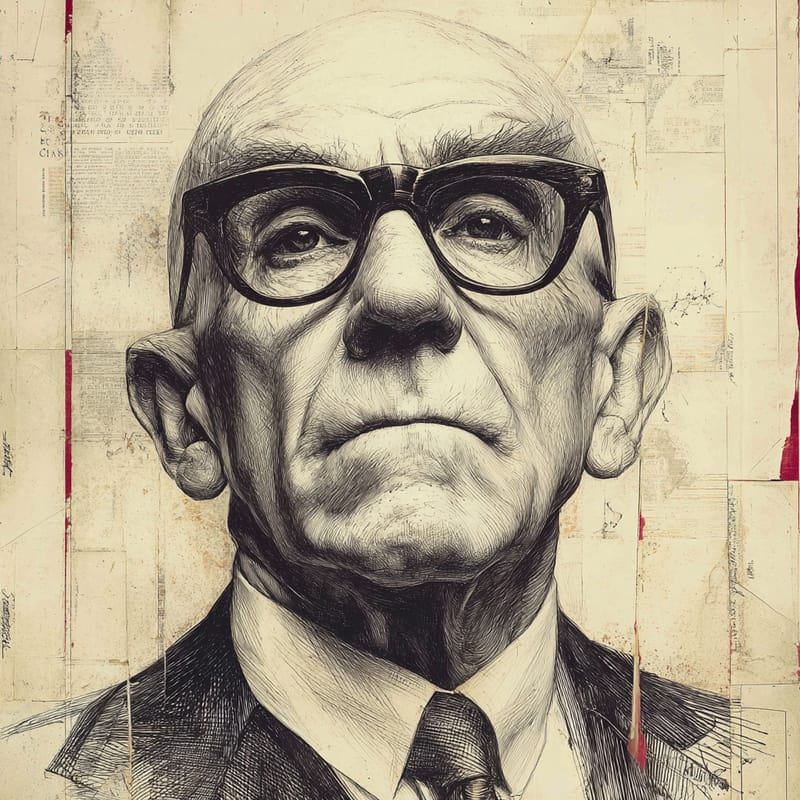

§ Also in the Social Democrat hall
Enter the hall →§ Common questions
4 answersWhat was Willy Brandt's political ideology?
Willy Brandt was a social democrat: on the 99ideologies three-axis compass, a Reformist Social Democrat. Economically he sat left of centre (−46), extending pensions, student grants and workers' co-determination within the social market economy. On governance he leaned libertarian (−28), lowering the voting age and promising to dare more democracy, although his government also screened radicals out of public jobs. Socially he was progressive (+40), modernising West German society and making atonement for Nazi crimes central to its foreign policy.
Was Willy Brandt left-wing or right-wing?
Left of centre. Brandt began as a young radical socialist in the 1930s but became the leading figure of reformist social democracy in post-war Germany, after the SPD's 1959 Godesberg Programme accepted the market economy and the party came to accept NATO membership. His Ostpolitik and domestic reforms made him a hero of the European centre-left, while conservatives in the CDU and CSU attacked him as too accommodating towards the communist East.
What was Willy Brandt's Ostpolitik?
Ostpolitik, or eastern policy, was Brandt's effort to ease Cold War tensions by accepting post-war realities in Europe. Building on his work as foreign minister from 1966, his government signed the 1970 Moscow and Warsaw treaties renouncing force and recognising existing borders, including the Oder–Neisse line, backed the 1971 Four Power Agreement on Berlin and concluded the 1972 Basic Treaty with East Germany. Its guiding idea, change through rapprochement, was coined by his adviser Egon Bahr, and it won Brandt the 1971 Nobel Peace Prize.
Which minds are closest to Willy Brandt?
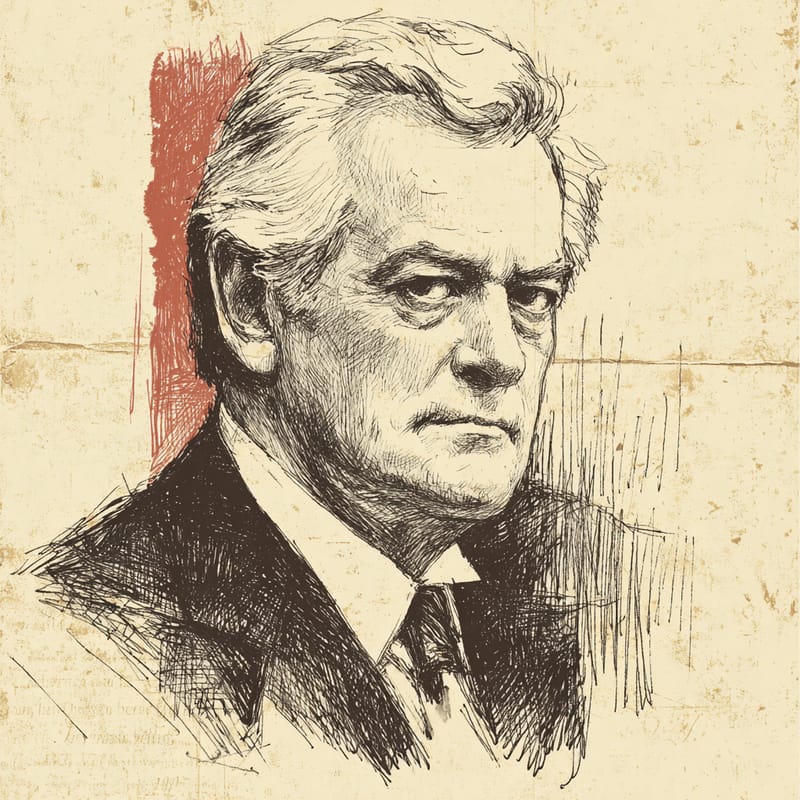
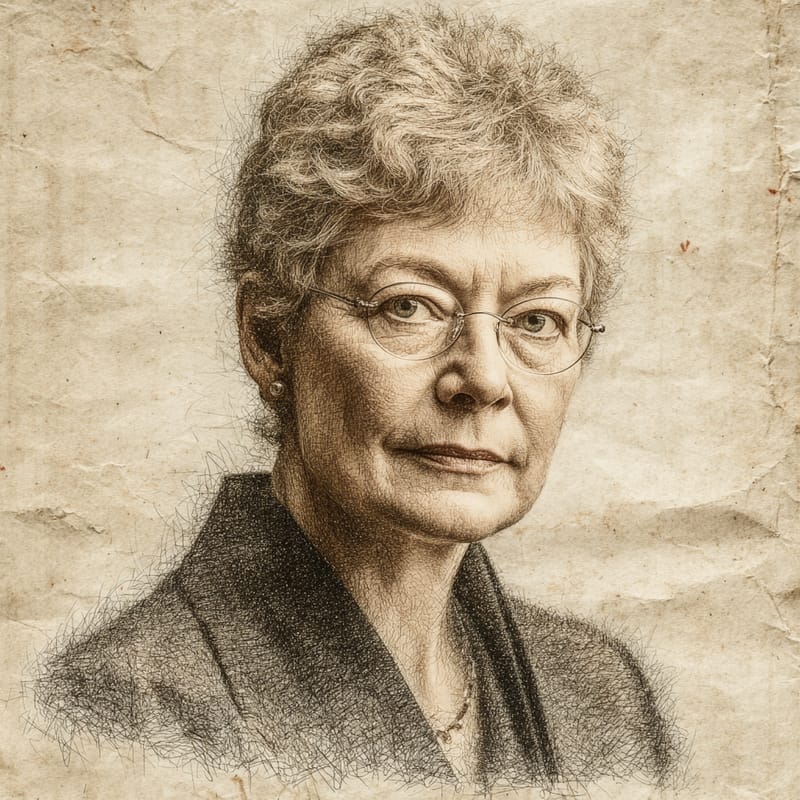
On the 99ideologies three-axis compass, the minds closest to Willy Brandt are Bruno Kreisky (98% alike), Gough Whitlam (97% alike) and Gro Harlem Brundtland (97% alike). The furthest is Adam Sutler (10% alike).