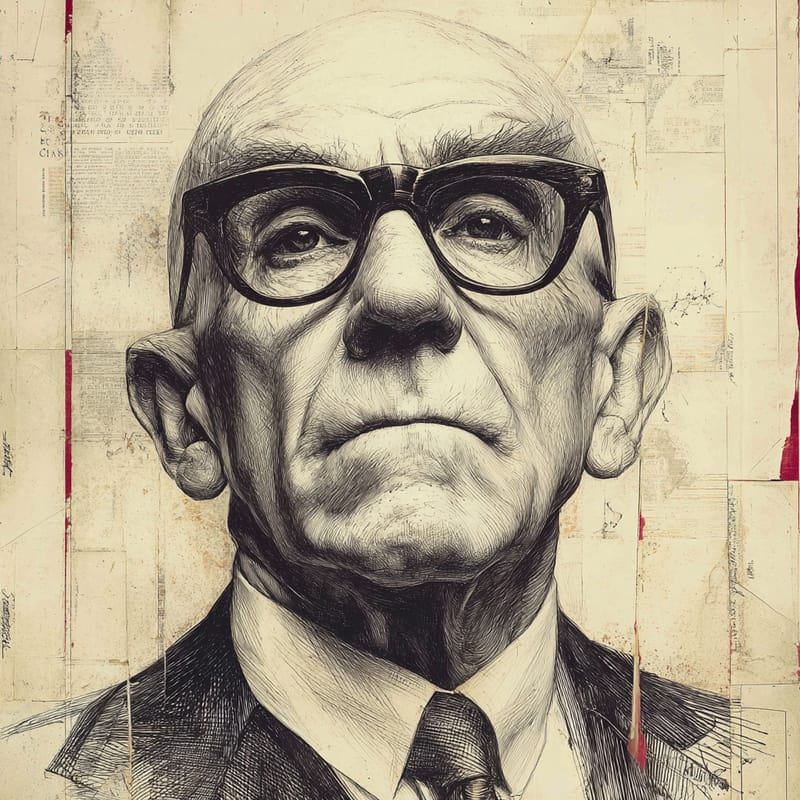
Bruno Kreisky
Austria's reformer
Modernised a small republic with social reform and neutrality.
Heterodox Social DemocratOne of 729 ideologies · enter the Social Democrat hall →- Role
- Chancellor
- Era
- 1911–1990
- Region
- Austria
- Social band
- Heterodox
- Placement
- −48 · −24 · +36
§ Where Bruno Kreisky stands
3 axesKreisky's governments practised what became known as Austro-Keynesianism: deficit spending, a large nationalised industrial sector and a social partnership of unions and employers that kept unemployment low through the oil shocks of the 1970s. He said that a few billion schillings of extra debt troubled him less than a few hundred thousand more unemployed, and in 1972 his government abolished university fees and introduced free schoolbooks.
Kreisky was a consensual democrat who governed through elections and Austria's social partnership, with an inclusive style meant to reconcile former political enemies. His government introduced co-determination in universities, created a civilian alternative to military service in 1975 and accepted the 1978 referendum that rejected his plan to open the Zwentendorf nuclear power station.
Kreisky's governments modernised Austrian society. They decriminalised homosexuality in 1971, reformed family law in 1975 to make spouses equal partners and legalised abortion in the first three months of pregnancy from 1975 despite Catholic opposition. Abroad he championed dialogue with the Arab world and granted the PLO diplomatic status in Vienna in 1980, which made him a controversial figure in Israel.
How close are you to Bruno Kreisky?
Three statements, one per axis. Answer them and we’ll drop you on the compass next to them.
§ The story
HistoricalBruno Kreisky (1911–1990) was chancellor of Austria from 1970 to 1983, the longest-serving chancellor of the Second Republic. Born into a prosperous Jewish family in Vienna, he joined the socialist youth movement, was jailed in 1935–36 under the authoritarian Dollfuss–Schuschnigg regime and, after the 1938 Anschluss, fled to Sweden, where he befriended Willy Brandt. Returning to Austrian public service after the war, he helped negotiate the 1955 State Treaty that restored Austria's independence and served as foreign minister from 1959 to 1966.
As leader of the Socialist Party from 1967, Kreisky won a minority government in 1970 and absolute majorities in 1971, 1975 and 1979, using them for sweeping social reforms and a full-employment policy financed partly by borrowing. Abroad he made neutral Austria an active mediator, bringing United Nations agencies to Vienna and opening contacts with the Palestine Liberation Organization. He was criticised for including former Nazi party members in his first cabinet and for attacking the Nazi-hunter Simon Wiesenthal in 1975. He resigned in 1983 when his party lost its majority.
Notable for
- 01Sweeping 1970s social reforms
- 02Active Middle-East mediation
- 03Decade of single-party government
Key works & moments
- 1935–36Jailed as a socialist under Austria's authoritarian Dollfuss–Schuschnigg regime.
- 1938Flees to Sweden after Nazi Germany annexes Austria.
- 1955Helps negotiate the State Treaty restoring Austria's independence, in return for neutrality.
- 1970Becomes chancellor at the head of a minority government; wins an absolute majority in 1971.
- 1975Legal first-trimester abortion and civilian service take effect; family law reform passes.
- 1983Resigns after the Socialists lose their absolute majority.
§ Minds closest to Bruno Kreisky
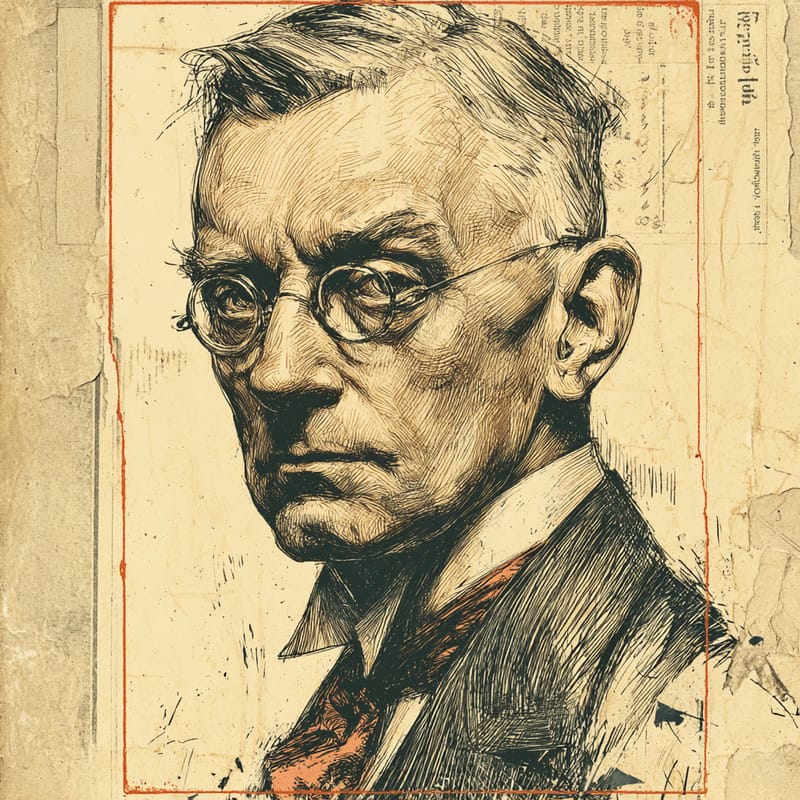
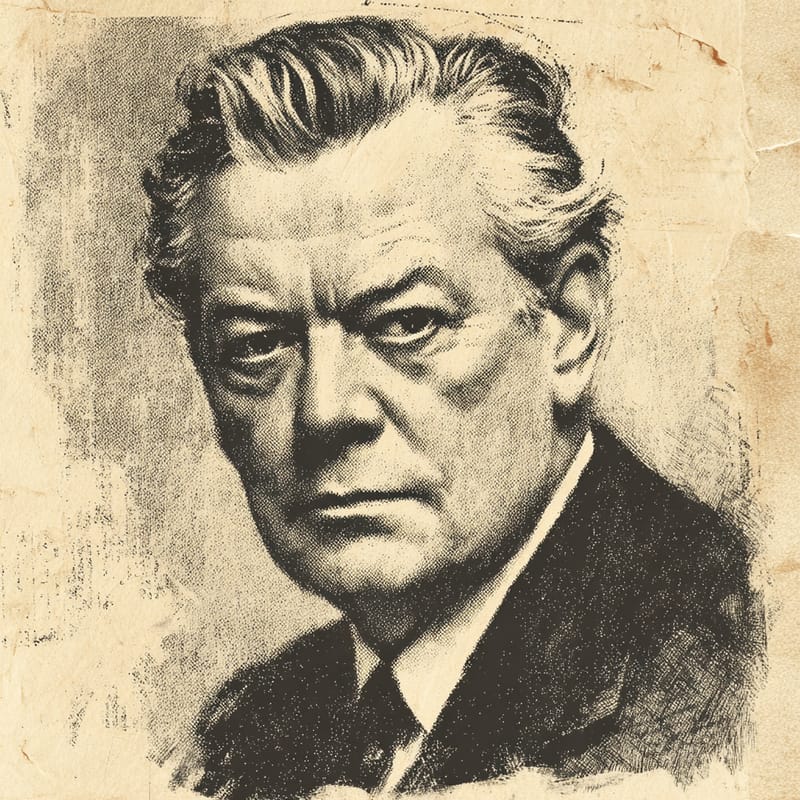
All minds →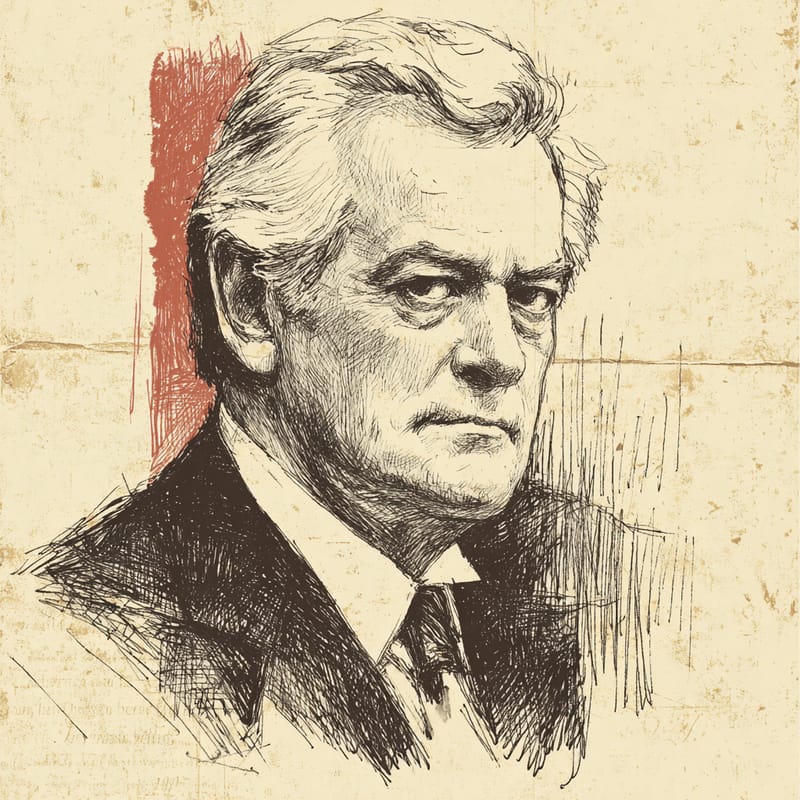

§ Also in the Social Democrat hall
Enter the hall →§ Common questions
4 answersWhat was Bruno Kreisky's political ideology?
Bruno Kreisky was a social democrat: on the 99ideologies three-axis compass, a Heterodox Social Democrat. Economically he sat left of centre (−48), using deficit spending, nationalised industry and social partnership to keep unemployment low. On governance he was a consensual parliamentary democrat (−24). Socially he was progressive (+36), decriminalising homosexuality, legalising early abortion and equalising family law, while his tolerance of former Nazis at home and his opening to the PLO abroad made his record unconventional.
Was Bruno Kreisky left-wing or right-wing?
Left of centre. Kreisky led the Austrian Socialist Party to three absolute majorities and used them for one of post-war Europe's most ambitious social-democratic programmes, from free higher education to full-employment policy. He was also a pragmatist and a firm anti-communist who worked closely with employers through Austria's social partnership and kept the country neutral, which places him in the reformist mainstream of the democratic left.
Why was Bruno Kreisky controversial?
Because his pragmatism crossed lines others drew. Although Jewish and a refugee from Nazism himself, Kreisky included several former Nazi party members in his 1970 cabinet, and in 1975 he defended the Freedom Party leader Friedrich Peter, whose wartime service in an SS brigade had been exposed by Simon Wiesenthal, whom Kreisky attacked publicly. His contacts with Yasser Arafat and the PLO angered Israel, and critics at home blamed his deficit spending for Austria's mounting public debt.
Which minds are closest to Bruno Kreisky?
On the 99ideologies three-axis compass, the minds closest to Bruno Kreisky are Gough Whitlam (98% alike), Tage Erlander (98% alike) and Willy Brandt (98% alike). The furthest is Adam Sutler (12% alike).