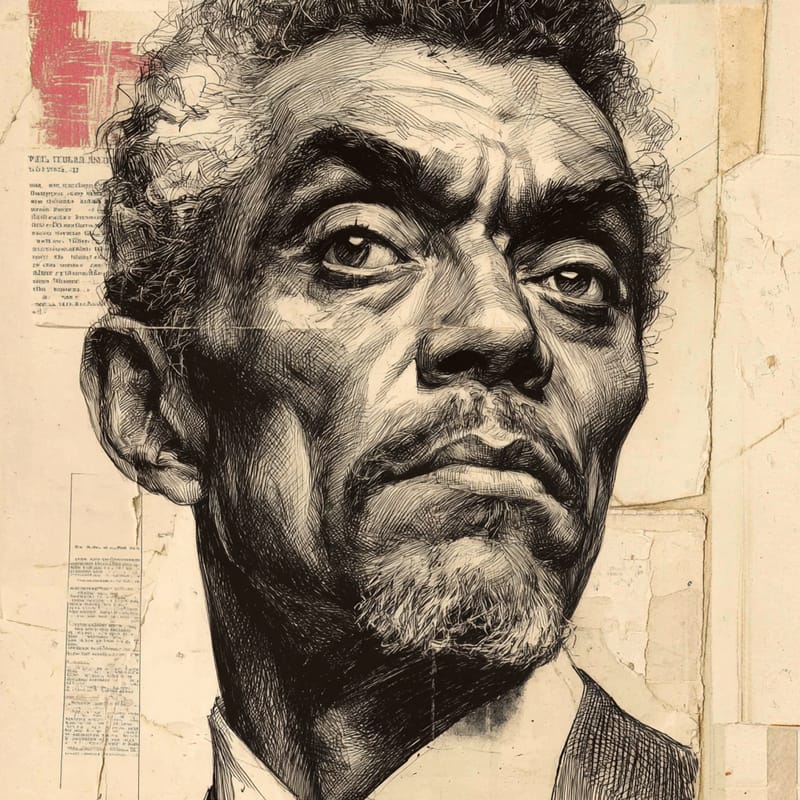
Michael Manley
Democratic socialism, Caribbean
Social reform and non-alignment for a young nation.
Reformist Social DemocratOne of 729 ideologies · enter the Social Democrat hall →- Role
- Prime Minister
- Era
- 1924–1997
- Region
- Jamaica
- Social band
- Reformist
- Placement
- −54 · −20 · +52
§ Where Michael Manley stands
3 axesManley sought a mixed economy with a strong state role. His government imposed a production levy on the foreign-owned bauxite industry in 1974, bought stakes in the mining companies, expanded state enterprises, introduced a national minimum wage in 1975 and leased idle land to small farmers under Project Land Lease. He never abolished private enterprise, and in his second term from 1989 he embraced liberalisation.
Manley governed through Jamaica's Westminster-style parliamentary system, winning elections in 1972, 1976 and 1989 and accepting defeat in 1980. He did, however, declare a state of emergency in June 1976, before that year's election, citing threats of political violence, and detained opposition activists, a move critics called partisan. His era was scarred by gang violence tied to both main parties.
Manley championed equality and dignity for Jamaica's poor black majority. His governments launched the JAMAL adult literacy campaign, legislated equal pay for women in 1975, abolished the legal stigma of illegitimacy for children born outside marriage in 1976 and introduced paid maternity leave. Abroad he backed liberation movements in southern Africa and the Non-Aligned Movement.
How close are you to Michael Manley?
Three statements, one per axis. Answer them and we’ll drop you on the compass next to them.
§ The story
HistoricalMichael Norman Manley (1924–1997) was prime minister of Jamaica in 1972–1980 and 1989–1992. The son of Norman Manley, founder of the People's National Party (PNP), and the sculptor Edna Manley, he served in the Royal Canadian Air Force during the Second World War, studied at the London School of Economics and became a journalist and trade union organiser. He entered the Senate in 1962 and the House of Representatives in 1967, and succeeded his father as PNP leader in 1969.
Campaigning in 1972 under the slogan Better Must Come, Manley declared his government democratic socialist in 1974, introduced free education, a minimum wage and land reform, and imposed a levy on foreign bauxite companies. His friendship with Fidel Castro and prominence in the Non-Aligned Movement alarmed Washington. Recession, capital flight, IMF austerity and partisan gang violence, which claimed an estimated 800 lives before the 1980 election, brought defeat by Edward Seaga. Returning to office in 1989 as a market-friendly moderate, he retired through ill health in 1992.
Notable for
- 01Free secondary education
- 02National minimum wage
- 03Non-Aligned leadership
Key works & moments
- 1969Succeeds his father, Norman Manley, as leader of the People's National Party.
- 1972Wins a landslide election under the slogan Better Must Come.
- 1974Declares democratic socialism and imposes a production levy on foreign bauxite companies.
- 1975Introduces a national minimum wage and equal pay for women.
- 1980Loses to Edward Seaga after an election campaign marked by deadly political violence.
- 1989Returns to power as a market-friendly moderate, serving until 1992.
§ Minds closest to Michael Manley
All minds →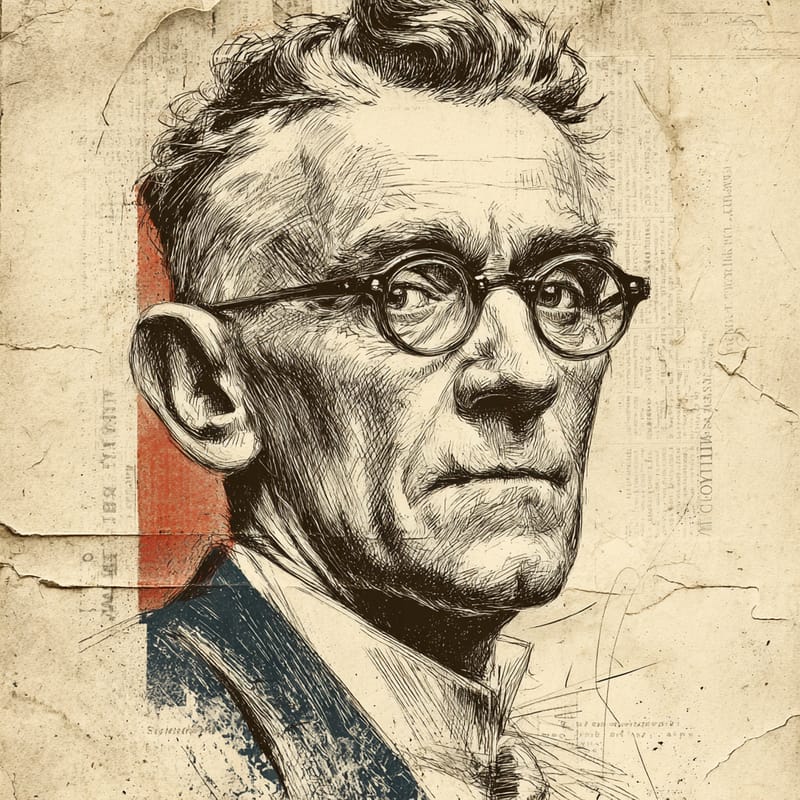

§ Also in the Social Democrat hall
Enter the hall →§ Common questions
4 answersWhat was Michael Manley's political ideology?
Michael Manley was a Caribbean democratic socialist: on the 99ideologies three-axis compass, a Reformist Social Democrat. Economically he sat left of centre (−54), building a mixed economy with state stakes in bauxite, a minimum wage and free education. On governance he was a parliamentary democrat (−20) who won and lost elections, though he imposed a state of emergency in 1976. Socially he was progressive (+52), legislating equal pay for women, equal status for children born outside marriage and a national literacy campaign.
Was Michael Manley left-wing or right-wing?
Left-wing. In the 1970s Manley declared democratic socialism, took state stakes in the bauxite industry, expanded public enterprise and allied with Cuba and the Non-Aligned Movement, which made him a leading figure of the Third World left. He remained a parliamentary democrat rather than a Marxist-Leninist, however, and in his second term from 1989 he moved to the centre, accepting market reforms and privatisation.
Why did the United States oppose Michael Manley?
Because his 1970s government seemed to be drawing Jamaica towards Cuba during the Cold War. Manley befriended Fidel Castro, hosted him in 1977, defended Cuba's intervention in Angola and pressed foreign bauxite firms, including American companies such as Reynolds and Kaiser, with his 1974 levy. Manley and his supporters accused the CIA of destabilising his government before the 1976 and 1980 elections; the extent of any American role remains disputed. Relations eased after his market-friendly return in 1989.
Which minds are closest to Michael Manley?
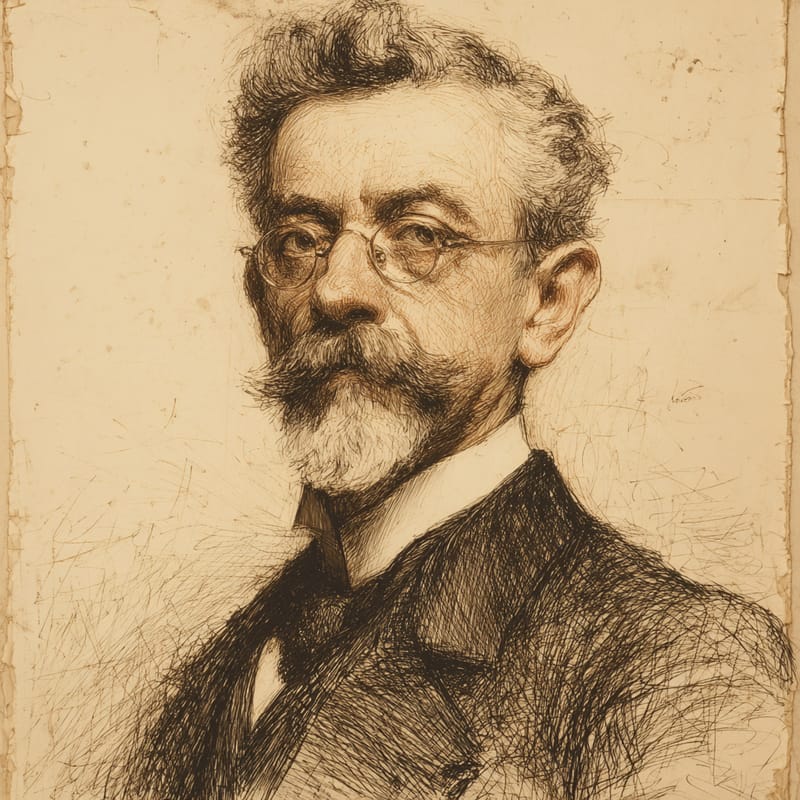
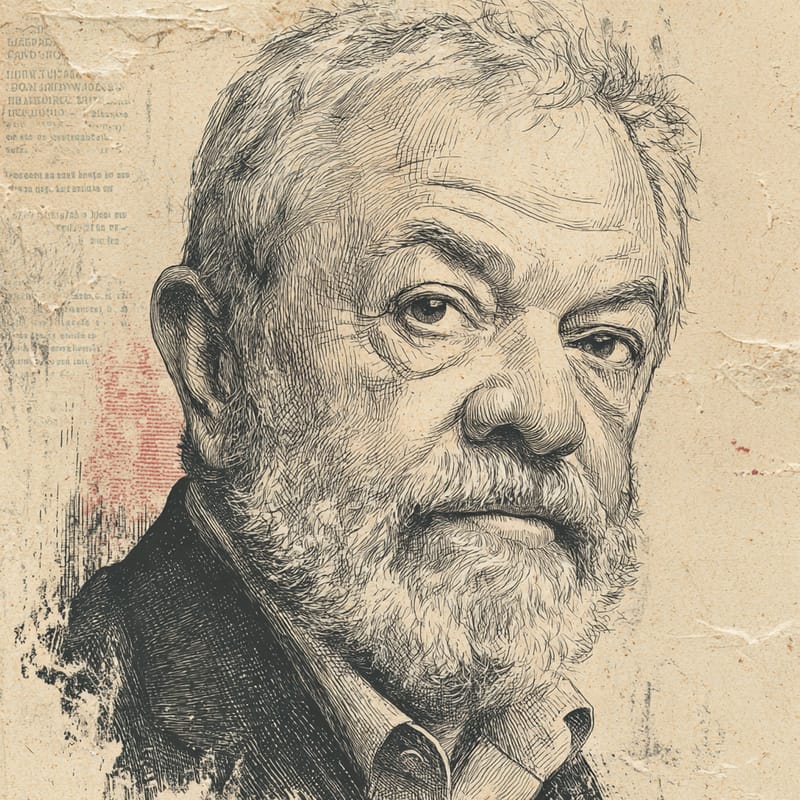
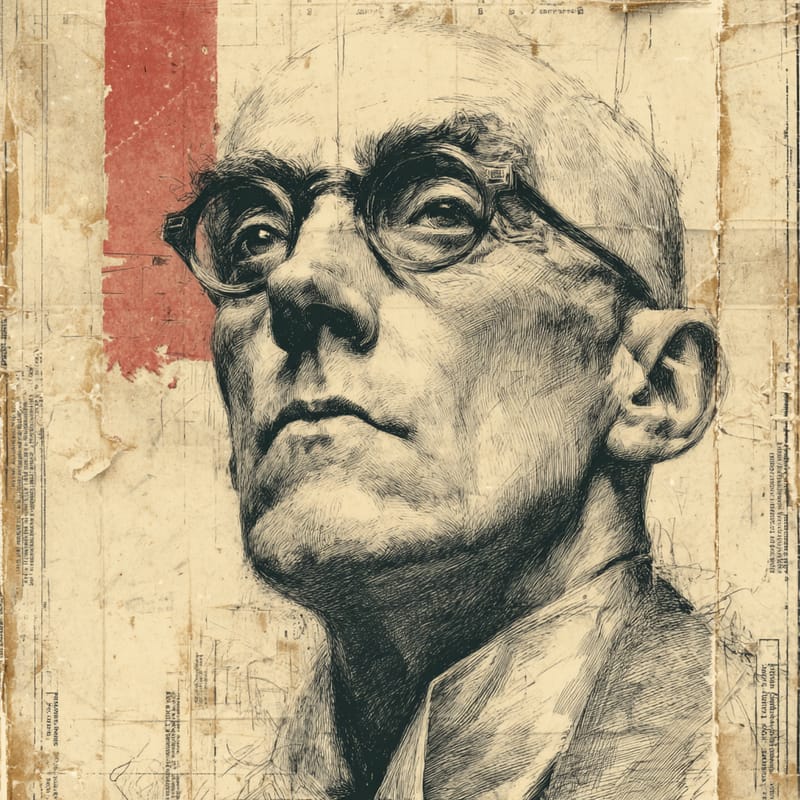
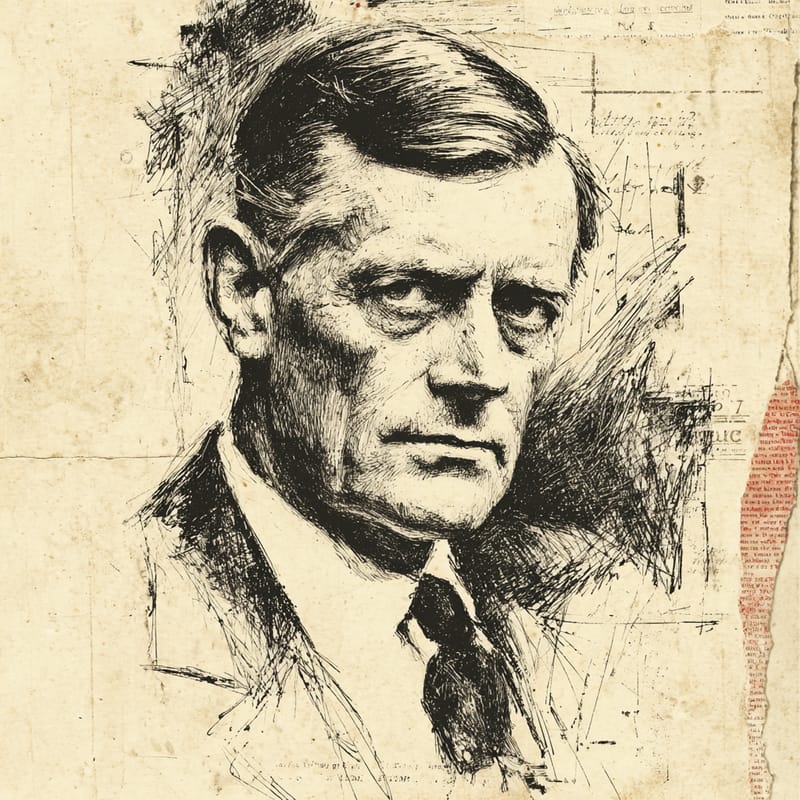
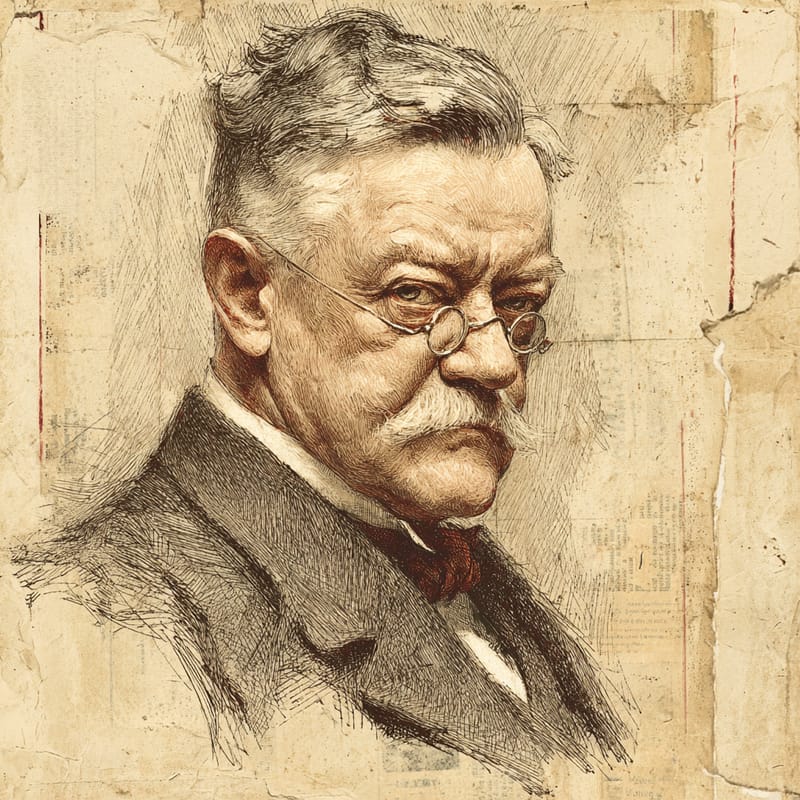
On the 99ideologies three-axis compass, the minds closest to Michael Manley are Tommy Douglas (99% alike), Léon Blum (97% alike) and Luiz Inácio Lula da Silva (97% alike). The furthest is Adam Sutler (7% alike).