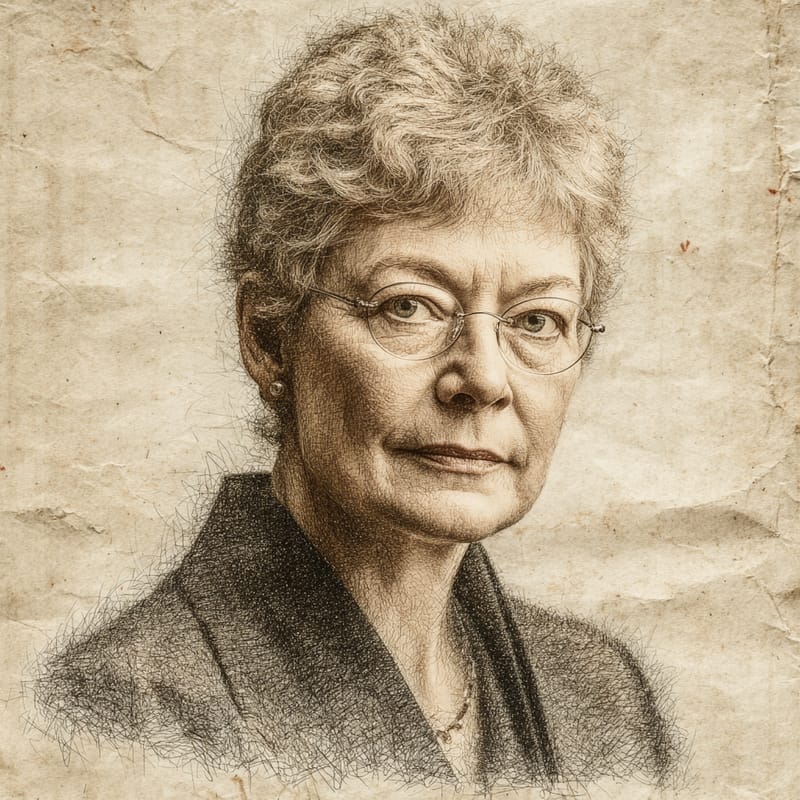
Gro Harlem Brundtland
Sustainable development
Linked the welfare state to the global environment.
Reformist Social DemocratOne of 729 ideologies · enter the Social Democrat hall →- Role
- Prime Minister
- Era
- b. 1939
- Region
- Norway
- Social band
- Reformist
- Placement
- −42 · −24 · +44
§ Where Gro Harlem Brundtland stands
3 axesBrundtland managed Norway's oil-funded welfare state as a moderate social democrat. After the 1986 oil-price collapse her government tightened budgets, and in the 1990s it backed the Solidarity Alternative of wage restraint agreed with unions and employers to restore jobs. Her government also made the first transfer of oil revenues into the state petroleum fund in 1996, saving the wealth rather than spending it.
A liberal democrat and multilateralist, Brundtland governed through minority Labour governments in a parliamentary system, and in 1994 accepted voters' rejection of the EU membership her government had negotiated. Internationally she worked through the United Nations, chairing the World Commission on Environment and Development and leading the WHO, which adopted the Framework Convention on Tobacco Control in 2003.
A physician by training, Brundtland made gender equality and public health central to her politics. Her 1986 cabinet set a world record for women's representation, her government introduced a paternity leave quota reserved for fathers in 1993, and in the 1970s she was a prominent advocate of the right to abortion, which Norway granted on request in 1978.
How close are you to Gro Harlem Brundtland?
Three statements, one per axis. Answer them and we’ll drop you on the compass next to them.
§ The story
LivingGro Harlem Brundtland (born 1939) is a Norwegian physician and politician who was prime minister of Norway three times: briefly in 1981, then in 1986–1989 and 1990–1996. The daughter of a Labour cabinet minister, she trained in medicine in Oslo and in public health at Harvard, worked in public health administration and became minister of the environment in 1974. She led the Labour Party from 1981 to 1992 and, at 41, became Norway's first woman prime minister.
Brundtland's 1986 cabinet, with eight women among its eighteen ministers, drew worldwide attention. As chair of the UN's World Commission on Environment and Development she produced the 1987 report Our Common Future, which made sustainable development a global watchword and paved the way for the 1992 Rio Earth Summit. Her government negotiated membership of the European Union, which Norwegians rejected in a 1994 referendum. From 1998 to 2003 she was director-general of the World Health Organization, leading the response to the SARS outbreak and the adoption of a global tobacco-control treaty.
Notable for
- 01Brundtland Report (1987)
- 02Norway's first female PM
- 03Director-General of the WHO
Key works & moments
- 1974Becomes Norway's minister of the environment.
- 1981Becomes Labour leader and Norway's first woman prime minister.
- 1986Forms a cabinet in which eight of the eighteen ministers are women.
- 1987Her UN commission publishes Our Common Future, defining sustainable development.
- 1994Norwegian voters reject the EU membership her government negotiated.
- 1998Becomes director-general of the World Health Organization, serving until 2003.
In their own words
“Sustainable development is development that meets the needs of the present without compromising the ability of future generations to meet their own needs.”
§ Minds closest to Gro Harlem Brundtland
All minds →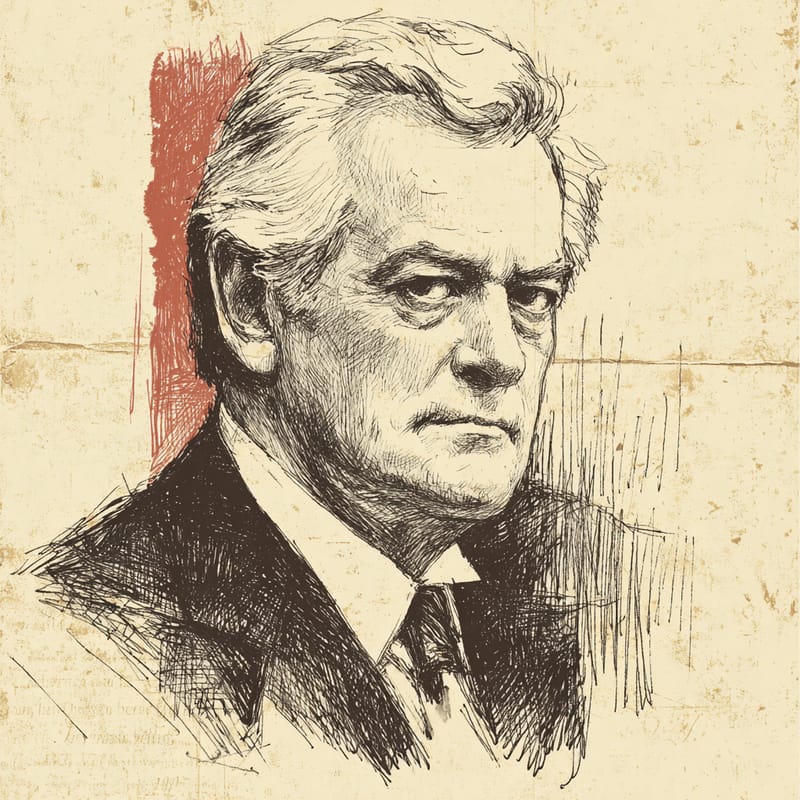

§ Also in the Social Democrat hall
Enter the hall →§ Common questions
4 answersWhat is Gro Harlem Brundtland's political ideology?
Gro Harlem Brundtland is a Norwegian social democrat: on the 99ideologies three-axis compass, a Reformist Social Democrat. Economically she sits left of centre (−42), having managed Norway's oil-funded welfare state with wage restraint and fiscal caution. On governance she is a liberal democrat and multilateralist (−24) who worked through parliament and the United Nations. Socially she is progressive (+44), a physician and feminist who championed gender equality, public health and abortion rights.
Is Gro Harlem Brundtland left-wing or right-wing?
Centre-left. Brundtland led the Norwegian Labour Party, the social-democratic party that built Norway's welfare state, and her governments expanded parental leave and public health. But she was a pragmatic moderniser: she pursued fiscal discipline after the 1986 oil-price crash, backed wage moderation and supported membership of the European Union, positions that put her on the moderate wing of European social democracy.
What is the Brundtland Report?
It is the popular name for Our Common Future, the 1987 report of the United Nations' World Commission on Environment and Development, which Brundtland chaired. It defined sustainable development as development that meets the needs of the present without compromising the ability of future generations to meet their own needs, and argued that poverty, inequality and environmental damage must be tackled together. The report shaped the 1992 Rio Earth Summit and its Agenda 21, and later the UN's Sustainable Development Goals.
Which minds are closest to Gro Harlem Brundtland?
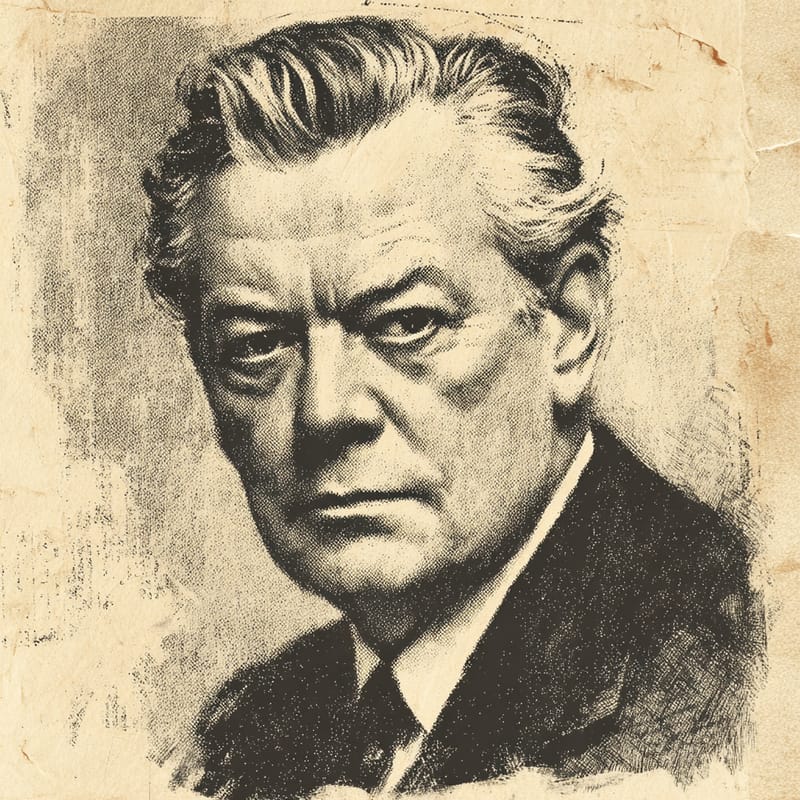
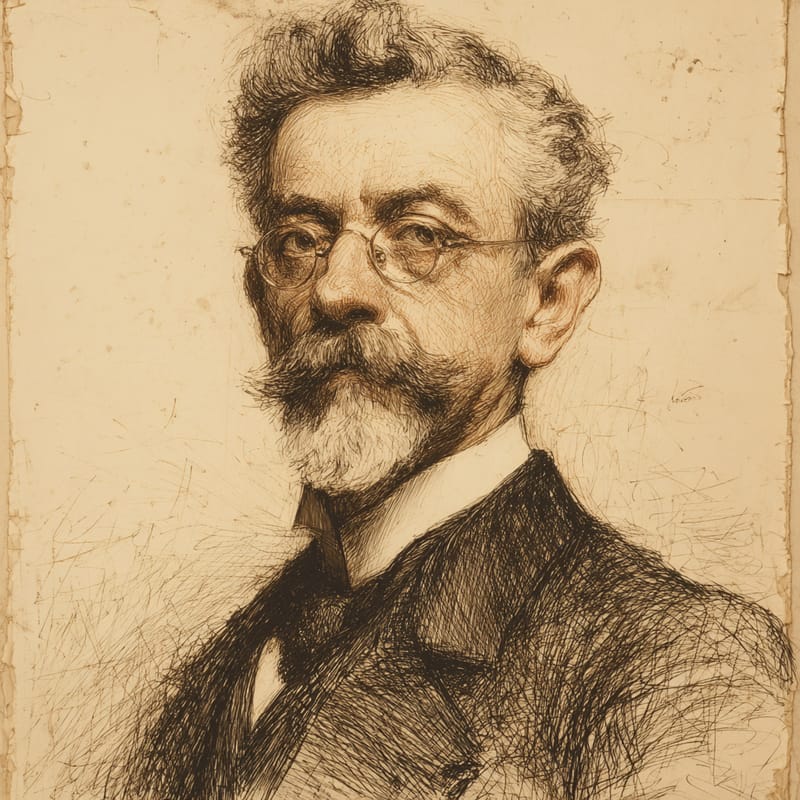
On the 99ideologies three-axis compass, the minds closest to Gro Harlem Brundtland are Gough Whitlam (97% alike), Willy Brandt (97% alike) and Léon Blum (96% alike). The furthest is Adam Sutler (11% alike).