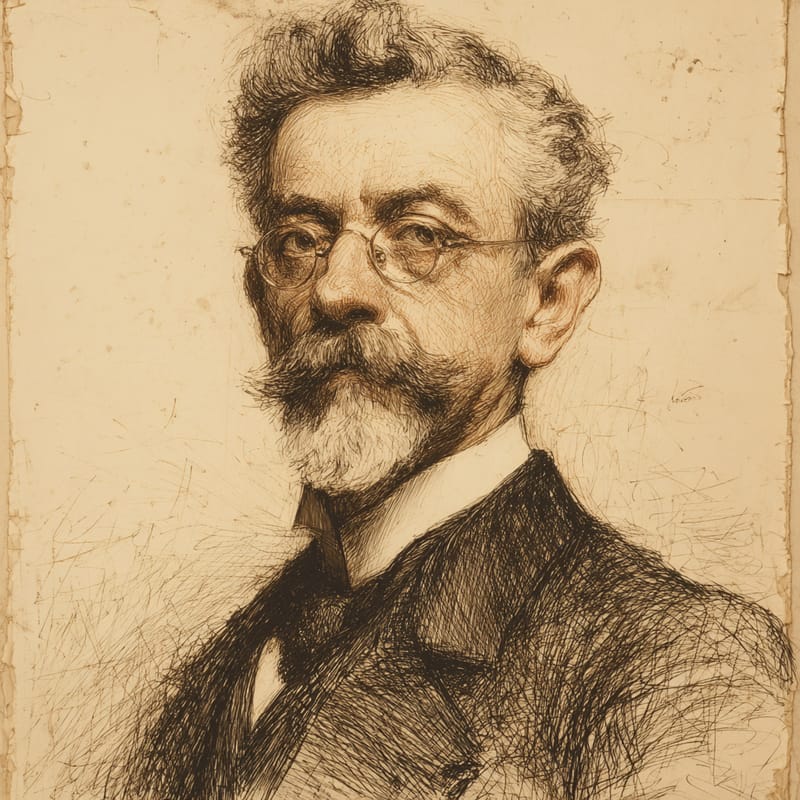
Léon Blum
The Popular Front
Paid holidays and the 40-hour week for French workers.
Reformist Social DemocratOne of 729 ideologies · enter the Social Democrat hall →- Role
- Prime Minister
- Era
- 1872–1950
- Region
- France
- Social band
- Reformist
- Placement
- −50 · −24 · +48
§ Where Léon Blum stands
3 axesBlum used the state to rebalance the economy in workers' favour without abolishing capitalism, distinguishing the exercise of power within the existing system from its revolutionary conquest. The June 1936 Matignon Agreements raised wages and recognised collective bargaining, laws that month granted two weeks' paid holiday and a 40-hour week, and his government nationalised arms manufacturing, created a national wheat board and reformed the Bank of France.
Blum was a committed parliamentary democrat and humanist. His government dissolved the far-right leagues in 1936, and in July 1940 he was among the 80 parliamentarians who refused to grant Marshal Pétain full powers. At the Riom trial in 1942 his defence turned the proceedings into an indictment of Vichy, which suspended the trial.
Blum was a progressive humanist whose book Du mariage (1907) argued that women as well as men should have sexual experience before marriage, a scandal in its day. In 1936 he appointed three women as junior ministers, the first in a French government, although French women could not yet vote, and his government raised the school-leaving age to 14 and promoted mass leisure, sport and culture.
How close are you to Léon Blum?
Three statements, one per axis. Answer them and we’ll drop you on the compass next to them.
§ The story
HistoricalAndré Léon Blum (1872–1950) was a French socialist leader and three times head of government, most famously of the Popular Front in 1936–37. Born into a Jewish merchant family in Paris, he studied at the École normale supérieure and in law, joined the Council of State and made his name as a literary and theatre critic. The Dreyfus Affair and his friendship with Jean Jaurès drew him into socialism, and after Jaurès's assassination in 1914 he became a leading figure of the SFIO, entering the Chamber of Deputies in 1919.
At the 1920 Congress of Tours Blum refused to follow the majority into Lenin's Communist International and kept the socialist party alive. After the Popular Front's 1936 election victory he became France's first socialist and first Jewish prime minister, facing virulent antisemitic attacks from the right. His government won paid holidays, the 40-hour week and collective bargaining, but his refusal to intervene in the Spanish Civil War divided the left. Imprisoned by Vichy, he defied his accusers at the 1942 Riom trial, survived deportation to Germany and led a caretaker government in 1946–47.
Notable for
- 01Popular Front reforms of 1936
- 02Paid leave and the 40-hour week
- 03Imprisoned by Vichy
Key works & moments
- 1919Elected to the Chamber of Deputies for the socialist SFIO.
- 1920At the Congress of Tours, leads the minority that refuses to join the Communist International.
- 1936Becomes Popular Front prime minister; Matignon Agreements, paid holidays and the 40-hour week follow.
- 1940Votes against granting Pétain full powers and is arrested by the Vichy regime.
- 1942Defends the Republic's record at the Riom trial, which Vichy suspends.
- 1946–47Leads a month-long caretaker government after surviving deportation to Germany.
§ Minds closest to Léon Blum
All minds →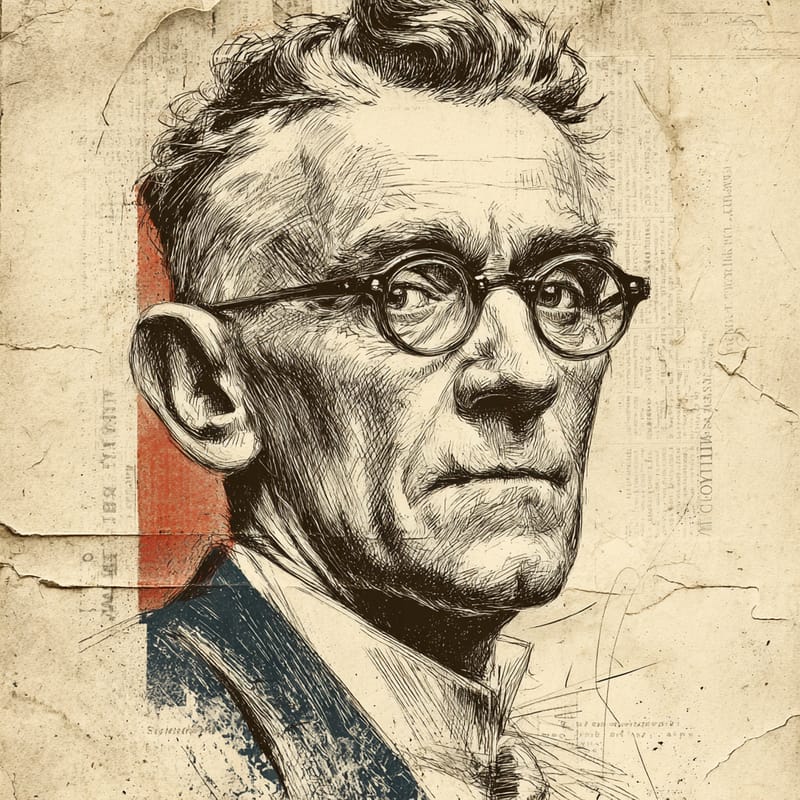
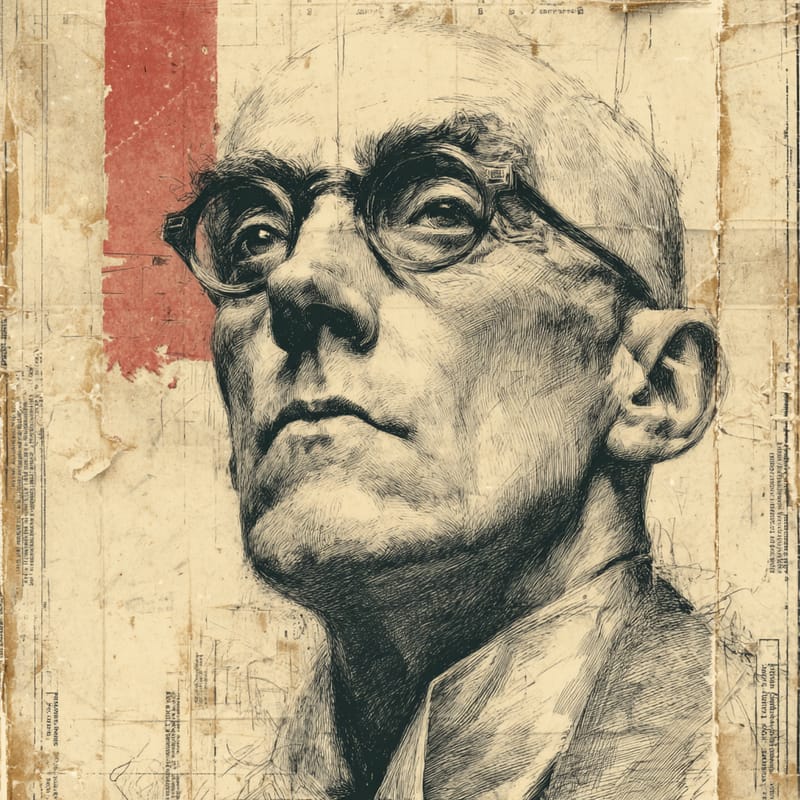
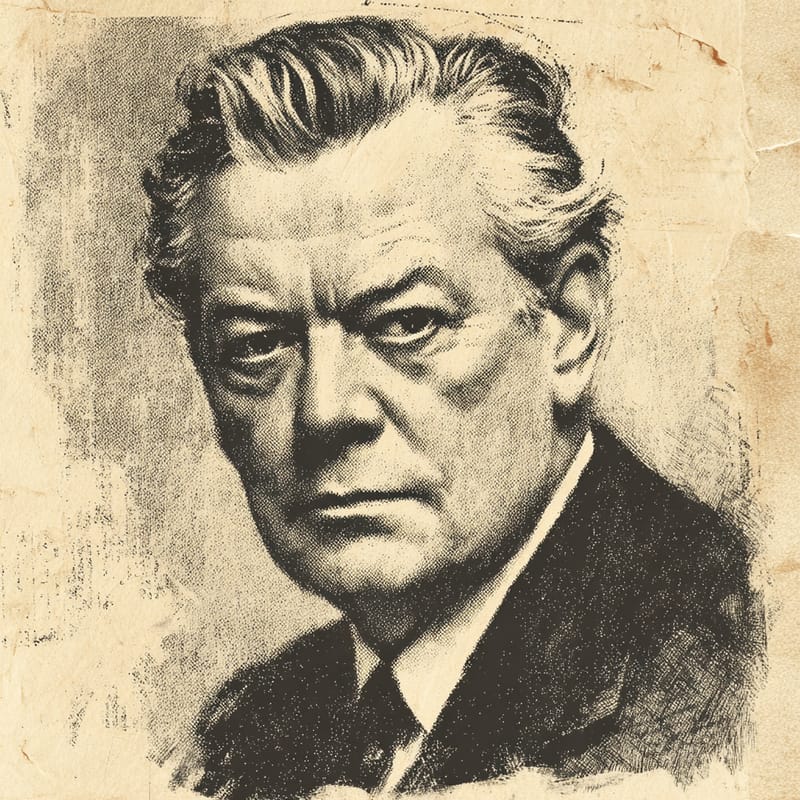
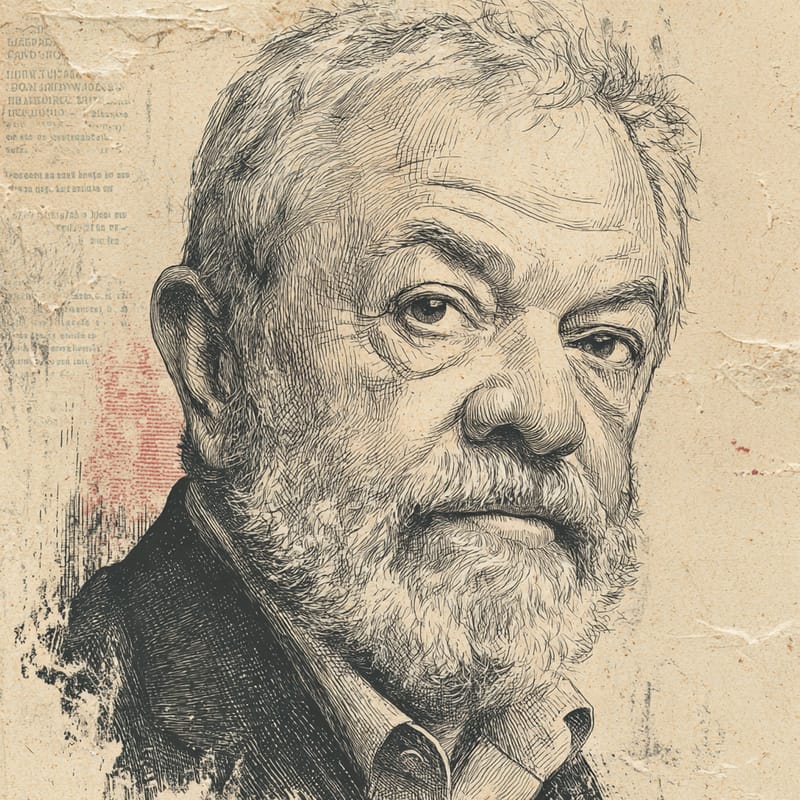

§ Also in the Social Democrat hall
Enter the hall →§ Common questions
4 answersWhat was Léon Blum's political ideology?
Léon Blum was a democratic socialist: on the 99ideologies three-axis compass, a Reformist Social Democrat. Economically he sat left of centre (−50), winning collective bargaining, paid holidays and the 40-hour week while leaving private ownership largely in place. On governance he was a parliamentary democrat and humanist (−24) who defended the republic against the far-right leagues and against Pétain. Socially he was progressive (+48), appointing France's first women ministers and widening access to leisure, sport and culture.
Was Léon Blum left-wing or right-wing?
Left-wing. Blum led the French socialist party for two decades and headed the 1936 Popular Front coalition of socialists and radicals, supported from outside the government by the communists. He considered himself a Marxist in theory but practised reform within the republic, rejecting Lenin's Communist International in 1920 and distinguishing the exercise of power within capitalism from its revolutionary conquest. That places him on the democratic left rather than the communist left.
Why didn't Léon Blum intervene in the Spanish Civil War?
Because he feared intervention would split his coalition, inflame civil conflict in France and isolate France from Britain. In July 1936 Blum's first instinct was to send arms to the Spanish Republic, but opposition from the Radical Party, the right-wing press and the British government led him in August to propose a non-intervention agreement among the European powers. Germany and Italy signed but kept supplying Franco, while some French aircraft reached the Republic unofficially, and the policy bitterly divided the French left.
Which minds are closest to Léon Blum?
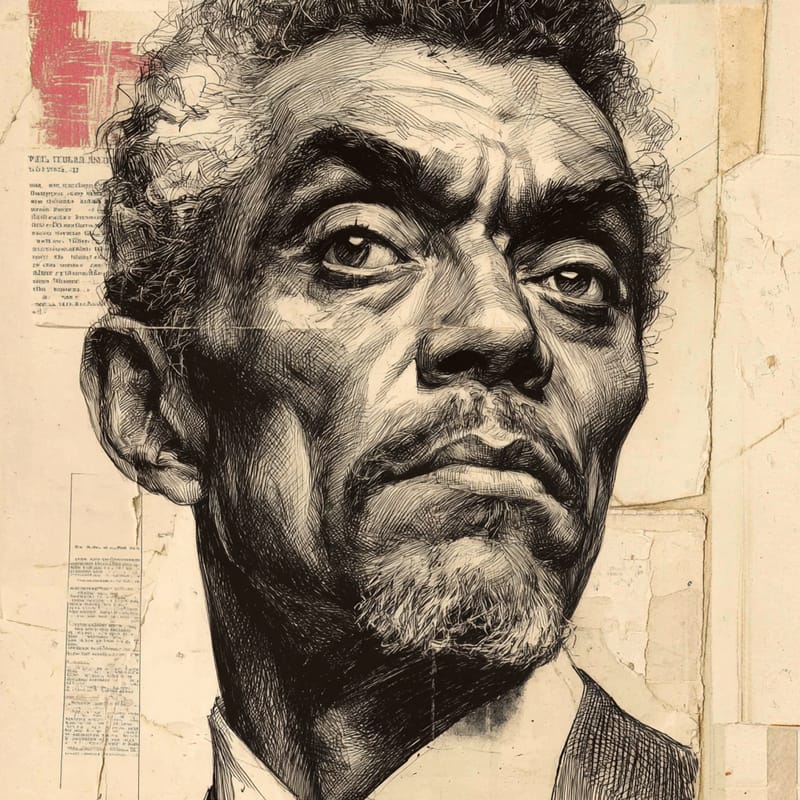
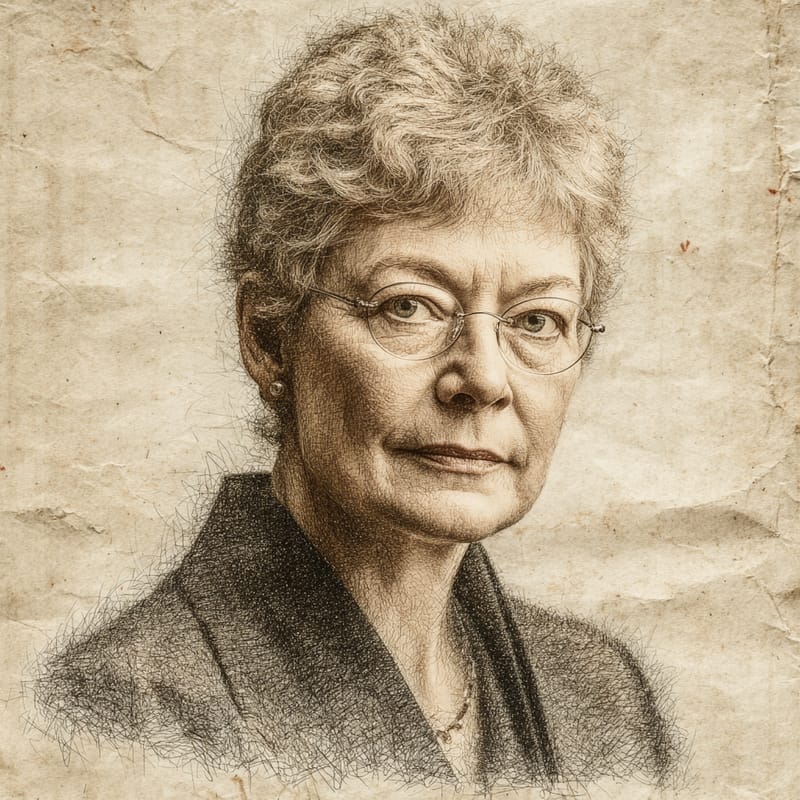
On the 99ideologies three-axis compass, the minds closest to Léon Blum are Tommy Douglas (99% alike), Michael Manley (97% alike) and Gro Harlem Brundtland (96% alike). The furthest is Adam Sutler (8% alike).