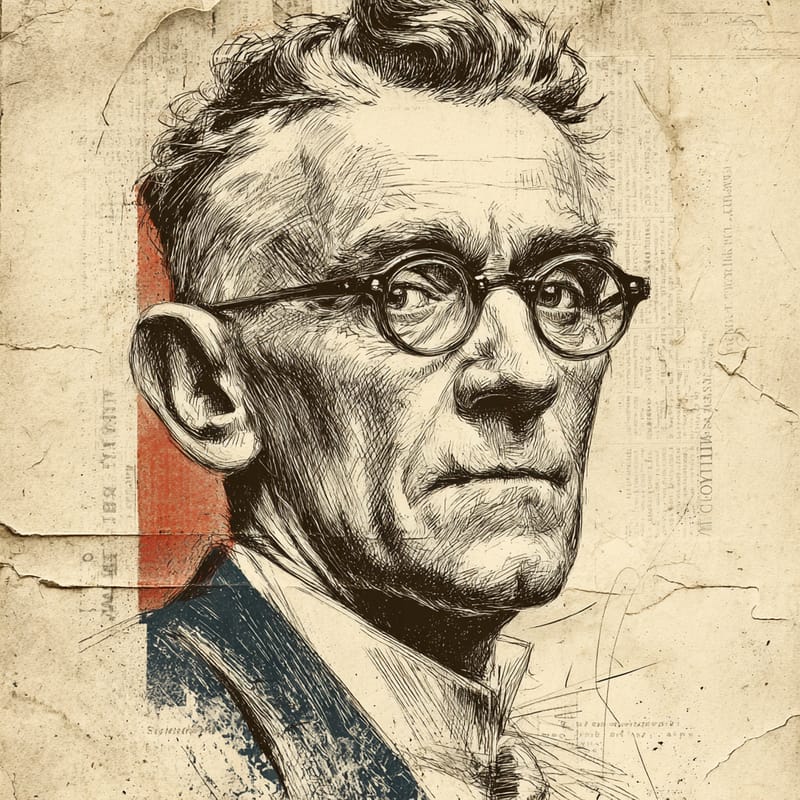
Tommy Douglas
Father of medicare
Brought universal public healthcare to North America.
Reformist Social DemocratOne of 729 ideologies · enter the Social Democrat hall →- Role
- Premier of Saskatchewan
- Era
- 1904–1986
- Region
- Canada
- Social band
- Reformist
- Placement
- −52 · −22 · +50
§ Where Tommy Douglas stands
3 axesDouglas built a mixed economy with a large public sector. His government created Crown corporations in electric power, bus transport and car insurance, introduced universal hospital insurance in 1947 and passed the 1961 medical care act that made doctors' services free at the point of use. Inheriting a heavily indebted province, he balanced budgets and paid down debt, and he left farms and most businesses in private or co-operative hands.
A committed parliamentary democrat, Douglas won five consecutive provincial elections and later led the federal NDP in the Commons. His government passed the Saskatchewan Bill of Rights in 1947, one of the first such laws anywhere to protect civil liberties and bar discrimination, and in 1970 his NDP caucus voted against the War Measures Act during the October Crisis.
Douglas came to politics through the Social Gospel, the Protestant movement that treated building a just society as a Christian duty. He championed civil liberties, public education and the dignity of farmers and workers, and his Mouseland fable, in which mice keep electing cats to govern them, made the case for democratic socialism to ordinary voters. His early thesis, however, had endorsed eugenic sterilisation, a view he later rejected.
How close are you to Tommy Douglas?
Three statements, one per axis. Answer them and we’ll drop you on the compass next to them.
§ The story
HistoricalThomas Clement Douglas (1904–1986) was a Canadian politician who served as premier of Saskatchewan from 1944 to 1961 and as the first leader of the federal New Democratic Party (NDP) from 1961 to 1971. Born in Falkirk, Scotland, he grew up in Winnipeg, where as a boy he witnessed the 1919 general strike and nearly lost a leg to a bone infection until a surgeon treated him without charge. He became a Baptist minister in Weyburn, Saskatchewan, and entered the House of Commons for the Co-operative Commonwealth Federation (CCF) in 1935.
Douglas led the CCF to power in Saskatchewan in 1944, forming the first democratic socialist government in North America. It passed a provincial Bill of Rights, introduced public hospital insurance and created Crown corporations, and in 1961 enacted a universal medical care plan that took effect in 1962 despite a doctors' strike and became the model for Canada's national medicare. His 1933 master's thesis had endorsed eugenic measures, views he later abandoned. In 2004 CBC viewers voted him the Greatest Canadian.
Notable for
- 01First single-payer healthcare in North America
- 02Led the CCF and NDP
- 03'Mouseland' parable
Key works & moments
- 1935Elected to the House of Commons for the Co-operative Commonwealth Federation.
- 1944Leads the CCF to victory in Saskatchewan, forming North America's first socialist government.
- 1947Passes the Saskatchewan Bill of Rights and launches universal hospital insurance.
- 1961Becomes the first leader of the federal NDP; his CCF government's medical care act passes that November.
- 1962Saskatchewan medicare takes effect despite a 23-day doctors' strike.
- 1970Leads NDP opposition to the War Measures Act during the October Crisis.
§ Minds closest to Tommy Douglas
All minds →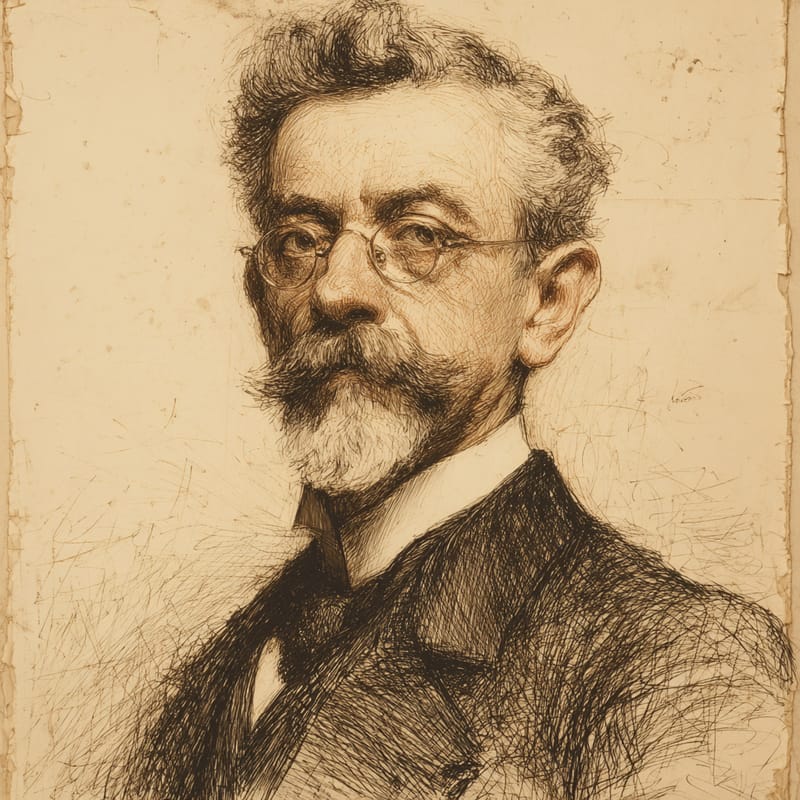

§ Also in the Social Democrat hall
Enter the hall →§ Common questions
4 answersWhat was Tommy Douglas's political ideology?
Tommy Douglas was a democratic socialist in the Social Gospel tradition: on the 99ideologies three-axis compass, a Reformist Social Democrat. Economically he sat left of centre (−52), building Crown corporations and universal hospital and medical insurance while balancing the budget. On governance he was a parliamentary democrat (−22) who passed a pioneering 1947 Bill of Rights and opposed the 1970 War Measures Act. Socially he was progressive (+50), a Baptist minister who saw social justice as a Christian duty.
Was Tommy Douglas left-wing or right-wing?
Left-wing. Douglas led the socialist CCF and became the first leader of the federal NDP, and his governments expanded public ownership and universal social programmes. He was a democratic reformer rather than a revolutionary, working through elections, balancing budgets and leaving most of the economy in private and co-operative hands, which is why he is remembered as a social democrat and a founder of the Canadian welfare state.
Is Tommy Douglas the father of medicare?
Yes, in the sense in which Canadians use the title. Douglas's Saskatchewan government introduced universal hospital insurance in 1947 and in 1961 passed North America's first universal, publicly funded medical care plan, which took effect in July 1962 under his successor, Woodrow Lloyd, despite a 23-day doctors' strike. The federal Medical Care Act of 1966, passed by Lester Pearson's Liberal government, extended the model across Canada. Douglas often traced his conviction to the free operation that saved his leg as a boy.
Which minds are closest to Tommy Douglas?
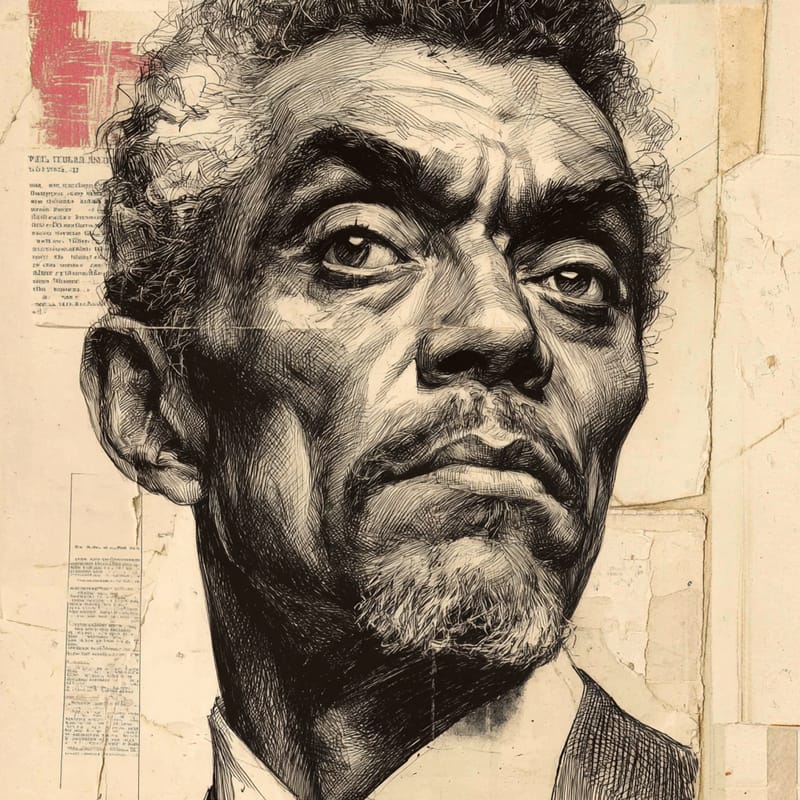
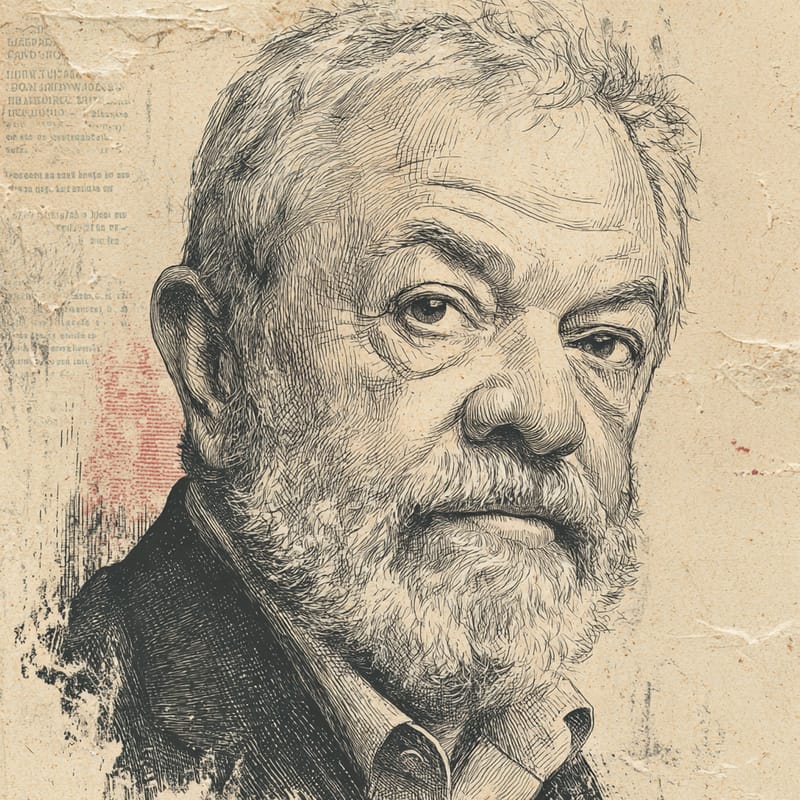
On the 99ideologies three-axis compass, the minds closest to Tommy Douglas are Léon Blum (99% alike), Michael Manley (99% alike) and Luiz Inácio Lula da Silva (97% alike). The furthest is Adam Sutler (8% alike).