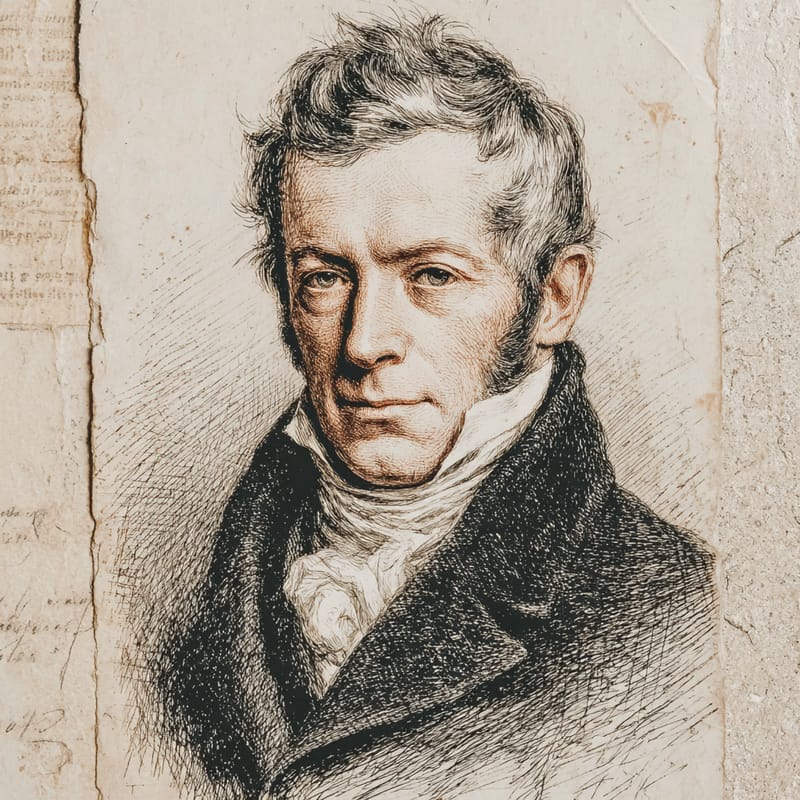
Wilhelm von Humboldt
The limits of state action
Self-cultivation needs the smallest possible state.
Classical LiberalOne of 729 ideologies · enter the Classical Liberal hall →- Role
- Philosopher & reformer
- Era
- 1767–1835
- Region
- Prussia
- Social band
- Centre (no modifier)
- Placement
- +45 · −52 · +10
§ Where Wilhelm von Humboldt stands
3 axesIn The Limits of State Action, written in 1792, Humboldt argued that the state should not concern itself with citizens' positive welfare at all, since paternal provision breeds uniformity and dependence; property and voluntary exchange were the conditions under which free individuals develop. He was no economist, and as a minister he built state schools, but his principle places him clearly on the market side.
Humboldt held that the state's only proper task is security against foreign enemies and internal wrongs, leaving morals, religion and welfare to free persons and voluntary associations. As a reformer he sought autonomy for universities, and he lost office in 1819 for opposing the Carlsbad Decrees, though he served the Prussian monarchy for most of his life.
Humboldt's humanism prized Bildung, the free and many-sided self-cultivation of each individual, and he wanted religion left to private conscience; as a Prussian official he also argued for civil equality for Jews. Yet he remained an aristocrat of his era who accepted monarchy and inherited order, which leaves him near the social centre rather than among the progressives.
How close are you to Wilhelm von Humboldt?
Three statements, one per axis. Answer them and we’ll drop you on the compass next to them.
§ The story
HistoricalFriedrich Wilhelm von Humboldt (1767–1835) was a Prussian philosopher, linguist, diplomat and education reformer, the elder brother of the naturalist Alexander von Humboldt. Born in Potsdam and educated at Frankfurt an der Oder and Göttingen, he wrote his treatise on the limits of state action in 1791–92, then served as Prussia's envoy to the Holy See and, in 1809–10, as head of education in the Interior Ministry, where he reshaped the school system and founded the University of Berlin.
Humboldt's model of a research university uniting teaching and inquiry, with academic freedom at its core, spread across Germany and later to the United States, and the Berlin university was renamed after him and his brother in 1949. He represented Prussia at the Congress of Vienna and was dismissed in 1819 after opposing the repressive Carlsbad Decrees. His essay on the state's limits, published in full only in 1851, supplied the epigraph for John Stuart Mill's On Liberty, and his later work helped found comparative linguistics.
Notable for
- 01'The Limits of State Action'
- 02Founded Humboldt University
- 03Ideal of self-cultivation (Bildung)
Key works & moments
- 1791–92Writes The Limits of State Action; only extracts appear in his lifetime.
- 1802–08Serves as Prussia's envoy to the Holy See in Rome.
- 1809–10Heads Prussian education, reforming the schools and founding the University of Berlin.
- 1814–15Represents Prussia at the Congress of Vienna.
- 1819Dismissed from the Prussian government after opposing the Carlsbad Decrees.
- 1851His treatise on the limits of the state is published in full, later inspiring Mill's On Liberty.
In their own words
“The grand, leading principle, towards which every argument unfolded in these pages directly converges, is the absolute and essential importance of human development in its richest diversity.”
§ Minds closest to Wilhelm von Humboldt
All minds →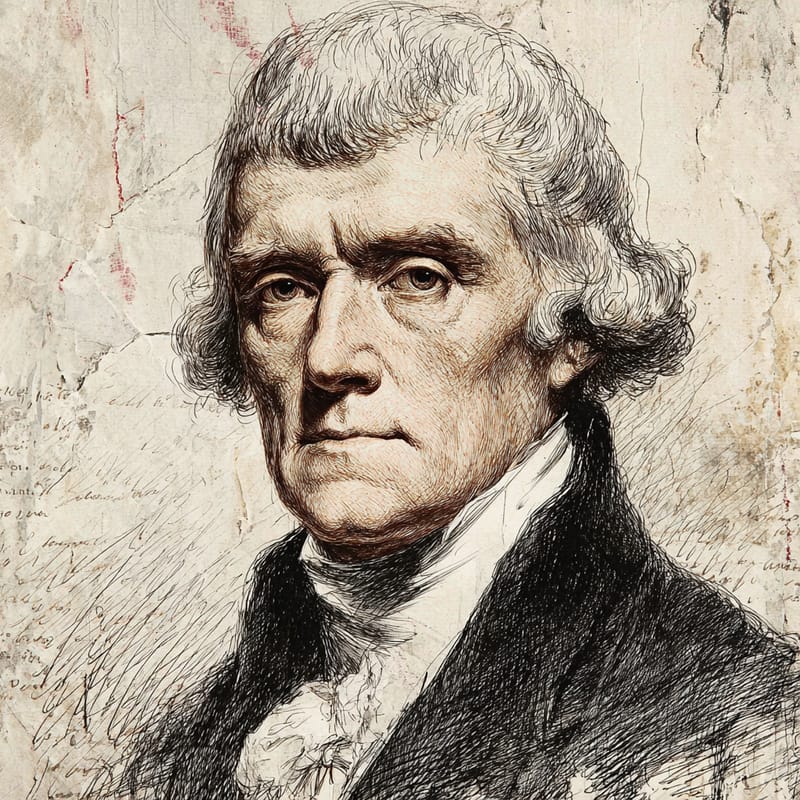

§ Also in the Classical Liberal hall
Enter the hall →§ Common questions
4 answersWhat was Wilhelm von Humboldt's political ideology?
Wilhelm von Humboldt was an early German liberal who wanted the state confined to keeping citizens secure: on the 99ideologies three-axis compass, a Classical Liberal. Economically he sat clearly on the market side (+45), opposing state provision for citizens' welfare. On governance he was strongly anti-paternalist (−52), limiting the state to defence and justice so that individuals could develop freely. Socially he was close to the centre (+10), a humanist of self-cultivation who never rejected the monarchical order he served.
Was Wilhelm von Humboldt left-wing or right-wing?
A liberal rather than either, though by modern standards he leans right of centre on economics. His theory of a minimal state appeals to libertarians and classical liberals, and his defence of individuality inspired Mill. Yet he was also an aristocratic Prussian minister who built a state-funded education system and served a monarchy, and his humanism was cultural rather than egalitarian. In his own time he stood with the reformers against the reaction of 1819.
What did Wilhelm von Humboldt argue in The Limits of State Action?
He argued that the highest human end is the fullest and most harmonious development of each person's powers, which requires freedom and a variety of situations. Since state care for citizens' welfare imposes uniformity and weakens self-reliance, Humboldt concluded that the state should confine itself to security against foreign enemies and internal wrongs. Written in 1792 but published in full only in 1851, the book appeared in English as The Sphere and Duties of Government in 1854 and shaped Mill's On Liberty.
Which minds are closest to Wilhelm von Humboldt?
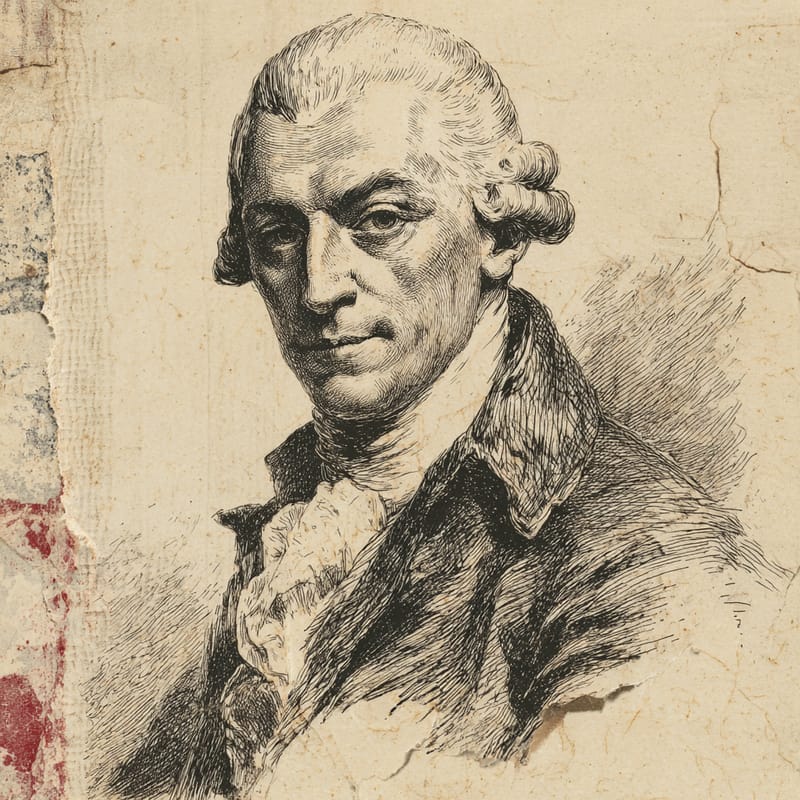
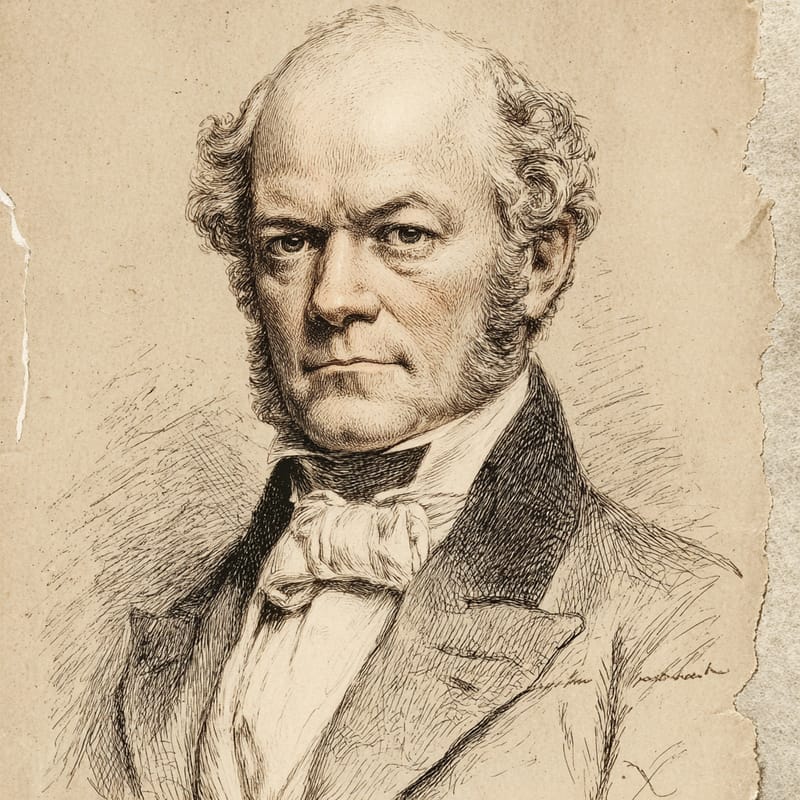
On the 99ideologies three-axis compass, the minds closest to Wilhelm von Humboldt are Thomas Jefferson (97% alike), Adam Smith (97% alike) and Richard Cobden (94% alike). The furthest is Pol Pot (14% alike).