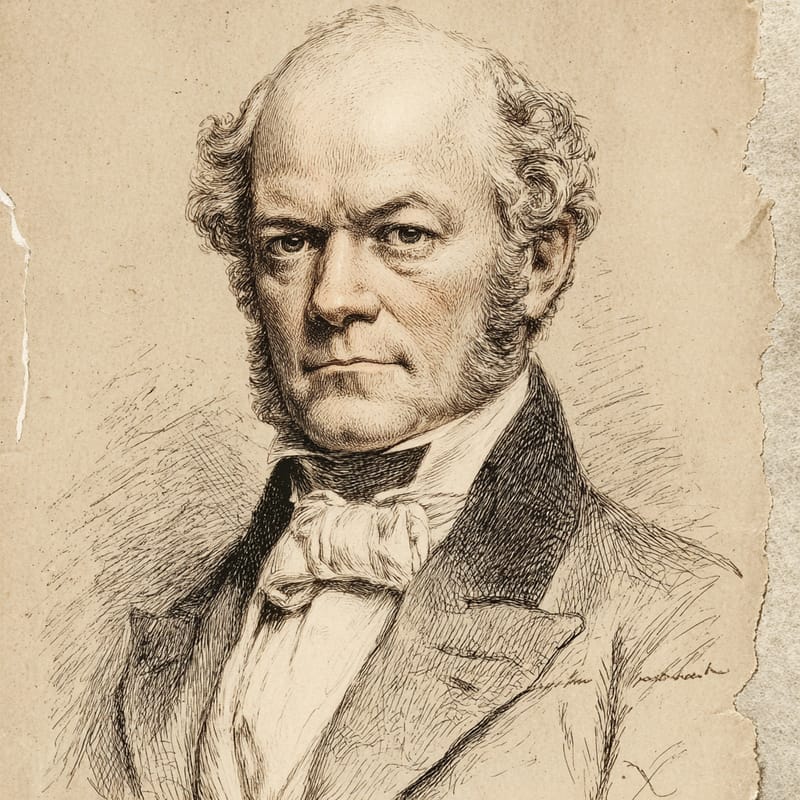
Richard Cobden
The apostle of free trade
Repeal, peace, and commerce between nations.
Classical LiberalOne of 729 ideologies · enter the Classical Liberal hall →- Role
- Manufacturer & MP
- Era
- 1804–1865
- Region
- United Kingdom
- Social band
- Centre (no modifier)
- Placement
- +58 · −45 · +5
§ Where Richard Cobden stands
3 axesCobden made free trade a moral crusade. The Anti-Corn Law League, founded in 1838, argued that duties on imported grain raised the price of bread to enrich landowners, and its campaign ended in repeal in 1846. In 1860 he negotiated the Cobden–Chevalier Treaty, cutting tariffs between Britain and France, and he generally opposed state interference in trade and industry.
Cobden wanted a modest, cheap state at home and as little intervention abroad as possible, a view first set out in his pamphlets England, Ireland, and America (1835) and Russia (1836). He opposed the Crimean War, censured Palmerston over the bombardment of Canton in 1857 and promoted international arbitration, while backing a wider franchise at home.
Cobden was a Radical reformer of the manufacturing middle class who attacked aristocratic privilege, backed the Union in the American Civil War and pressed for non-sectarian public education. But he was no cultural rebel: his politics centred on trade, peace and economy rather than on changing social customs, which places him close to the centre on this axis.
How close are you to Richard Cobden?
Three statements, one per axis. Answer them and we’ll drop you on the compass next to them.
§ The story
HistoricalRichard Cobden (1804–1865) was an English manufacturer and Radical politician, born the son of a struggling farmer at Heyshott in Sussex. After working as a clerk and commercial traveller, he made his fortune as a calico printer in Lancashire, settled in Manchester and began writing pamphlets against war and protectionism. In 1838 he helped found the Anti-Corn Law League and, with John Bright, turned it into one of the most effective pressure groups in British history; he entered Parliament for Stockport in 1841.
The League's campaign of lectures, pamphlets and mass meetings helped persuade Sir Robert Peel to repeal the Corn Laws in 1846, at the cost of splitting the Conservative Party. Cobden then preached free trade as a path to peace, opposed the Crimean War and was defeated at the 1857 election after condemning the war on China. In 1860 he negotiated the Cobden–Chevalier commercial treaty with France. Critics then and since called his faith in commerce naive, and his creed became the core of what was dubbed the Manchester School.
Notable for
- 01Repeal of the Corn Laws, 1846
- 02Anti-Corn Law League
- 03Cobden–Chevalier free-trade treaty
Key works & moments
- 1835Publishes England, Ireland, and America, attacking war and balance-of-power diplomacy.
- 1838Helps found the Anti-Corn Law League in Manchester.
- 1841Elected MP for Stockport.
- 1846The Corn Laws are repealed under Sir Robert Peel after the League's campaign.
- 1857Censures Palmerston over the bombardment of Canton; defeated at the ensuing general election.
- 1860Negotiates the Cobden–Chevalier free-trade treaty with France.
§ Minds closest to Richard Cobden
All minds →

§ Also in the Classical Liberal hall
Enter the hall →§ Common questions
4 answersWhat was Richard Cobden's political ideology?
Richard Cobden was a free-trade Radical and the leading voice of the Manchester School: on the 99ideologies three-axis compass, a Classical Liberal. Economically he sat firmly on the market side (+58), campaigning against the Corn Laws and for free trade between nations. On governance he favoured a cheap, restrained state (−45) that kept out of foreign wars. Socially he sat near the centre (+5), a middle-class reformer who attacked aristocratic privilege without challenging social customs.
Was Richard Cobden left-wing or right-wing?
He sat on the reforming left of Victorian politics, though his economics are now associated with the right. Cobden was a Radical who fought the landed aristocracy, opposed imperial wars and backed a wider franchise, and he was reviled by Tory protectionists. Yet his creed was free markets and free trade, and he resisted much state interference in industry, which is why modern free-marketeers and anti-war liberals both cite him as an ancestor.
What was the Anti-Corn Law League?
The Anti-Corn Law League was a pressure group founded in Manchester in 1838 to abolish the Corn Laws, tariffs that protected British landowners by keeping out cheap foreign grain. Led by Cobden and John Bright, it pioneered modern campaigning methods: mass meetings, travelling lecturers, cheap pamphlets distributed through the new penny post and a nationwide organisation funded by manufacturers. Its pressure, combined with the Irish famine, helped persuade Sir Robert Peel to repeal the laws in 1846.
Which minds are closest to Richard Cobden?
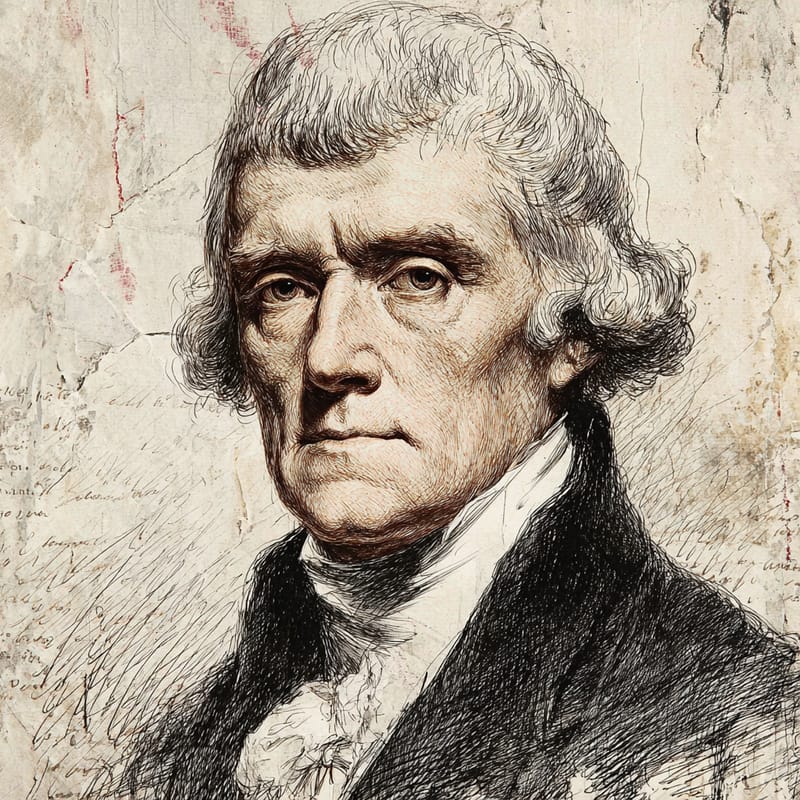
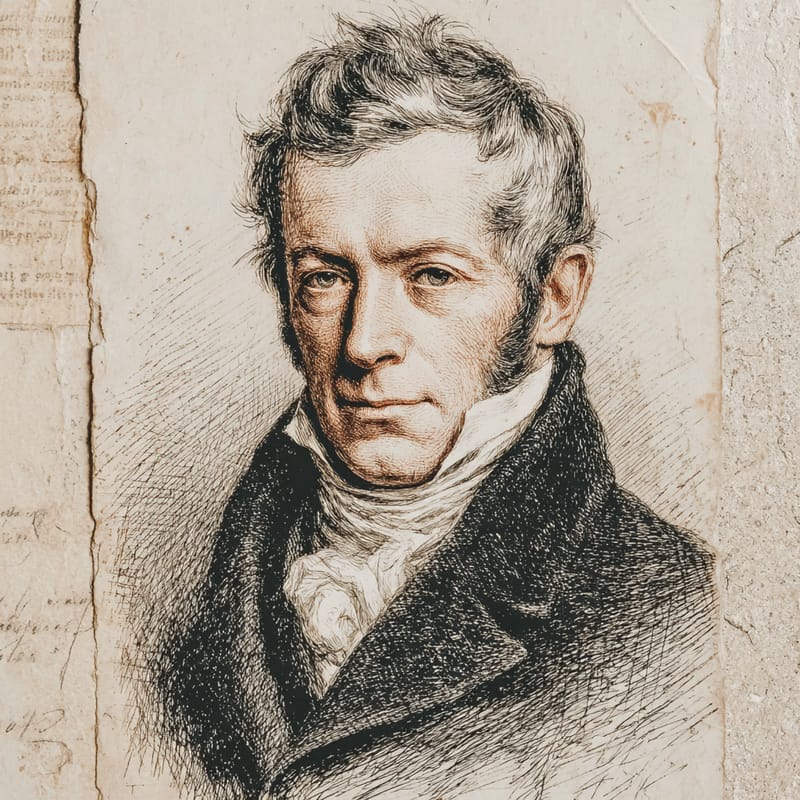
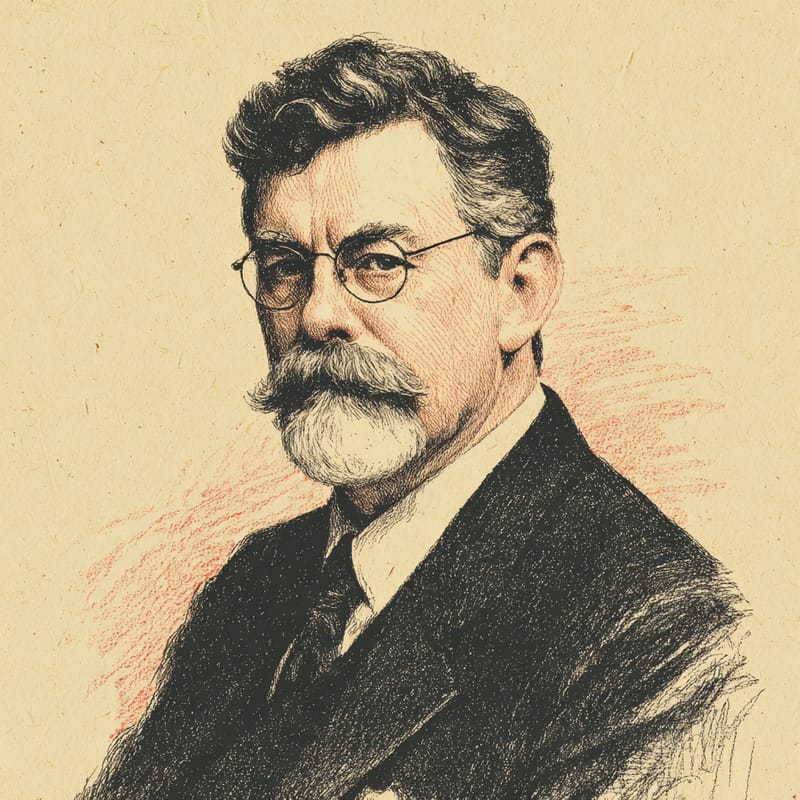
On the 99ideologies three-axis compass, the minds closest to Richard Cobden are Frédéric Bastiat (97% alike), Adam Smith (96% alike) and Robert Nozick (95% alike). The furthest is Pol Pot (12% alike).