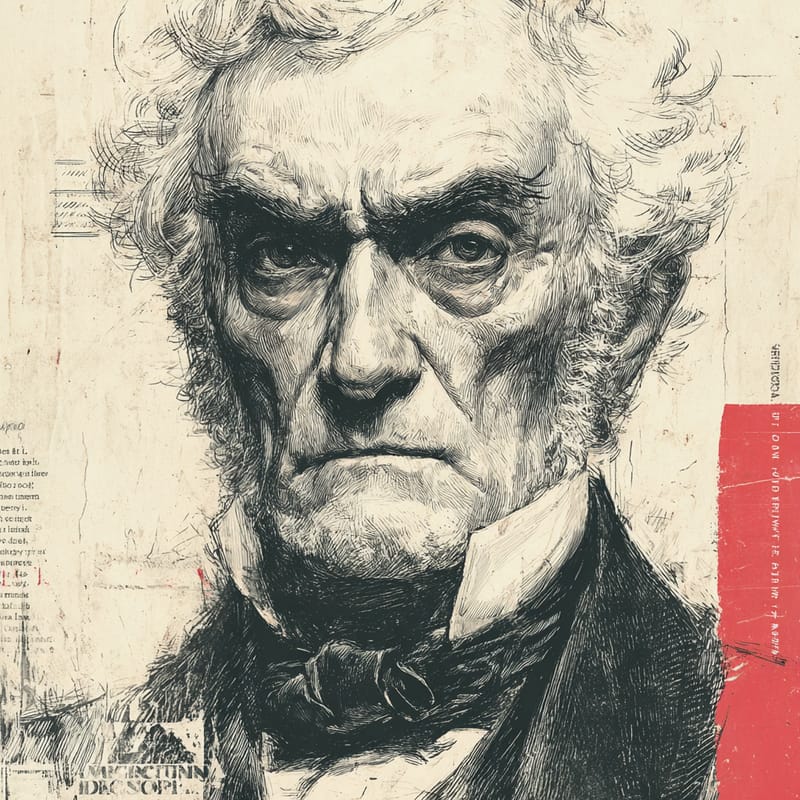
William Gladstone
The Grand Old Man
Free trade, retrenchment, and reform.
Rooted Classical LiberalOne of 729 ideologies · enter the Classical Liberal hall →- Role
- Prime Minister
- Era
- 1809–1898
- Region
- United Kingdom
- Social band
- Rooted
- Placement
- +50 · −42 · −15
§ Where William Gladstone stands
3 axesGladstone's budgets of 1853 and 1860 swept away hundreds of tariffs and held spending down, and in 1861 he abolished the paper duty that taxed newspapers and books. He preached peace, retrenchment and reform and wanted money left to fructify in the pockets of the people. Yet his Irish Land Acts of 1870 and 1881 restricted landlords' freedom to set rents and evict, which tempers his laissez-faire.
Gladstone widened political liberty step by step: the Ballot Act of 1872 introduced the secret ballot, the 1884 Reform Act extended the vote to most rural male householders, and his Home Rule bills of 1886 and 1893 sought self-government for Ireland. He nonetheless passed coercion acts in Ireland and ordered the occupation of Egypt in 1882, so his liberalism stopped short of the libertarian pole.
A devout High Anglican who wrote extensively on theology and Homer, Gladstone brought Christian moralism to politics, denouncing Ottoman atrocities in The Bulgarian Horrors and the Question of the East (1876). He disestablished the Church of Ireland in 1869 and opened Oxford and Cambridge to non-Anglicans in 1871, but opposed votes for women, which keeps him slightly on the traditional side.
How close are you to William Gladstone?
Three statements, one per axis. Answer them and we’ll drop you on the compass next to them.
§ The story
HistoricalWilliam Ewart Gladstone (1809–1898) was the dominant Liberal statesman of Victorian Britain and four times prime minister, in 1868–74, 1880–85, 1886 and 1892–94. The son of a wealthy Liverpool merchant who owned plantations in the West Indies, he was educated at Eton and Oxford and entered Parliament in 1832 as a High Tory. Under Sir Robert Peel he became a free trader, and as Chancellor of the Exchequer in the 1850s and 1860s he set the pattern of Victorian public finance.
Gladstone's first ministry disestablished the Church of Ireland, introduced the secret ballot, opened the civil service to competitive examination and created a national system of elementary schools. His Midlothian campaign of 1879–80 pioneered mass political oratory, and his conversion to Irish Home Rule in 1886 split the Liberal Party; a second bill was blocked by the Lords in 1893. Critics point to the occupation of Egypt in 1882 and coercion in Ireland, and to his defence of the planters' interests during the abolition of slavery in the 1830s.
Notable for
- 01Four times prime minister
- 02Free-trade budgets
- 03Expanded the franchise
Key works & moments
- 1853Presents his first budget as Chancellor, cutting tariffs and planning an end to income tax.
- 1860His budget and the Cobden–Chevalier treaty sweep away most remaining British tariffs.
- 1868Becomes prime minister for the first time, declaring his mission to pacify Ireland.
- 1872His government's Ballot Act introduces the secret ballot.
- 1879–80The Midlothian campaign attacks Disraeli's foreign policy in mass public speeches.
- 1886Introduces the first Irish Home Rule Bill; its defeat splits the Liberal Party.
In their own words
“My mission is to pacify Ireland.”
§ Minds closest to William Gladstone
All minds →

§ Also in the Classical Liberal hall
Enter the hall →§ Common questions
4 answersWhat was William Gladstone's political ideology?
William Gladstone was the archetypal Victorian Liberal: on the 99ideologies three-axis compass, a Rooted Classical Liberal. Economically he sat clearly on the market side (+50), championing free trade, low taxation and balanced budgets. On governance he leaned liberal (−42), extending the vote, introducing the secret ballot and seeking Home Rule for Ireland. Socially he was slightly traditional (−15), a devout Anglican moralist who curbed church privileges yet opposed votes for women.
Was William Gladstone left-wing or right-wing?
He moved from right to left over his career. Gladstone entered Parliament as a High Tory defender of the established church, became a Peelite free trader and ended as leader of the Liberal Party and of the radical cause of Irish Home Rule. In Victorian terms he was the great figure of the left. By modern standards his economics of sound money and minimal spending look conservative, and his religious moralism was traditional, so he is best called a classical liberal.
Why did Gladstone support Irish Home Rule?
Because he concluded that Ireland could be governed justly only with its own parliament. After land reform and church disestablishment failed to end Irish unrest, and after Charles Stewart Parnell's Irish nationalists won most Irish seats at the 1885 election, Gladstone introduced a bill in 1886 for a Dublin parliament handling Irish domestic affairs. It was defeated when Liberal Unionists broke away from his party. His second bill passed the Commons in 1893 but was rejected by the House of Lords.
Which minds are closest to William Gladstone?
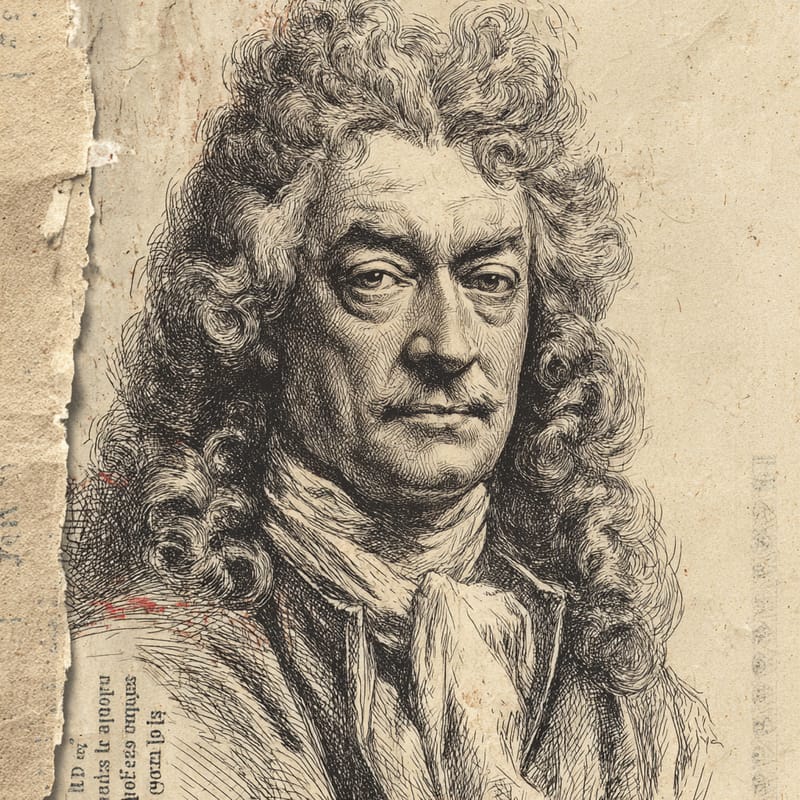
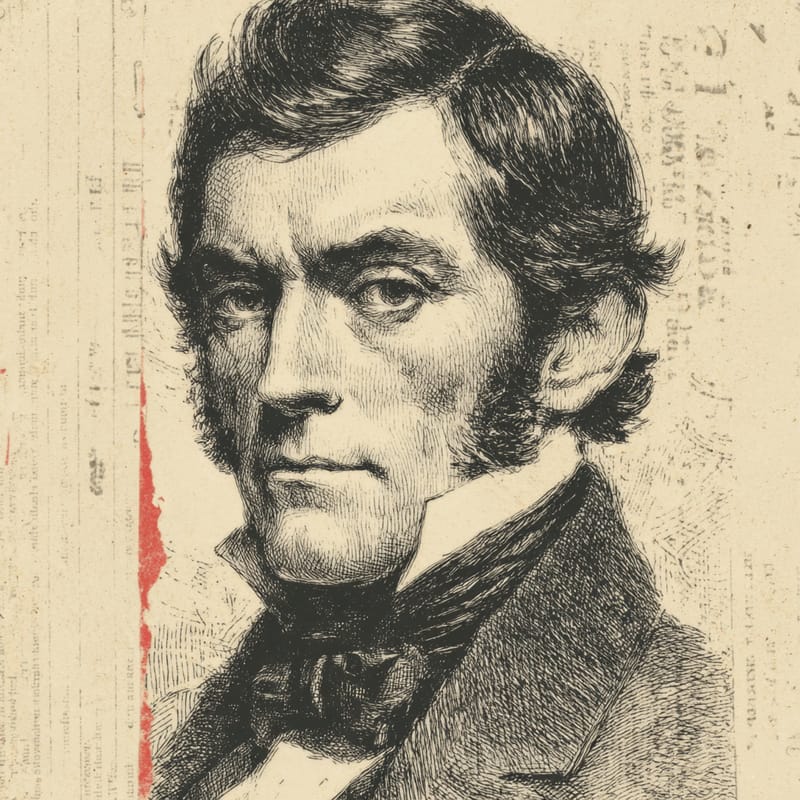
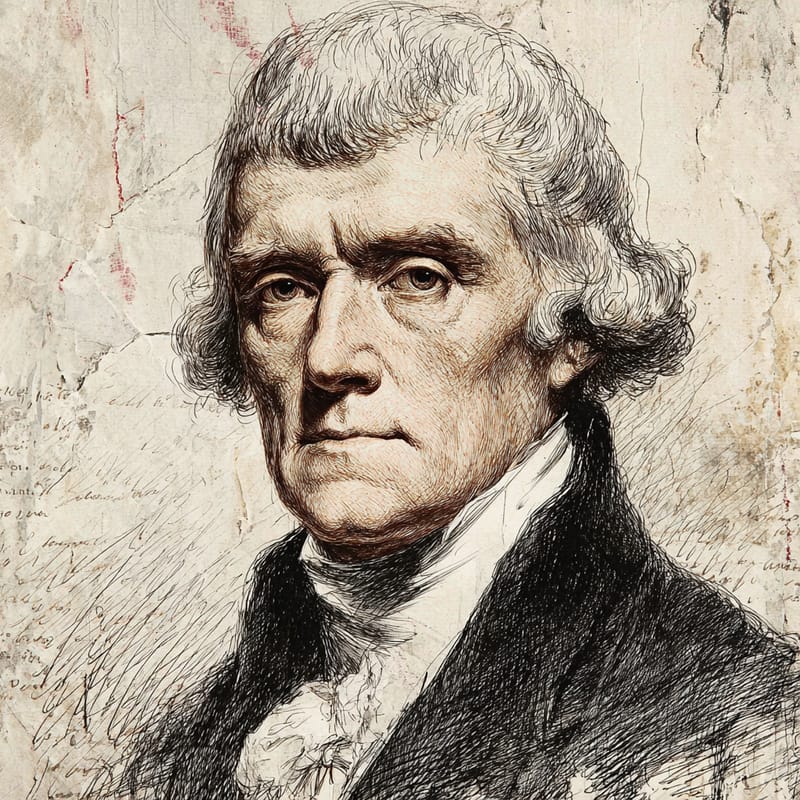
On the 99ideologies three-axis compass, the minds closest to William Gladstone are Alexis de Tocqueville (98% alike), Friedrich Hayek (96% alike) and Ludwig von Mises (95% alike). The furthest is Pol Pot (12% alike).