
Pol Pot
Year Zero
Agrarian communism by annihilation.
Reformist Stalinist-MarxistOne of 729 ideologies · enter the Stalinist-Marxist hall →- Role
- Khmer Rouge leader
- Era
- 1925–1998
- Region
- Cambodia
- Social band
- Reformist
- Placement
- −100 · +99 · +60
§ Where Pol Pot stands
3 axesPol Pot pushed collectivism further than any other communist ruler: in 1975 Democratic Kampuchea abolished money, markets and private property, and the national bank building in Phnom Penh was blown up. The population was organised into rural cooperatives with communal kitchens, and a four-year plan drafted in 1976 demanded three tonnes of rice per hectare, a target that drove famine.
Democratic Kampuchea was ruled in secret by Angkar, 'the Organisation', with no courts, no genuine elections and no freedom of movement. Suspected enemies, including thousands of purged party cadres, were tortured and killed at prisons such as S-21 at Tuol Sleng, from which only a handful of the many thousands detained emerged alive, and in 1978 Pol Pot unleashed a bloody purge of the Eastern Zone.
The regime set out to erase the old Cambodia: from April 1975 Buddhist monks were defrocked and pagodas closed, family life was subordinated to the collective, and teachers, doctors and anyone deemed an intellectual fell under suspicion. That total assault on inherited tradition places it toward the progressive pole of the compass, although nothing about its rigid, racialised order was liberating.
How close are you to Pol Pot?
Three statements, one per axis. Answer them and we’ll drop you on the compass next to them.
§ The story
HistoricalPol Pot, born Saloth Sar (1925–1998), led the Communist Party of Kampuchea and ruled Cambodia as head of the Khmer Rouge regime from 1975 to 1979. The son of prosperous farmers in Kampong Thom province, he won a scholarship to study radio electronics in Paris from 1949 to 1953, where he joined Cambodian Marxist student circles. Back home he taught at a private school while organising in secret, became the party's secretary in 1963 and left Phnom Penh to lead its rural insurgency.
After the Khmer Rouge took Phnom Penh on 17 April 1975, Pol Pot's Democratic Kampuchea emptied the cities, abolished money, markets, schools and religion, and drove the population into forced agricultural labour. Execution, starvation, overwork and disease killed an estimated 1.5–2 million people, roughly a fifth to a quarter of the population, and ethnic Vietnamese and Cham Muslims were singled out; in 2018 a UN-backed tribunal convicted two surviving senior leaders of genocide. A Vietnamese invasion ousted him in January 1979, but he led the insurgency for years more and died in 1998 without facing trial.
Notable for
- 01Led the Khmer Rouge
- 02Emptied Cambodia's cities
- 03The Cambodian genocide
Key works & moments
- 1949–53Studies radio electronics in Paris on a scholarship and joins Cambodian Marxist student circles.
- 1963Becomes secretary of the Cambodian communist party and leaves Phnom Penh to lead the insurgency.
- 1975The Khmer Rouge seize Phnom Penh on 17 April and force its entire population into the countryside.
- 1976Becomes prime minister of Democratic Kampuchea; a new four-year plan sets impossible rice quotas.
- 1979Vietnamese forces capture Phnom Penh on 7 January, driving the Khmer Rouge to the Thai border.
- 1997–98His own movement tries him and holds him under house arrest; he dies in April 1998.
§ Minds closest to Pol Pot
All minds →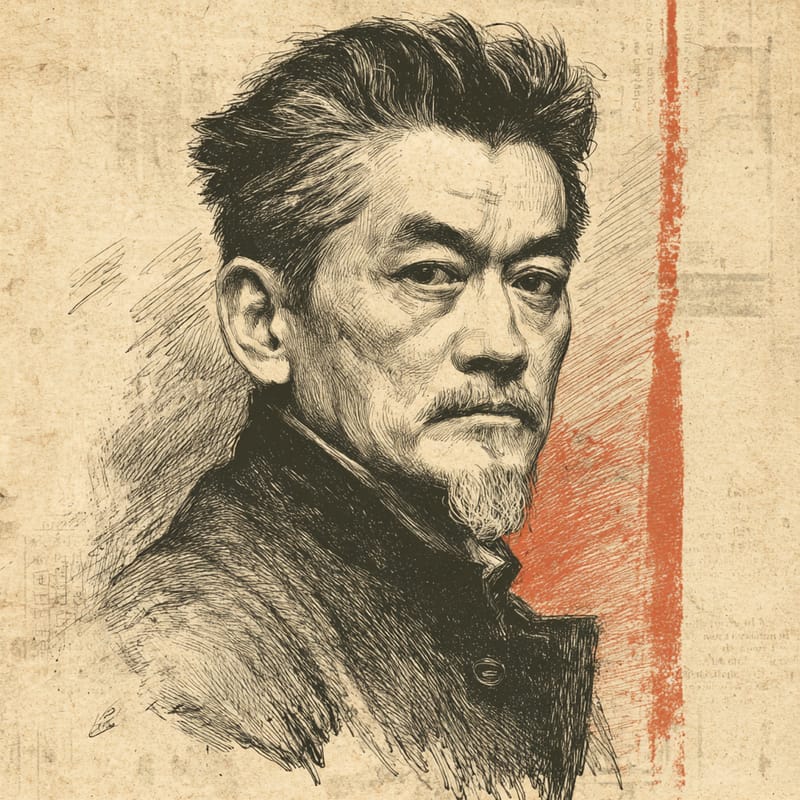
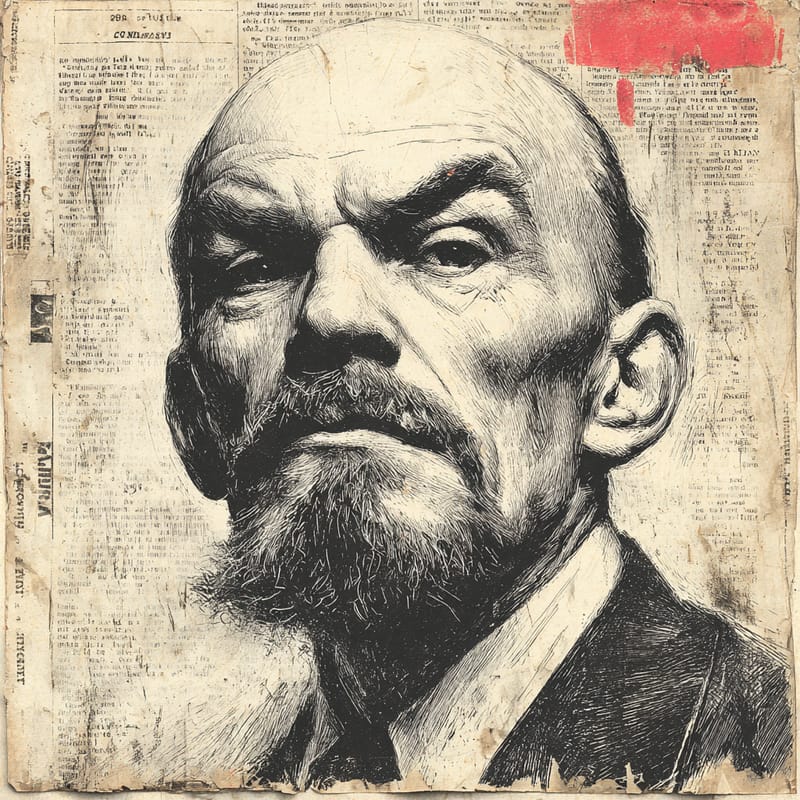
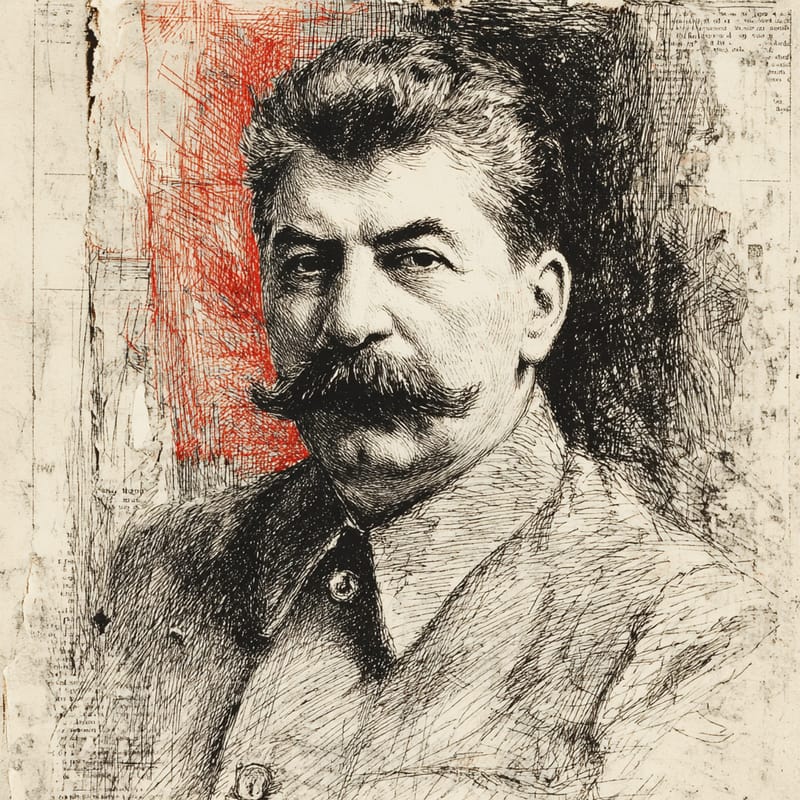
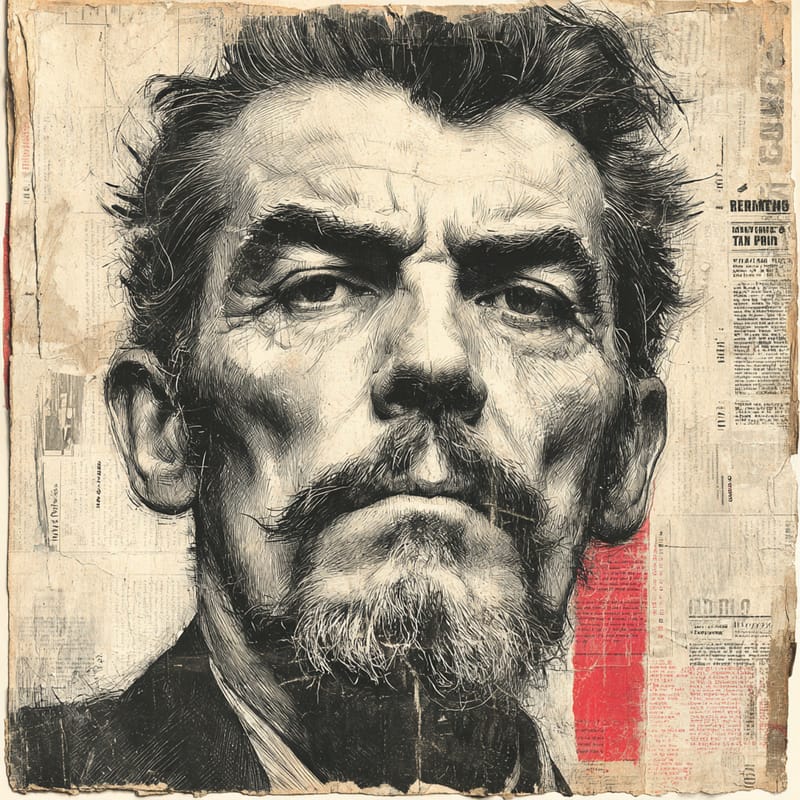

§ Also in the Stalinist-Marxist hall
Enter the hall →§ Common questions
4 answersWhat was Pol Pot's political ideology?
Pol Pot was an agrarian communist: on the 99ideologies three-axis compass, a Reformist Stalinist-Marxist. Economically he sat at the far-left extreme (−100), abolishing money, markets and private property outright. On governance he was near the authoritarian maximum (+99), ruling through a secret party and mass terror, and socially he leaned progressive (+60) in the compass's sense of rejecting inherited tradition, waging war on Buddhism, family life, cities and education.
Was Pol Pot left-wing or right-wing?
Left-wing, at the most extreme end. Pol Pot led a Marxist-Leninist party that abolished private property, money and markets and forced the whole population into collective farms, which places him at the far left economically. His regime was also among the most authoritarian in modern history, and its persecution of Vietnamese and Cham minorities and its xenophobic nationalism echo traits usually associated with the far right, but his core programme was a radical communist one.
Was Pol Pot a communist?
Yes. Pol Pot joined Marxist circles as a student in Paris, led the Communist Party of Kampuchea from 1963 and, on taking power in 1975, abolished private property, money and markets. His regime drew heavily on Maoist ideas of peasant revolution and received Chinese aid, although the party only publicly acknowledged its own existence in 1977. Soviet-aligned communist states condemned his rule, and communist Vietnam overthrew him in 1979, but his ideology was an ultra-collectivist form of Marxism-Leninism.
Which minds are closest to Pol Pot?
On the 99ideologies three-axis compass, the minds closest to Pol Pot are Mao Zedong (92% alike), Vladimir Lenin (90% alike) and Joseph Stalin (88% alike). The furthest is Hans-Hermann Hoppe (0% alike).