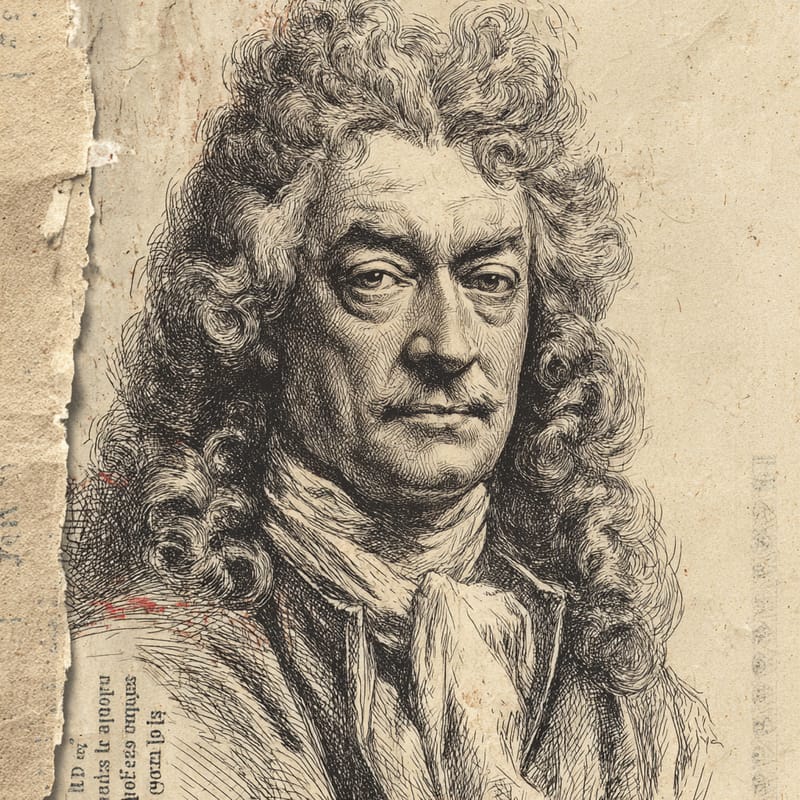
John Locke
Life, liberty, property
Government by consent; natural rights.
Classical LiberalOne of 729 ideologies · enter the Classical Liberal hall →- Role
- Philosopher
- Era
- 1632–1704
- Region
- England
- Social band
- Centre (no modifier)
- Placement
- +42 · −46 · −5
§ Where John Locke stands
3 axesLocke's Second Treatise (1689) derives property from labour: by mixing work with unowned land a person makes it his own, and the introduction of money legitimately permits unequal estates. He limited acquisition with provisos against spoilage and for leaving enough for others, and as a Board of Trade commissioner from 1696 he served a mercantile state, which keeps him short of the market pole.
Locke argued that governments exist only to preserve life, liberty and property, that their authority rests on consent and that a people may resist and replace a ruler who betrays that trust. The Two Treatises (1689) justified the Glorious Revolution and its limits on the Crown. He still gave the executive a broad prerogative to act for the public good without law, which keeps him from the libertarian edge.
Locke's A Letter Concerning Toleration (1689) argued that the state has no business saving souls and that persecution cannot produce genuine belief, a landmark for religious freedom. Yet his toleration excluded atheists and Catholics, he wrote as a devout if unorthodox Protestant in The Reasonableness of Christianity (1695), and he invested in the slave trade, which leaves him just on the traditional side.
How close are you to John Locke?
Three statements, one per axis. Answer them and we’ll drop you on the compass next to them.
§ The story
HistoricalJohn Locke (1632–1704) was an English philosopher and physician, born in Wrington, Somerset, and educated at Westminster School and Christ Church, Oxford. In 1667 he joined the household of Anthony Ashley Cooper, later Earl of Shaftesbury, the leader of the Whig opposition to the Catholic heir James, and he followed his patron into political danger, spending 1683 to 1689 in exile in the Netherlands. He returned after the Glorious Revolution and published his major works in quick succession.
Locke's Two Treatises of Government (1689) grounded political authority in the consent of the governed and defended a right to resist rulers who violate natural rights, while his Essay Concerning Human Understanding made him the founder of British empiricism. His ideas shaped the American Declaration of Independence and liberal constitutionalism generally. His record is also entangled with slavery: he invested in the Royal African Company and helped draft the Fundamental Constitutions of Carolina (1669), which gave colonists absolute power over enslaved Africans.
Notable for
- 01'Two Treatises of Government'
- 02'A Letter Concerning Toleration'
- 03Natural-rights theory
Key works & moments
- 1667Joins the household of Anthony Ashley Cooper, future Earl of Shaftesbury and Whig leader.
- 1669Helps draft the Fundamental Constitutions of Carolina.
- 1683Flees to the Netherlands as Shaftesbury's circle falls under suspicion after the Rye House Plot.
- 1689Publishes Two Treatises of Government and A Letter Concerning Toleration anonymously.
- 1690An Essay Concerning Human Understanding appears, founding British empiricism.
- 1696Appointed to the Board of Trade, serving until 1700.
In their own words
“Being all equal and independent, no one ought to harm another in his life, health, liberty, or possessions.”
“The great and chief end, therefore, of men's uniting into commonwealths, and putting themselves under government, is the preservation of their property.”
§ Minds closest to John Locke
All minds →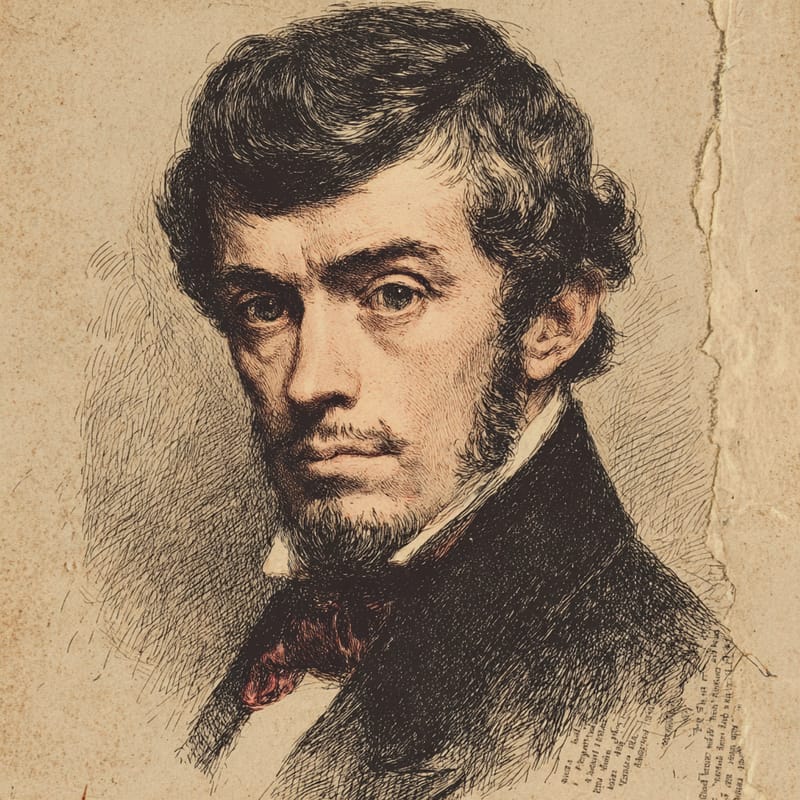

§ Also in the Classical Liberal hall
Enter the hall →§ Common questions
4 answersWhat was John Locke's political ideology?
John Locke was the founding theorist of liberalism: on the 99ideologies three-axis compass, a Classical Liberal. Economically he leaned clearly to the market side (+42), deriving property from labour and treating its protection as a chief purpose of government. On governance he favoured limited, consensual rule (−46), defending a right to resist tyrants. Socially he sat just on the traditional side (−5): a pioneer of religious toleration who nonetheless excluded atheists and Catholics and profited from the slave trade.
Was John Locke left-wing or right-wing?
Neither, by modern standards, though he was on the radical side in his own day. As a Whig, Locke argued against the absolute monarchy defended by royalists and justified resistance to James II, which made him a hero of eighteenth-century radicals and American revolutionaries. Today his defence of property and limited government is claimed chiefly by libertarians and conservatives, while his theory of consent and rights underlies liberal democracy across the spectrum.
Did John Locke support slavery?
His record contradicts his theory. In the Two Treatises Locke called slavery a vile and miserable estate and allowed it only for captives taken in a just war, yet he invested in the Royal African Company, which traded enslaved Africans, and helped draft the Fundamental Constitutions of Carolina (1669), which gave every freeman absolute power over his enslaved Africans. Scholars still debate how far he endorsed colonial slavery, but his personal involvement with it is well documented.
Which minds are closest to John Locke?
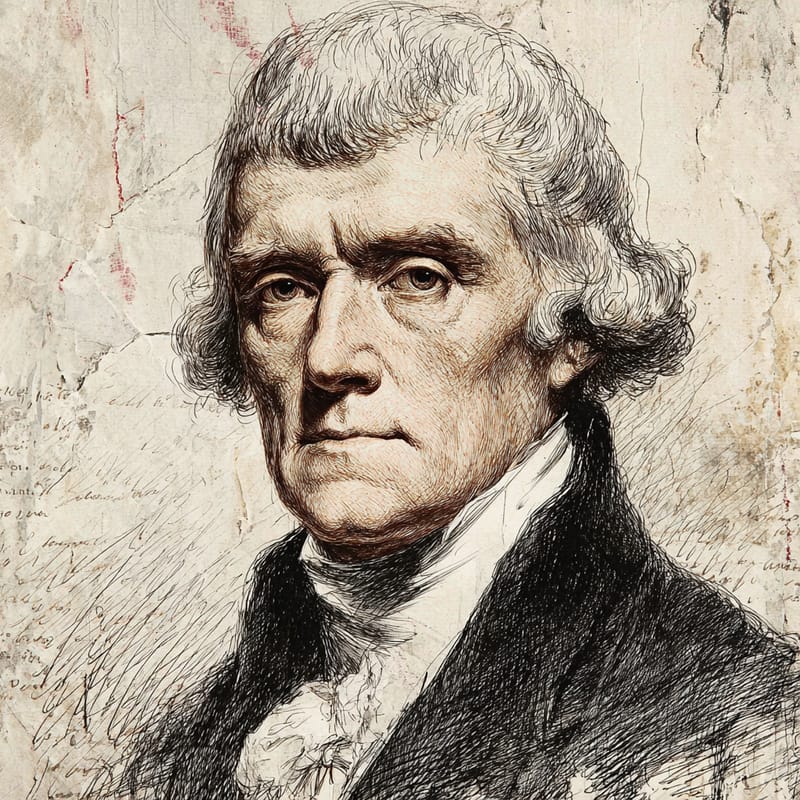
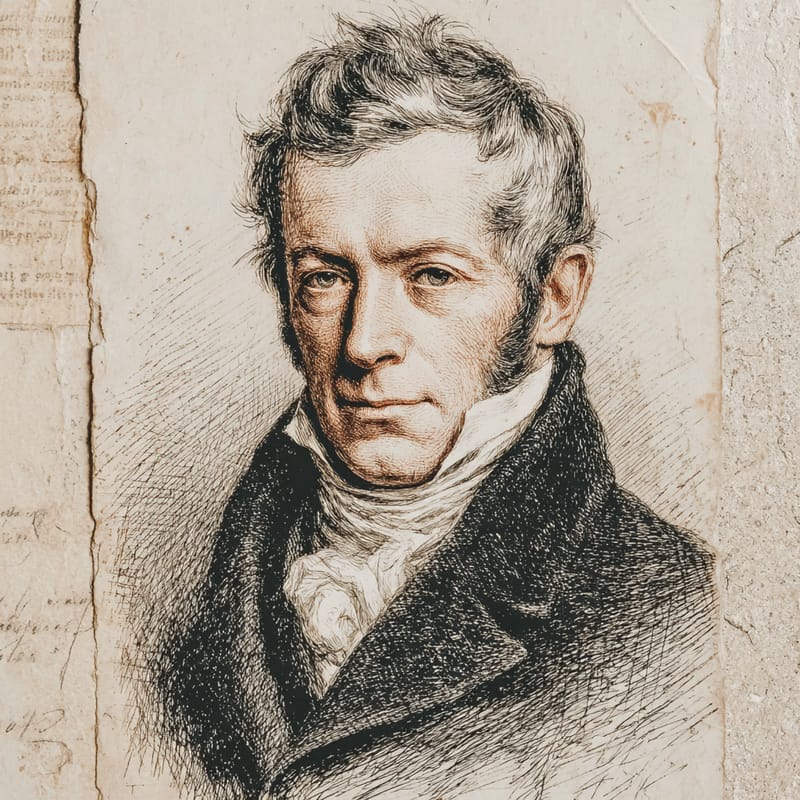
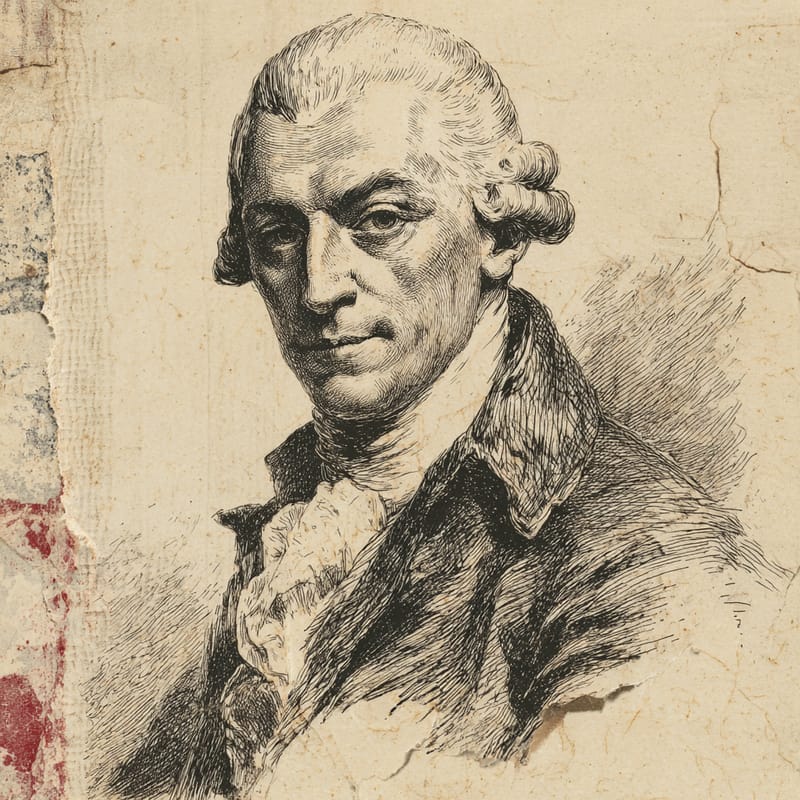
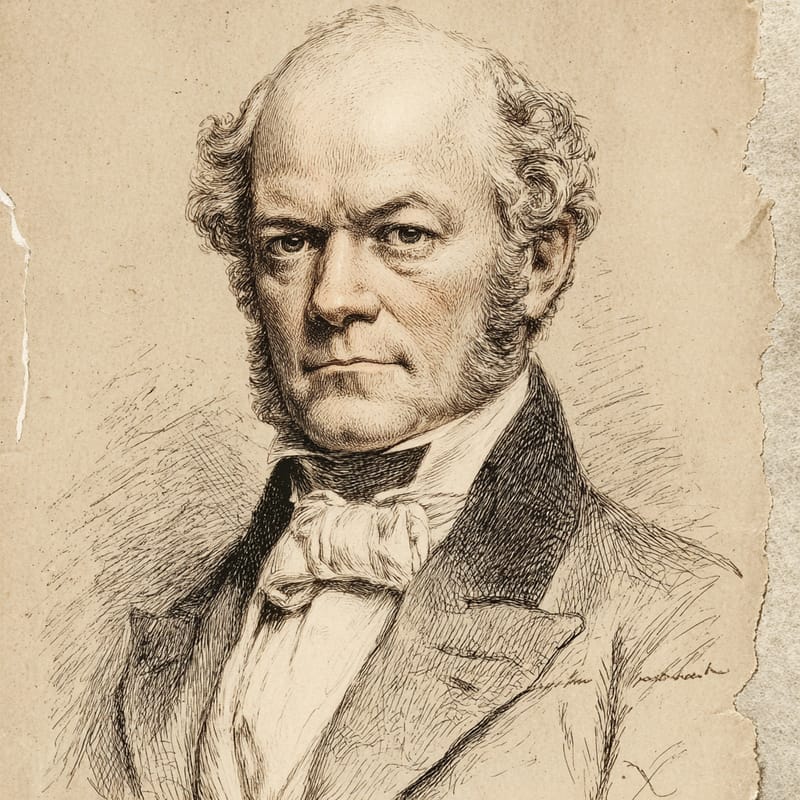
On the 99ideologies three-axis compass, the minds closest to John Locke are Alexis de Tocqueville (97% alike), Thomas Jefferson (96% alike) and William Gladstone (95% alike). The furthest is Pol Pot (15% alike).