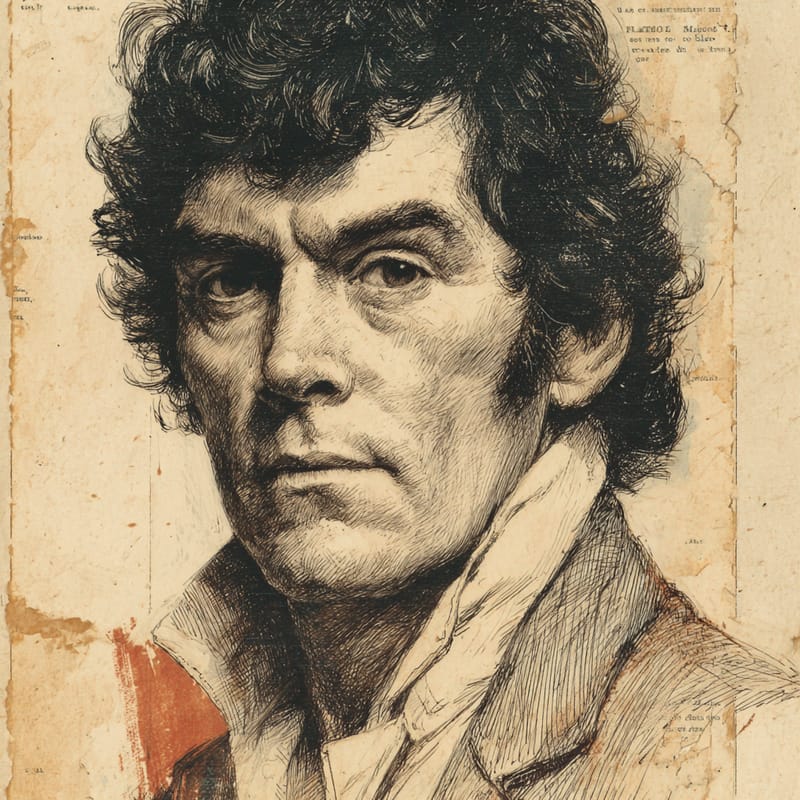
Robert Nozick
The minimal state
Rights as side-constraints; nothing more is justified.
LibertarianOne of 729 ideologies · enter the Libertarian hall →- Role
- Philosopher
- Era
- 1938–2002
- Region
- United States
- Social band
- Centre (no modifier)
- Placement
- +70 · −50 · +5
§ Where Robert Nozick stands
3 axesNozick's entitlement theory holds that a distribution is just if it arose from just acquisition and voluntary transfer, whatever pattern results. In Anarchy, State, and Utopia (1974) he argued that taxing earnings is on a par with forced labour and used Wilt Chamberlain's fans to show that liberty upsets any imposed pattern. His principle of rectifying past injustice adds a caveat that keeps him short of the extreme.
Anarchy, State, and Utopia (1974) argues against both anarchism and the welfare state: a night-watchman state could arise from private protection agencies without violating anyone's rights, but anything more extensive, from redistribution to paternalist laws, would. Nozick treated rights as side-constraints that no government may cross even to secure better outcomes.
Nozick was liberal on personal conduct, holding that adults may do as they please with their own lives, and the utopia section of his 1974 book imagined a framework of voluntary communities, from religious to bohemian, coexisting under a minimal state. That neutrality among ways of life, rather than any progressive programme, places him near the centre of the social axis.
How close are you to Robert Nozick?
Three statements, one per axis. Answer them and we’ll drop you on the compass next to them.
§ The story
HistoricalRobert Nozick (1938–2002) was an American philosopher who taught at Harvard University from 1969 until his death. Born in Brooklyn to a family of Jewish immigrants from Russia, he studied at Columbia and Princeton, where he earned his doctorate in 1963. A socialist as a student, he was drawn to libertarian ideas through the economists of the Austrian school and a long conversation with Murray Rothbard, and he became one of the most wide-ranging philosophers of his generation.
Nozick's Anarchy, State, and Utopia (1974), a reply to his Harvard colleague John Rawls's A Theory of Justice, argued that only a minimal state limited to protecting people against force, theft and fraud can be justified, and it won a National Book Award. It gave libertarianism academic standing and introduced arguments such as the Wilt Chamberlain example and the experience machine. Nozick moved on to epistemology and the meaning of life, and in The Examined Life (1989) called his earlier libertarian position seriously inadequate, a retreat whose extent is still debated.
Notable for
- 01'Anarchy, State, and Utopia'
- 02Entitlement theory of justice
- 03Reply to Rawls
Key works & moments
- 1963Earns his doctorate in philosophy at Princeton.
- 1969Joins the Harvard philosophy department, his academic home until his death.
- 1974Publishes Anarchy, State, and Utopia, a libertarian reply to John Rawls.
- 1975Anarchy, State, and Utopia wins the National Book Award.
- 1981Publishes Philosophical Explanations, turning to knowledge, identity and meaning.
- 1989Publishes The Examined Life, distancing himself from his earlier libertarianism.
In their own words
“Individuals have rights, and there are things no person or group may do to them (without violating their rights).”
“Taxation of earnings from labor is on a par with forced labor.”
§ Minds closest to Robert Nozick
All minds →

§ Also in the Libertarian hall
Enter the hall →§ Common questions
4 answersWhat was Robert Nozick's political ideology?
Robert Nozick was a libertarian philosopher and defender of the minimal state: on the 99ideologies three-axis compass, a Libertarian. Economically he sat well toward the market pole (+70), holding that justly acquired property may not be redistributed by force. On governance he was strongly anti-statist (−50), accepting only a night-watchman state that protects against force, theft and fraud. Socially he sat near the centre (+5), neutral among ways of life so long as they are voluntary.
Was Robert Nozick left-wing or right-wing?
Right-wing in his economics, libertarian rather than conservative overall. Anarchy, State, and Utopia became a key text for opponents of the welfare state and redistribution, and it was embraced by the free-market right of the 1970s and 1980s. But Nozick also rejected paternalist and moral legislation, defended a pluralism of voluntary communities and had been a socialist as a student. Late in life he distanced himself from parts of his libertarian position, further complicating the label.
What is Nozick's entitlement theory of justice?
It is the view that justice depends on how holdings came about, not on their pattern. Nozick argued in Anarchy, State, and Utopia (1974) that a distribution is just if everyone is entitled to what they hold, through just original acquisition, voluntary transfer or the rectification of past injustice. Any theory demanding a particular pattern, such as equality or distribution by need, would require constant interference with free choices, as his Wilt Chamberlain example shows. The theory became the main libertarian challenge to John Rawls.
Which minds are closest to Robert Nozick?
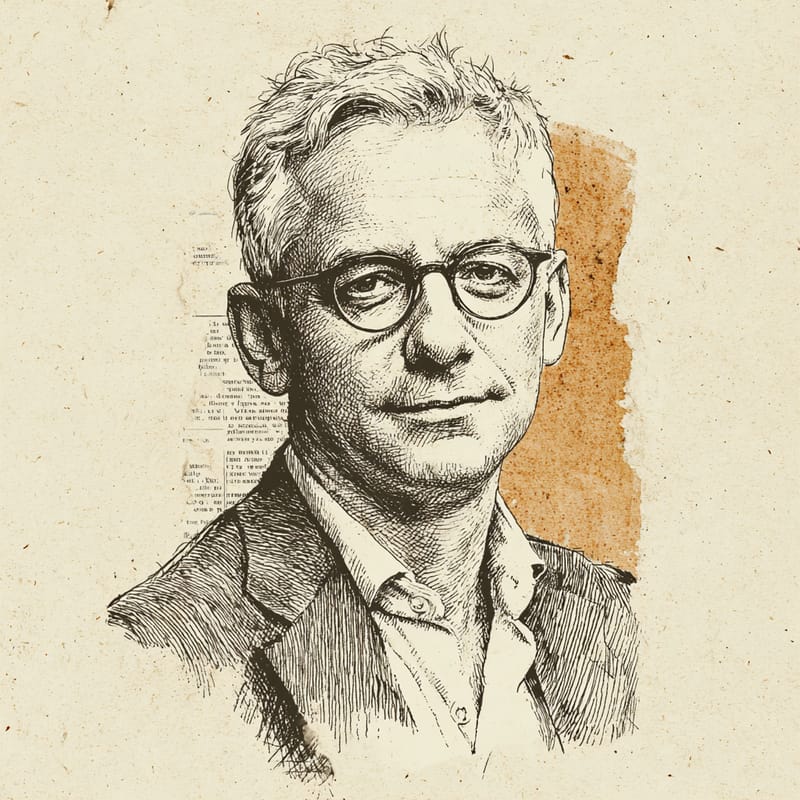
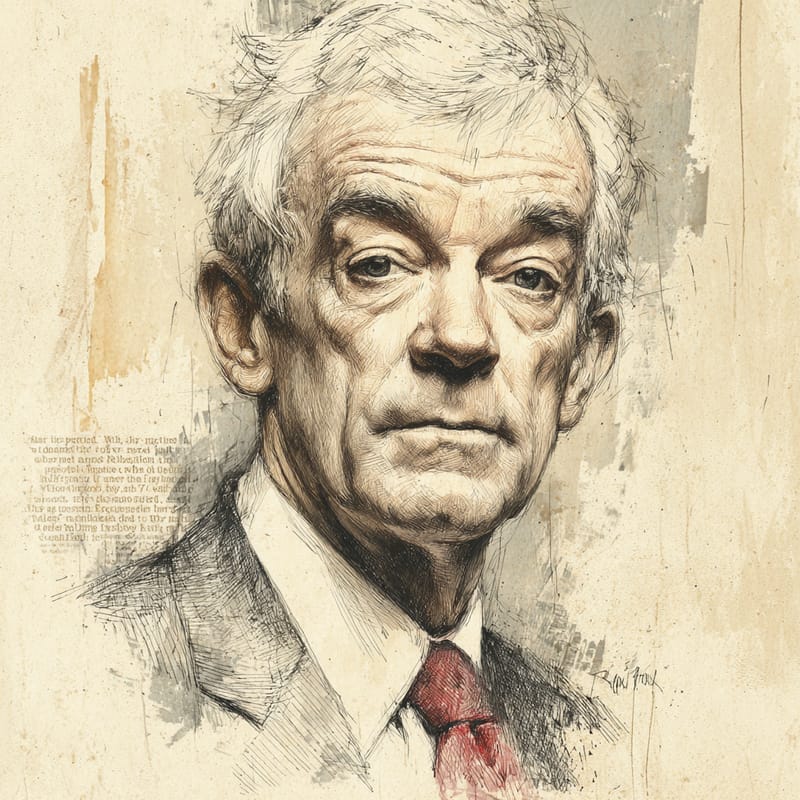
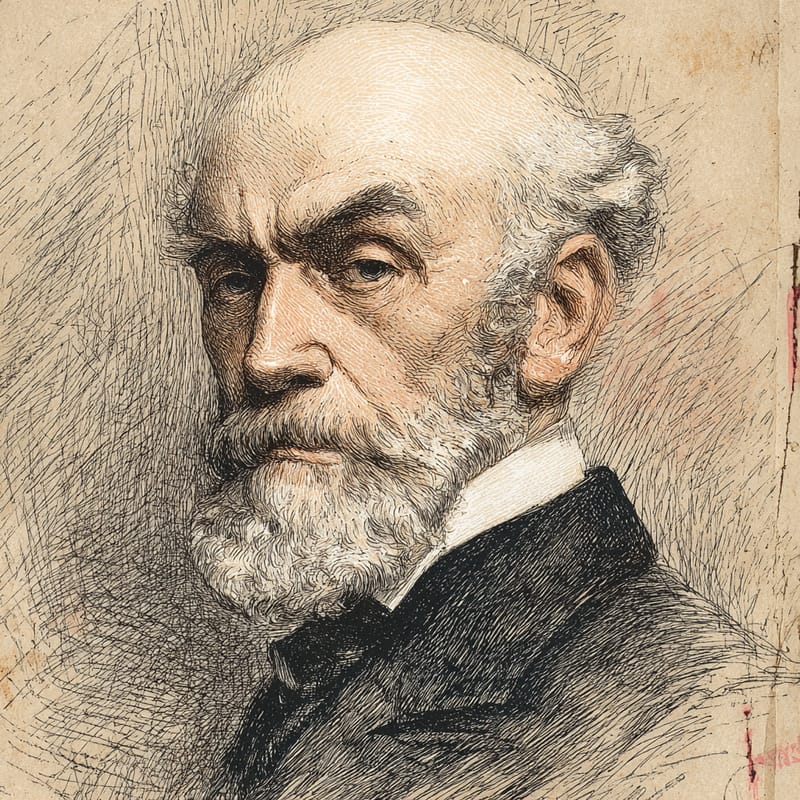
On the 99ideologies three-axis compass, the minds closest to Robert Nozick are John Stossel (96% alike), Frédéric Bastiat (96% alike) and Richard Cobden (95% alike). The furthest is Pol Pot (7% alike).