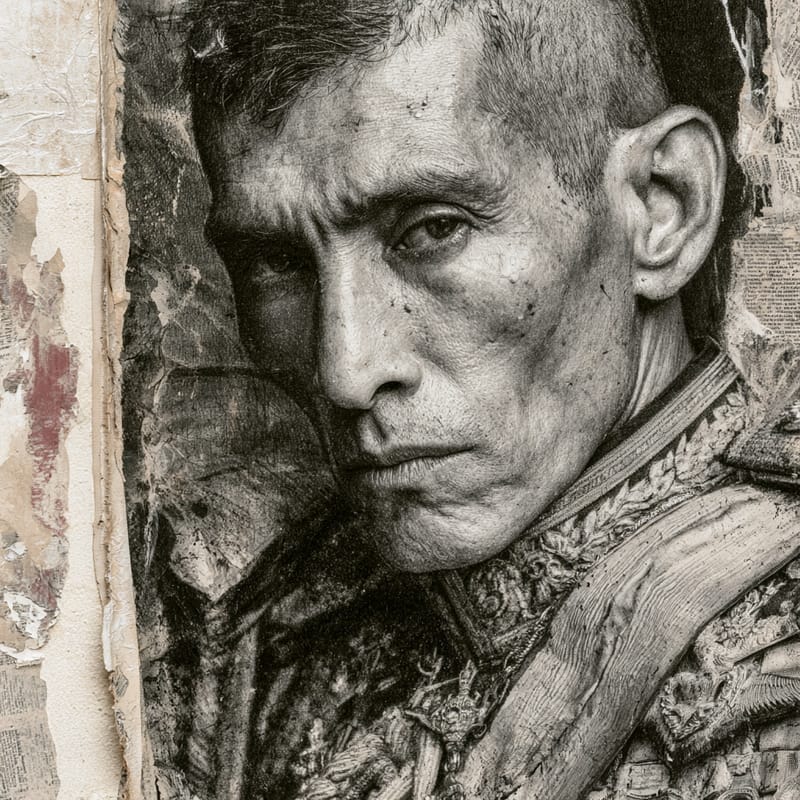
King Maha Vajiralongkorn
Constitutional MonarchistOne of 729 ideologies · enter the Constitutional Monarchist hall →- Role
- —
- Era
- —
- Region
- —
- Social band
- Centre (no modifier)
- Placement
- +50 · +75 · 0
§ Where King Maha Vajiralongkorn stands
3 axesThailand under Vajiralongkorn is a market economy built on manufacturing exports, tourism and foreign investment, and the crown is itself one of its largest capitalists. The Crown Property Bureau holdings registered in his name in 2018 include major stakes in Siam Cement Group and Siam Commercial Bank as well as prime land in Bangkok. That fusion of throne and capital places the monarchy firmly on the market side.
Thailand is formally a constitutional monarchy, but the crown's powers are substantial and protected. Section 112 of the Criminal Code punishes defaming or insulting the king with three to fifteen years in prison per count; the military-drafted 2017 constitution was revised at his request to drop the requirement to appoint a regent when he is abroad; and a 2019 emergency decree moved two infantry regiments to his direct command.
Vajiralongkorn embodies the royal-Buddhist tradition summed up in the Thai creed of nation, religion and king. His 2019 coronation revived Brahmin and Buddhist rites last performed for his father in 1950, and he presided over Bhumibol's elaborate royal cremation in October 2017. In 2024 he gave royal assent to the marriage-equality law passed by parliament, making Thailand the first country in South-East Asia to recognise same-sex marriage.
How close are you to King Maha Vajiralongkorn?
Three statements, one per axis. Answer them and we’ll drop you on the compass next to them.
§ The story
HistoricalMaha Vajiralongkorn (born 1952) is King of Thailand, reigning as Rama X of the Chakri dynasty since the death of his father, King Bhumibol Adulyadej, in October 2016. The only son of Bhumibol and Queen Sirikit, he was educated in Britain and Australia, graduated from the Royal Military College, Duntroon, in 1976 and served as a military officer and pilot. He was named crown prince in 1972 and was formally crowned in elaborate Buddhist and Brahmin rites in May 2019.
His reign has strengthened the crown's institutional position. At his request, provisions on royal powers were changed in the 2017 constitution after voters had approved it in a referendum; a 2017 law placed the Crown Property Bureau under his control, and its holdings were registered in his name in 2018; and two army regiments were moved under his direct command in 2019. Youth-led protests in 2020 openly called for reform of the monarchy, and prosecutions under the lèse-majesté law resumed that November, with hundreds charged.
Key works & moments
- 1972Named crown prince by his father, King Bhumibol Adulyadej.
- 1976Graduates from the Royal Military College, Duntroon, in Australia.
- 2016Accedes to the throne after his father's death on 13 October.
- 2017Requests changes to royal powers in the new constitution before its promulgation in April.
- 2019Crowned in May; two army regiments are transferred to his direct command.
- 2020Youth-led protests openly demand reform of the monarchy.
§ Minds closest to King Maha Vajiralongkorn
All minds →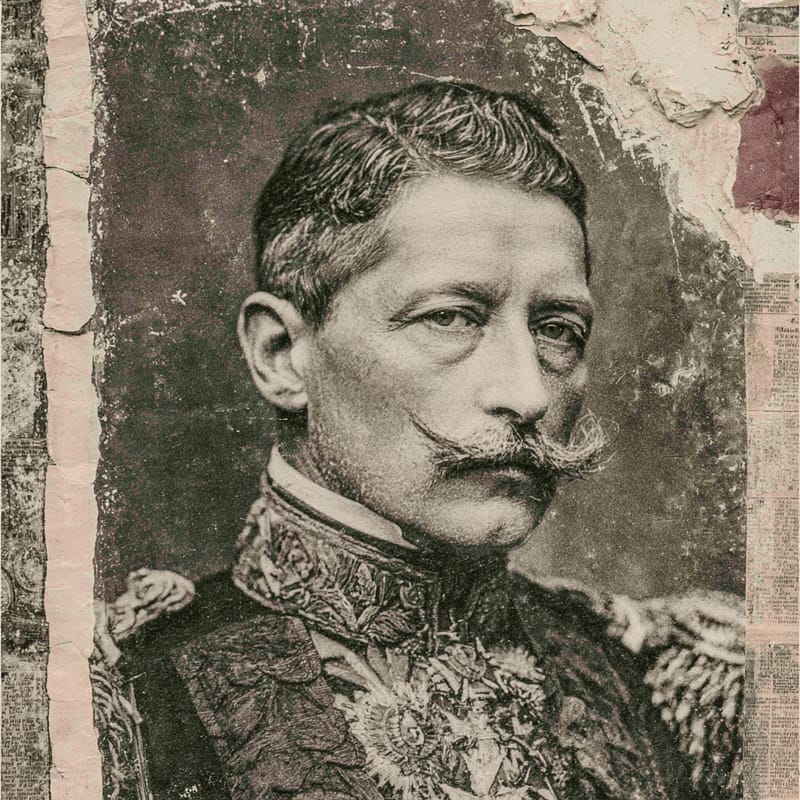


§ Also in the Constitutional Monarchist hall
Enter the hall →§ Common questions
4 answersWhat is King Maha Vajiralongkorn's political ideology?
Vajiralongkorn is a royalist conservative who heads a powerful constitutional monarchy: on the 99ideologies three-axis compass, a Constitutional Monarchist. Economically the crown sits on the market side (+50), presiding over a capitalist economy in which the Crown Property Bureau is itself a leading owner. On governance the monarchy leans strongly toward authority (+75), shielded by the lèse-majesté law and strengthened by the changes of 2017–19. Socially he embodies royal-Buddhist tradition and the creed of nation, religion and king.
Is King Maha Vajiralongkorn left-wing or right-wing?
The Thai monarchy is aligned with the conservative, royalist side of the country's politics. Since the 2000s Thailand's main divide has pitted royalist, military-backed establishment parties against populist and progressive movements, and the crown's institutional powers, its control of royal assets and the regiments placed under the king's command sit on the establishment side. The constitution casts the king as above politics and he does not campaign for parties, but the 2020 protests demanding monarchy reform came from the progressive camp.
What is Thailand's lèse-majesté law?
It is Section 112 of Thailand's Criminal Code, which makes it a crime to defame, insult or threaten the king, the queen, the heir apparent or the regent, punishable by three to fifteen years in prison for each count. Anyone may file a complaint, and sentences for multiple counts can be cumulative, producing very long prison terms. Prosecutions rose after the 2014 coup, were largely suspended from 2018, and resumed in November 2020 in response to protests demanding reform of the monarchy.
Which minds are closest to King Maha Vajiralongkorn?
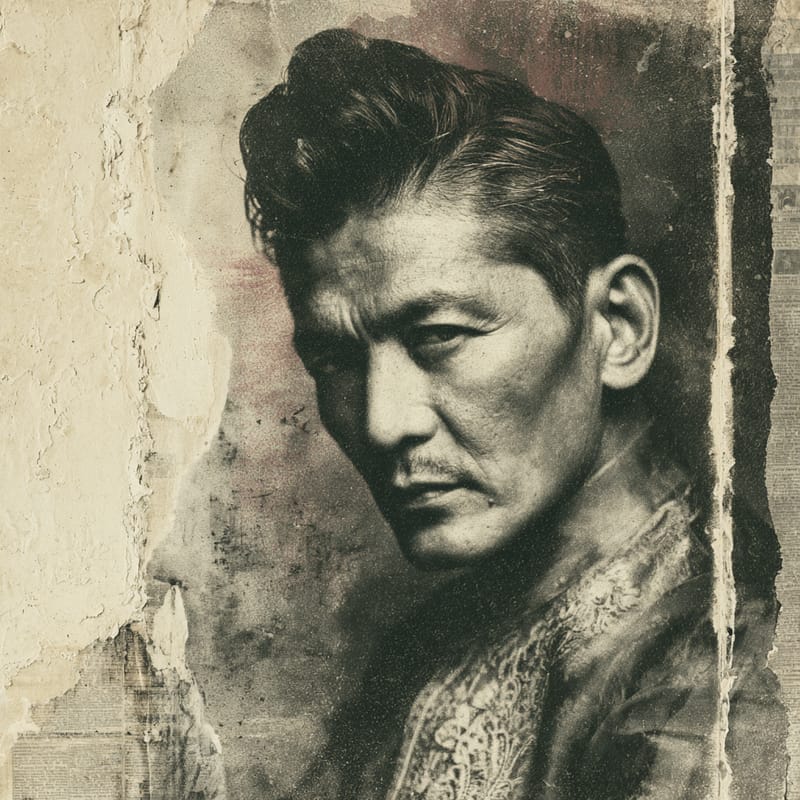
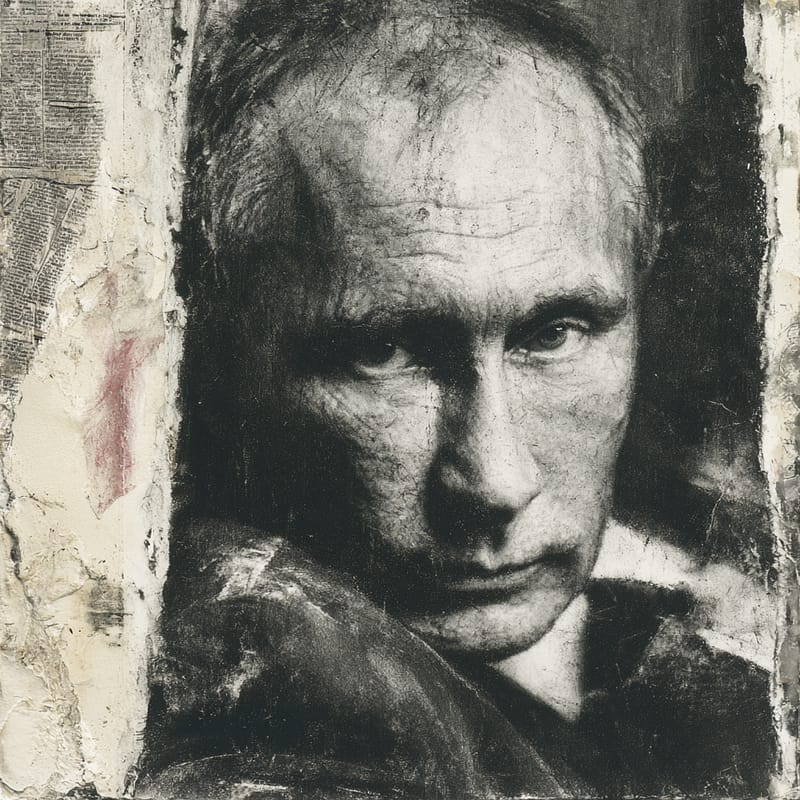
On the 99ideologies three-axis compass, the minds closest to King Maha Vajiralongkorn are Kaiser Wilhelm II (100% alike), Ferdinand Marcos (90% alike) and Vladimir Putin (90% alike). The furthest is Emma Goldman (5% alike).