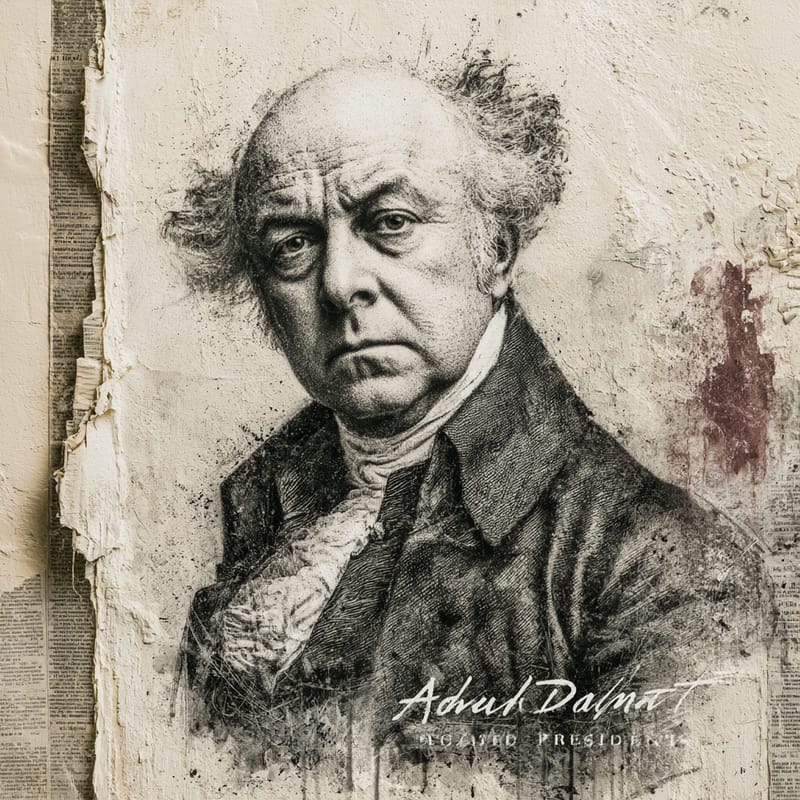
John Adams
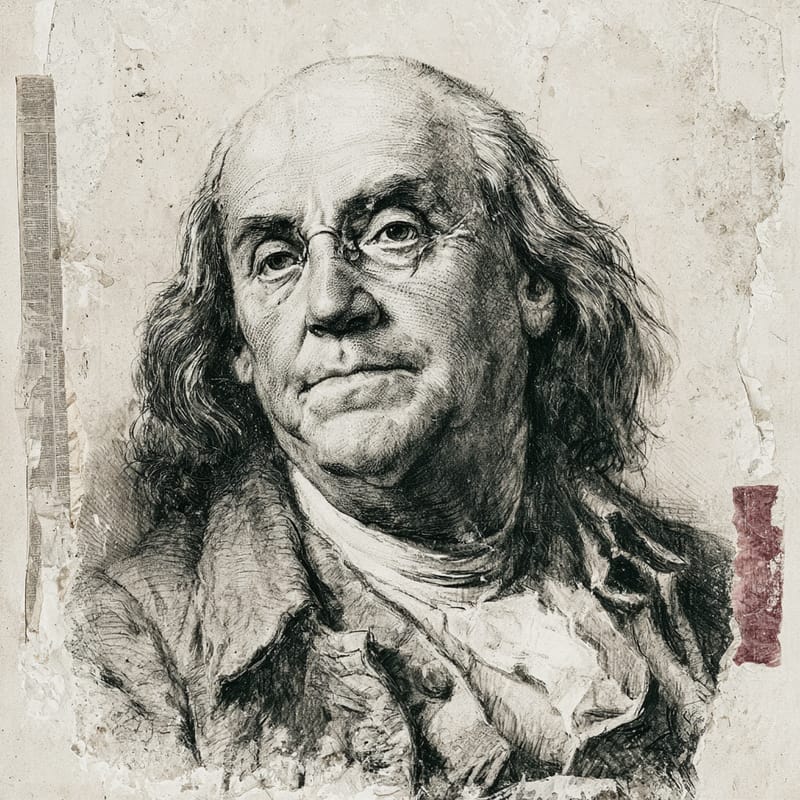
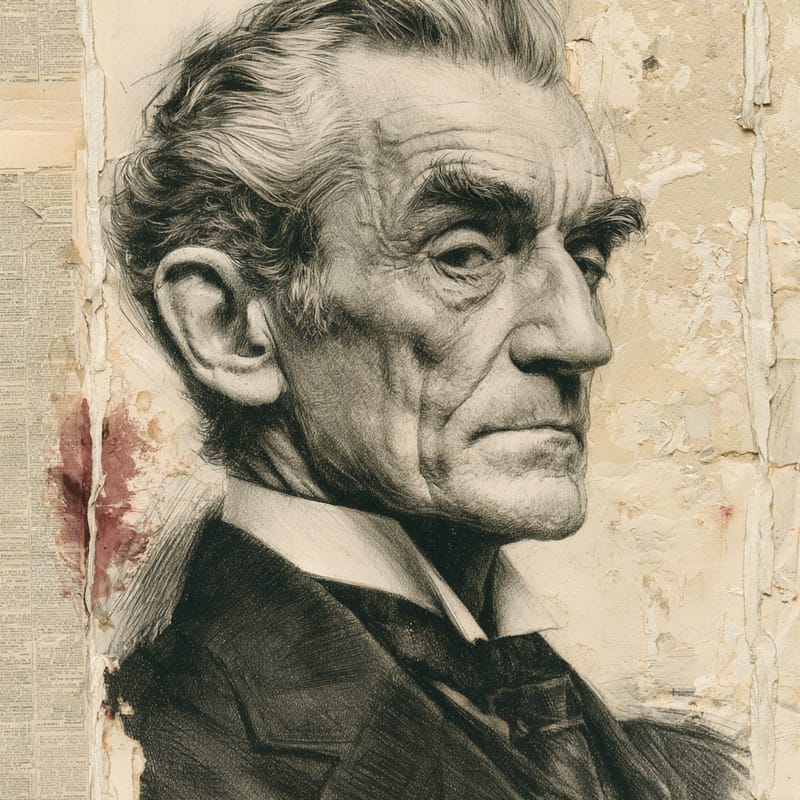
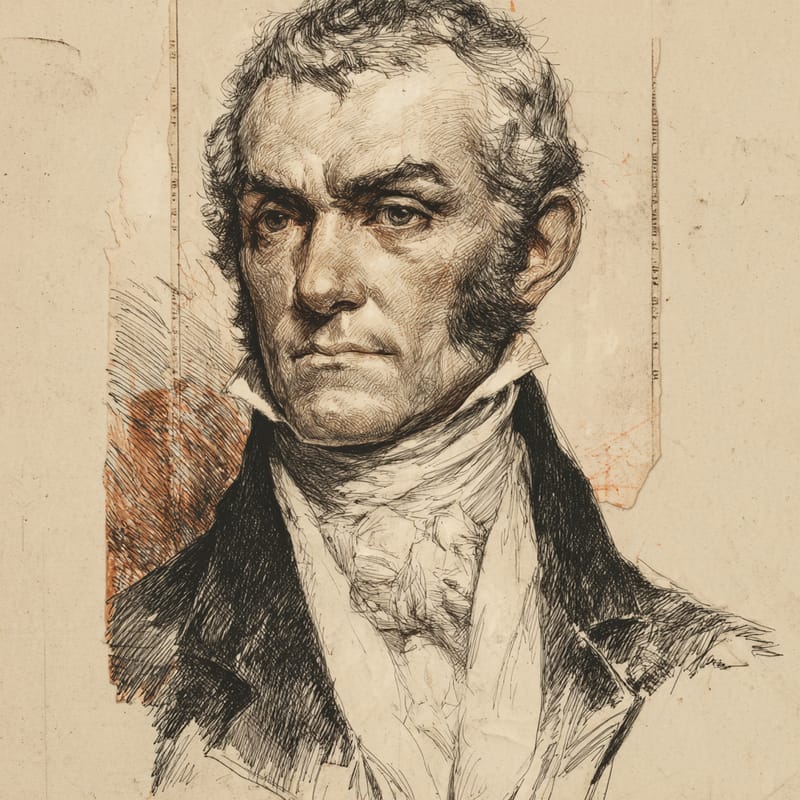
John Adams was the second president of the United States (1797–1801) and a founding architect of the constitutional republic. As a Massachusetts lawyer he had defended British soldiers after the Boston Massacre — an unpopular act of legal principle that defined his career — served on the committee that drafted the Declaration of Independence, and helped negotiate the 1783 Treaty of Paris ending the Revolutionary War. As president he kept the young republic out of the European wars triggered by the French Revolution, but the Federalists' Alien and Sedition Acts (1798) — used to prosecute opposition newspaper editors — became one of the early republic's first civil-liberties controversies and contributed to his single-term presidency. He lost re-election to Jefferson in 1800 in what became the country's first peaceful transfer of power between rival parties. His son John Quincy Adams later served as the sixth president; the two are the only father-son pair before the Bushes.
Two minutes, three axes, 729 named ideologies — and your own affinity score with every mind on this page.
Take the quiz →Visit the Capitalist hall