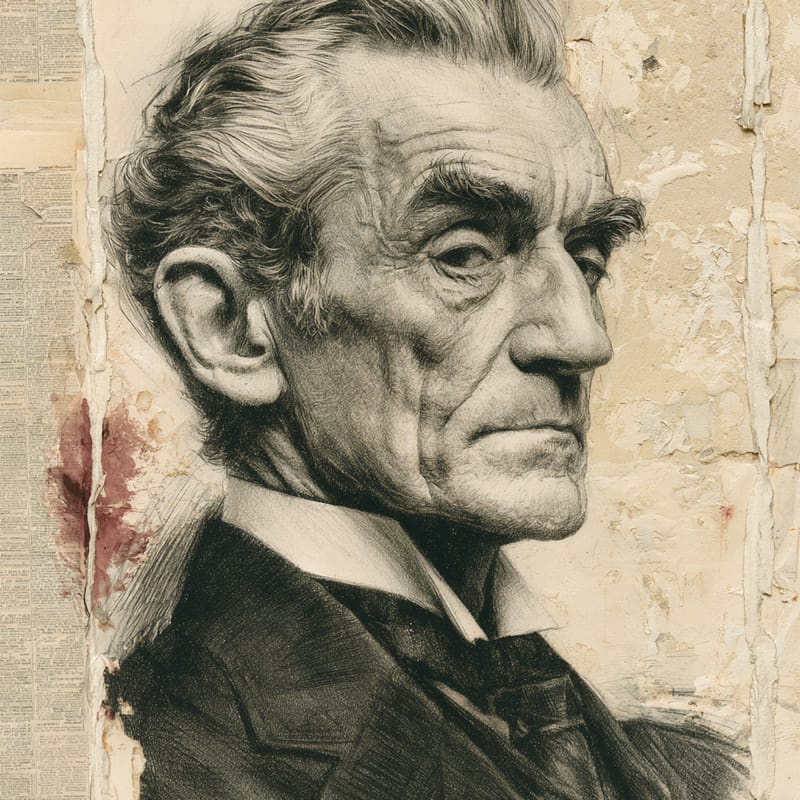
Crawford Murray MacLehose
Conservative CapitalistOne of 729 ideologies · enter the Conservative Capitalist hall →- Role
- —
- Era
- —
- Region
- —
- Social band
- Centre (no modifier)
- Placement
- +100 · +25 · 0
§ Where Crawford Murray MacLehose stands
3 axesHong Kong under MacLehose remained one of the world's freest economies: a free port with low taxes and almost no tariffs, run by financial secretaries committed to what Philip Haddon-Cave called positive non-interventionism. MacLehose expanded public housing, schooling and infrastructure sharply, but financed them from growth and land revenue rather than higher taxes or nationalisation, leaving markets to allocate almost everything else.
MacLehose governed as an appointed colonial administrator with wide formal authority, advised by appointed Executive and Legislative Councils, and he did not introduce elections to the legislature. His priority was stable, clean administration: the Independent Commission Against Corruption, created in 1974 with its own powers of investigation and arrest, took on entrenched police syndicates, though a 1977 police protest forced a partial amnesty.
MacLehose was a paternalist social reformer rather than a social liberal. His government made nine years of schooling free and compulsory by 1978, built new towns such as Sha Tin and Tuen Mun, and protected large areas of countryside under the 1976 Country Parks Ordinance, while enforcing strict controls on illegal immigration from China and ending the 'touch base' policy in 1980.
How close are you to Crawford Murray MacLehose?
Three statements, one per axis. Answer them and we’ll drop you on the compass next to them.
§ The story
HistoricalCrawford Murray MacLehose (1917–2000), later Lord MacLehose of Beoch, was the longest-serving governor of British Hong Kong, in office from 1971 to 1982. A Scot educated at Rugby School and Balliol College, Oxford, he served in China during the Second World War and then built a diplomatic career that included postings as ambassador to South Vietnam and to Denmark, before being appointed governor of the colony in 1971.
MacLehose's governorship transformed the colony's social fabric. He created the Independent Commission Against Corruption in 1974 after a police corruption scandal, launched a ten-year programme to rehouse 1.8 million people in public estates and new towns, extended free education and opened the first country parks and the Mass Transit Railway. In 1979 he visited Beijing and raised the expiry of the New Territories lease with Deng Xiaoping, setting in train the talks that led to the 1997 handover. The Legislative Council remained wholly appointed throughout his tenure.
Key works & moments
- 1971Appointed governor of Hong Kong, beginning more than a decade in office.
- 1972Announces a ten-year housing programme to rehouse 1.8 million people.
- 1974Establishes the Independent Commission Against Corruption after the Godber police scandal.
- 1978Nine years of free, compulsory education are introduced across the colony.
- 1979Raises the expiry of the New Territories lease with Deng Xiaoping in Beijing.
- 1982Retires as governor and is made a life peer as Lord MacLehose of Beoch.
§ Minds closest to Crawford Murray MacLehose
All minds →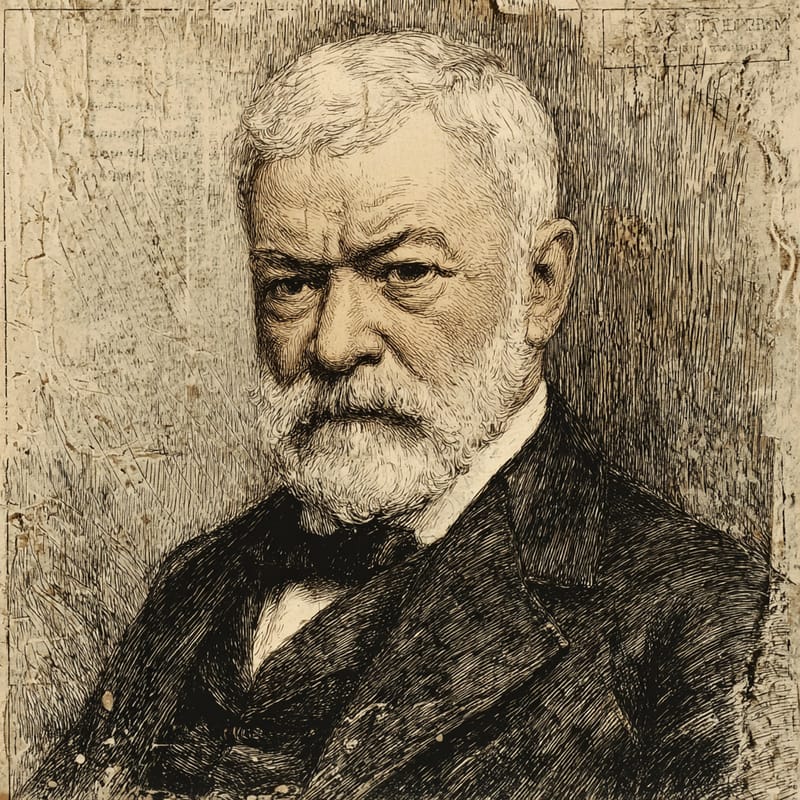


§ Also in the Conservative Capitalist hall
Enter the hall →§ Common questions
4 answersWhat was Crawford Murray MacLehose's political ideology?
MacLehose was a reforming colonial administrator presiding over a laissez-faire economy: on the 99ideologies three-axis compass, a Conservative Capitalist. Economically he sat at the far market end (+100), reflecting Hong Kong's low-tax free port and its policy of positive non-interventionism. On governance he leaned authoritarian (+25), as an appointed governor ruling without an elected legislature but under the rule of law. Socially he was a paternalist reformer who expanded public housing, free schooling and anti-corruption enforcement.
Was Crawford Murray MacLehose left-wing or right-wing?
Neither label fits a colonial governor, but the economic order he presided over was firmly right-wing. MacLehose ran a free-market, low-tax colony with no elected legislature, yet he was also its boldest social spender, launching a programme to rehouse 1.8 million people, extending free education and creating the ICAC. His blend of laissez-faire economics and paternalist welfare made him a pragmatic administrator rather than a partisan, and his reforms are widely seen as foundations of modern Hong Kong.
Why did MacLehose create the ICAC?
Because police corruption had become a public scandal. In 1973 Chief Superintendent Peter Godber, under investigation for unexplained wealth, fled to Britain, provoking public protests. A commission of inquiry under Sir Alastair Blair-Kerr followed, and in February 1974 MacLehose set up the Independent Commission Against Corruption, answerable directly to the governor rather than to the police. It brought Godber back to face trial and transformed Hong Kong's reputation, though a 1977 police protest led MacLehose to grant a partial amnesty for older offences.
Which minds are closest to Crawford Murray MacLehose?
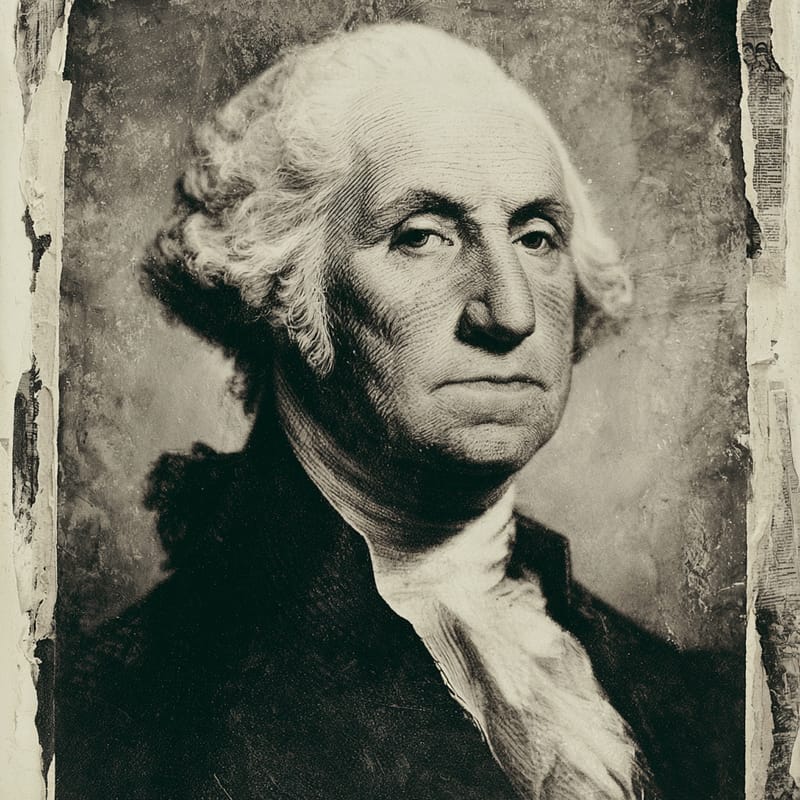
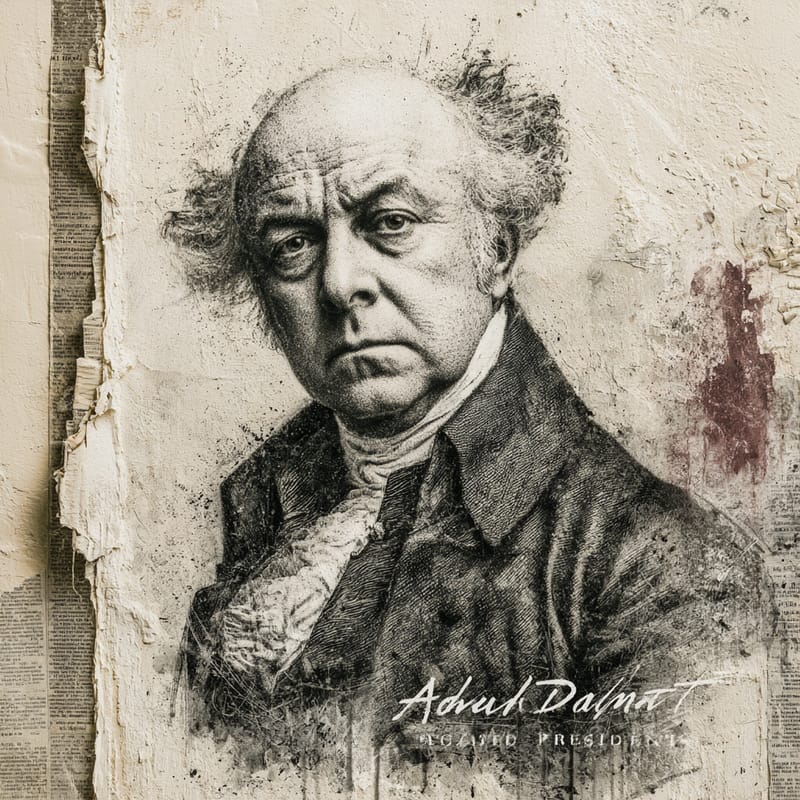
On the 99ideologies three-axis compass, the minds closest to Crawford Murray MacLehose are Andrew Carnegie (91% alike), George Washington (90% alike) and John Adams (90% alike). The furthest is Emma Goldman (3% alike).