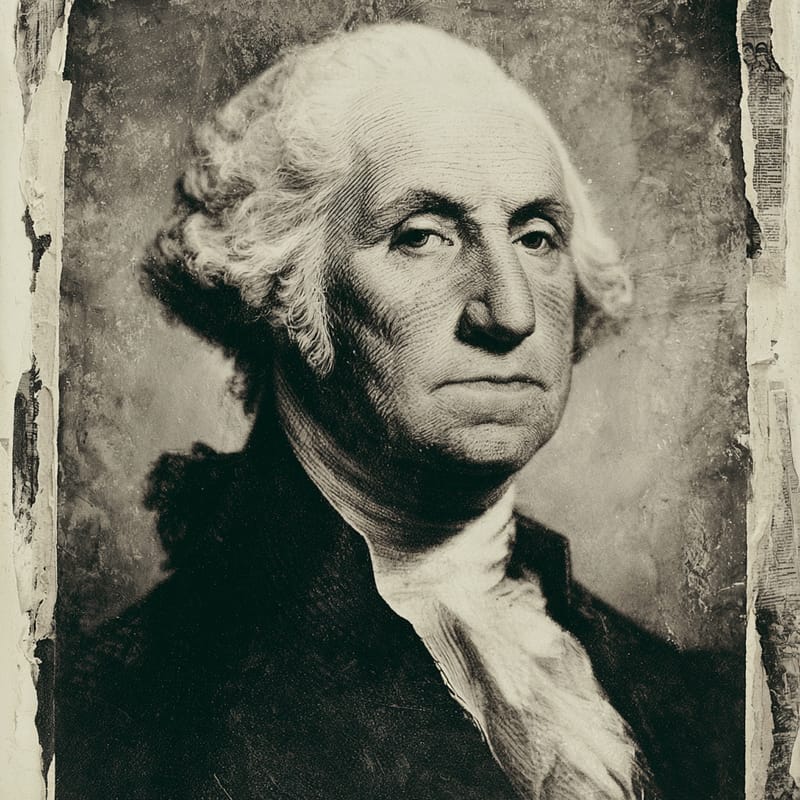
George Washington
CapitalistOne of 729 ideologies · enter the Capitalist hall →- Role
- —
- Era
- —
- Region
- —
- Social band
- Centre (no modifier)
- Placement
- +100 · 0 · 0
§ Where George Washington stands
3 axesWashington was a commercial planter who shifted Mount Vernon from tobacco to wheat, ran a gristmill and, from 1797, a large whiskey distillery. As president he signed Hamilton's measures to establish public credit, including the assumption of state debts in 1790 and the charter of the Bank of the United States in 1791: a capitalism of property, credit and trade built with tariffs and a national bank rather than laissez-faire.
Washington combined firm national authority with restraint. He supported a stronger central government in 1787, and in 1794 he personally led some 13,000 militiamen to suppress the Whiskey Rebellion against the federal excise. Yet he resigned his military command in 1783, rejected any hint of monarchy and stepped down after two terms in 1797, setting a precedent of limited executive tenure.
Washington's plantation economy depended on enslaved labour; as president he signed the Fugitive Slave Act of 1793 and pursued Ona Judge, who escaped from his household in 1796. In private he came to wish for slavery's gradual end, and his will provided for freeing the people he owned. He was a firm advocate of religious liberty, assuring Newport's Jewish congregation in 1790 that the government gave bigotry no sanction.
How close are you to George Washington?
Three statements, one per axis. Answer them and we’ll drop you on the compass next to them.
§ The story
HistoricalGeorge Washington (1732–1799) was the commander-in-chief of the Continental Army in the American Revolutionary War and the first president of the United States, serving from 1789 to 1797. A Virginia planter and surveyor, he gained military experience as a colonial officer in the French and Indian War and sat in the House of Burgesses before the Continental Congress gave him command in 1775. He held the army together through defeats and the winter at Valley Forge, and with French help forced the British surrender at Yorktown in 1781.
Washington's voluntary surrender of power defined the new republic: he resigned his commission to Congress in 1783, presided over the Constitutional Convention of 1787 and, after two terms as president, declined a third. In office he backed Alexander Hamilton's financial programme, kept the country neutral in the wars of the French Revolution and suppressed the Whiskey Rebellion with militia in 1794. His Farewell Address warned against faction and permanent foreign alliances. He held hundreds of people in slavery at Mount Vernon, and his will provided for the freedom of the 123 he owned outright.
Key works & moments
- 1775The Continental Congress appoints him commander-in-chief of the Continental Army.
- 1781With French troops and ships, forces the British surrender at Yorktown.
- 1783Resigns his commission to Congress at Annapolis and returns to private life.
- 1787Presides over the Constitutional Convention in Philadelphia.
- 1794Leads federalised militia to suppress the Whiskey Rebellion in western Pennsylvania.
- 1796Publishes his Farewell Address, warning against faction and permanent foreign alliances.
In their own words
“For happily the Government of the United States, which gives to bigotry no sanction, to persecution no assistance, requires only that they who live under its protection should demean themselves as good citizens, in giving it on all occasions their effectual support.”
§ Minds closest to George Washington
All minds →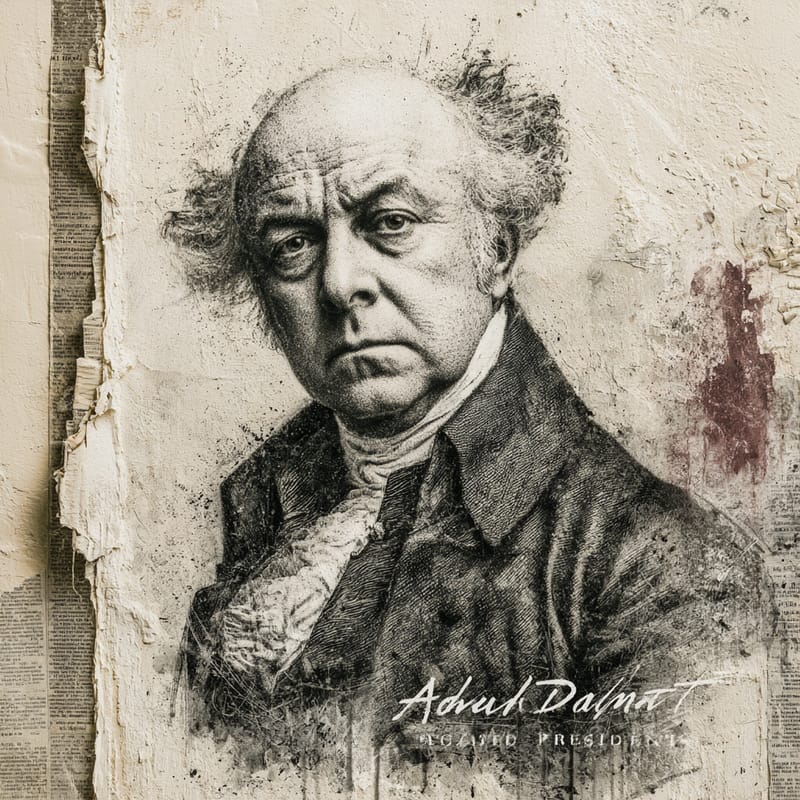

§ Also in the Capitalist hall
Enter the hall →§ Common questions
4 answersWhat was George Washington's political ideology?
George Washington was a nationalist with Federalist sympathies who distrusted parties: on the 99ideologies three-axis compass, a Capitalist. Economically he sits at the market pole (+100), a commercial planter who backed Alexander Hamilton's programme of public credit, a national bank and support for commerce. On governance he sits at the centre (0), asserting federal authority against the Whiskey Rebellion yet twice surrendering power. Socially he defended religious liberty while holding hundreds of people in slavery.
Was George Washington left-wing or right-wing?
Neither label existed in his day, and Washington belonged to no party. His sympathies lay with the Federalists of Alexander Hamilton, who favoured a strong national government, sound public credit and close commercial ties with Britain, against the Democratic-Republicans of Thomas Jefferson. In modern terms his defence of property, commerce and order reads as conservative, while his leadership of a revolution and his refusal of lifelong power have made him a hero across the political spectrum.
Why did George Washington step down after two terms?
Because he wanted to retire and to show that power in the republic passed peacefully through elections. Washington had considered leaving after one term, and by 1796 he was tired, stung by partisan attacks and anxious to prove that the presidency did not belong to one man. His Farewell Address announced his decision. The two-term tradition he set lasted until Franklin Roosevelt won a third term in 1940, and the 22nd Amendment, ratified in 1951, wrote the limit into the Constitution.
Which minds are closest to George Washington?
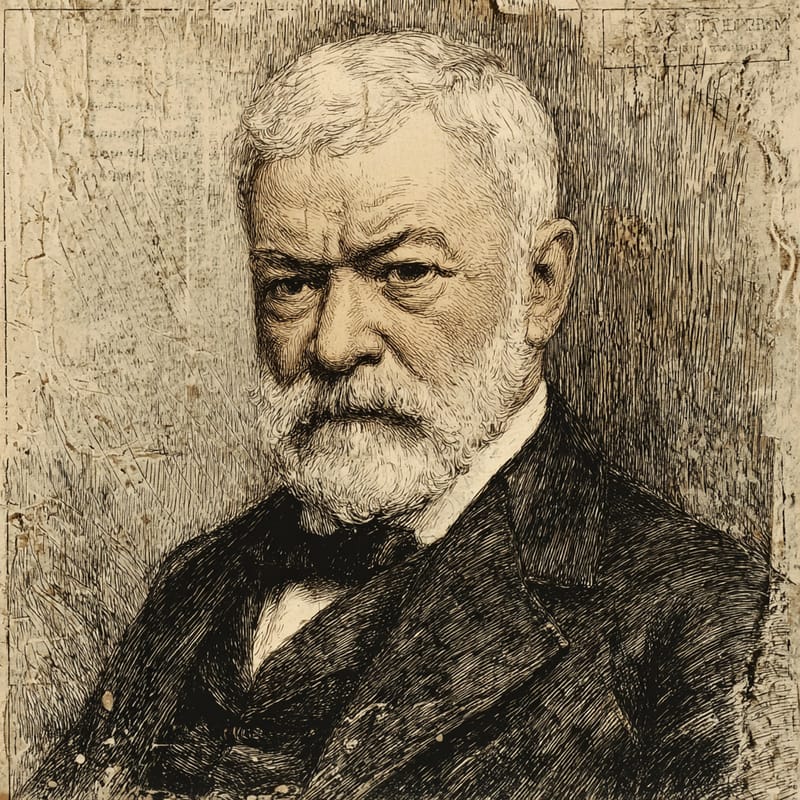
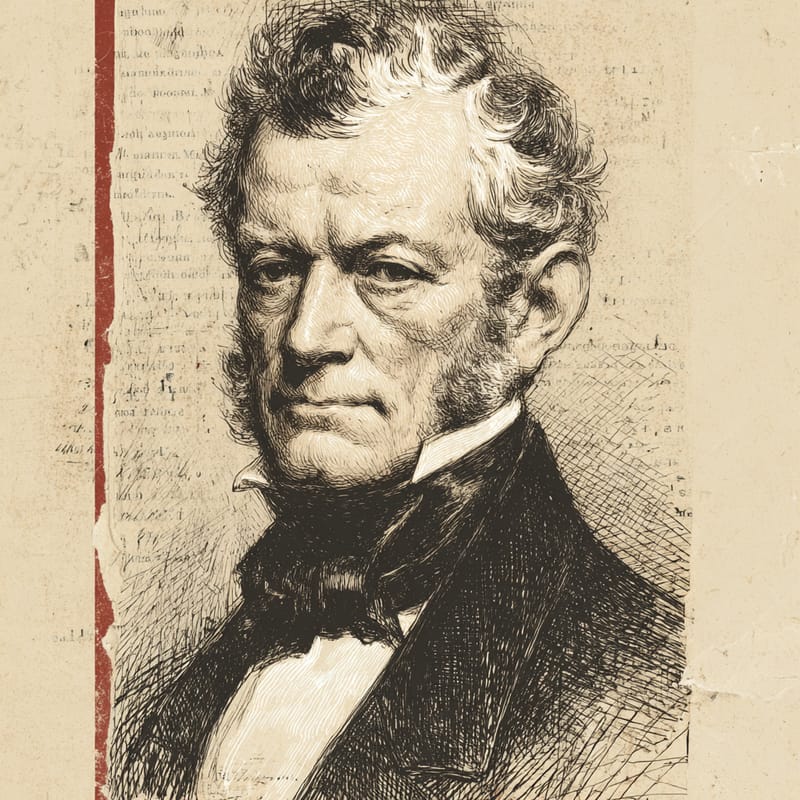
On the 99ideologies three-axis compass, the minds closest to George Washington are John Adams (100% alike), Andrew Carnegie (95% alike) and Cornelius Vanderbilt (91% alike). The furthest is Pol Pot (8% alike).