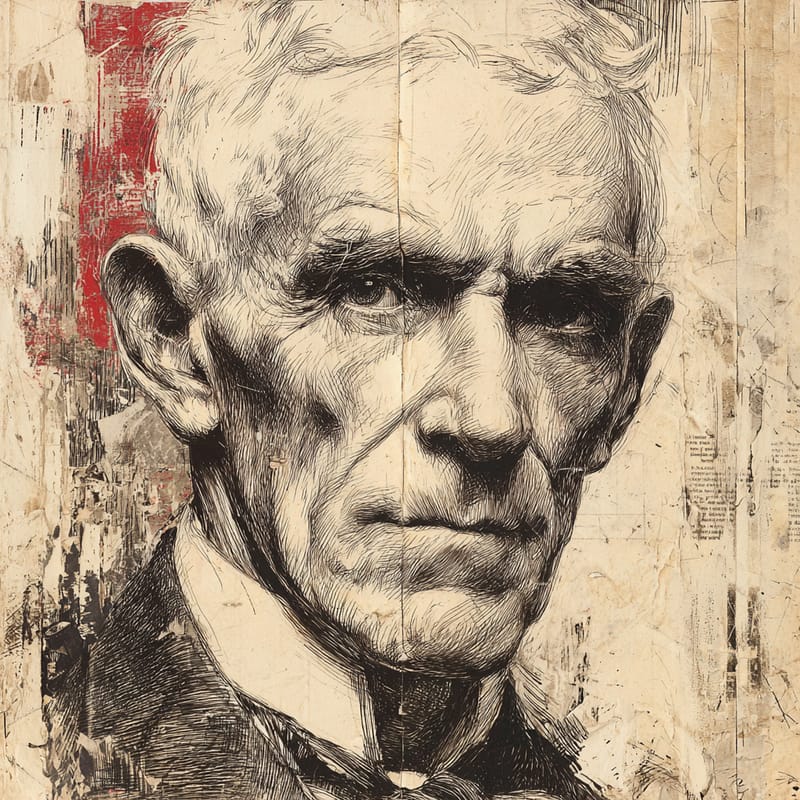
Henry Ford
The assembly line
Mass production, mass consumption.
Traditional CapitalistOne of 729 ideologies · enter the Capitalist hall →- Role
- Industrialist
- Era
- 1863–1947
- Region
- United States
- Social band
- Traditional
- Placement
- +90 · +8 · −40
§ Where Henry Ford stands
3 axesFord's moving assembly line of 1913 and the five-dollar day of 1914 made mass production pay for mass consumption, and the Model T's price fell from $850 at launch to well under $300 by the 1920s. He fought shareholders who wanted dividends rather than expansion, losing Dodge v. Ford Motor Co. in 1919, and built the vertically integrated River Rouge complex, a capitalism of industrial scale tempered by high-wage paternalism.
Ford ran his company as a private realm: the Sociological Department set up in 1914 inspected workers' homes to decide who qualified for the five-dollar day, and the Service Department under Harry Bennett spied on and beat union organisers, notably at the Battle of the Overpass in 1937. In politics he was an isolationist who sponsored the 1915 Peace Ship and narrowly lost a Senate race in Michigan in 1918.
Ford was a cultural reactionary with a dark streak: his Dearborn Independent published the antisemitic series The International Jew from 1920 and promoted the forged Protocols of the Elders of Zion. He preached temperance and thrift, policed workers' private lives and built Greenfield Village to preserve rural America, though his company also hired Black workers in unusually large numbers.
How close are you to Henry Ford?
Three statements, one per axis. Answer them and we’ll drop you on the compass next to them.
§ The story
HistoricalHenry Ford (1863–1947) was an American industrialist who founded the Ford Motor Company and turned the automobile into a mass-market product. Raised on a farm in Dearborn, Michigan, he trained as a machinist in Detroit and became chief engineer at the Edison Illuminating Company while building his first car, the Quadricycle, in 1896. After two failed ventures he founded the Ford Motor Company in 1903, launched the Model T in 1908 and in 1913 introduced the moving assembly line at his Highland Park plant, cutting the car's price year after year.
In 1914 Ford roughly doubled pay to five dollars a day for qualifying workers, a move that cut staff turnover and helped create the consumer economy, and by 1927 more than 15 million Model Ts had been sold. His legacy is darkened by the antisemitic series The International Jew, published in his newspaper, the Dearborn Independent, in the early 1920s; he issued a public apology in 1927, and in 1938 accepted a medal from Nazi Germany. His company resisted unions with a private security force until the United Auto Workers won recognition in 1941.
Notable for
- 01The moving assembly line
- 02The five-dollar day
- 03Model T mass production
Key works & moments
- 1903Founds the Ford Motor Company in Detroit.
- 1908Launches the Model T, a car designed for mass ownership.
- 1913Introduces the moving assembly line at the Highland Park plant.
- 1914Announces the five-dollar day for qualifying workers.
- 1920–22His Dearborn Independent publishes the antisemitic series The International Jew.
- 1941After a strike at River Rouge, Ford signs its first contract with the United Auto Workers.
In their own words
“History is more or less bunk.”
“Any customer can have a car painted any color that he wants so long as it is black.”
§ Minds closest to Henry Ford
All minds →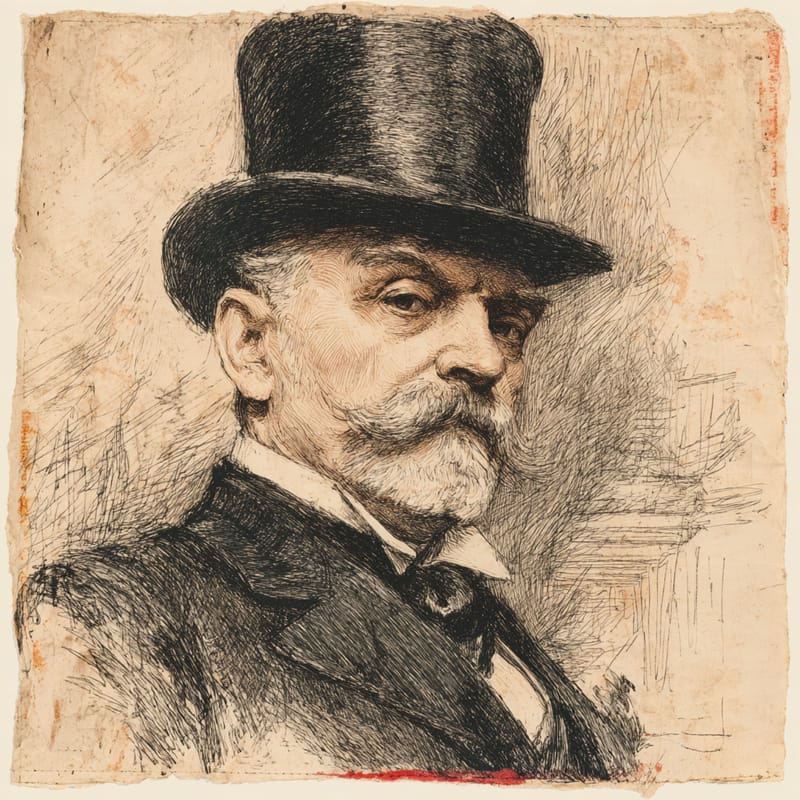

§ Also in the Capitalist hall
Enter the hall →§ Common questions
4 answersWhat was Henry Ford's political ideology?
Henry Ford was an industrial capitalist with idiosyncratic, often reactionary politics: on the 99ideologies three-axis compass, a Traditional Capitalist. Economically he sat near the market pole (+90), pioneering mass production while paying high wages to build a consumer market. On governance he leaned slightly authoritarian (+8), ruling his workforce through inspectors and a private security force that fought unions, and socially he was traditional (−40), a temperance moralist whose newspaper spread antisemitic conspiracy theories.
Was Henry Ford left-wing or right-wing?
He fits neither camp neatly, but his social politics were on the far right. Ford was a populist who attacked bankers and Wall Street, raised wages and backed the pacifist Peace Ship in 1915, and he ran for the Senate in 1918 as a Democrat with Woodrow Wilson's support. Yet he fought unions with violence, spread antisemitism through the Dearborn Independent, opposed American entry into the Second World War until Pearl Harbor and accepted a decoration from Nazi Germany in 1938.
Was Henry Ford antisemitic?
Yes. From 1920 his newspaper, the Dearborn Independent, ran a long series of articles blaming Jews for the world's problems, collected in four volumes as The International Jew and circulated widely in the United States and abroad, including in Germany. The paper also promoted the Protocols of the Elders of Zion, a forgery. Facing a libel suit, Ford issued a public apology in 1927 and closed the paper. In 1938 he accepted the Grand Cross of the German Eagle from the Nazi government, and Hitler had praised him in Mein Kampf.
Which minds are closest to Henry Ford?
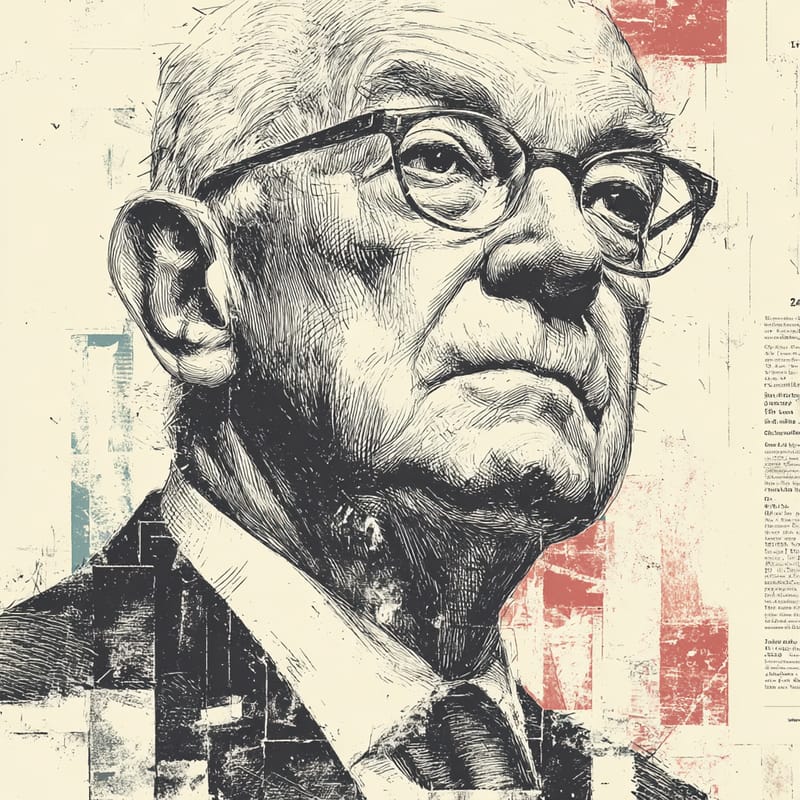
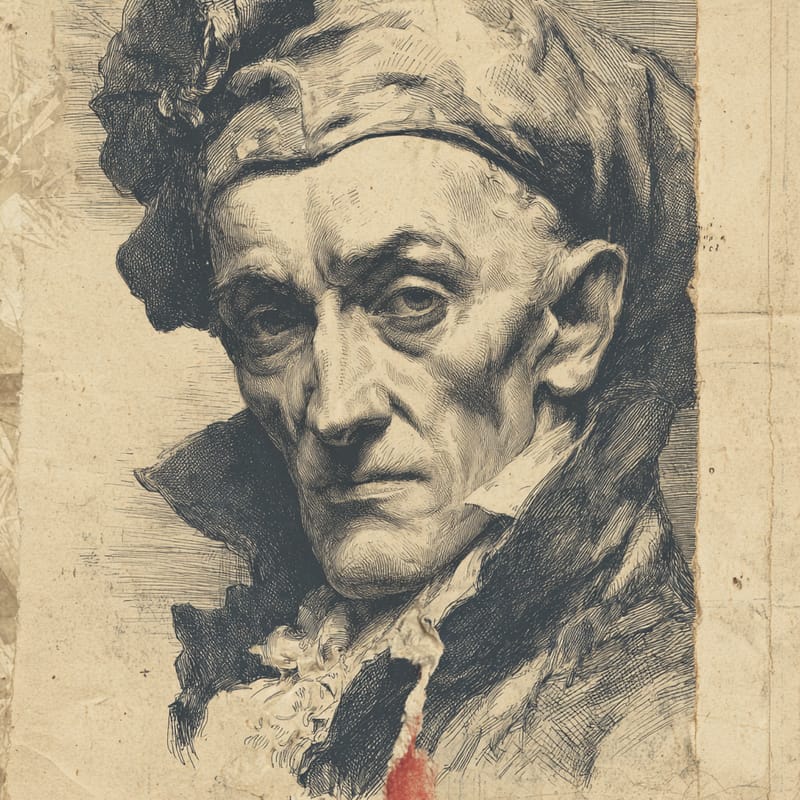
On the 99ideologies three-axis compass, the minds closest to Henry Ford are J. P. Morgan (96% alike), Phil Gramm (96% alike) and Ebenezer Scrooge (counting-house archetype) (95% alike). The furthest is Emma Goldman (3% alike).