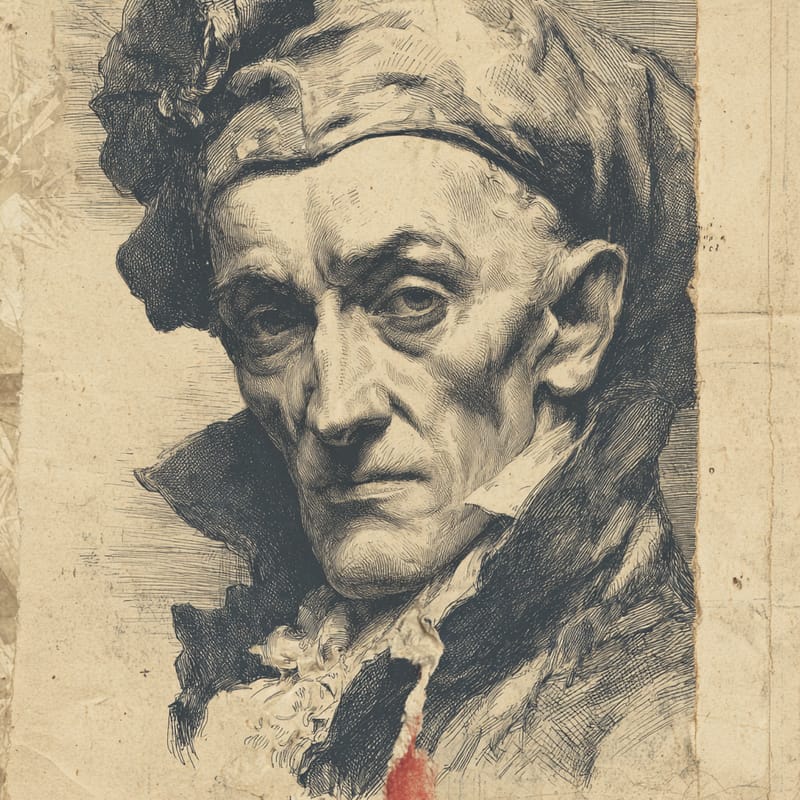
Ebenezer Scrooge (counting-house archetype)
Every penny accounted
Thrift to a fault.
Traditional Fiscal ConservativeOne of 729 ideologies · enter the Fiscal Conservative hall →- Role
- Financier (fiction)
- From
- A Christmas Carol
- Region
- United Kingdom
- Social band
- Traditional
- Placement
- +82 · +6 · −48
§ Where Ebenezer Scrooge (counting-house archetype) stands
3 axesScrooge treats every human relation as a transaction: he begrudges Bob Cratchit a day off at Christmas and coal for his fire, refuses charity and is dreaded by his debtors. Yet his creed is not pure laissez-faire, for he insists that the prisons and Union workhouses his taxes support are provision enough for the poor, an acceptance of the Poor Law state that stops just short of the market pole.
Scrooge wants a cheap but punitive state for the poor. Asked to donate, he asks whether the prisons are still running and whether the treadmill and the Poor Law are in full vigour, and tells the collectors that those who are badly off must go to the workhouses. He has no wider political ambitions and asks only that government keep order and leave his business alone.
The unreformed Scrooge embodies a harsh Victorian moralism that sees poverty as the price of idleness: he tells the collectors he cannot afford to make idle people merry and dismisses Christmas as a time for paying bills without money. Dickens sets this severity against the warmth of the Cratchits' family Christmas, and Scrooge's conversion is a return to the bonds of family, charity and community.
How close are you to Ebenezer Scrooge (counting-house archetype)?
Three statements, one per axis. Answer them and we’ll drop you on the compass next to them.
§ The story
FictionEbenezer Scrooge is the miserly London businessman and moneylender at the centre of Charles Dickens's novella A Christmas Carol, published in December 1843. Seven years after the death of his partner Jacob Marley, Scrooge runs their counting-house alone, underpays his clerk Bob Cratchit, scorns his nephew's Christmas cheer and turns away gentlemen collecting for the poor. On Christmas Eve Marley's ghost and three spirits show him his past, the hardship around him and his own unmourned death, and he wakes a generous man.
Dickens wrote the book after reading a parliamentary report on child labour in 1843, and Scrooge's praise for prisons and workhouses and his suggestion that the poor might die and decrease the surplus population satirise the 1834 Poor Law and the population theories of Thomas Malthus. The unreformed Scrooge has become the archetype of heartless parsimony and his name a byword for a miser. The story has been adapted countless times, from Alastair Sim's 1951 film to The Muppet Christmas Carol in 1992, and the name inspired Disney's Scrooge McDuck.
Notable for
- 01'Bah! Humbug!'
- 02The Victorian miser
- 03Ledger-bound thrift
Key works & moments
- 1843Charles Dickens publishes A Christmas Carol in London on 19 December.
- Stave OneRefuses to give to the poor, citing prisons and workhouses; Marley's ghost visits him that night.
- Stave ThreeThe Ghost of Christmas Present shows him the Cratchits' Christmas and the children Ignorance and Want.
- Stave FourThe Ghost of Christmas Yet to Come shows his unmourned death and the Cratchits grieving for Tiny Tim.
- Stave FiveWakes on Christmas morning, raises Bob Cratchit's salary and becomes a second father to Tiny Tim.
- 1951Alastair Sim stars in Scrooge, one of the most celebrated of many screen adaptations.
In Ebenezer Scrooge (counting-house archetype)'s words
“Are there no prisons?”
“If they would rather die, they had better do it, and decrease the surplus population.”
§ Minds closest to Ebenezer Scrooge (counting-house archetype)
All minds →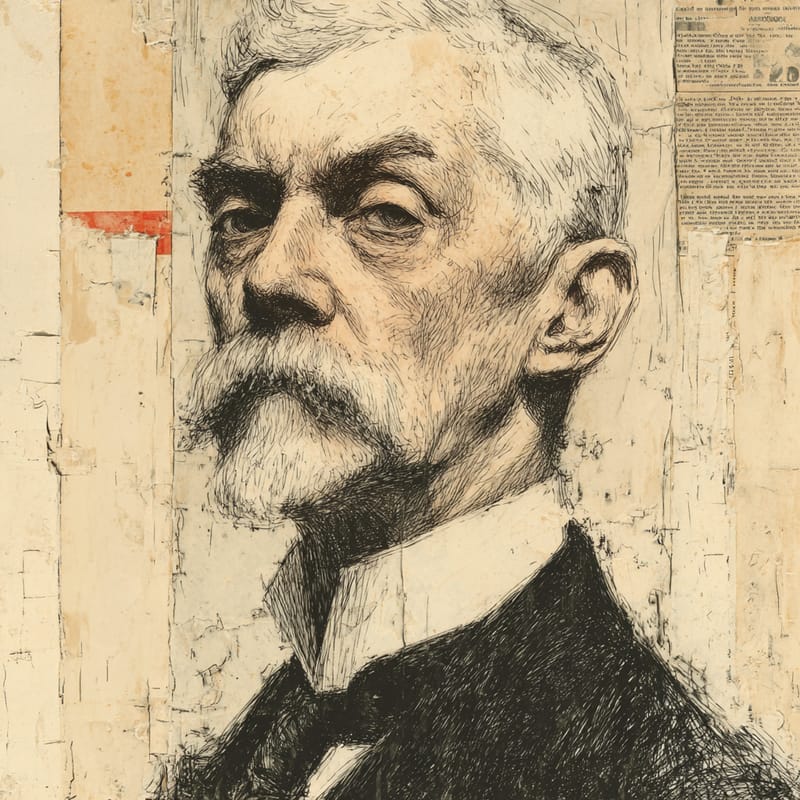
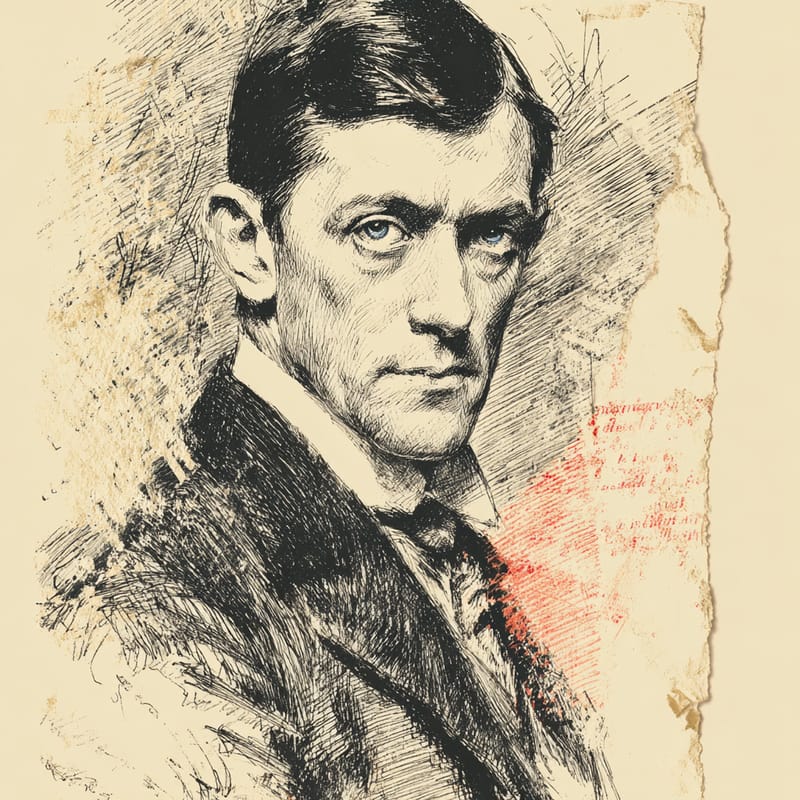
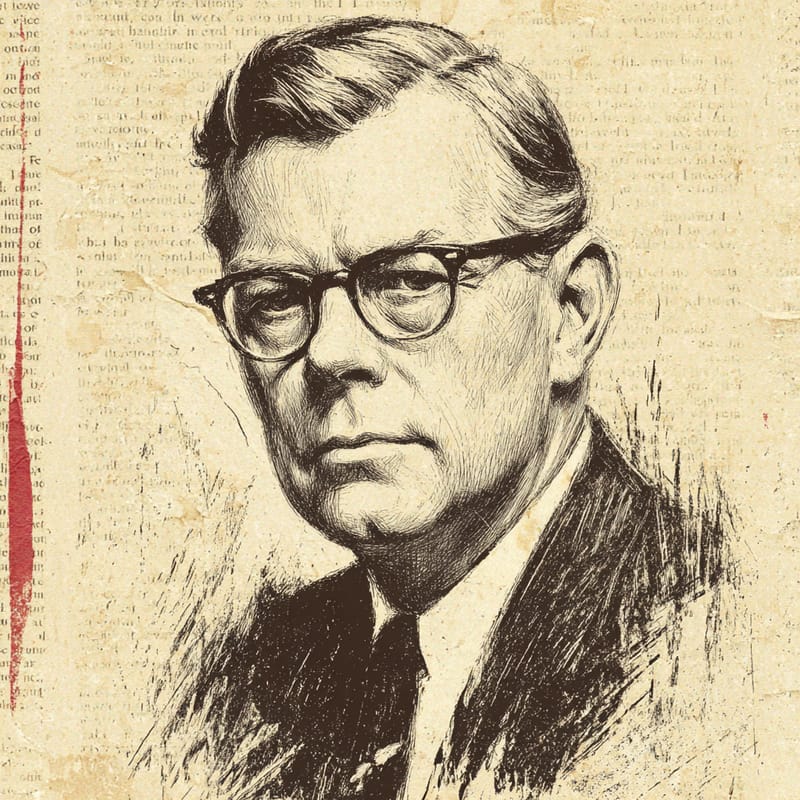
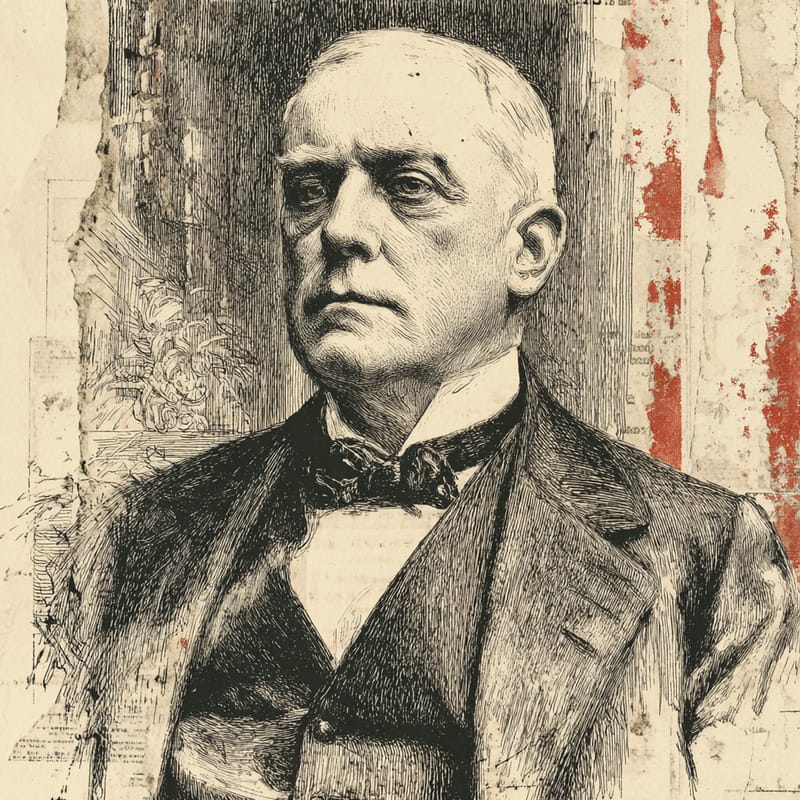

§ Also in the Fiscal Conservative hall
Enter the hall →§ Common questions
4 answersWhat is Ebenezer Scrooge's political ideology?
Before his conversion, Ebenezer Scrooge is a caricature of Victorian parsimony: on the 99ideologies three-axis compass, a Traditional Fiscal Conservative. Economically he sits near the market pole (+82), hoarding money and refusing charity while accepting the Poor Law workhouses his taxes fund. On governance he is close to the centre (+6), content with a cheap, punitive state for the poor, and socially he is strongly traditional (−48), a severe moralist who equates poverty with idleness.
Is Ebenezer Scrooge left-wing or right-wing?
The unreformed Scrooge is a figure of the economic right as Dickens saw it in 1843: a man who treats wages, debts and charity purely as costs, and who echoes the hard-line political economy behind the 1834 Poor Law. But the novella is a story of conversion, and the reformed Scrooge embraces generosity, fair dealing and care for the poor. Dickens, a reformer rather than a socialist, aimed the book at the conscience of the prosperous rather than at the economic system itself.
What was Dickens criticising through Scrooge?
Dickens was attacking the harsh treatment of the poor in 1840s Britain and the economic ideas used to justify it. Scrooge's insistence that the poor should go to prisons and workhouses targets the Poor Law Amendment Act of 1834, and his remark about decreasing the surplus population mocks the followers of Thomas Malthus, who argued that population growth outstripped food supplies. Dickens wrote the book after reading a parliamentary report on child labour in 1843, and the Ghost of Christmas Present's two wretched children, Ignorance and Want, make the warning explicit.
Which minds are closest to Ebenezer Scrooge (counting-house archetype)?
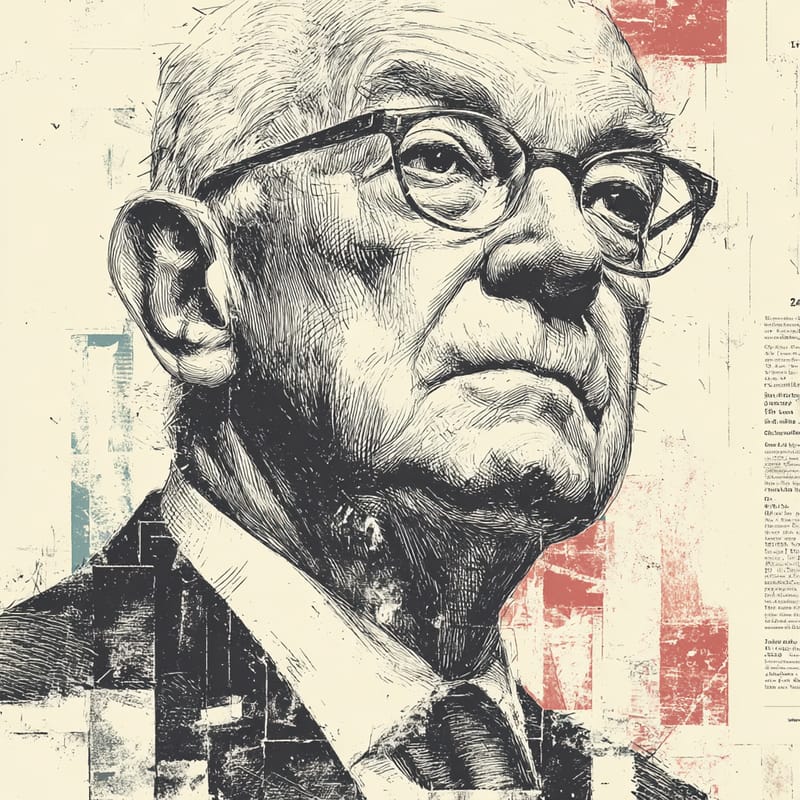
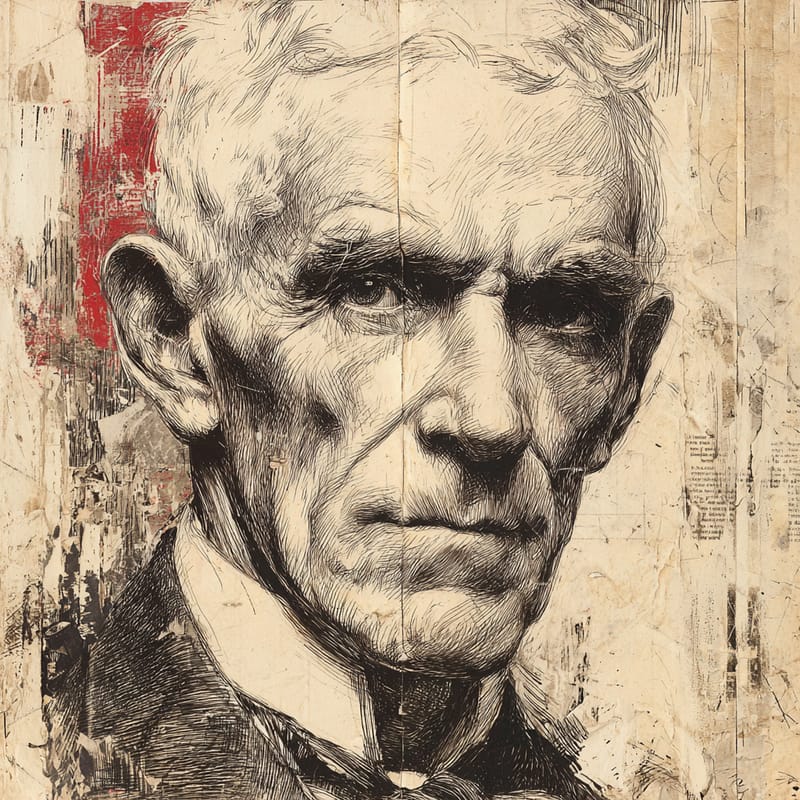
On the 99ideologies three-axis compass, the minds closest to Ebenezer Scrooge (counting-house archetype) are Andrew Mellon (98% alike), Phil Gramm (96% alike) and Henry Ford (95% alike). The furthest is Emma Goldman (4% alike).