
Phil Gramm
Gramm–Rudman
Legislating the balanced budget.
Traditional Fiscal ConservativeOne of 729 ideologies · enter the Fiscal Conservative hall →- Role
- Senator & economist
- Era
- b. 1942
- Region
- United States
- Social band
- Traditional
- Placement
- +80 · +8 · −38
§ Where Phil Gramm stands
3 axesGramm is an economist of the free-market right: the 1981 Gramm–Latta budget carried Ronald Reagan's spending cuts through a Democratic House, the Gramm–Leach–Bliley Act of 1999 deregulated financial conglomerates and the Commodity Futures Modernization Act of 2000 shielded most over-the-counter derivatives from regulation. In 1993–94 he was a leading opponent of the Clinton health-care plan, defending private insurance against a larger federal role.
Gramm sought to discipline the state through binding rules rather than discretion. The Gramm–Rudman–Hollings Act of 1985 set annual deficit targets enforced by automatic across-the-board cuts; when the Supreme Court struck down its enforcement mechanism in Bowsher v. Synar in 1986, Congress revised the law in 1987. His preference for statutory limits reflects a rules-based, institutional conservatism rather than an anti-state one.
Gramm is a Texas conservative whose priorities are economic, but his record on social questions is traditional: he voted for the Defense of Marriage Act in 1996, compiled an anti-abortion voting record and supported the 1996 welfare reform, which restricted benefits for legal immigrants. He rarely led on cultural issues, building his campaigns around taxes, spending and regulation.
How close are you to Phil Gramm?
Three statements, one per axis. Answer them and we’ll drop you on the compass next to them.
§ The story
HistoricalWilliam Philip Gramm (born 1942) is an American economist and politician who represented Texas in Congress for 24 years, in the House from 1979 and in the Senate from 1985 to 2002. Born at Fort Benning, Georgia, he earned a doctorate in economics at the University of Georgia and taught at Texas A&M University before entering politics. Elected to the House as a conservative Democrat, he co-sponsored the 1981 Gramm–Latta budget that enacted Ronald Reagan's spending cuts, then switched parties in 1983 and won his seat back as a Republican.
In the Senate Gramm co-authored the Gramm–Rudman–Hollings Act of 1985, which sought to force a balanced budget through automatic spending cuts, and he ran unsuccessfully for the Republican presidential nomination in 1996. As chairman of the Senate Banking Committee he co-wrote the Gramm–Leach–Bliley Act of 1999, which removed Depression-era barriers between banks, securities firms and insurers, and backed the Commodity Futures Modernization Act of 2000, which kept most over-the-counter derivatives unregulated. After the 2008 crisis critics blamed both laws for contributing to the crash, a charge he rejects. He later became a vice-chairman of UBS.
Notable for
- 01Gramm–Rudman–Hollings Act
- 02Financial deregulation
- 03Free-market senator
Key works & moments
- 1967–78Teaches economics at Texas A&M University.
- 1981As a Democratic congressman, co-sponsors the Gramm–Latta budget enacting Reagan's spending cuts.
- 1983Resigns his House seat, joins the Republicans and wins it back in a special election.
- 1985Co-authors the Gramm–Rudman–Hollings Balanced Budget and Emergency Deficit Control Act.
- 1999Co-writes the Gramm–Leach–Bliley Act, removing barriers between banking, securities and insurance.
- 2000Backs the Commodity Futures Modernization Act, leaving most over-the-counter derivatives unregulated.
§ Minds closest to Phil Gramm
All minds →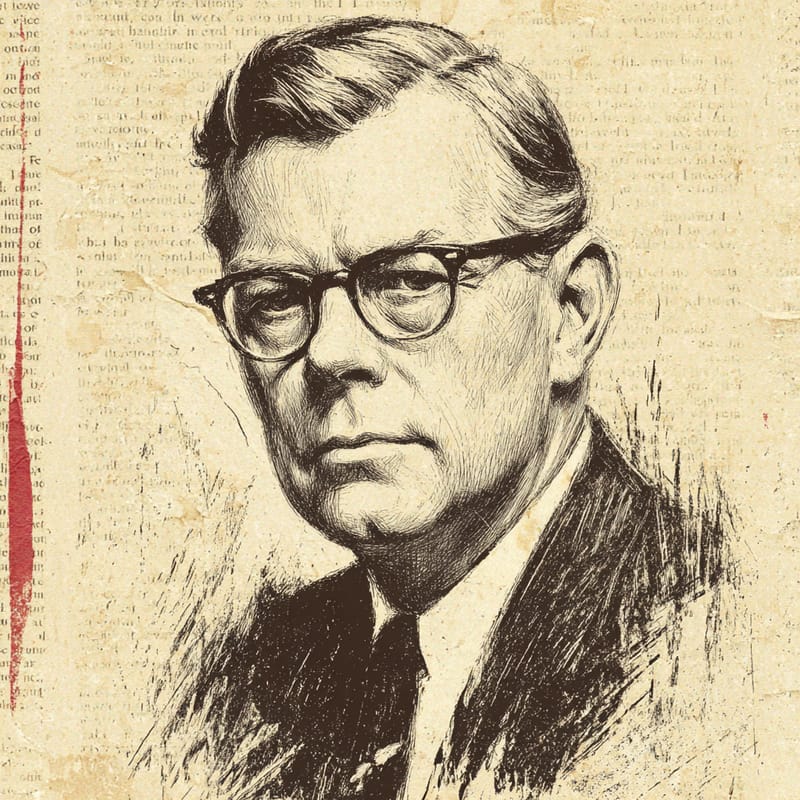
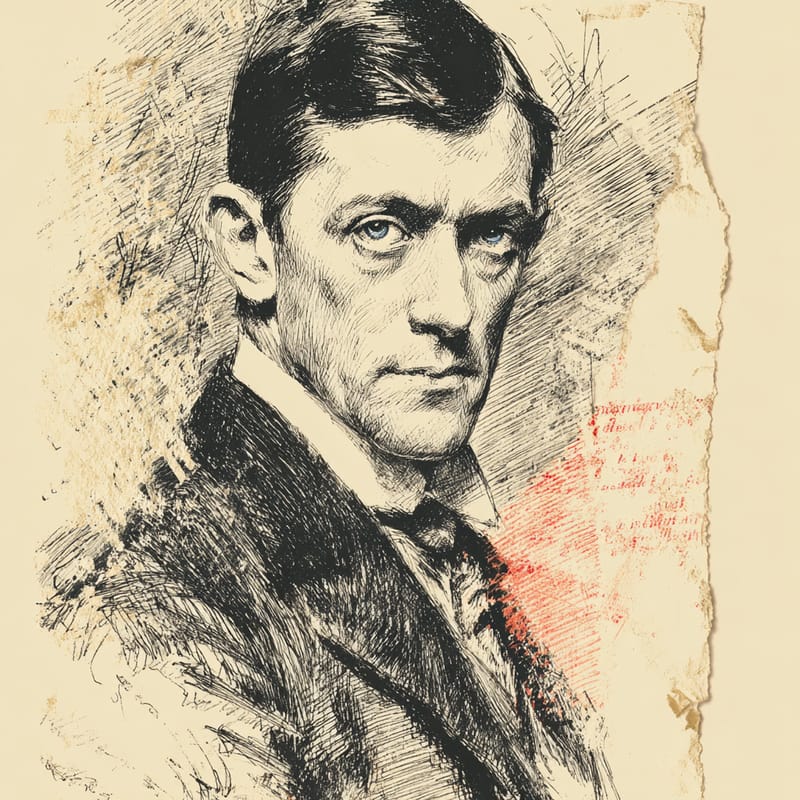
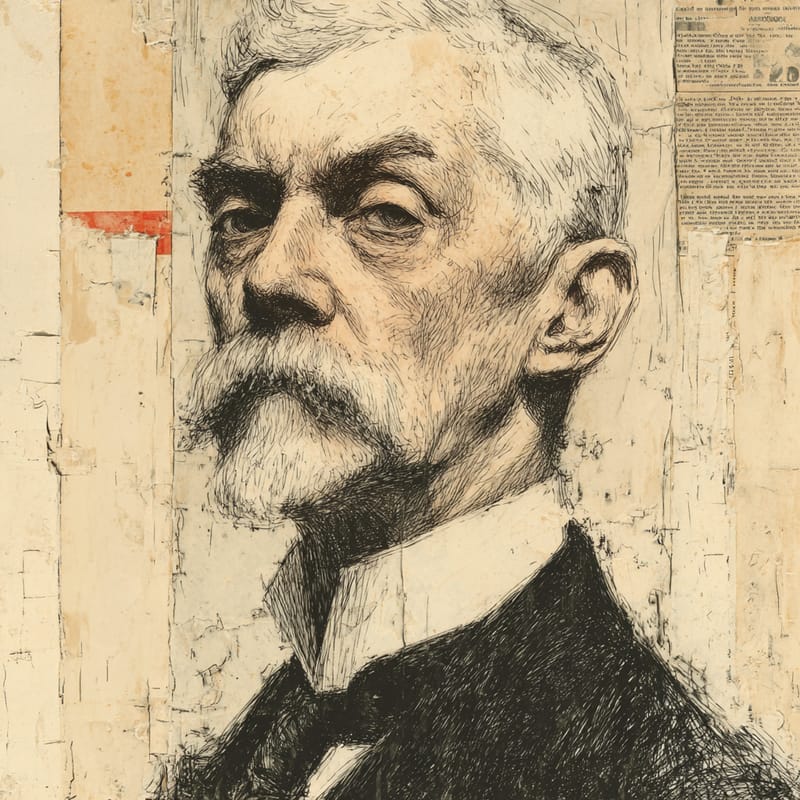
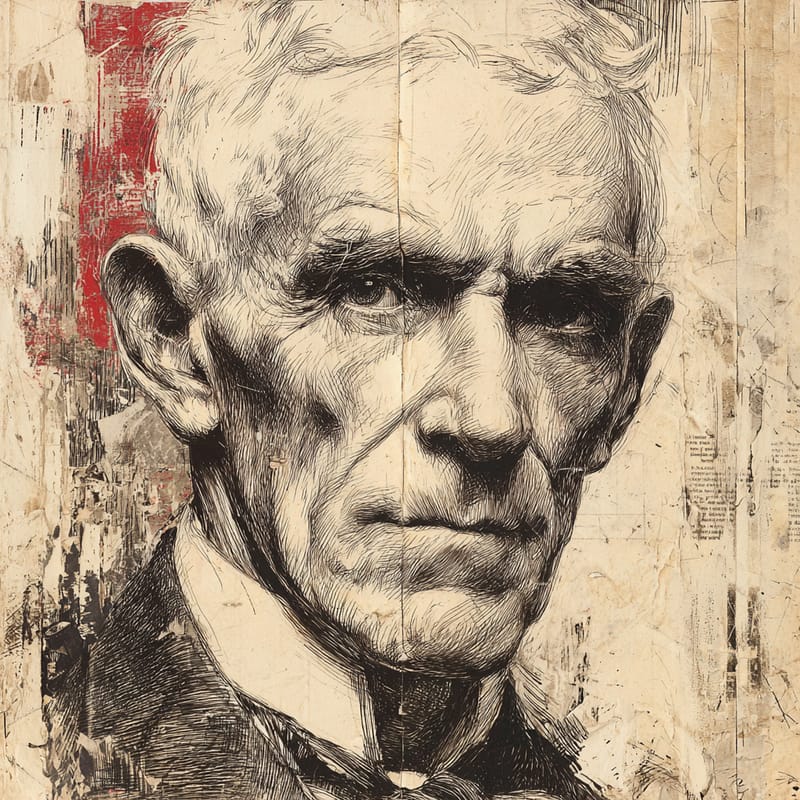


§ Also in the Fiscal Conservative hall
Enter the hall →§ Common questions
4 answersWhat is Phil Gramm's political ideology?
Phil Gramm is a free-market conservative economist: on the 99ideologies three-axis compass, a Traditional Fiscal Conservative. Economically he sits near the market pole (+80), having pushed through Reagan's spending cuts, statutory deficit limits and sweeping financial deregulation. On governance he leans slightly authoritarian (+8), preferring binding budget rules enforced by law, and socially he is traditional (−38), a Texas conservative with an anti-abortion record who voted for the Defense of Marriage Act.
Is Phil Gramm left-wing or right-wing?
Right-wing. Gramm began his career as a Democrat, but a conservative one, and in 1983 he left the party after its House leaders removed him from the Budget Committee for helping Ronald Reagan pass his budget. As a Republican senator he became one of the most consistent advocates of tax cuts, spending restraint and deregulation, and in 1996 he sought the party's presidential nomination. Economics, rather than social issues, has always defined his politics.
Did Phil Gramm cause the 2008 financial crisis?
No single lawmaker caused it, but Gramm's deregulation is often cited as a contributing factor. Critics point to the Commodity Futures Modernization Act of 2000, which kept most over-the-counter derivatives, including credit default swaps, outside federal regulation, and to the Gramm–Leach–Bliley Act of 1999, which allowed banks, securities firms and insurers to combine. Gramm has argued that neither law caused the crisis, noting that stand-alone investment banks and mortgage lenders failed first, and many economists see reckless subprime lending and leverage as the main causes.
Which minds are closest to Phil Gramm?
On the 99ideologies three-axis compass, the minds closest to Phil Gramm are William E. Simon (98% alike), Paul Ryan (97% alike) and Andrew Mellon (97% alike). The furthest is Emma Goldman (6% alike).