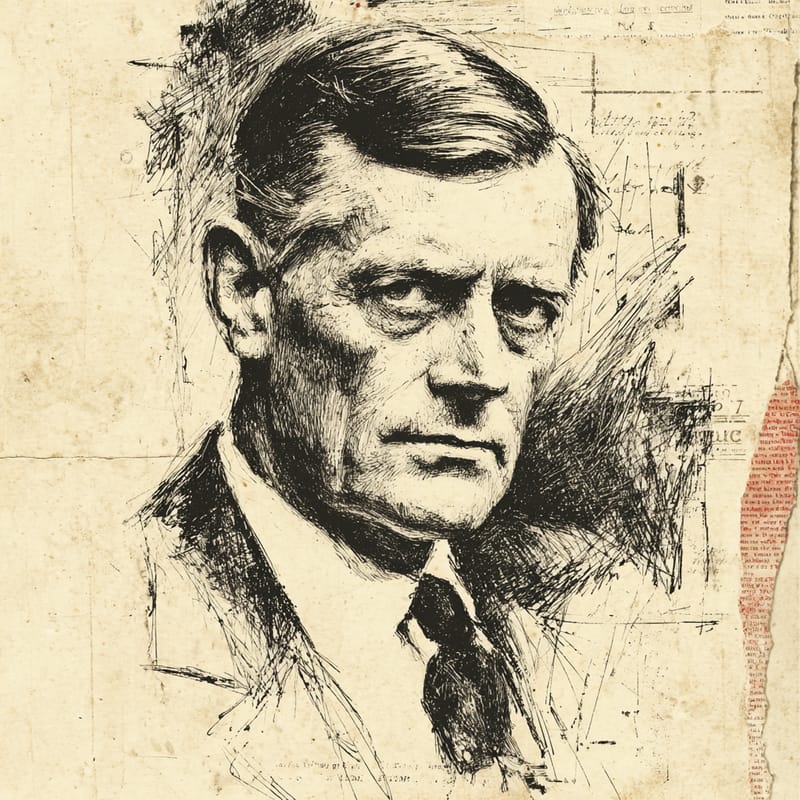
Olof Palme
Social democracy's conscience
Welfare, disarmament, and Third-World solidarity from neutral Sweden.
Progressive Social DemocratOne of 729 ideologies · enter the Social Democrat hall →- Role
- Prime Minister
- Era
- 1927–1986
- Region
- Sweden
- Social band
- Progressive
- Placement
- −50 · −22 · +64
§ Where Olof Palme stands
3 axesPalme defended a large universal welfare state funded by some of the highest taxes in the developed world, and his governments strengthened workers' position through the 1974 Employment Protection Act and the 1976 Co-determination Act. Yet he left the means of production largely in private hands; the union-run wage-earner funds that would have shifted company ownership divided even his own movement.
A parliamentary democrat to the core, Palme pursued change through elections and negotiation with unions and employers, and his era saw Sweden's parliament become a single chamber in 1971. He defended civil liberties and an open society, and was openly critical of the one-party states of the Soviet bloc.
On social questions Palme was outspokenly progressive. Separate taxation of spouses from 1971 pulled more women into paid work, and his government passed Sweden's 1974 abortion law; abroad he aligned Sweden with anti-colonial and anti-apartheid movements.
How close are you to Olof Palme?
Three statements, one per axis. Answer them and we’ll drop you on the compass next to them.
§ The story
HistoricalSven Olof Joachim Palme (1927–1986) led Sweden's Social Democratic Workers' Party from 1969 until his death and was twice prime minister, in 1969–1976 and 1982–1986. Born into an upper-class Stockholm family and educated partly in the United States, he became Prime Minister Tage Erlander's aide and protégé in the 1950s, then served as minister of communications and of education before succeeding him.
Palme turned a small neutral state into a loud moral voice in world affairs, condemning the Vietnam War, apartheid and the Soviet invasion of Czechoslovakia, and campaigning for nuclear disarmament through the Palme Commission of the early 1980s. At home he extended the welfare state and labour rights, but the 1976 defeat and the bitter wage-earner funds debate showed the limits of his reformism. He was shot dead in central Stockholm on 28 February 1986; the killing was never resolved in court, and prosecutors closed the case in 2020 after naming a suspect who had died in 2000.
Notable for
- 01Expanded Sweden's welfare state
- 02Vocal critic of the Vietnam War and apartheid
- 03Assassinated in Stockholm, 1986
Key works & moments
- 1968As education minister, marches with North Vietnam's ambassador in a Stockholm protest against the Vietnam War.
- 1969Succeeds Tage Erlander as party leader and prime minister.
- 1972Compares the US bombing of Hanoi to Nazi-era atrocities; Washington freezes diplomatic relations.
- 1976Loses power, ending 44 years of Social Democratic government.
- 1982Returns as prime minister; the Palme Commission reports on common security and disarmament.
- 1986Assassinated on Sveavägen in central Stockholm on 28 February.
In their own words
“One should call things by their proper name. What is going on today in Vietnam is a form of torture.”
§ Minds closest to Olof Palme
All minds →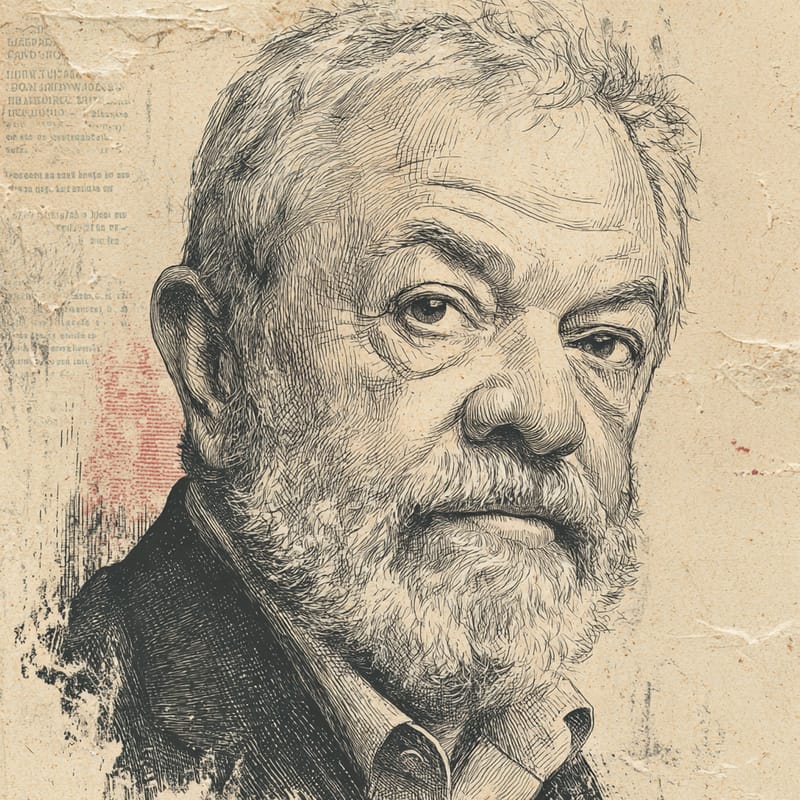

§ Also in the Social Democrat hall
Enter the hall →§ Common questions
4 answersWhat was Olof Palme's political ideology?
Olof Palme was a social democrat: on the 99ideologies three-axis compass, a Progressive Social Democrat. Economically he sat left of centre (−50), backing a generous tax-funded welfare state and strong union rights inside a market economy with mostly private ownership. On governance he was a committed parliamentary democrat (−22), and socially he was strongly progressive (+64), from gender equality at home to anti-apartheid solidarity abroad.
Was Olof Palme left-wing or right-wing?
Left-wing, but reformist rather than radical. Palme wanted to tame capitalism through taxation, welfare and labour law, not to abolish it, and he defended parliamentary democracy against both the right and Soviet-style communism. Economically left of centre, democratic and socially progressive, he belongs firmly in the social-democratic family rather than among socialists or Marxists.
Why was Olof Palme so controversial?
Because he rejected small-state caution. Palme publicly attacked the US war in Vietnam, comparing the 1972 bombing of Hanoi to Nazi-era massacres, which led Washington to freeze diplomatic relations; he also condemned the Soviet crushing of Prague in 1968 and apartheid South Africa. At home his critics on the right saw his high-tax state as stifling and him as arrogant, and the wage-earner funds debate polarised Swedish politics.
Which minds are closest to Olof Palme?
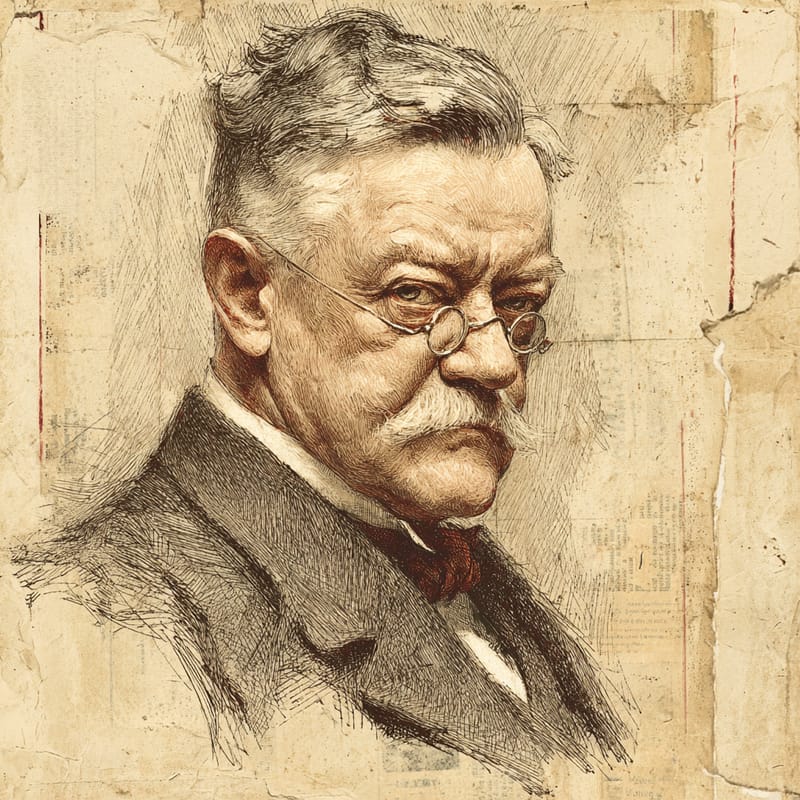
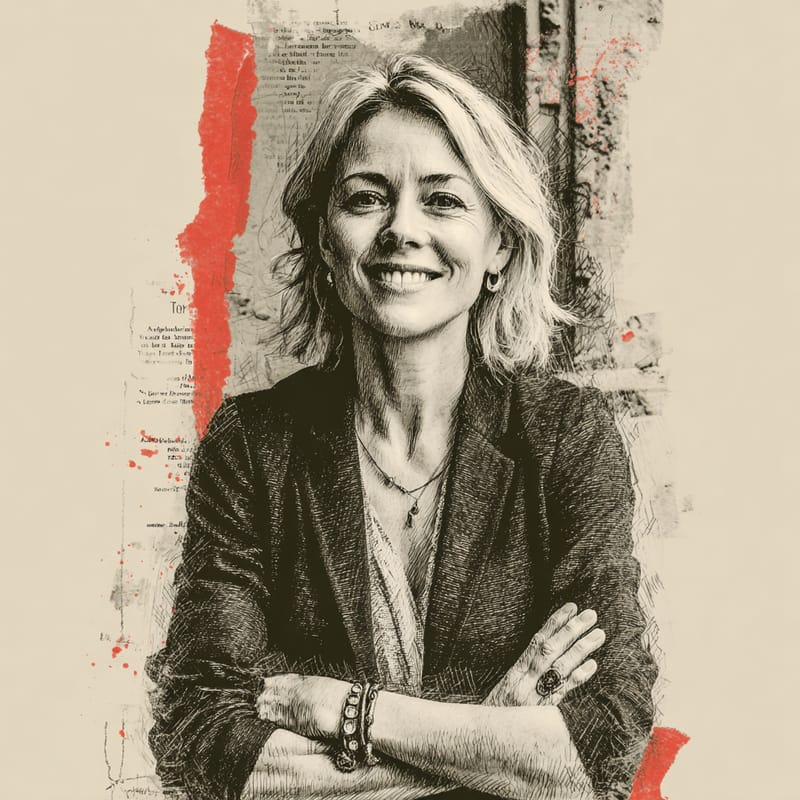
On the 99ideologies three-axis compass, the minds closest to Olof Palme are Luiz Inácio Lula da Silva (98% alike), Josiah “Jed” Bartlet (96% alike) and Leslie Knope (96% alike). The furthest is Adam Sutler (5% alike).