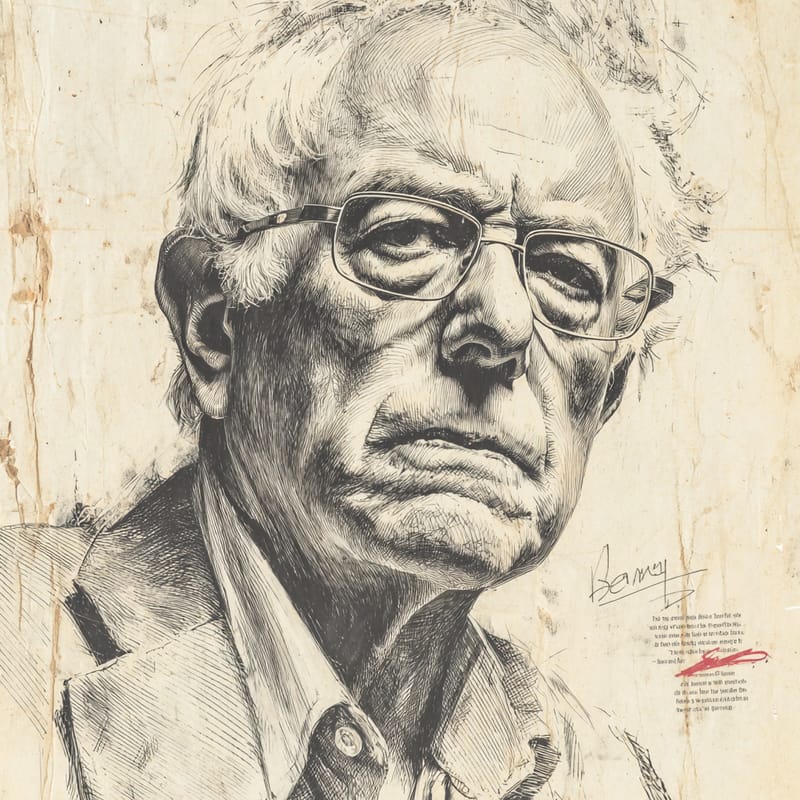
Bernie Sanders
Nordic model for America
Made 'democratic socialism' mainstream in U.S. politics.
Radical Social DemocratOne of 729 ideologies · enter the Social Democrat hall →- Role
- U.S. Senator
- Era
- b. 1941
- Region
- United States
- Social band
- Radical
- Placement
- −52 · −24 · +92
§ Where Bernie Sanders stands
3 axesSanders wants a much larger welfare state on the Nordic model rather than public ownership of industry. He has introduced Medicare for All bills since 2017, campaigned for tuition-free public college and a $15 federal minimum wage, and as Budget Committee chair steered the 2021 American Rescue Plan through the Senate. He backs steep taxes on the very rich but does not propose abolishing private enterprise.
Sanders is a democratic reformer whose call for a political revolution means mobilising voters, unions and small donors rather than overturning institutions. He has a long civil-libertarian record, voting against the USA PATRIOT Act in 2001 and the Iraq War resolution in 2002, and he argues that concentrated corporate wealth, not government, is the main threat to American democracy.
Sanders is strongly progressive across the board. He attended the 1963 March on Washington, voted against the Defense of Marriage Act in 1996 and supports abortion rights, and he has made climate action, racial justice, labour rights and immigration reform central to his campaigns, unveiling his own Green New Deal plan in 2019.
How close are you to Bernie Sanders?
Three statements, one per axis. Answer them and we’ll drop you on the compass next to them.
§ The story
LivingBernard Sanders (born 1941) is an American politician who has represented Vermont in Congress as an independent since 1991, in the House of Representatives until 2007 and then in the Senate. Born in Brooklyn, the son of a Jewish immigrant from Poland, he studied at the University of Chicago, where he was arrested in 1963 at a protest against school segregation, and later moved to Vermont. After failed runs for the radical Liberty Union Party in the 1970s, he was elected mayor of Burlington in 1981 by ten votes and served until 1989.
Sanders, the longest-serving independent in the history of Congress, caucuses with the Democrats and calls himself a democratic socialist. His 2016 challenge to Hillary Clinton for the Democratic nomination, funded largely by small donations, won more than 20 primaries and caucuses and pulled the party leftward on healthcare, the minimum wage and college costs; he ran again in 2020 and withdrew in April. He went on to chair the Senate Budget Committee and the health, education and labour committee. Critics call his programmes unaffordable; supporters credit him with reviving the American left.
Notable for
- 01Two insurgent presidential campaigns
- 02Longest-serving independent in Congress
- 03Popularised 'Medicare for All'
Key works & moments
- 1963Arrested at a Chicago protest against school segregation while a university student.
- 1981Elected mayor of Burlington, Vermont, by ten votes as an independent socialist.
- 1990Elected to the US House of Representatives, its only independent member.
- 2006Elected to the US Senate from Vermont.
- 2016Wins more than 20 contests in the Democratic primaries against Hillary Clinton.
- 2021As Budget Committee chair, steers the American Rescue Plan through the Senate.
§ Minds closest to Bernie Sanders
All minds →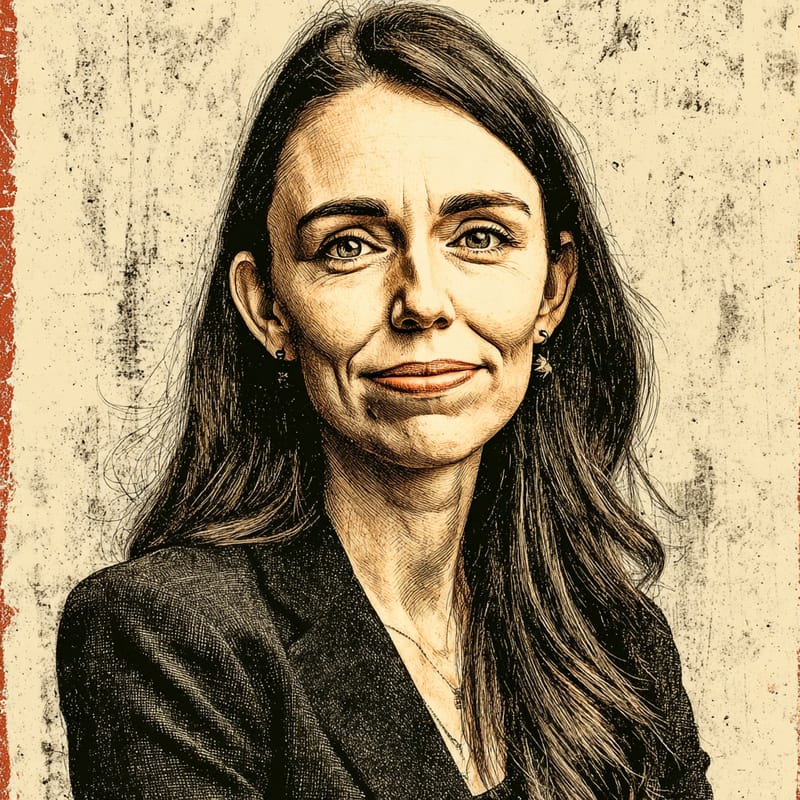

§ Also in the Social Democrat hall
Enter the hall →§ Common questions
4 answersWhat is Bernie Sanders's political ideology?
Bernie Sanders is a self-described democratic socialist whose programme is in practice Nordic-style social democracy: on the 99ideologies three-axis compass, a Radical Social Democrat. Economically he sits left of centre (−52), seeking universal healthcare, free public college and higher taxes on the wealthy within a market economy. On governance he is a democratic reformer with a civil-libertarian record (−24). Socially he is strongly progressive (+92) on civil rights, climate, labour and immigration.
Is Bernie Sanders left-wing or right-wing?
Left-wing: he is the best-known figure on the American left. Sanders sits to the left of most of the Democratic Party on healthcare, taxation, trade and labour, and he has spent his career as an independent rather than a party loyalist. By European standards, however, his programme resembles mainstream social democracy, since he seeks to expand public services and regulate markets rather than to abolish capitalism or nationalise industry.
Is Bernie Sanders a socialist?
He calls himself a democratic socialist, but his policies are social-democratic rather than socialist in the classic sense. Sanders does not propose state ownership of industry; he wants Medicare for All, tuition-free public college, stronger unions and higher taxes on the rich within a capitalist economy, and he cites Denmark, Sweden and Norway as models. In a 2019 speech at George Washington University he presented democratic socialism as completing Franklin Roosevelt's New Deal, including guaranteed economic rights.
Which minds are closest to Bernie Sanders?
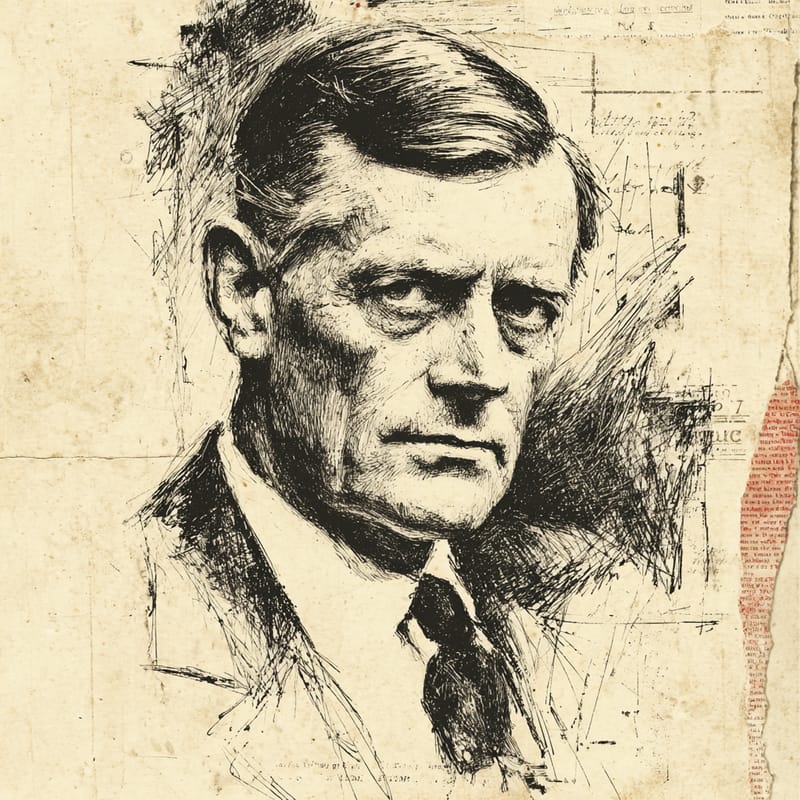
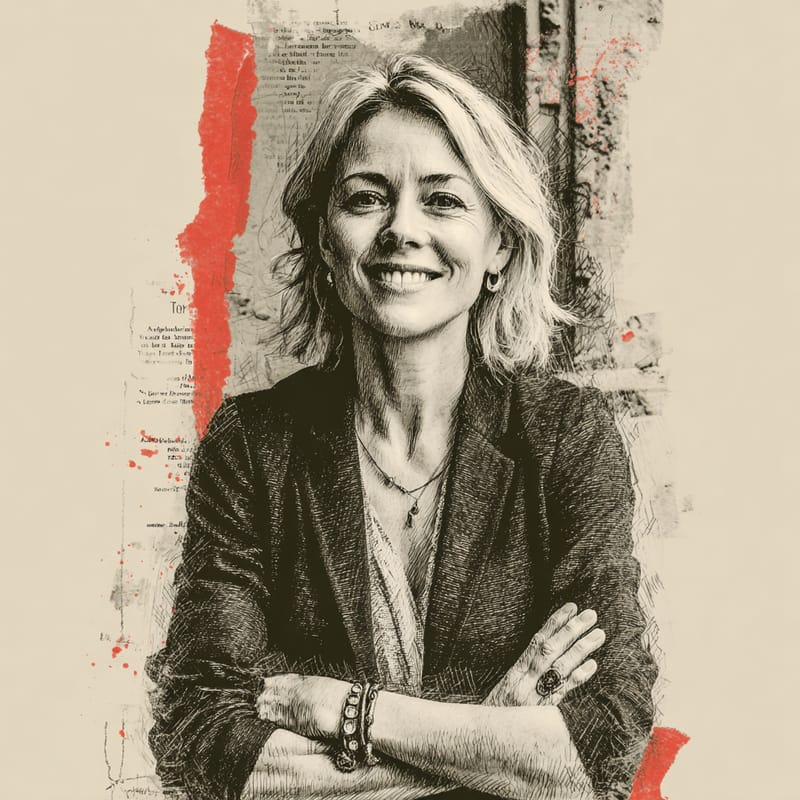
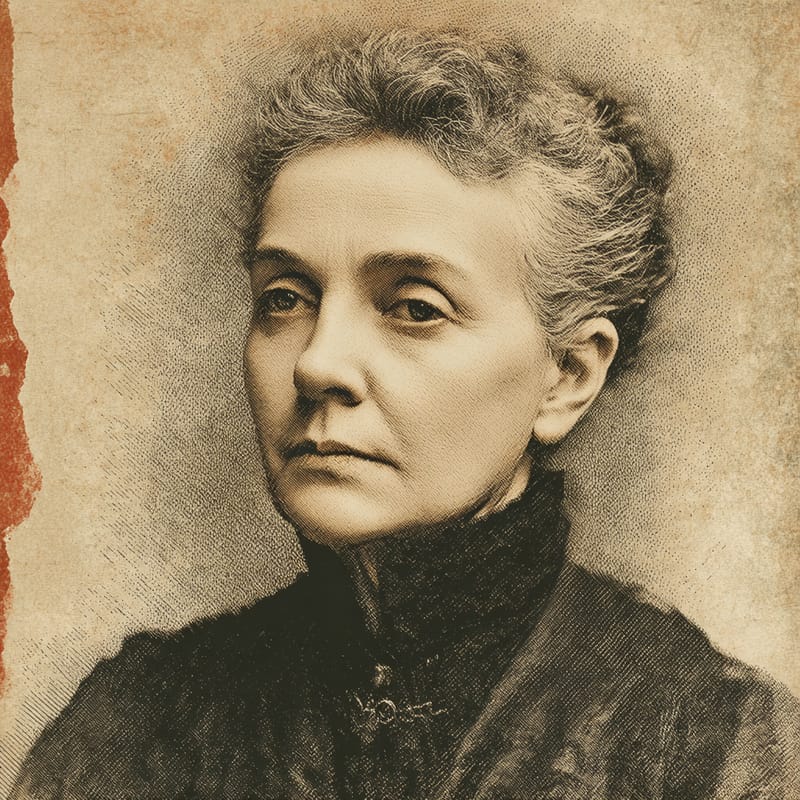
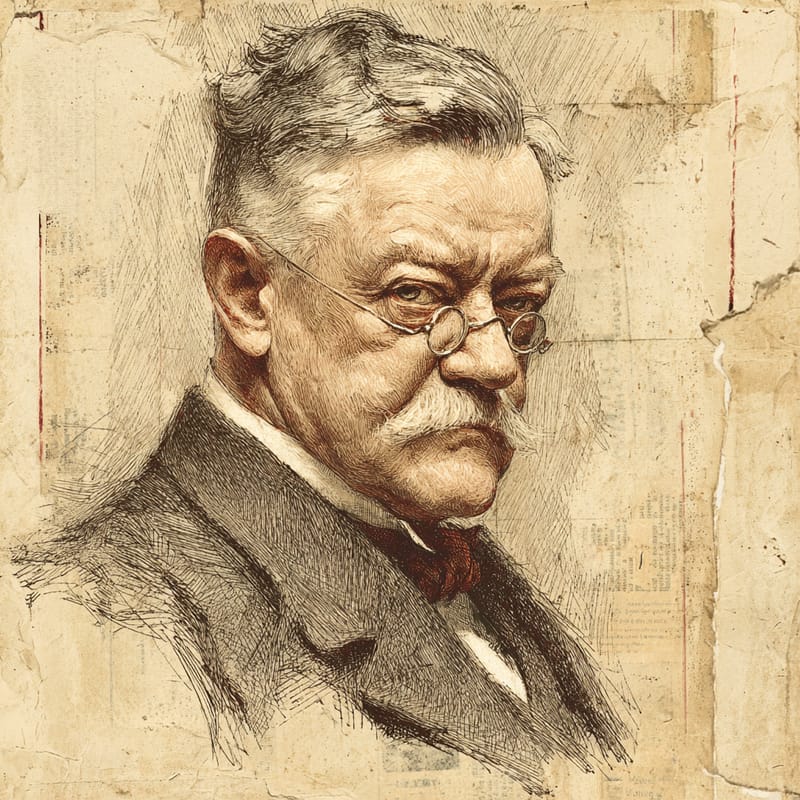
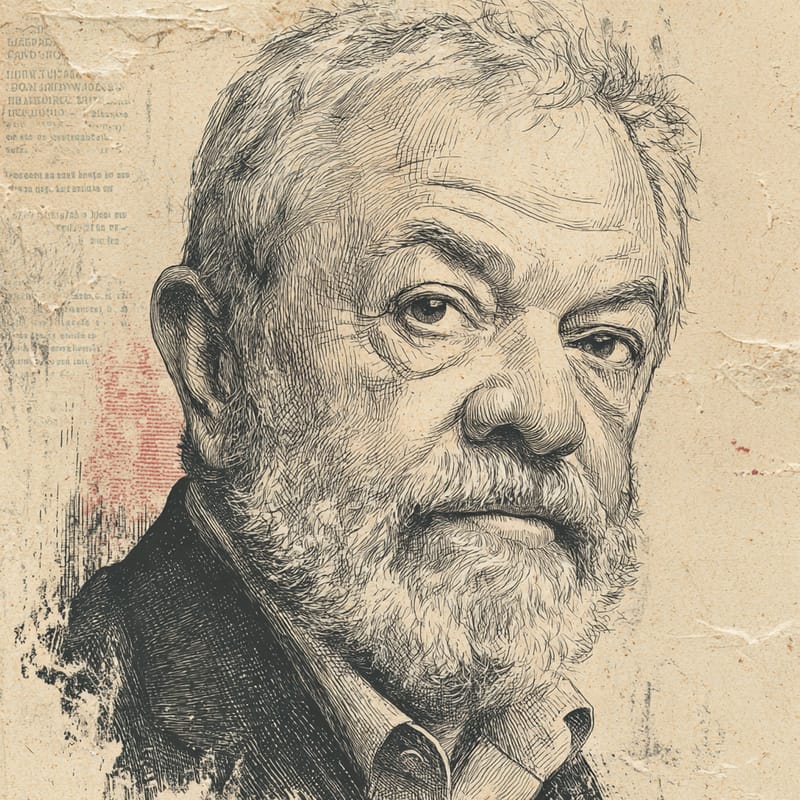
On the 99ideologies three-axis compass, the minds closest to Bernie Sanders are Jacinda Ardern (93% alike), Olof Palme (89% alike) and Leslie Knope (88% alike). The furthest is Adam Sutler (0% alike).