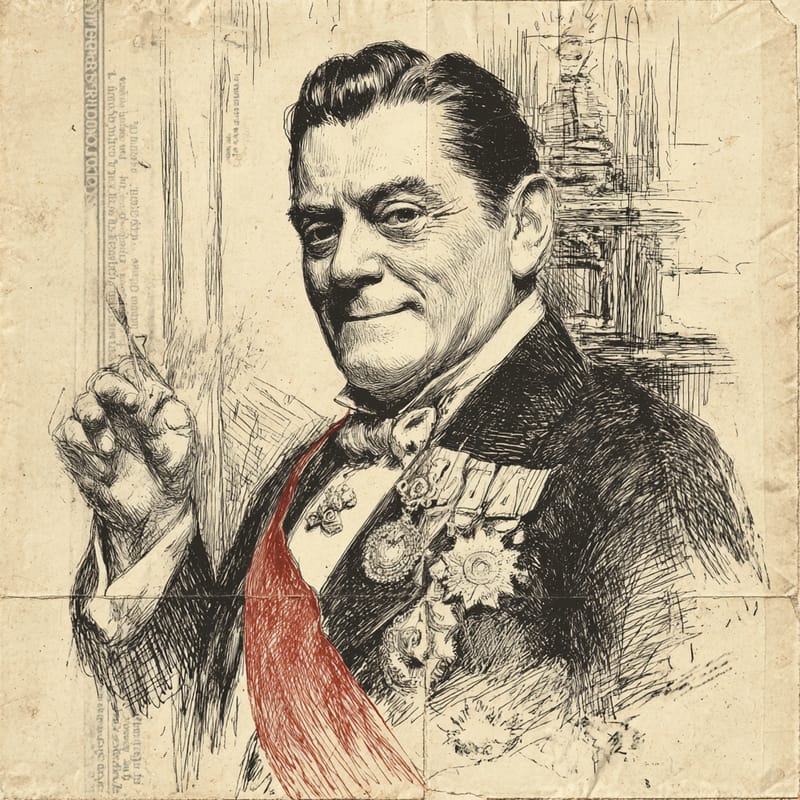
Juan Perón
Justicialism
The workers' strongman.
Rooted Left-Wing NationalistOne of 729 ideologies · enter the Left-Wing Nationalist hall →- Role
- President
- Era
- 1895–1974
- Region
- Argentina
- Social band
- Rooted
- Placement
- −66 · +54 · −26
§ Where Juan Perón stands
3 axesPerón built a labour-backed welfare and nationalisation state. As labour secretary from 1943 he introduced labour courts and the 1944 Statute of the Rural Worker, and as president he nationalised the central bank in 1946 and the British-owned railways in 1948, created a state monopoly over grain exports and launched a Five-Year Plan in 1947. Private property and capitalism survived under his Third Position.
Perón won free elections but governed as a charismatic authoritarian. The 1949 constitution allowed his re-election, the opposition newspaper La Prensa was expropriated in 1951, opponents were jailed, and unions were bound to the state through the Peronist-controlled CGT federation. He was ousted by a military coup in 1955 and his movement was banned for most of the following 18 years.
Perón's movement was socially conservative in tone, drawing on Catholic social teaching, nationalism and the cults of the leader and of Evita, and his government confirmed religious instruction in state schools in 1947. Yet the same year it gave women the vote, and his 1954 legalisation of divorce, in a break with the Church, showed a pragmatic streak.
How close are you to Juan Perón?
Three statements, one per axis. Answer them and we’ll drop you on the compass next to them.
§ The story
HistoricalJuan Domingo Perón (1895–1974) was an Argentine army officer who served three times as president, from 1946 to 1955 and from 1973 until his death. After a period as a military observer in Mussolini's Italy, he took part in the 1943 coup and built a mass following as head of the military government's labour office, granting unions benefits they had long sought. When rivals arrested him in October 1945, a huge workers' demonstration forced his release, and he won the 1946 presidential election.
With his wife Eva Perón he forged Justicialism, a Third Position between capitalism and communism resting on unions, nationalised industries and a leader cult. His governments raised workers' share of national income, enfranchised women and nationalised railways and utilities, but also muzzled the press, jailed opponents and clashed with the Catholic Church before a military coup ousted him in 1955. Peronism survived 18 years of proscription and his exile, and he returned to win the 1973 election. It remains a major force in Argentine politics, spanning factions from left to right.
Notable for
- 01Founded Peronism / Justicialism
- 02Labour-backed welfare state
- 03Dominated Argentine politics
Key works & moments
- 1943Joins the military coup and takes charge of labour policy for the new regime.
- 1945A mass rally on 17 October frees him from arrest; he marries Eva Duarte days later.
- 1946Elected president; nationalises the central bank, with the railways following in 1948.
- 1949A new constitution enshrines workers' rights and allows his re-election.
- 1955Overthrown by a military coup and sent into 18 years of exile, mostly in Madrid.
- 1973Returns from exile and wins a third presidency; dies in office in July 1974.
§ Minds closest to Juan Perón
All minds →
§ Also in the Left-Wing Nationalist hall
Enter the hall →§ Common questions
4 answersWhat was Juan Perón's political ideology?
Juan Perón founded Peronism, or Justicialism, a nationalist and labour-based populism: on the 99ideologies three-axis compass, a Rooted Left-Wing Nationalist. Economically he sat clearly to the left (−66), nationalising key industries and building a union-backed welfare state; on governance he was clearly authoritarian (+54), ruling through a leader cult, controlled unions and press restrictions; and socially he leaned traditional (−26), blending Catholic-inflected nationalism with pragmatic reforms such as women's suffrage.
Was Juan Perón left-wing or right-wing?
Both, which is why Peronism still confounds the labels. Economically Perón was clearly on the left, nationalising key industries and building a union-backed welfare state that raised workers' living standards. But his nationalism, military origins, leader cult, suppression of dissent and Catholic-inflected conservatism drew from the right, and in the 1970s both Montonero guerrillas and right-wing union bosses claimed his mantle. He is best described as a left-wing nationalist populist.
Was Juan Perón a fascist?
Most historians say no, though the comparison has dogged him since the 1940s. Perón admired aspects of Mussolini's Italy, borrowed corporatist ideas, curbed the press and opposition, and his Argentina admitted Nazi fugitives, among them Adolf Eichmann. But unlike fascism, Peronism came to power through elections, rested on organised labour rather than the middle classes, extended the vote to women and expanded social welfare. Scholars usually class it as a form of populism or national-populism rather than fascism.
Which minds are closest to Juan Perón?
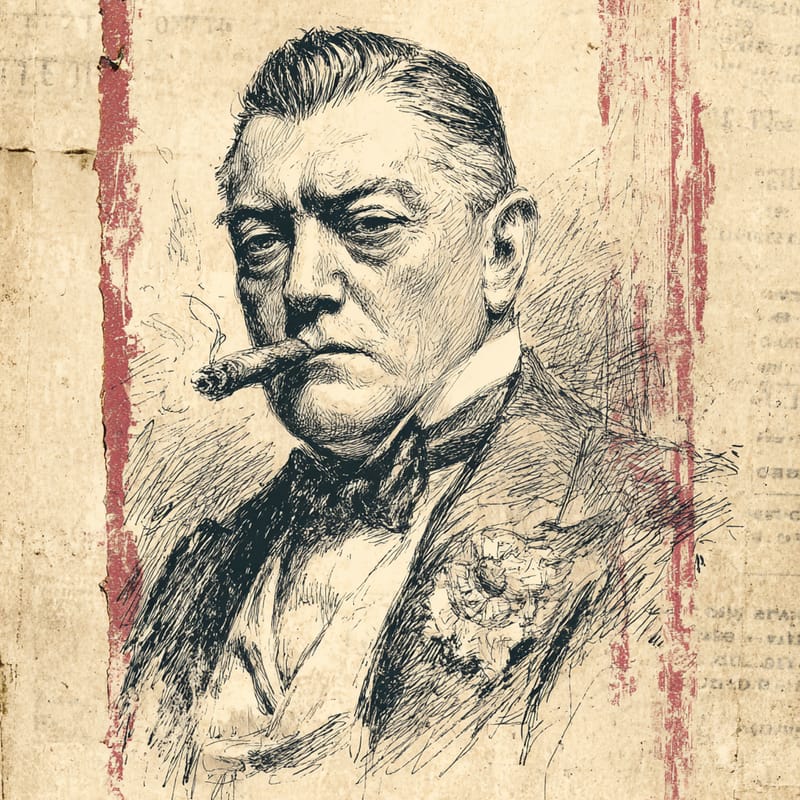
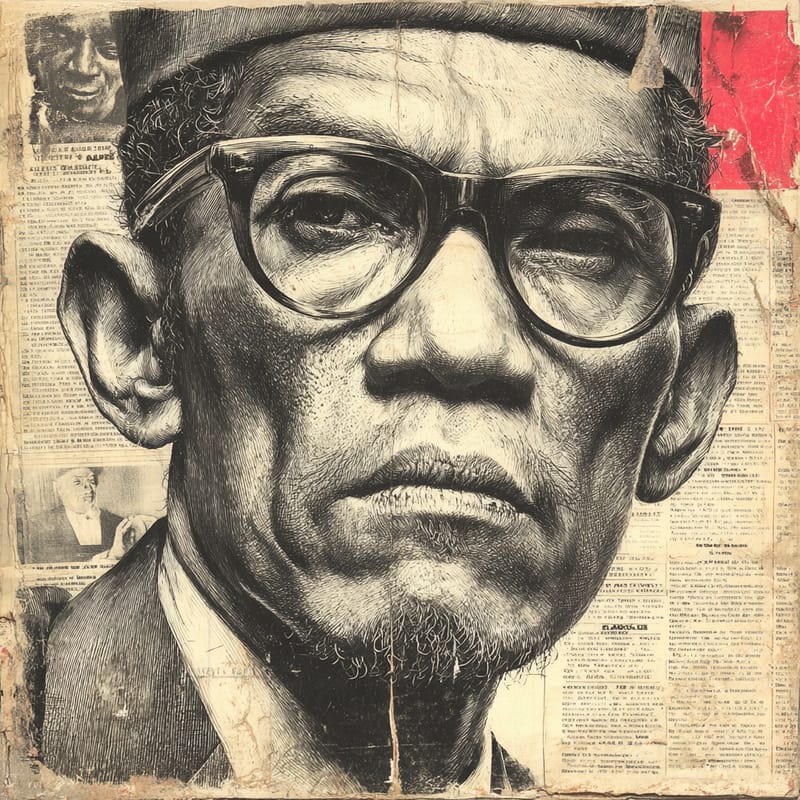
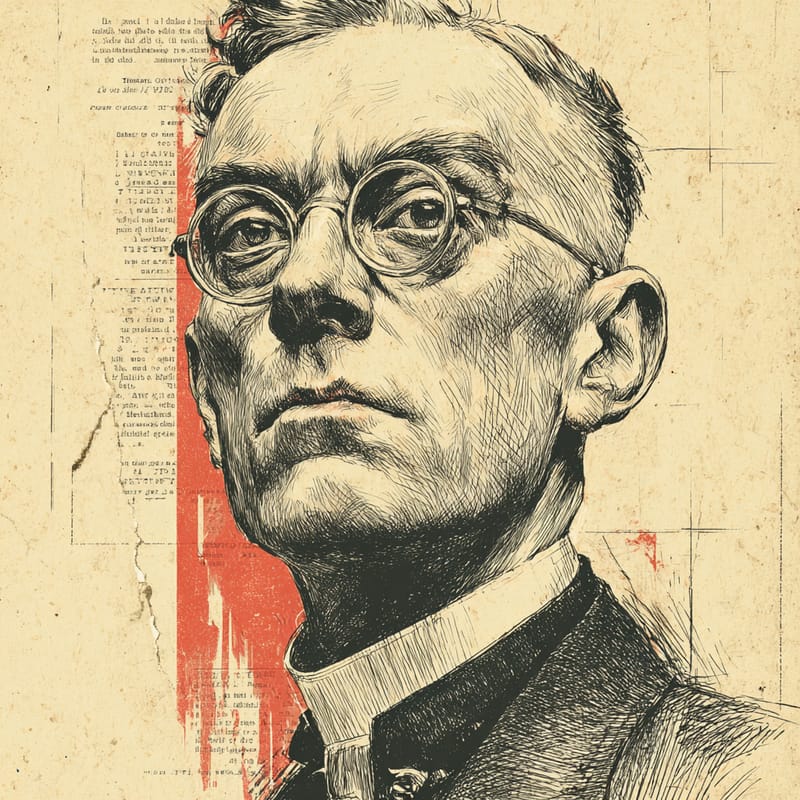
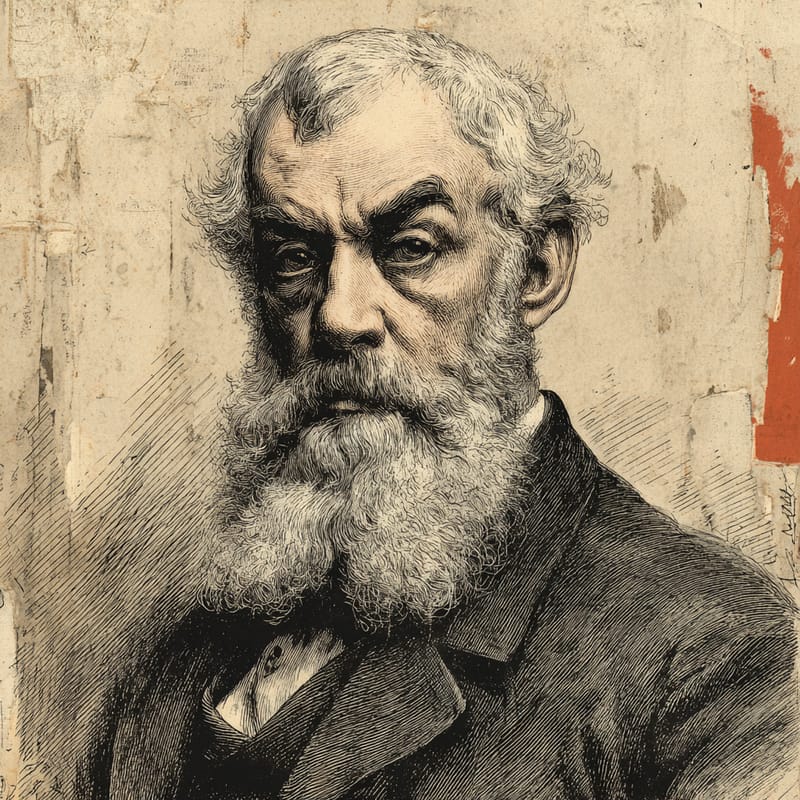
On the 99ideologies three-axis compass, the minds closest to Juan Perón are Gamal Abdel Nasser (96% alike), Willie Stark (96% alike) and Huey Long (95% alike). The furthest is Lysander Spooner (11% alike).