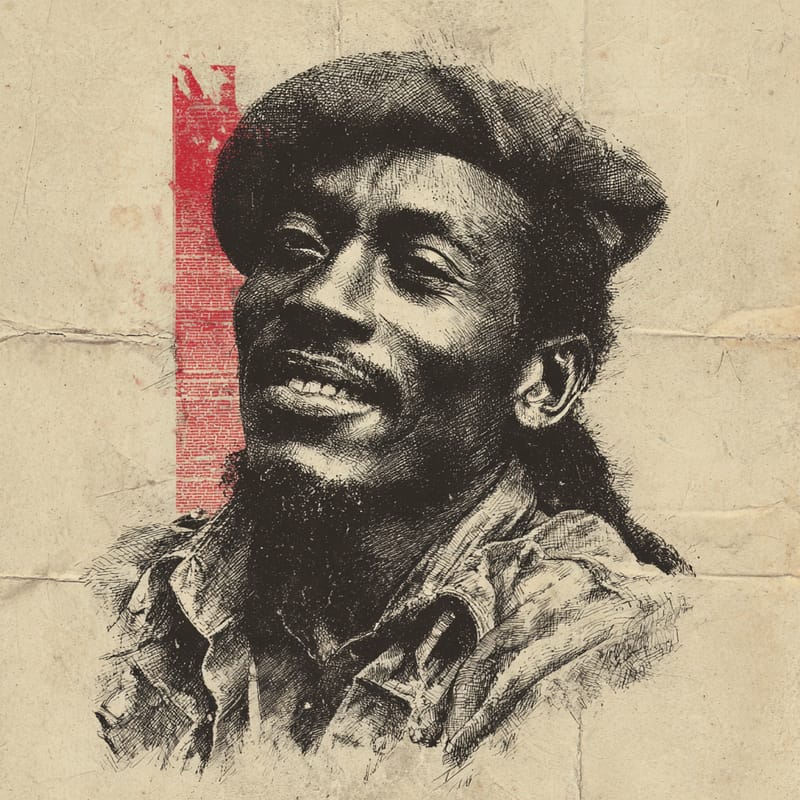
Thomas Sankara
Africa's Che
Self-reliance and revolution.
Heterodox Left-Wing NationalistOne of 729 ideologies · enter the Left-Wing Nationalist hall →- Role
- President
- Era
- 1949–1987
- Region
- Burkina Faso
- Social band
- Heterodox
- Placement
- −76 · +46 · +30
§ Where Thomas Sankara stands
3 axesSankara pursued a state-led, self-reliant economy. His 1984 agrarian and land reform nationalised land, he urged Burkinabè to eat local grain and wear locally woven Faso Dan Fani cloth rather than imports, and in July 1987 he told the Organisation of African Unity summit in Addis Ababa that African states should refuse to repay their foreign debts.
Sankara took power by coup and ruled through the National Council of the Revolution, with no elections or legal opposition. Committees for the Defence of the Revolution policed neighbourhoods and workplaces, and striking teachers were dismissed en masse in 1984. Yet he was personally austere: he cut ministers' pay and replaced the government's Mercedes fleet with modest Renault 5s.
On social questions Sankara was unusually radical for his time and region: he named women to cabinet posts, recruited them into the army and campaigned against female genital mutilation, forced marriage and polygamy. His speech of 8 March 1987 on women's emancipation became a classic, though this progressivism ran alongside revolutionary moralism and nationalist mobilisation.
How close are you to Thomas Sankara?
Three statements, one per axis. Answer them and we’ll drop you on the compass next to them.
§ The story
HistoricalThomas Isidore Noël Sankara (1949–1987) was a military officer who ruled Upper Volta, which he renamed Burkina Faso, from 1983 until his assassination. Trained partly in Madagascar and France, he won popular fame in a 1974 border war with Mali, served briefly as a junior information minister, resigning in protest in 1982, and became prime minister in January 1983; his arrest that May provoked mass protests. In August 1983 troops led by his friend Blaise Compaoré brought him to power in a coup.
At 33 he launched one of Africa's most ambitious revolutionary programmes: land reform, mass vaccination and literacy drives, tree planting against the advancing Sahel desert, an assault on official privilege and a vocal campaign for women's rights. His government also banned opposition parties, curbed trade unions and tried former officials in Popular Revolutionary Tribunals. On 15 October 1987 he was shot dead in a coup that brought Compaoré to power; in 2022 a military court convicted Compaoré in absentia of complicity in the murder. Sankara remains a Pan-African icon of integrity.
Notable for
- 01Renamed Upper Volta 'Burkina Faso'
- 02Mass vaccination and literacy drives
- 03Champion of women's rights
Key works & moments
- 1983Seizes power in an August coup led with Blaise Compaoré and becomes president.
- 1984Renames Upper Volta Burkina Faso, land of upright people, with a new flag and anthem.
- 1984Nationalises land and launches a nationwide child vaccination campaign.
- 1987Urges African leaders to refuse repayment of foreign debt at the OAU summit in Addis Ababa.
- 1987Killed with several aides in the 15 October coup that brings Compaoré to power.
- 2022A military court in Ouagadougou convicts Compaoré in absentia of complicity in his murder.
§ Minds closest to Thomas Sankara
All minds →

§ Also in the Left-Wing Nationalist hall
Enter the hall →§ Common questions
4 answersWhat was Thomas Sankara's political ideology?
Thomas Sankara was a revolutionary Pan-African socialist: on the 99ideologies three-axis compass, a Heterodox Left-Wing Nationalist. Economically he sat well to the left (−76), nationalising land and pursuing self-reliance against foreign debt and aid dependence. On governance he leaned authoritarian (+46), ruling through a military revolutionary council without elections. Socially he was moderately progressive (+30), radical on women's rights and the environment while mobilising the nation through revolutionary discipline.
Was Thomas Sankara left-wing or right-wing?
Left-wing. Sankara was a Marxist-influenced anti-imperialist who redistributed land, attacked privilege, denounced foreign debt as neo-colonial and aligned himself with Cuba and other revolutionary states. His nationalism, symbolised by renaming the country and promoting local produce, belonged to the anti-colonial left rather than the right. The nuance is governance: he took power by coup, banned parties and repressed unions, so admirers of his social programme also have to reckon with an unelected revolutionary regime.
Was Thomas Sankara a communist?
Not in the Soviet sense, though he was strongly influenced by Marxism. Sankara read Marx and Lenin, admired Cuba and governed with a coalition that included small Marxist-Leninist groups, and his speeches denounced imperialism and neo-colonialism in Marxist language. But he belonged to no Moscow-aligned party, kept Burkina Faso non-aligned, and rooted his programme of self-reliance, land reform and anti-corruption in Pan-African nationalism. He is best described as a revolutionary socialist and anti-imperialist rather than an orthodox communist.
Which minds are closest to Thomas Sankara?
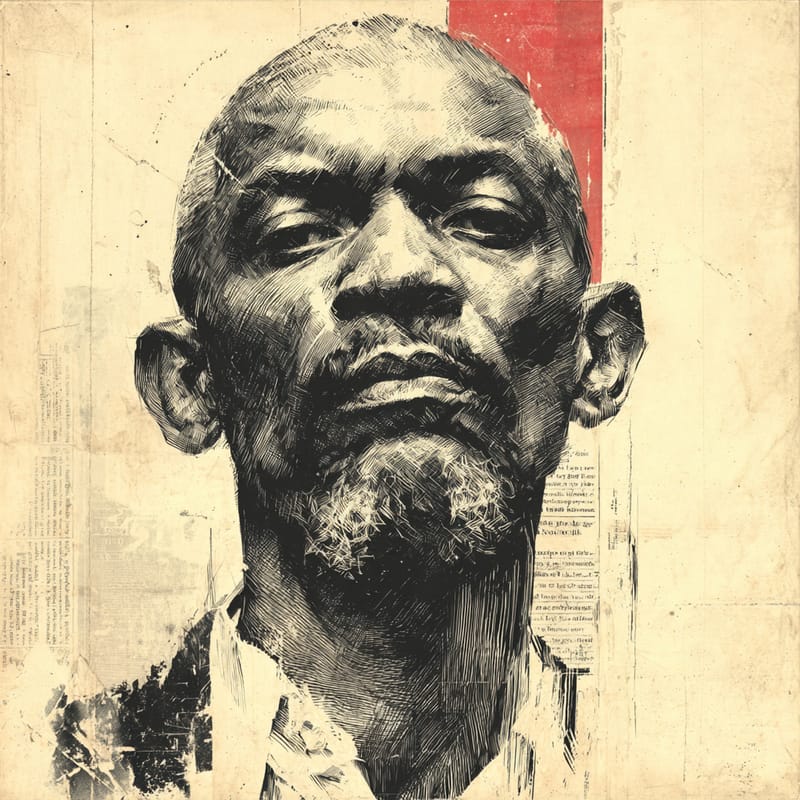
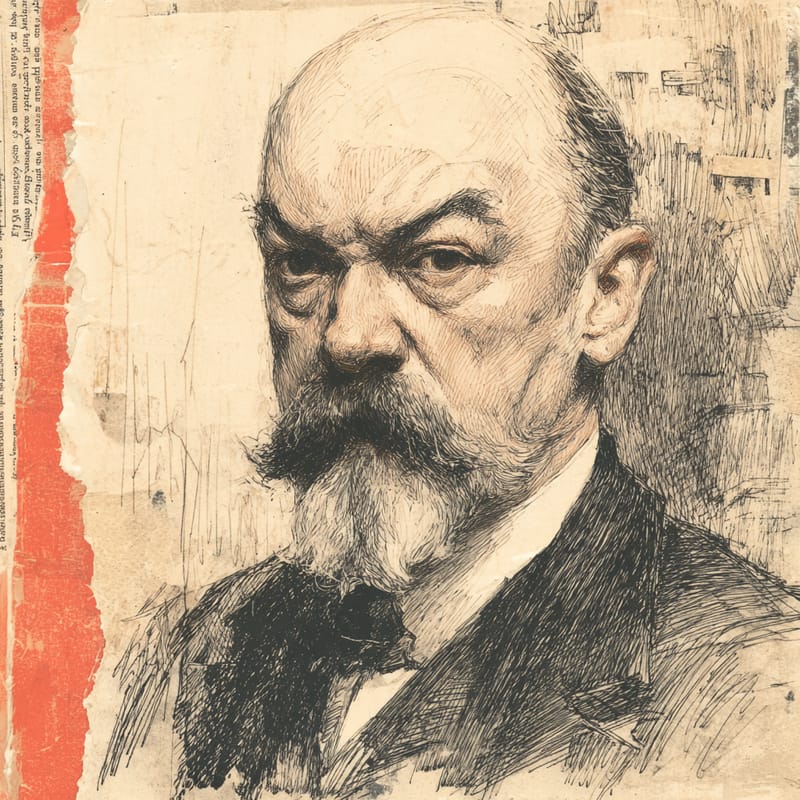
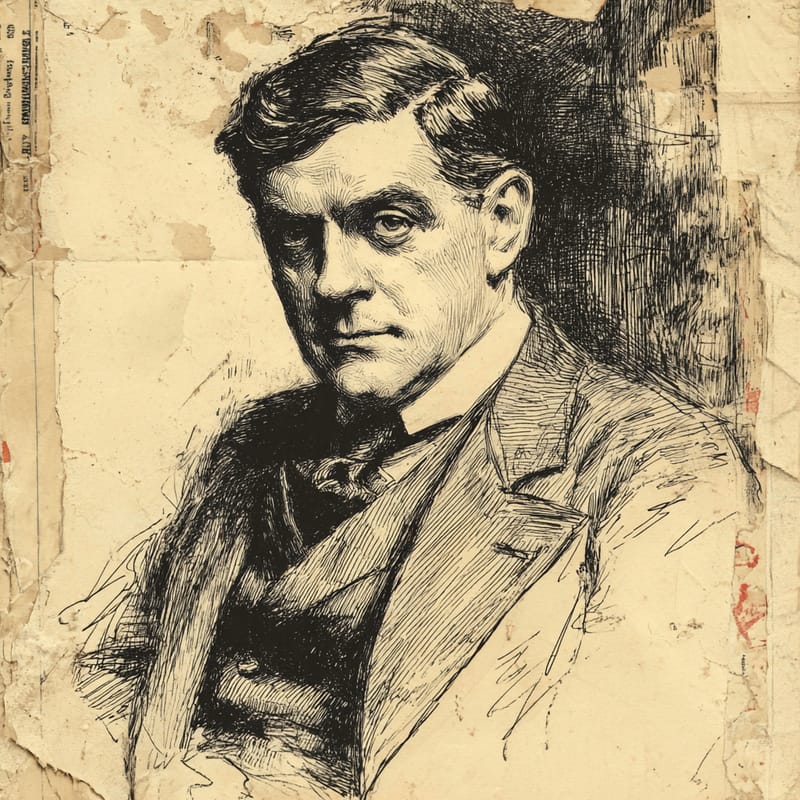
On the 99ideologies three-axis compass, the minds closest to Thomas Sankara are Hugo Chávez (95% alike), Sidney Webb (93% alike) and Julius Nyerere (92% alike). The furthest is Hans-Hermann Hoppe (5% alike).