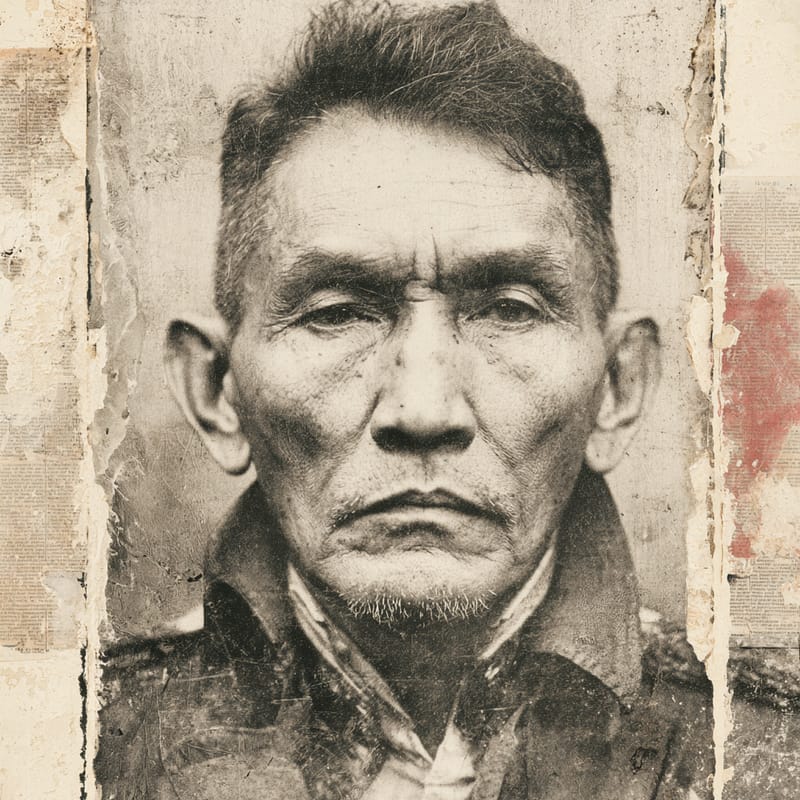
Ne Win
Left-Wing NationalistOne of 729 ideologies · enter the Left-Wing Nationalist hall →- Role
- —
- Era
- —
- Region
- —
- Social band
- Centre (no modifier)
- Placement
- −75 · +50 · 0
§ Where Ne Win stands
3 axesNe Win's Revolutionary Council proclaimed The Burmese Way to Socialism in April 1962 and over the next two years nationalised banks, foreign trade, major industries and even retail shops, driving out Indian and Chinese merchants. The result was a nominally socialist command economy, autarkic and riddled with black markets, rather than a Marxist collectivisation of the peasantry.
Ne Win ruled by force after the 1962 coup: the Revolutionary Council suspended the constitution, a 1964 law banned every party except his Burma Socialist Programme Party, and the 1974 constitution enshrined one-party rule. The army fought long wars against ethnic insurgents, and in his July 1988 resignation speech he warned that if the army had to shoot, it would shoot to hit.
Ne Win's social outlook was xenophobic and isolationist. His regime pushed out Burma's Indian and Chinese commercial communities through the nationalisations of 1963–64, severely restricted foreign visitors and influences, and the 1982 Citizenship Law created a tiered citizenship that left the Rohingya effectively stateless. Students and dissenters met force, from the 1962 dynamiting of the Rangoon University students' union onward.
How close are you to Ne Win?
Three statements, one per axis. Answer them and we’ll drop you on the compass next to them.
§ The story
HistoricalNe Win (c. 1910–2002), born Shu Maung, was the military ruler of Burma, now Myanmar, for 26 years. One of the Thirty Comrades whom Aung San led to Japanese military training in 1941, he rose through the independence army to become commander-in-chief in 1949, headed a caretaker government in 1958–60 and in March 1962 overthrew the elected prime minister, U Nu. He ruled through a Revolutionary Council, then as president from 1974 to 1981 and as head of the sole legal party until 1988.
His Burmese Way to Socialism nationalised banks, industry and trade, pushed out foreign business and sealed the country off, turning a land that had once been the world's largest rice exporter into one the UN classed as least developed in 1987. Repression was constant, from the 1962 killing of student protesters at Rangoon University to long wars against ethnic insurgencies. Demonetisations in 1985 and 1987 that wiped out savings helped trigger the 1988 uprising; he resigned that July, and the army crushed the protests. He died under house arrest in 2002.
Key works & moments
- 1941Trains with Aung San's Thirty Comrades under Japanese sponsorship to fight British rule.
- 1962Seizes power in a March coup and proclaims the Burmese Way to Socialism.
- 1964Bans all parties except his Burma Socialist Programme Party as nationalisations reach retail trade.
- 1974A new constitution makes Burma a one-party socialist republic with Ne Win as president.
- 1987Demonetises most banknotes, wiping out savings; the UN classes Burma as least developed.
- 1988Resigns amid mass protests; the army crushes the uprising and takes power directly.
§ Minds closest to Ne Win
All minds →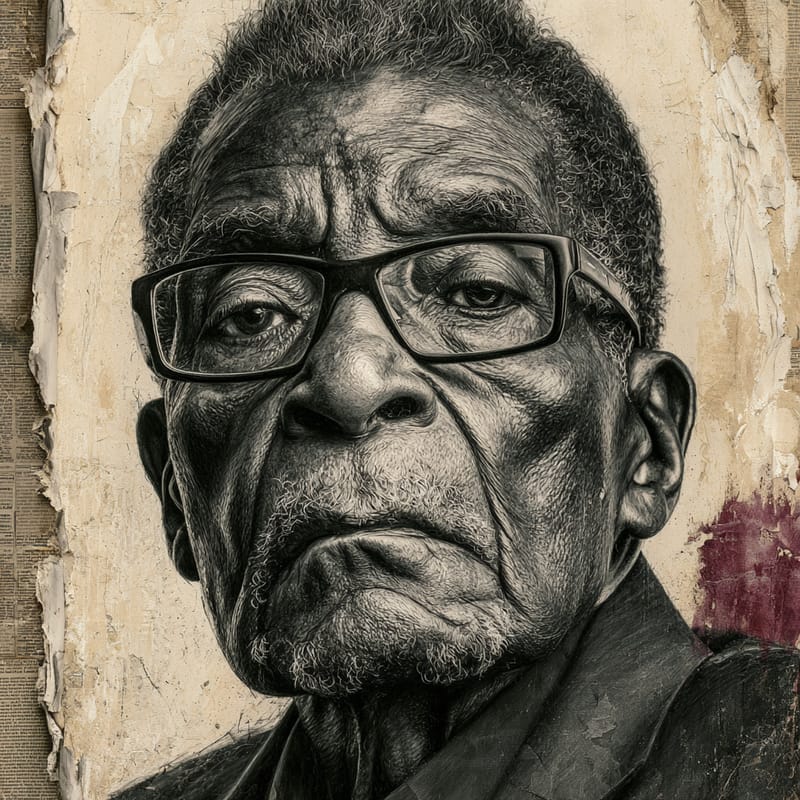


§ Also in the Left-Wing Nationalist hall
Enter the hall →§ Common questions
4 answersWhat was Ne Win's political ideology?
Ne Win was a military socialist and nationalist: on the 99ideologies three-axis compass, a Left-Wing Nationalist. Economically he sat well to the left (−75), nationalising almost every bank, factory and shop under the Burmese Way to Socialism; on governance he was clearly authoritarian (+50), ruling through the army and a single party. The compass leaves his social axis unrated, but his record was one of xenophobic, isolationist nationalism that pushed out minorities and shut Burma off from the world.
Was Ne Win left-wing or right-wing?
Economically left-wing, politically a military authoritarian. Ne Win nationalised nearly the whole economy and called his programme socialism, which places him on the economic left, and he kept Burma neutral between the Cold War blocs. But his regime was a military dictatorship built on ethnic-majority nationalism, hostility toward Indian and Chinese minorities and isolation from the outside world, traits often associated with the nationalist right. A left-wing nationalist military regime is the most accurate description.
What was the Burmese Way to Socialism?
It was the official ideology that Ne Win's Revolutionary Council proclaimed in April 1962, weeks after his coup. Blending Marxist-sounding economics, Buddhist concepts and Burmese nationalism, it rejected both parliamentary democracy and alignment with either Cold War bloc. In practice it meant nationalising banks, industry and trade, expelling foreign capital, single-party rule from 1964 and near-total isolation. It is widely judged an economic failure: in 1987 the UN classed Burma as a least developed country, and the system collapsed in the 1988 uprising.
Which minds are closest to Ne Win?
On the 99ideologies three-axis compass, the minds closest to Ne Win are Robert Mugabe (100% alike), The Liberator (archetype) (98% alike) and Julius Nyerere (95% alike). The furthest is Hans-Hermann Hoppe (8% alike).