
Sukarno
Guided democracy
Nationalism, religion, communism — in one.
Left-Wing NationalistOne of 729 ideologies · enter the Left-Wing Nationalist hall →- Role
- President
- Era
- 1901–1970
- Region
- Indonesia
- Social band
- Centre (no modifier)
- Placement
- −64 · +52 · −10
§ Where Sukarno stands
3 axesSukarno's Marhaenism, named after a poor farmer he said he met in the 1920s, championed small producers against colonial capital. In power he seized and nationalised Dutch enterprises from 1957, expanded state firms under a Guided Economy and in 1965 preached Berdikari, standing on one's own feet, against foreign aid and investment. The result was a state-led, increasingly chaotic economy with soaring inflation rather than full socialist planning.
Sukarno grew impatient with parliamentary politics. In 1957 he declared martial law and promoted Guided Democracy; by decree on 5 July 1959 he dissolved the elected Constituent Assembly and restored the presidential 1945 constitution, and in 1960 he dissolved parliament and banned the Masyumi and Socialist parties. In 1963 the provisional People's Consultative Assembly named him president for life.
Socially Sukarno sought to hold a vast, diverse archipelago together. The Pancasila he outlined on 1 June 1945 joined belief in God to nationalism, humanitarianism, democracy and social justice, accommodating Muslims, Christians and Hindus without an Islamic state, and his NASAKOM slogan fused nationalism, religion and communism. He drew freely on Javanese tradition and wayang imagery, tempering his revolutionary modernism.
How close are you to Sukarno?
Three statements, one per axis. Answer them and we’ll drop you on the compass next to them.
§ The story
HistoricalSukarno (1901–1970), who like many Javanese used a single name, led Indonesia's independence movement and was the country's first president, from 1945 to 1967. A Bandung-trained engineer, he founded the Indonesian Nationalist Party in 1927 and spent years in Dutch prisons and internal exile. He worked with the Japanese occupiers during the Second World War, then proclaimed independence with Mohammad Hatta on 17 August 1945 and led the republic through four years of war and diplomacy against the Dutch.
A spellbinding orator, Sukarno gave the new nation its founding philosophy, the Pancasila, and made it a leader of the post-colonial world by hosting the 1955 Bandung Conference. From 1959 he ruled through Guided Democracy, balancing the army against the large Communist Party, while confronting Malaysia and presiding over economic collapse. After the abortive 30 September Movement of 1965, the army under Suharto blamed the communists and led mass killings of an estimated 500,000 to one million people, then gradually stripped Sukarno of power. He died under house arrest in 1970.
Notable for
- 01Led Indonesian independence
- 02Co-hosted the Bandung Conference
- 03'Guided democracy'
Key works & moments
- 1927Founds the Indonesian Nationalist Party to campaign for independence from Dutch rule.
- 1930Tried by the Dutch; his defence speech, Indonesia Accuses, becomes a nationalist classic.
- 1945Sets out the Pancasila on 1 June; proclaims independence with Mohammad Hatta on 17 August.
- 1955Hosts the Asian–African Conference at Bandung, a founding moment of non-alignment.
- 1959Dissolves the Constituent Assembly by decree and restores the 1945 constitution under Guided Democracy.
- 1965–67After the 30 September Movement, the army under Suharto strips him of power.
In their own words
“We, the people of Indonesia, hereby declare the independence of Indonesia.”
§ Minds closest to Sukarno
All minds →



§ Also in the Left-Wing Nationalist hall
Enter the hall →§ Common questions
4 answersWhat was Sukarno's political ideology?
Sukarno was an anti-colonial nationalist who tried to fuse nationalism, religion and communism: on the 99ideologies three-axis compass, a Left-Wing Nationalist. Economically he sat clearly to the left (−64), nationalising Dutch enterprises and favouring a state-led, self-reliant economy; on governance he was clearly authoritarian (+52), replacing parliamentary democracy with Guided Democracy; and socially he sat just on the traditional side of centre (−10), blending revolutionary modernism with religion and Javanese heritage.
Was Sukarno left-wing or right-wing?
Left of centre, and increasingly left in his final years. Sukarno was an anti-colonial nationalist who nationalised Dutch firms, preached anti-imperialism and from the late 1950s leaned on the Indonesian Communist Party, then the largest outside the communist bloc, while drawing closer to China. But he was never a Marxist-Leninist: he balanced the communists against the army and religious parties, and his nationalism and appeal to Javanese tradition made him a left-wing nationalist rather than a communist.
What was Guided Democracy in Indonesia?
Guided Democracy was Sukarno's system of rule from 1959 until the crisis of 1965–66. Arguing that Western-style parliamentary democracy suited neither Indonesia nor its tradition of deliberation and consensus, he replaced competitive party politics with strong presidential power, appointed legislatures and a balancing act between the army, nationalist and religious parties and the Communist Party. It began with his 5 July 1959 decree restoring the 1945 constitution and ended after the 1965 crisis, when Suharto's army-dominated New Order replaced it.
Which minds are closest to Sukarno?
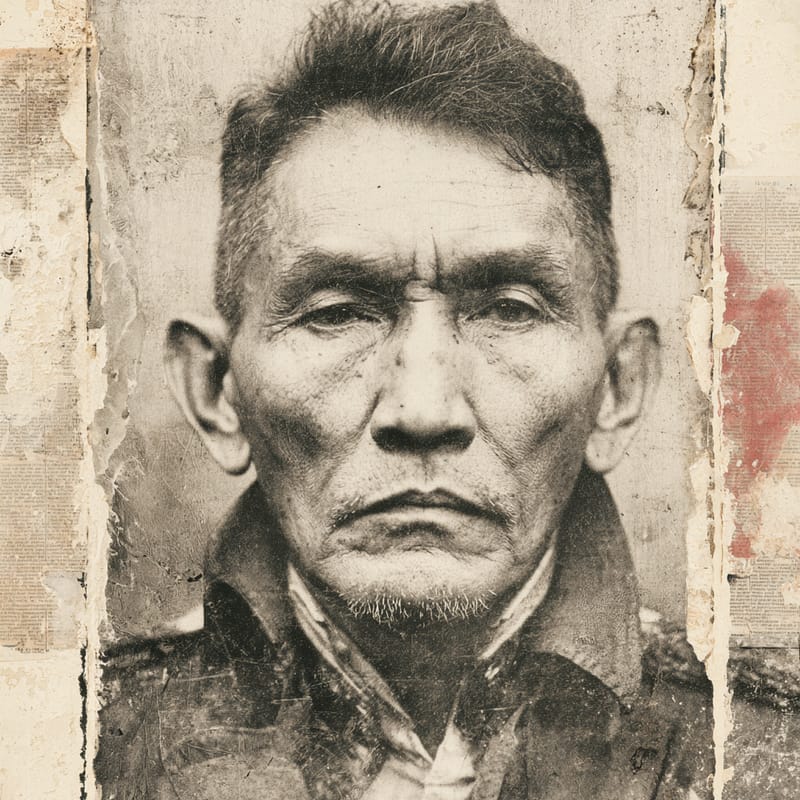
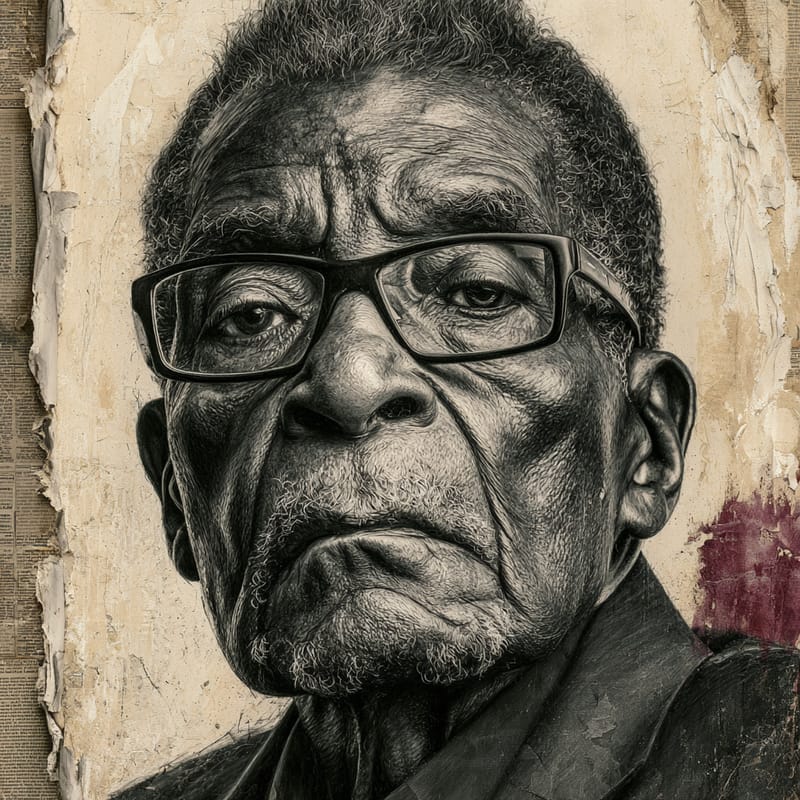
On the 99ideologies three-axis compass, the minds closest to Sukarno are Gamal Abdel Nasser (96% alike), Huey Long (95% alike) and Ne Win (94% alike). The furthest is Hans-Hermann Hoppe (12% alike).