
The Liberator (archetype)
The nation, freed and shared
Liberation and redistribution as one cause.
Left-Wing NationalistOne of 729 ideologies · enter the Left-Wing Nationalist hall →- Role
- Anti-colonial revolutionary
- From
- Archetype
- Region
- —
- Social band
- Centre (no modifier)
- Placement
- −72 · +48 · +5
§ Where The Liberator (archetype) stands
3 axesThe Liberator seizes the commanding heights in the name of the nation. Algeria's 1963 decrees placing abandoned settler estates under workers' self-management and Mozambique's 1975 nationalisation of land are typical. Redistribution is the goal, but the motive is national as much as Marxist, so small private trade and farming usually survive alongside state enterprises and cooperatives.
To break colonial and oligarchic structures, the Liberator concentrates power in a single party and often in one person. Ghana became a one-party state by referendum in 1964, and Guinea under Sékou Touré imprisoned thousands of opponents at Camp Boiro. Elections, where held, ratify rather than decide, though the regime claims to rule for the whole people rather than a class or clique.
Socially the Liberator stands near the centre, fusing modernising ambitions such as mass schooling and secular nation-building with appeals to pre-colonial heritage and national pride, often through revived indigenous names: the Gold Coast became Ghana in 1957 and Dahomey became Benin in 1975. Neither cosmopolitan nor reactionary, the archetype's social outlook serves national unity above all.
How close are you to The Liberator (archetype)?
Three statements, one per axis. Answer them and we’ll drop you on the compass next to them.
§ The story
ArchetypeThe Liberator is the leader of an anti-colonial or anti-oligarchic struggle who treats national independence and social redistribution as a single cause. Having led a party or guerrilla army to freedom, the Liberator nationalises foreign-owned assets, redistributes land and builds a single mass party around the nation's founding myth. The pattern fits Kwame Nkrumah in Ghana after 1957, Sékou Touré in Guinea after 1958, Ahmed Ben Bella in Algeria after 1962 and Samora Machel in Mozambique after 1975.
The archetype recurs because colonial rule often left economies owned by foreigners and settlers, so political independence seemed hollow without economic redistribution, and because the struggle itself rewards discipline and unity over pluralism. It reveals a lasting tension: the concentrated power that breaks colonial and oligarchic structures can harden into one-party rule, personality cults and coups, as with Ben Bella's overthrow in 1965 and Nkrumah's in 1966. Its legacy lives on in founding-father cults and in debates about economic sovereignty across the Global South.
Notable for
- 01National liberation
- 02Redistribution
- 03Anti-colonialism
Key works & moments
- 1955The Bandung Conference gathers newly independent Asian and African states against colonialism.
- 1957Kwame Nkrumah leads Ghana to independence from Britain, inspiring liberation movements across Africa.
- 1958Guinea under Sékou Touré rejects de Gaulle's French Community and becomes independent.
- 1961Frantz Fanon publishes The Wretched of the Earth, a manifesto of anti-colonial revolution.
- 1962Algeria wins independence from France after an eight-year war of liberation.
- 1975Samora Machel's Frelimo takes power in an independent Mozambique and nationalises land.
§ Minds closest to The Liberator (archetype)
All minds →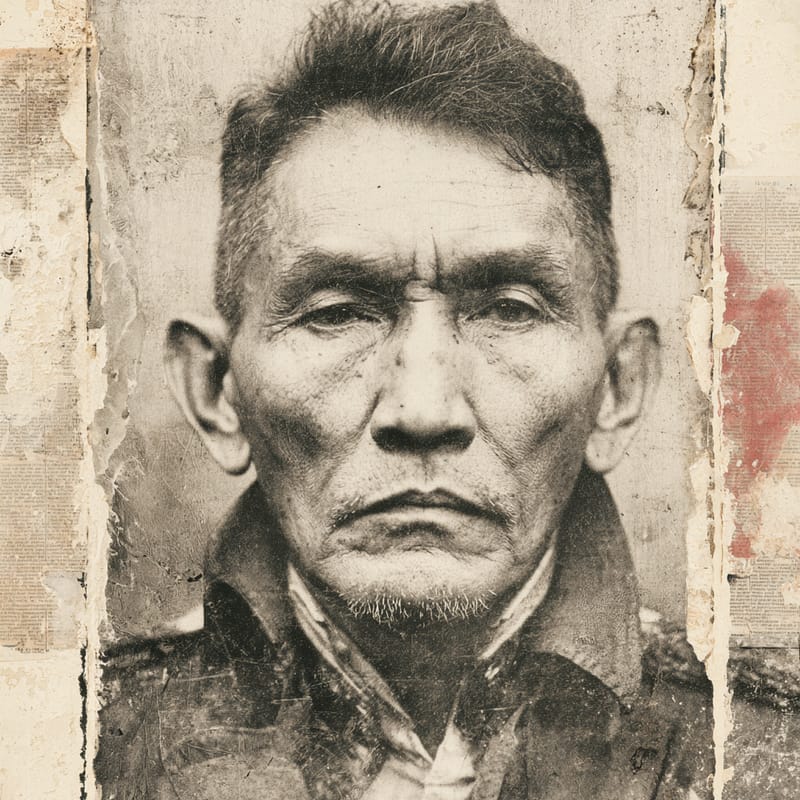


§ Also in the Left-Wing Nationalist hall
Enter the hall →§ Common questions
4 answersWhat is the political ideology of the Liberator archetype?
The Liberator stands for anti-colonial left-wing nationalism: on the 99ideologies three-axis compass, a Left-Wing Nationalist. The archetype is strongly socialist economically (−72), nationalising foreign-owned assets and redistributing land; it leans clearly authoritarian on governance (+48), concentrating power in a liberation party; and it sits close to the centre socially (+5), blending modernisation with national heritage. It fuses two causes that elsewhere often pull apart: the independence of the nation and the redistribution of its wealth.
Is the Liberator left-wing or right-wing?
Left-wing on economics, mixed on everything else. The Liberator redistributes land, nationalises the commanding heights and usually borrows the language of socialism, which places the archetype firmly on the economic left. But its nationalism, its cult of the founding leader and its single mass party can resemble movements of the right, and many liberation regimes drifted toward personal rule. Its defining loyalty is to the nation's people as a whole rather than to an international working class.
What is left-wing nationalism?
Left-wing nationalism combines the pursuit of national sovereignty with egalitarian economics. Unlike right-wing nationalism, which usually defends inherited hierarchies and often defines the nation ethnically, it typically defines the nation against colonial powers, foreign capital or a domestic oligarchy, and uses the state to redistribute wealth to the majority. It flourished in the anti-colonial movements after 1945, from the Bandung Conference of 1955 to the African independence wave of the 1960s, and survives in campaigns for economic sovereignty and debt relief.
Which minds are closest to The Liberator (archetype)?
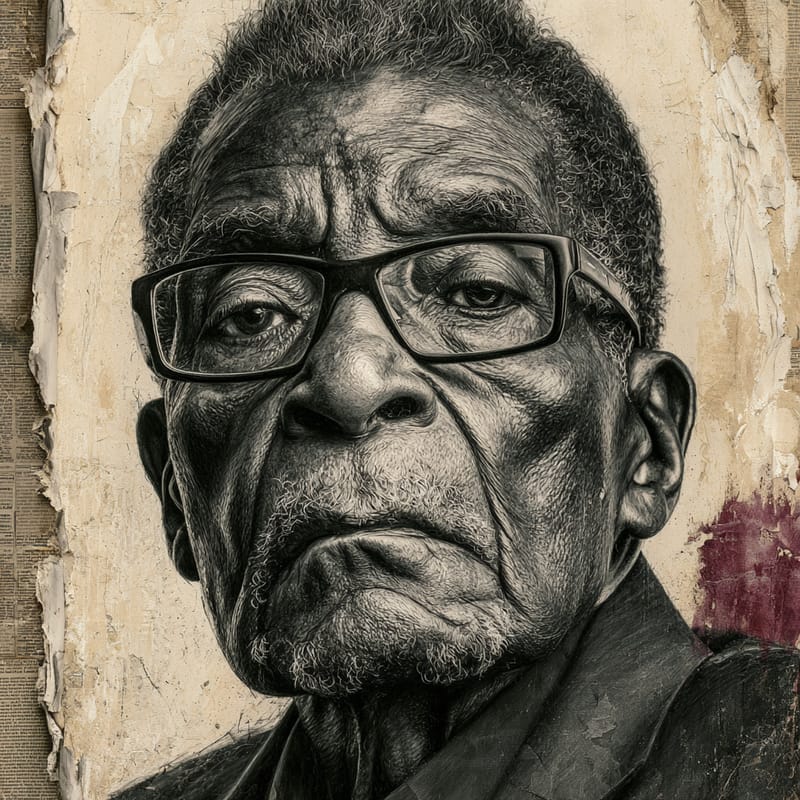
On the 99ideologies three-axis compass, the minds closest to The Liberator (archetype) are Ne Win (98% alike), Robert Mugabe (98% alike) and Julius Nyerere (96% alike). The furthest is Hans-Hermann Hoppe (9% alike).