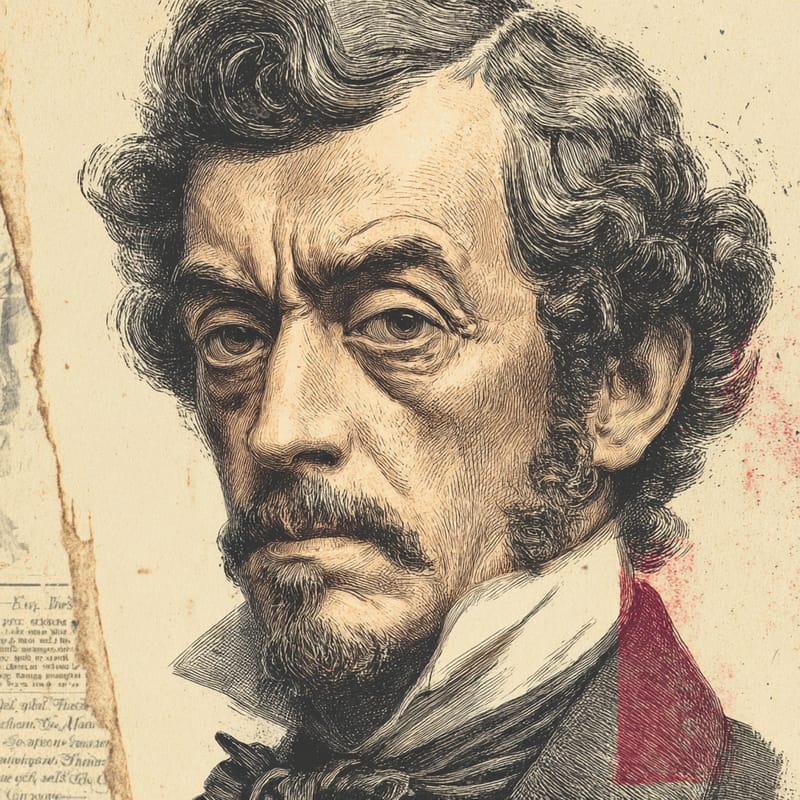
Benjamin Disraeli
One-nation Tory
Crown, empire, and reform from above.
Rooted ConservativeOne of 729 ideologies · enter the Conservative hall →- Role
- Prime Minister
- Era
- 1804–1881
- Region
- United Kingdom
- Social band
- Rooted
- Placement
- +42 · +24 · −30
§ Where Benjamin Disraeli stands
3 axesDisraeli rose by defending the landed interest, leading Tory protectionists against Robert Peel's repeal of the Corn Laws in 1846, though he later accepted free trade as settled. His 1874–80 government combined fiscal caution with paternalist reform, from the Artisans' and Labourers' Dwellings Improvement Act and Public Health Act of 1875 to laws legalising peaceful picketing, without challenging property or the market.
Disraeli was a romantic monarchist and imperialist who believed in strong national institutions. He made Queen Victoria Empress of India through the Royal Titles Act 1876, bought the Suez Canal shares in 1875 before seeking Parliament's approval, and pursued an assertive foreign policy at the 1878 Congress of Berlin. Yet his Second Reform Act of 1867 roughly doubled the electorate.
Disraeli defended the Church of England, the monarchy and the aristocracy as the framework of national life, and his novels Coningsby (1844) and Sybil (1845) idealised a paternal aristocracy caring for the poor. His aim of healing the 'two nations' of rich and poor sought to reconcile the classes within that traditional order, accepting reform to preserve hierarchy rather than to overturn it.
How close are you to Benjamin Disraeli?
Three statements, one per axis. Answer them and we’ll drop you on the compass next to them.
§ The story
HistoricalBenjamin Disraeli (1804–1881), created Earl of Beaconsfield in 1876, was prime minister of the United Kingdom in 1868 and from 1874 to 1880. Born in London to a Jewish family and baptised into the Church of England at twelve, he made his name as a novelist and dandy before entering Parliament in 1837. He rose by attacking Robert Peel over the repeal of the Corn Laws in 1846, led the Conservatives in the Commons and served three times as chancellor of the exchequer under Lord Derby.
Disraeli's Second Reform Act of 1867 enfranchised much of the urban working class, and his 1874–80 government passed a wave of social legislation on housing, public health and trade unions. He bought Britain a major stake in the Suez Canal, made Queen Victoria Empress of India and returned from the 1878 Congress of Berlin claiming peace with honour. His rivalry with William Gladstone defined Victorian politics. He faced antisemitic abuse throughout his career, and later Conservatives invoked his idea of uniting the 'two nations' of rich and poor as one-nation conservatism.
Notable for
- 01Second Reform Act, 1867
- 02Bought the Suez Canal shares
- 03Founded 'one-nation' conservatism
Key works & moments
- 1845Publishes Sybil, or The Two Nations, depicting the gulf between rich and poor.
- 1846Leads Tory protectionists against Robert Peel's repeal of the Corn Laws.
- 1867Steers the Second Reform Act through Parliament as chancellor of the exchequer.
- 1872Sets out Conservative principles of institutions, empire and social reform at the Crystal Palace.
- 1875Buys the Khedive of Egypt's Suez Canal shares; passes major public health and housing laws.
- 1878Represents Britain at the Congress of Berlin, gaining Cyprus.
§ Minds closest to Benjamin Disraeli
All minds →



§ Also in the Conservative hall
Enter the hall →§ Common questions
4 answersWhat was Benjamin Disraeli's political ideology?
Benjamin Disraeli was a Tory paternalist, the figure later Conservatives hailed as the founder of one-nation conservatism: on the 99ideologies three-axis compass, a Rooted Conservative. Economically he sat right of centre (+42), defending property and the landed interest while accepting social reform. On governance he leaned towards strong national institutions (+24), from the monarchy and empire to an extended franchise, and socially he was a traditionalist (−30), upholding Church, Crown and aristocracy while seeking to reconcile the classes.
Was Benjamin Disraeli left-wing or right-wing?
Right-wing in the terms of his time, though not a free-market conservative. Disraeli led the Conservative Party and defended the monarchy, the established Church, the aristocracy and the empire. But he extended the vote to many working men, legalised peaceful picketing and passed public health and housing laws, believing that a paternal Tory elite should improve the condition of the people, which places him on the reforming, paternalist wing of the right.
What is one-nation conservatism?
It is the tradition, traced back to Disraeli, which holds that conservatives should bind society together by improving the lives of the poor rather than leaving them to the market. The phrase draws on his 1845 novel Sybil, which described Britain as two nations, the rich and the poor, with no sympathy between them. Disraeli never used the exact label, but his 1867 Reform Act and 1870s social laws became its model, and twentieth-century Conservatives such as Harold Macmillan claimed his legacy.
Which minds are closest to Benjamin Disraeli?
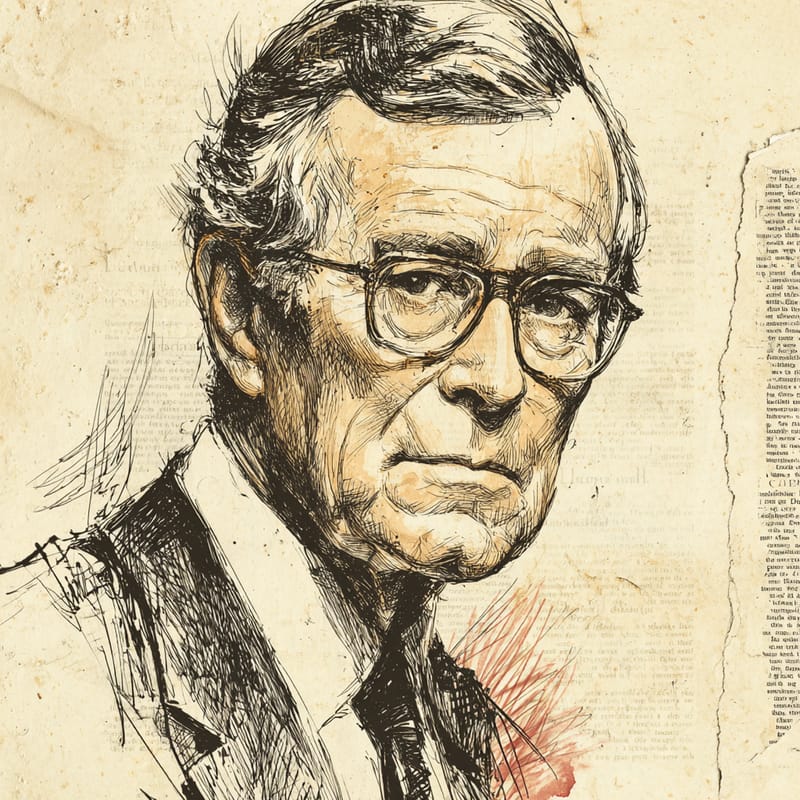
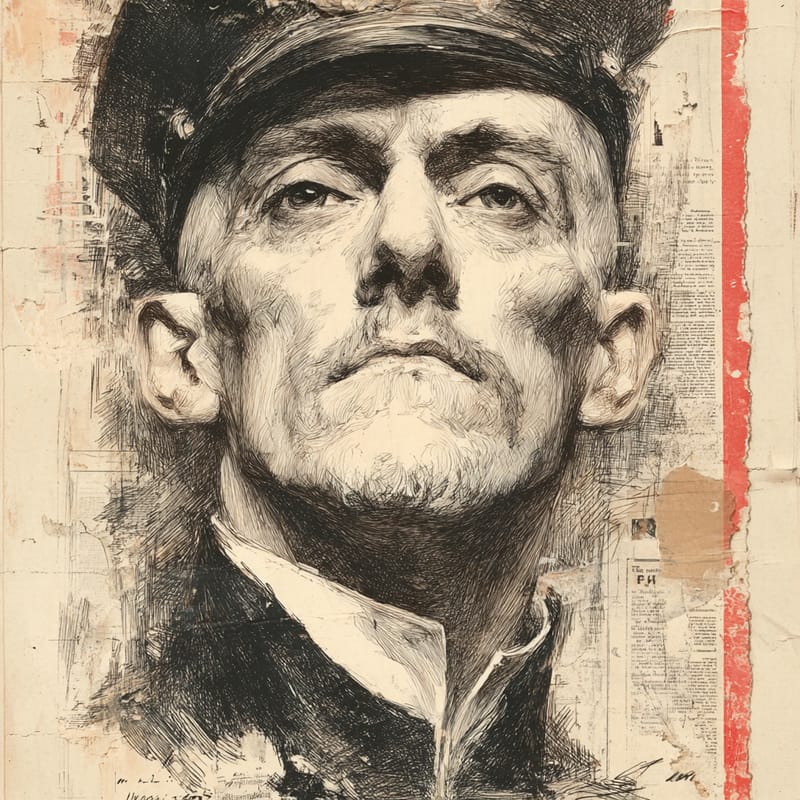
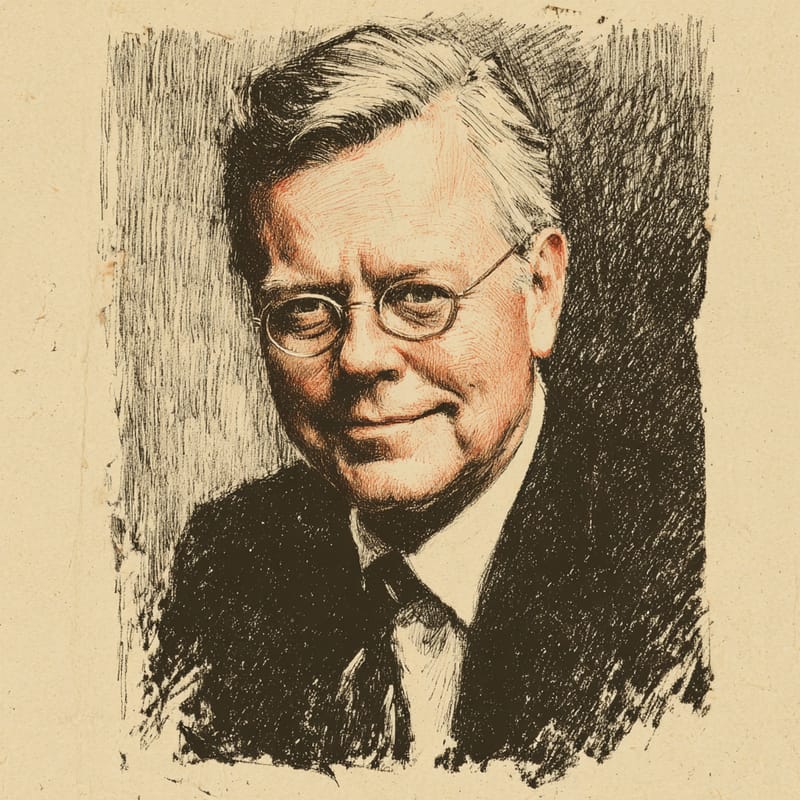
On the 99ideologies three-axis compass, the minds closest to Benjamin Disraeli are Helmut Kohl (96% alike), George H. W. Bush (95% alike) and Charles de Gaulle (95% alike). The furthest is Emma Goldman (15% alike).