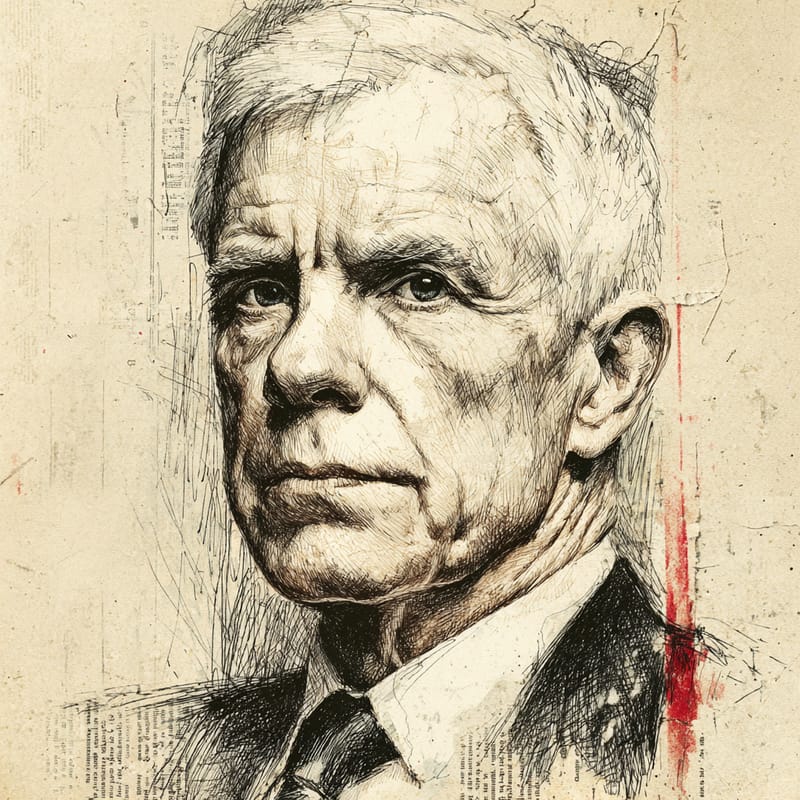
John McCain
The maverick
Market conservatism with an independent streak.
Rooted Liberal ConservativeOne of 729 ideologies · enter the Liberal Conservative hall →- Role
- Senator
- Era
- 1936–2018
- Region
- United States
- Social band
- Rooted
- Placement
- +48 · +10 · −30
§ Where John McCain stands
3 axesMcCain was a free-trader and fiscal hawk who campaigned against earmarks and proposed cutting the corporate tax rate in 2008. But he voted against the Bush tax cuts of 2001 and 2003, sponsored a 1998 bill to raise cigarette taxes and regulate tobacco, and co-sponsored the 2003 Climate Stewardship Act with Joe Lieberman to cap carbon emissions, which keeps him short of the hard free-market right.
McCain was a hawk who backed the 2003 invasion of Iraq and championed the 2007 troop surge, and his 2002 campaign-finance law with Russ Feingold imposed new limits on party fundraising and political advertising. Yet he was also a defender of legal limits on state power: having been tortured himself, he won the Detainee Treatment Act of 2005 banning cruel, inhuman or degrading treatment of prisoners.
McCain compiled an anti-abortion voting record, supported state constitutional bans on same-sex marriage and opposed the 2010 repeal of Don't Ask, Don't Tell. But he voted against a federal marriage amendment, sponsored immigration reform with Ted Kennedy in 2005 that included a path to citizenship, and in 2000 condemned Jerry Falwell and Pat Robertson as agents of intolerance.
How close are you to John McCain?
Three statements, one per axis. Answer them and we’ll drop you on the compass next to them.
§ The story
HistoricalJohn Sidney McCain III (1936–2018) was a United States senator from Arizona from 1987 until his death and the Republican presidential nominee in 2008. The son and grandson of four-star admirals, he graduated from the Naval Academy in 1958 and became a naval aviator. Shot down over Hanoi in 1967, he spent five and a half years as a prisoner of war, enduring torture and refusing early release ahead of men captured before him. He entered the House of Representatives in 1983 and succeeded Barry Goldwater in the Senate.
McCain built a reputation as a maverick who broke with his party on campaign finance, tobacco, climate change, torture and immigration while voting as a conservative on defence, spending and abortion. He lost the 2000 nomination to George W. Bush and won it in 2008, but his running mate Sarah Palin divided opinion and he lost to Barack Obama. In 1991 the Senate Ethics Committee faulted his judgement in the Keating Five affair. In July 2017, days after disclosing his brain cancer, he cast one of three Republican votes that defeated a partial repeal of the Affordable Care Act.
Notable for
- 01Campaign-finance reform
- 022008 presidential nominee
- 03Defended Senate norms
Key works & moments
- 1967–73Held as a prisoner of war in North Vietnam after being shot down over Hanoi.
- 1987Takes Barry Goldwater's Senate seat for Arizona, which he holds until his death.
- 2002His Bipartisan Campaign Reform Act, written with Russ Feingold, bans soft money in federal elections.
- 2005Wins a ban on cruel, inhuman or degrading treatment of detainees in the Detainee Treatment Act.
- 2008Wins the Republican nomination with Sarah Palin as running mate, then loses to Barack Obama.
- 2017Casts one of three Republican votes that sink a partial repeal of the Affordable Care Act.
§ Minds closest to John McCain
All minds →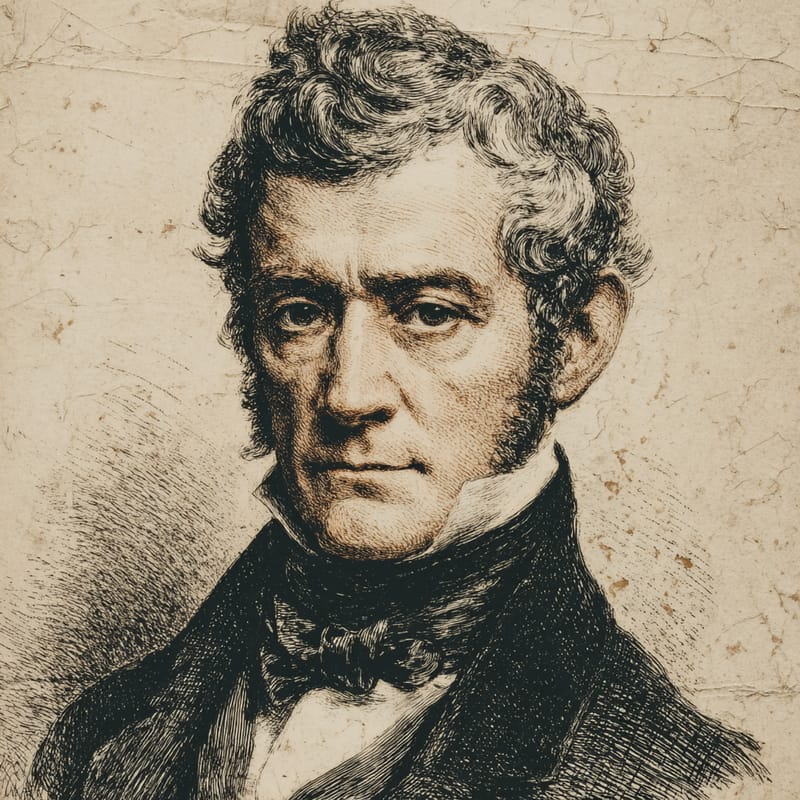

§ Also in the Liberal Conservative hall
Enter the hall →§ Common questions
4 answersWhat was John McCain's political ideology?
John McCain was a hawkish, reform-minded conservative: on the 99ideologies three-axis compass, a Rooted Liberal Conservative. Economically he sat clearly on the market side (+48), a free-trader and spending hawk who nonetheless backed cap-and-trade and tobacco regulation. On governance he leaned slightly authoritarian (+10), favouring a muscular foreign policy and limits on political money while opposing torture, and socially he was moderately traditional (−30), opposing abortion and same-sex marriage but backing immigration reform.
Was John McCain left-wing or right-wing?
Right-wing, though often at odds with his own party. McCain compiled a conservative voting record on abortion, defence and spending, and was the Republican nominee for president in 2008. But he crossed the aisle on campaign-finance reform with Russ Feingold, immigration with Ted Kennedy and climate legislation with Joe Lieberman, voted against the 2001 and 2003 Bush tax cuts and helped defeat a 2017 bid to repeal the Affordable Care Act, which earned him the label maverick.
Why was John McCain called a maverick?
Because he repeatedly broke with Republican leaders on issues he cared about. His campaign-finance law with the Democrat Russ Feingold in 2002, his votes against the Bush tax cuts of 2001 and 2003, his immigration bill with Ted Kennedy and his fight against interrogation methods he regarded as torture all angered parts of his party. In 2000 he condemned the televangelists Jerry Falwell and Pat Robertson as agents of intolerance. He embraced the label in his 2008 campaign, though his overall voting record remained solidly conservative.
Which minds are closest to John McCain?
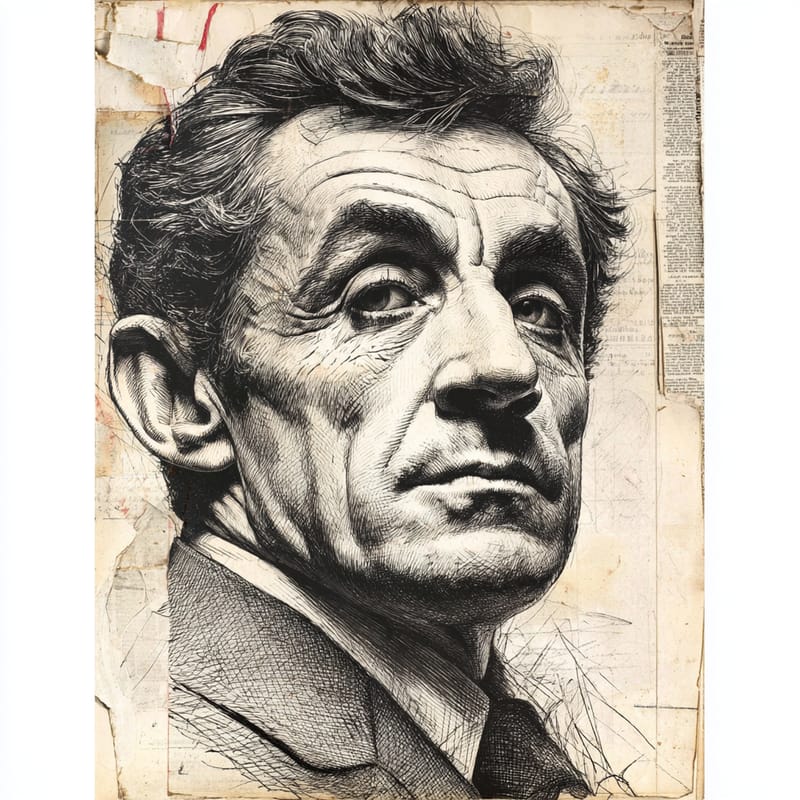
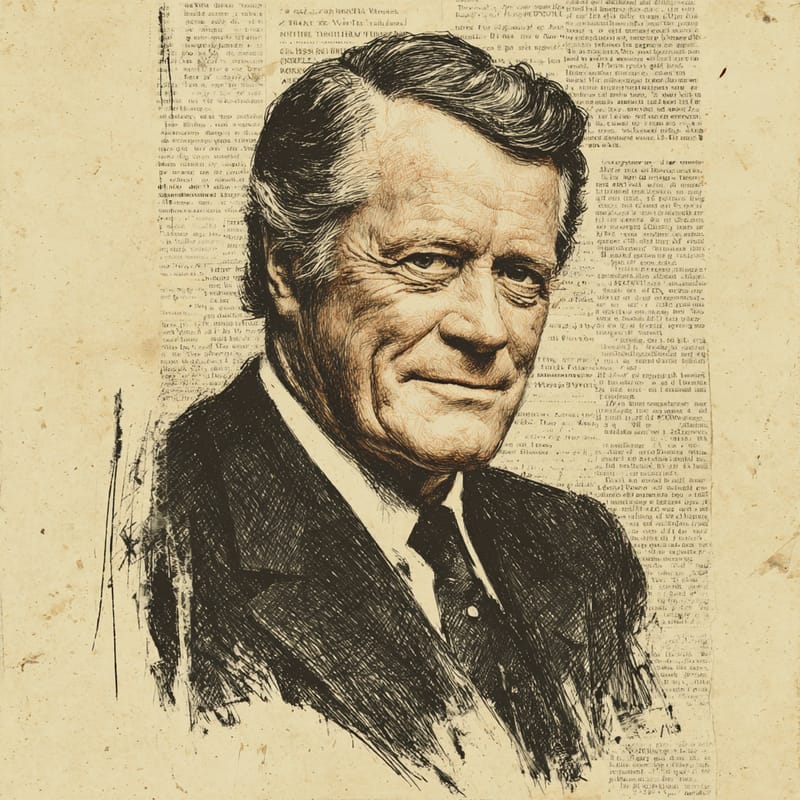
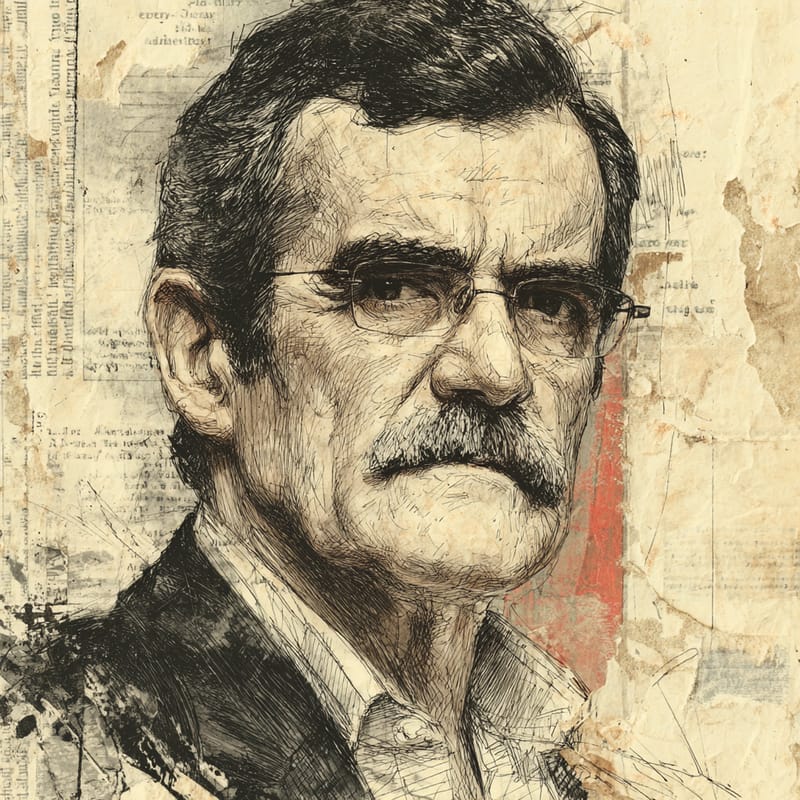
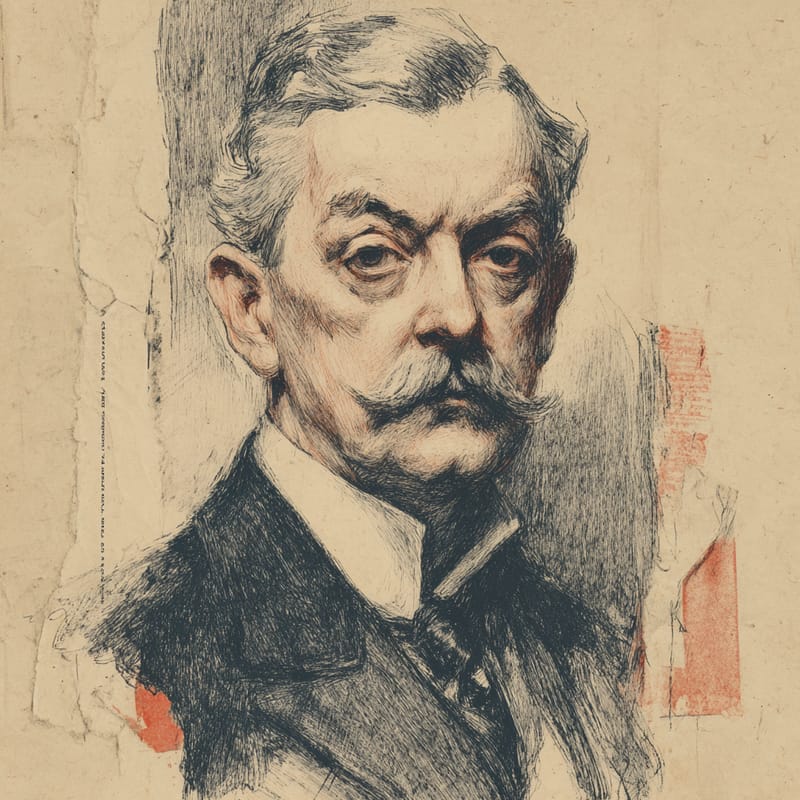
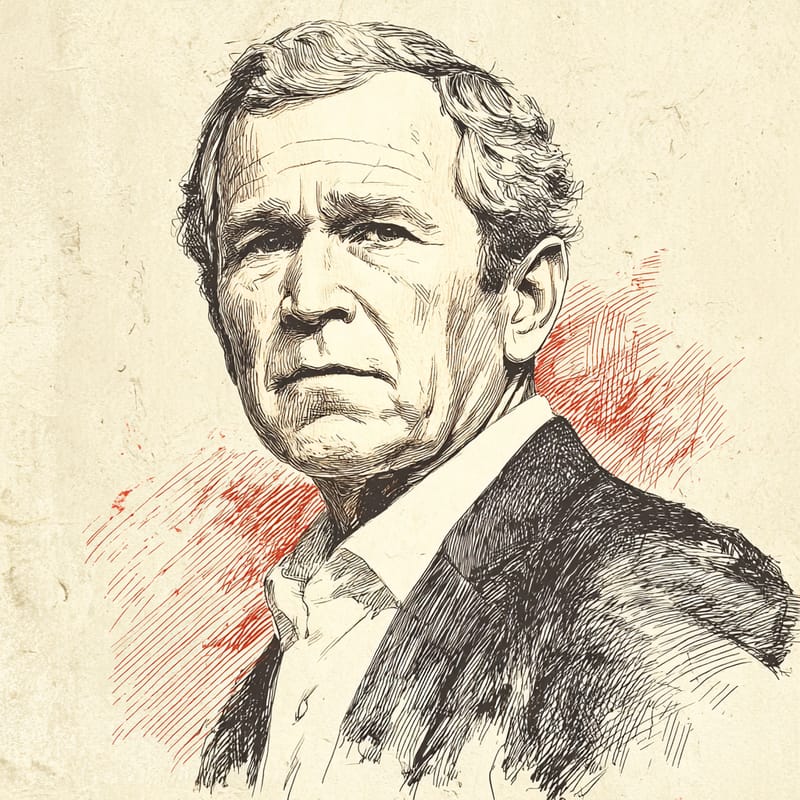
On the 99ideologies three-axis compass, the minds closest to John McCain are Robert Peel (99% alike), Nicolas Sarkozy (99% alike) and Brian Mulroney (98% alike). The furthest is Emma Goldman (16% alike).