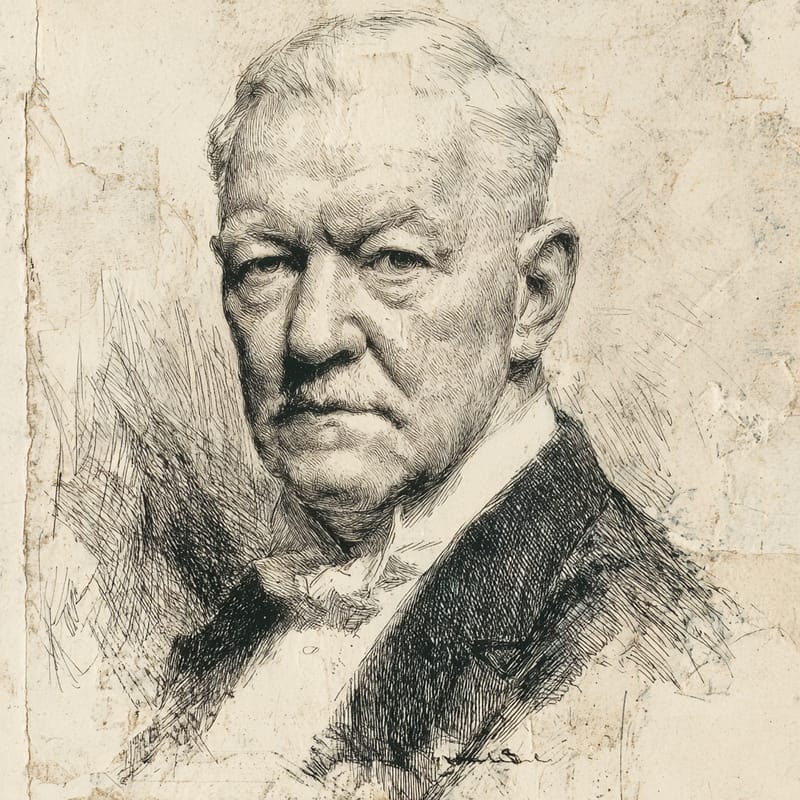
Konrad Adenauer
Rebuilt a nation, Christian-democratic
Social market economy, Western alliance, Catholic order.
Traditional ConservativeOne of 729 ideologies · enter the Conservative hall →- Role
- Chancellor
- Era
- 1876–1967
- Region
- West Germany
- Social band
- Traditional
- Placement
- +52 · +22 · −48
§ Where Konrad Adenauer stands
3 axesAdenauer backed the social market economy designed by his economics minister Ludwig Erhard, which freed prices and trade while building a welfare floor. His government passed the 1952 Equalisation of Burdens Act to compensate refugees and bombed-out families, and the 1957 pension reform tied pensions to wage growth. Private ownership remained the norm, placing him right of centre but far from laissez-faire.
He governed so dominantly that Germans spoke of 'chancellor democracy', concentrating decisions in his office and his own person. His government applied for the ban on the Communist Party that the Constitutional Court granted in 1956, and the 1962 police raid on Der Spiegel over a defence story provoked a national outcry. Yet he worked within the Basic Law and stepped down when his coalition partners insisted.
A devout Catholic, Adenauer built the CDU as a cross-confessional party of Christian values, family and order. His government created a federal family ministry in 1953 and introduced child benefit for larger families in 1954, while keeping the Nazi-era version of Paragraph 175 that criminalised homosexuality. His party's 1957 campaign slogan, 'No experiments', summed up his preference for stability.
How close are you to Konrad Adenauer?
Three statements, one per axis. Answer them and we’ll drop you on the compass next to them.
§ The story
HistoricalKonrad Adenauer (1876–1967) was the first chancellor of the Federal Republic of Germany, governing from 1949 to 1963. A Catholic lawyer from Cologne and a member of the Centre Party, he served as the city's lord mayor from 1917 until the Nazis removed him in 1933, and he was twice detained under their regime. After the war he co-founded the Christian Democratic Union, presided over the Parliamentary Council that drafted the 1949 Basic Law, and was elected chancellor by a single vote at the age of 73.
Adenauer tied West Germany firmly to the West: he took it into the European Coal and Steel Community, NATO and the European Economic Community, and sealed reconciliation with France in the 1963 Élysée Treaty. He agreed reparations to Israel in 1952 and in 1955 won the release of the last German prisoners of war held in the Soviet Union. Critics faulted his reliance on former Nazi officials such as his chief of staff Hans Globke, argued that rejecting Stalin's 1952 offer of a neutral united Germany deepened the country's division, and condemned the 1962 Spiegel affair, which hastened his retirement.
Notable for
- 01Founded the postwar Federal Republic's order
- 02Reconciliation with France
- 03The 'economic miracle' partnership
Key works & moments
- 1917Becomes lord mayor of Cologne, serving until the Nazis remove him in 1933.
- 1949Elected the Federal Republic's first chancellor by a one-vote majority in the Bundestag.
- 1952Signs the Luxembourg Agreement on reparations to Israel.
- 1955West Germany joins NATO; in Moscow he secures the release of the last German prisoners of war.
- 1957Wins an absolute majority for the CDU/CSU, unmatched in any later federal election.
- 1963Signs the Élysée Treaty with Charles de Gaulle, then resigns as chancellor in October.
§ Minds closest to Konrad Adenauer
All minds →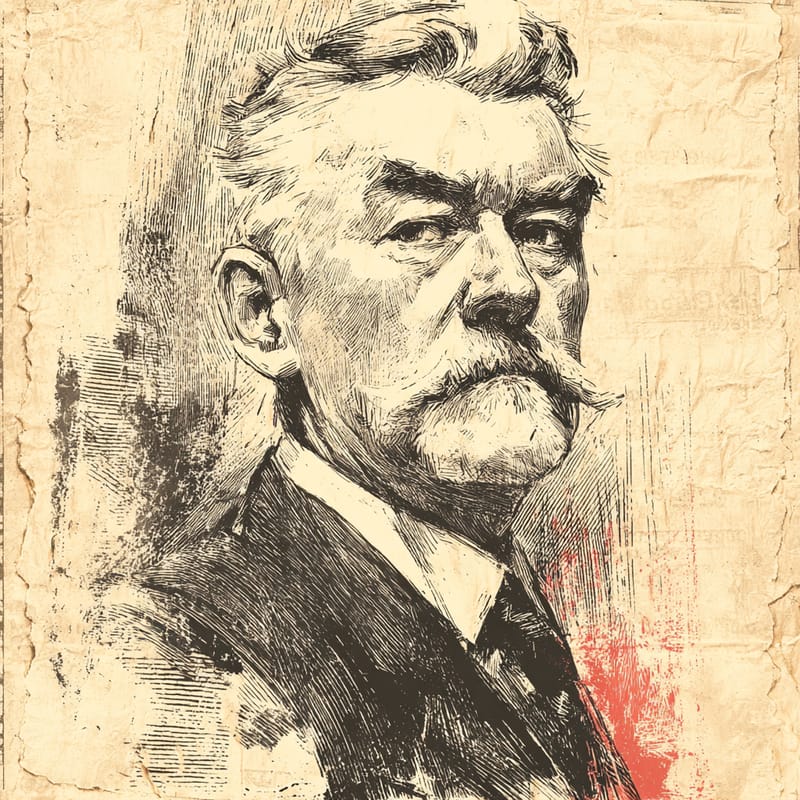

§ Also in the Conservative hall
Enter the hall →§ Common questions
4 answersWhat was Konrad Adenauer's political ideology?
Adenauer was a Christian democrat: on the 99ideologies three-axis compass, a Traditional Conservative. Economically he sat right of centre (+52), backing Ludwig Erhard's social market economy of free prices tempered by welfare and pension reform. On governance he leaned towards strong executive authority (+22) inside a parliamentary constitution, and socially he was traditional (−48), building his politics on Catholic social teaching, family, anti-communism and order.
Was Konrad Adenauer left-wing or right-wing?
Centre-right. Adenauer led the Christian Democrats against the Social Democrats, who opposed his Western integration and rearmament, and he stood for private enterprise, Christian values and anti-communism. But his conservatism was moderate: he accepted a strong welfare state, expanded pensions, conceded worker co-determination in coal and steel in 1951 and committed Germany to parliamentary democracy, which places him in the mainstream of European Christian democracy rather than on the nationalist right.
Was Konrad Adenauer a Nazi?
No. Adenauer was an opponent of the Nazis and was persecuted under their rule. As lord mayor of Cologne he refused to greet Hitler on a 1933 campaign visit and had swastika flags removed from a city bridge; he was ousted weeks later, briefly arrested in 1934 and detained again after the July 1944 plot against Hitler. As chancellor, however, he favoured reintegrating former party members into public life, and his chief of staff Hans Globke had co-written an official commentary on the 1935 Nuremberg race laws.
Which minds are closest to Konrad Adenauer?
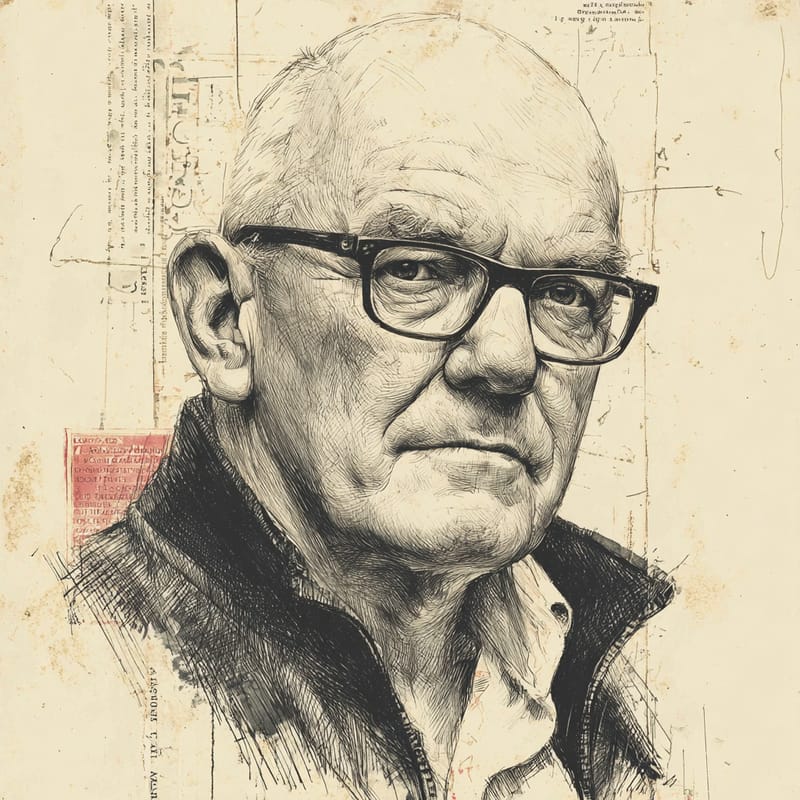
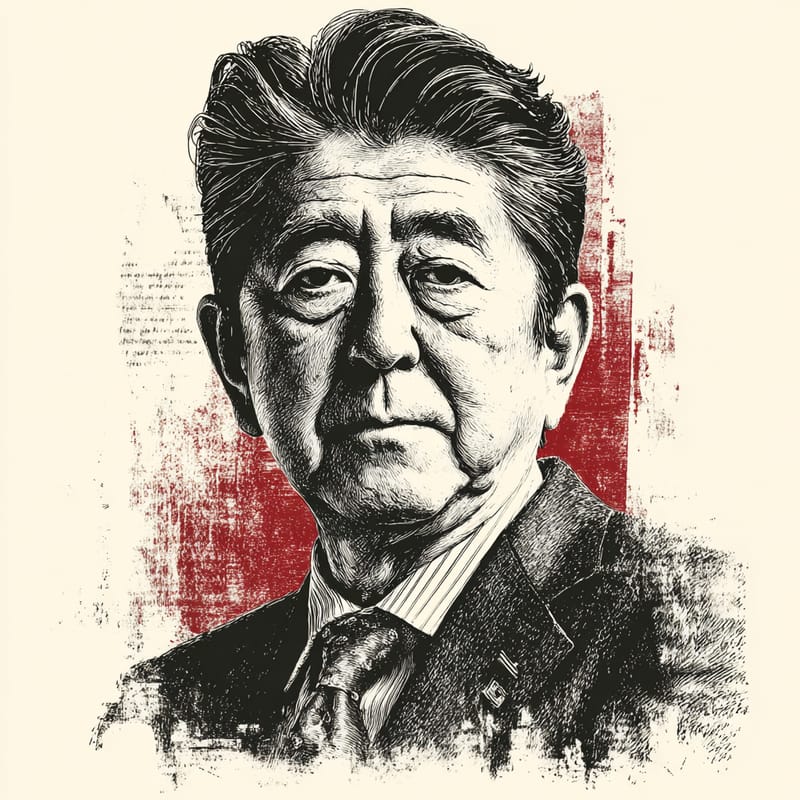
On the 99ideologies three-axis compass, the minds closest to Konrad Adenauer are Robert Menzies (98% alike), John Howard (98% alike) and Shinzo Abe (96% alike). The furthest is Emma Goldman (9% alike).