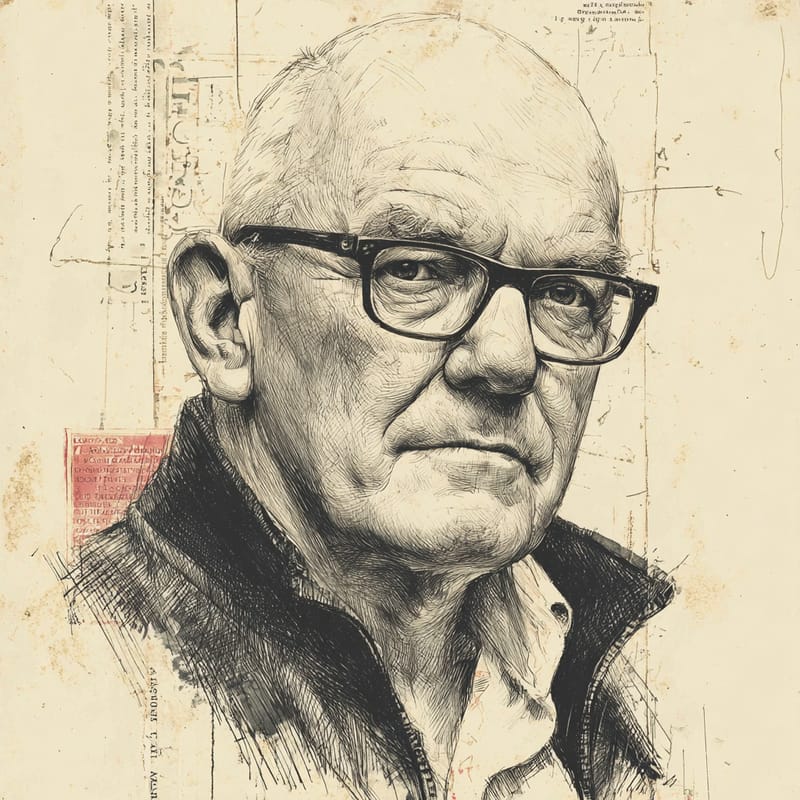
John Howard
Battlers' conservative
Market reform with social conservatism.
Traditional ConservativeOne of 729 ideologies · enter the Conservative hall →- Role
- Prime Minister
- Era
- b. 1939
- Region
- Australia
- Social band
- Traditional
- Placement
- +55 · +27 · −46
§ Where John Howard stands
3 axesHoward is a market liberal by conviction. His government introduced a 10 per cent Goods and Services Tax in 2000, sold the state telecoms carrier Telstra in tranches from 1997, and deregulated the labour market through the 1996 Workplace Relations Act and the 2005 WorkChoices laws. He kept Medicare and expanded family payments, however, which tempers his free-market record.
Howard leans towards a strong state within parliamentary bounds. After the Tampa affair of 2001 his government created the Pacific Solution, sending asylum seekers to offshore detention on Nauru and Manus Island, and its 2005 anti-terrorism laws introduced control orders and preventative detention. He nonetheless governed through cabinet and parliament and accepted defeat in 2007.
Howard is a cultural conservative. A committed monarchist, he opposed the republic at the 1999 referendum, which voters rejected; he declined to make a formal apology to the Stolen Generations; and his government legislated in 2004 to define marriage as the union of a man and a woman. He also criticised what he called the 'black armband' view of Australian history.
How close are you to John Howard?
Three statements, one per axis. Answer them and we’ll drop you on the compass next to them.
§ The story
HistoricalJohn Winston Howard (born 1939) is an Australian Liberal politician who served as prime minister from 1996 to 2007, the second-longest tenure in the country's history after Robert Menzies. The son of a Sydney garage proprietor, he trained as a solicitor, entered parliament for the Sydney seat of Bennelong in 1974 and was Malcolm Fraser's treasurer from 1977 to 1983. He led the Liberal Party in opposition from 1985 to 1989, lost the leadership, and returned in 1995 to defeat Paul Keating's Labor government at the 1996 election.
Howard won four consecutive elections by pairing economic liberalism with an appeal to suburban 'battlers' and national cohesion. His government introduced the GST, sold most of Telstra and paid off the Commonwealth's net debt, and after the 1996 Port Arthur massacre it pushed through strict national gun laws over fierce rural resistance. His legacy is contested: the 2001 Tampa affair and offshore detention of asylum seekers, the Iraq War and the WorkChoices labour laws drew heavy criticism, and in 2007 he lost both government and his own seat.
Notable for
- 01Goods and Services Tax
- 02Gun-control reform after Port Arthur
- 03Long centre-right government
Key works & moments
- 1974Elected to the House of Representatives for the Sydney seat of Bennelong.
- 1996Wins power; after the Port Arthur massacre, brokers the National Firearms Agreement and gun buyback.
- 1999Opposes a republic at the national referendum, which voters reject; Australia leads the East Timor intervention.
- 2000Introduces the 10 per cent Goods and Services Tax on 1 July.
- 2001Refuses landing to asylum seekers rescued by the Tampa, launches offshore processing and wins a third election.
- 2007Loses government to Kevin Rudd's Labor and his own seat of Bennelong to Maxine McKew.
In their own words
“We will decide who comes to this country and the circumstances in which they come.”
§ Minds closest to John Howard
All minds →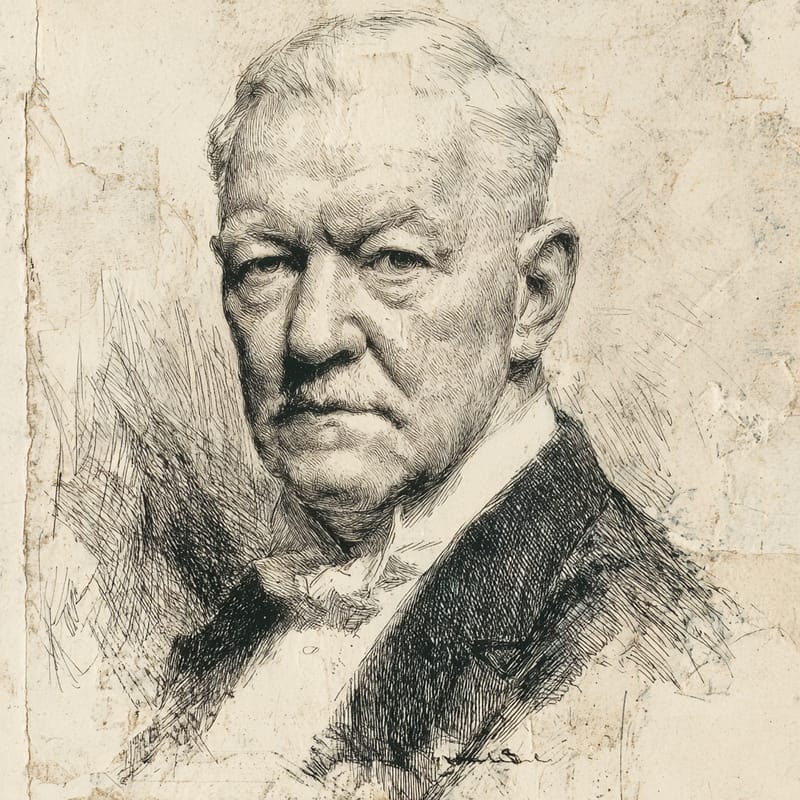

§ Also in the Conservative hall
Enter the hall →§ Common questions
4 answersWhat is John Howard's political ideology?
John Howard is a liberal conservative: on the 99ideologies three-axis compass, a Traditional Conservative. Economically he sits right of centre (+55), having introduced the GST, privatised most of Telstra and deregulated the labour market while keeping Medicare. On governance he leans towards order and state authority (+27), favouring tough border protection and counter-terrorism powers within parliamentary democracy, and socially he is traditional (−46): a monarchist whose government defined marriage in law as between a man and a woman.
Is John Howard left-wing or right-wing?
Right-wing, of the mainstream centre-right. Howard combined free-market economics with social conservatism and a firm line on borders and national security, the formula of the Liberal–National Coalition he led. Yet he was pragmatic: he kept universal healthcare, increased family payments and imposed strict gun control over the objections of many rural supporters, so he stands well short of the libertarian or radical right.
Why did John Howard introduce strict gun laws?
Because of the Port Arthur massacre. On 28 April 1996, weeks after he took office, a gunman killed 35 people in Tasmania. Howard persuaded the states and territories to adopt the National Firearms Agreement, which banned automatic and semi-automatic rifles and pump-action shotguns, required licensing and registration, and funded a buyback that destroyed more than 600,000 guns. He faced angry gun owners at rallies, famously wearing a bulletproof vest in Sale, Victoria, but the reform became one of his government's defining achievements.
Which minds are closest to John Howard?
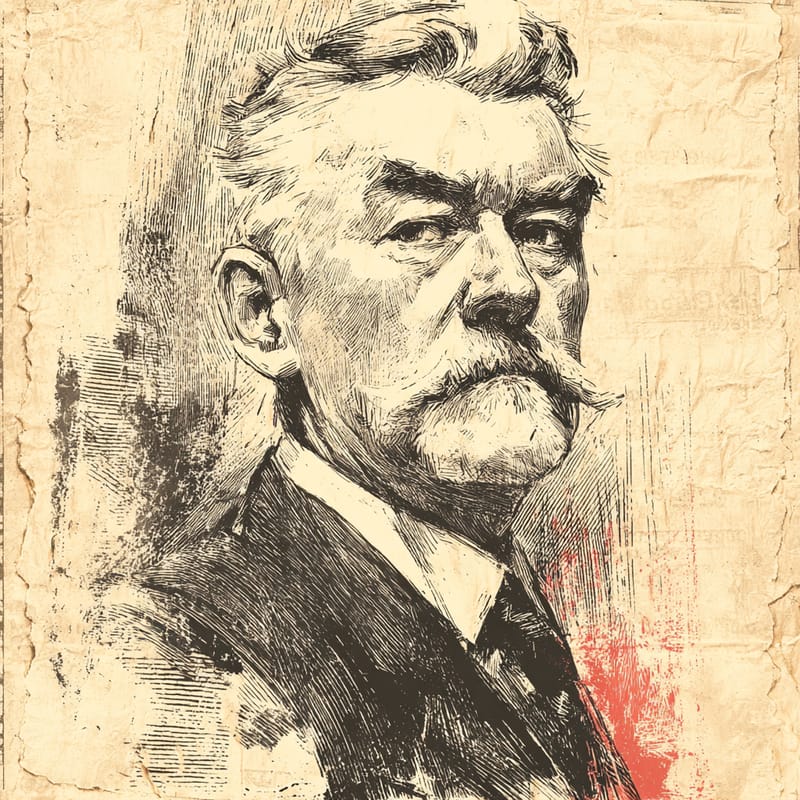
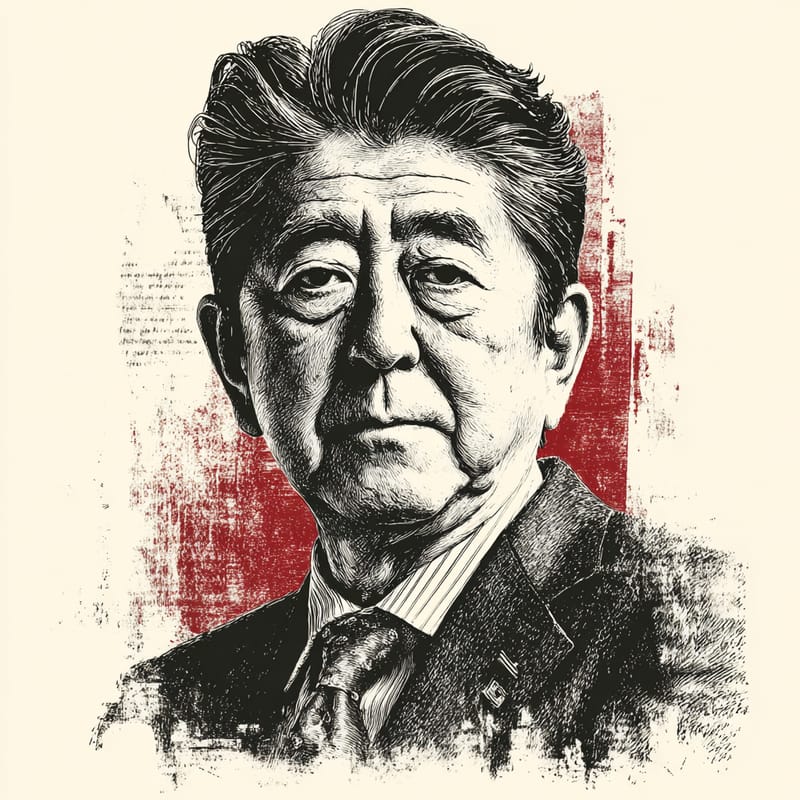
On the 99ideologies three-axis compass, the minds closest to John Howard are Konrad Adenauer (98% alike), Robert Menzies (97% alike) and Shinzo Abe (97% alike). The furthest is Emma Goldman (8% alike).