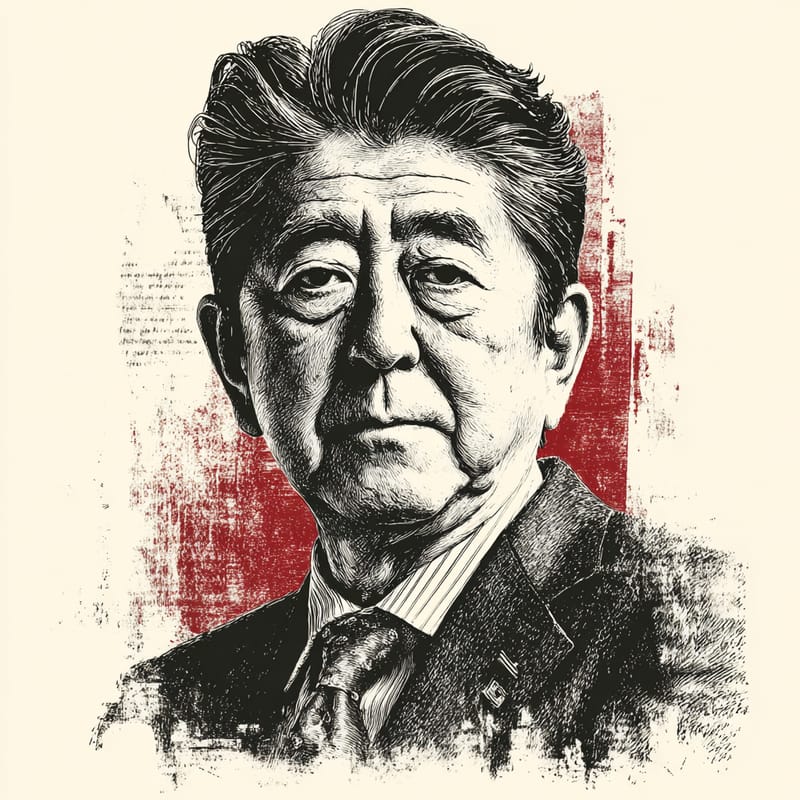
Shinzo Abe
Nationalist moderniser
Economic revival and a more assertive Japan.
Traditional ConservativeOne of 729 ideologies · enter the Conservative hall →- Role
- Prime Minister
- Era
- 1954–2022
- Region
- Japan
- Social band
- Traditional
- Placement
- +52 · +30 · −52
§ Where Shinzo Abe stands
3 axesAbe's economics were pro-growth and pro-business rather than doctrinaire. The three arrows of Abenomics, launched in 2013, combined massive monetary easing at the Bank of Japan, fiscal stimulus and structural reform, and he took Japan into the Trans-Pacific Partnership talks, saving the pact as the CPTPP after the United States withdrew. He also raised the consumption tax to 8 per cent in 2014 and 10 per cent in 2019.
Abe sought a stronger, more capable state. His government created a National Security Council and passed a tough state-secrets law in 2013, reinterpreted the pacifist Article 9 in 2014 to permit collective self-defence, and enacted the 2015 security laws despite large street protests. His goal of formally revising the 1947 constitution went unfulfilled, and he governed through elections and parliament throughout.
Abe was a cultural nationalist who wanted Japan to shed what he saw as postwar self-abasement. His first government revised the Fundamental Law of Education in 2006 to foster patriotism, he visited the Yasukuni Shrine in 2013, and he was close to the conservative lobby Nippon Kaigi and defended male-line imperial succession, though his 'womenomics' drive pushed more women into paid work.
How close are you to Shinzo Abe?
Three statements, one per axis. Answer them and we’ll drop you on the compass next to them.
§ The story
HistoricalShinzo Abe (1954–2022) was Japan's longest-serving prime minister, in office from 2006 to 2007 and again from 2012 to 2020. Born into a political dynasty, he was the grandson of prime minister Nobusuke Kishi and the son of foreign minister Shintaro Abe. He entered the lower house for a Yamaguchi constituency in 1993, built a national profile with his hard line on North Korea's abductions of Japanese citizens, and at 52 became the first prime minister born after the Second World War.
Abe's first term ended after a year amid ministerial scandals, an upper-house election defeat and the bowel disease ulcerative colitis, but he returned in 2012 promising to revive a stagnant economy and restore national confidence. Abenomics, a more assertive defence policy and the rescue of the Trans-Pacific trade pact defined his second stint, while his 2013 visit to the Yasukuni Shrine, which honours convicted war criminals among Japan's war dead, angered China and South Korea. He was shot dead while campaigning in Nara in July 2022 by a man who resented his links to the Unification Church.
Notable for
- 01'Abenomics' economic program
- 02Longest-serving Japanese PM
- 03Strengthened the US–Japan alliance
Key works & moments
- 1993Elected to the House of Representatives for a Yamaguchi constituency.
- 2006Becomes Japan's youngest postwar prime minister; revises the Fundamental Law of Education.
- 2007Upgrades the Defence Agency to a full ministry, then resigns citing illness.
- 2013Launches the 'three arrows' of Abenomics and visits the Yasukuni Shrine.
- 2015Passes security laws allowing collective self-defence despite mass protests.
- 2022Assassinated while delivering a campaign speech in Nara on 8 July.
§ Minds closest to Shinzo Abe
All minds →
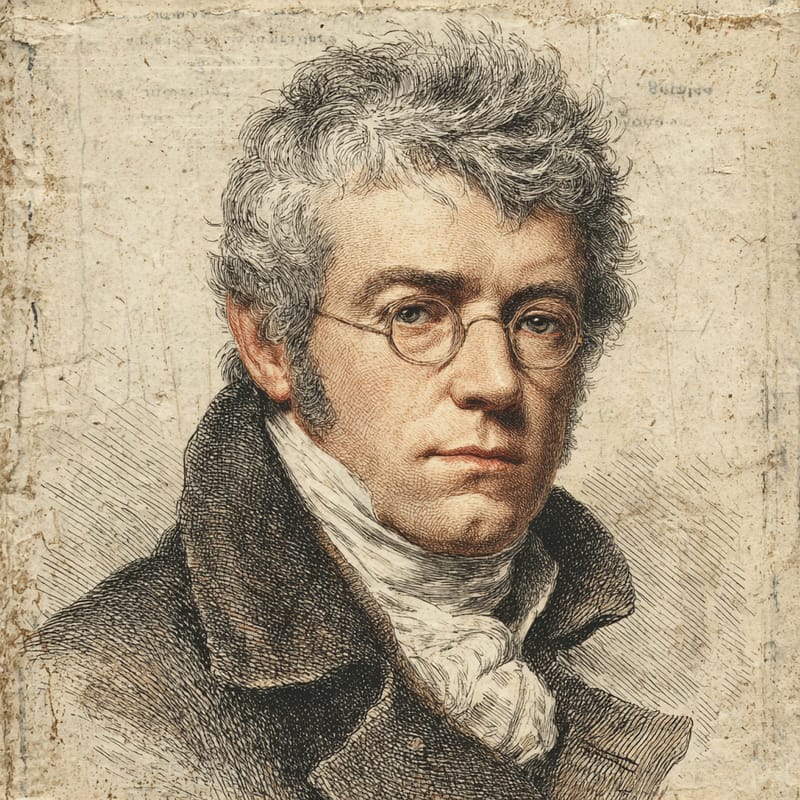
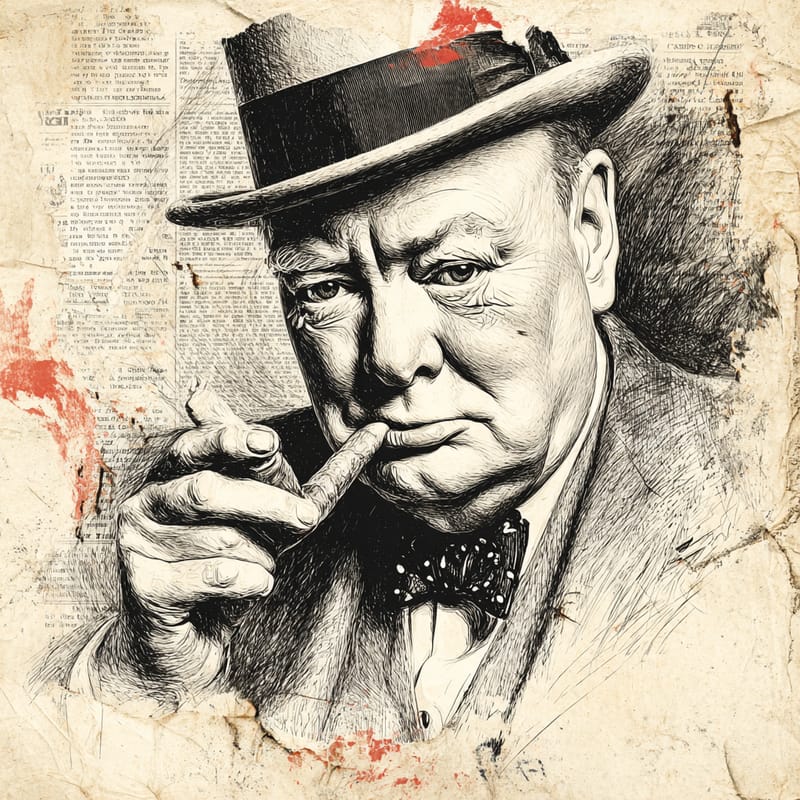
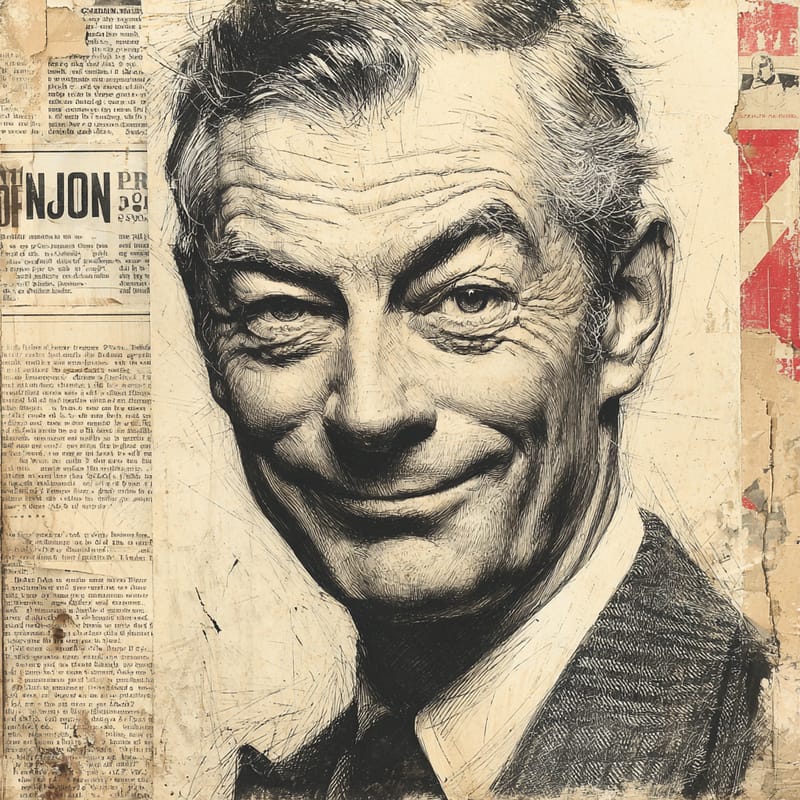

§ Also in the Conservative hall
Enter the hall →§ Common questions
4 answersWhat was Shinzo Abe's political ideology?
Abe was a nationalist conservative: on the 99ideologies three-axis compass, a Traditional Conservative. Economically he sat right of centre (+52), pairing pro-business reform and free-trade deals with heavy monetary and fiscal stimulus. On governance he favoured a strong, security-minded state (+30), from the 2013 secrets law to the 2015 defence laws, and socially he was traditional (−52), promoting patriotic education, pride in Japanese history and the male-line imperial succession.
Was Shinzo Abe left-wing or right-wing?
Right-wing, and on the nationalist wing of Japan's governing Liberal Democratic Party. Abe wanted to revise the pacifist constitution, strengthen the military and the US alliance, and promote a less apologetic view of Japan's wartime past. His economics were more flexible than his politics: Abenomics relied on state stimulus and central-bank activism, and he pushed policies to bring more women and older people into work, so he was a conservative pragmatist rather than a small-state ideologue.
What was Abenomics?
Abenomics was Shinzo Abe's economic programme from 2013, built on three arrows: aggressive monetary easing by the Bank of Japan under Haruhiko Kuroda, flexible fiscal stimulus, and structural reforms to raise growth. It weakened the yen, lifted share prices and corporate profits and brought record employment, including more women in work. Critics note that it never reached the central bank's 2 per cent inflation target on a lasting basis, that real wages stagnated, and that consumption tax rises in 2014 and 2019 slowed the recovery.
Which minds are closest to Shinzo Abe?
On the 99ideologies three-axis compass, the minds closest to Shinzo Abe are Robert Menzies (98% alike), John Howard (97% alike) and Konrad Adenauer (96% alike). The furthest is Emma Goldman (6% alike).