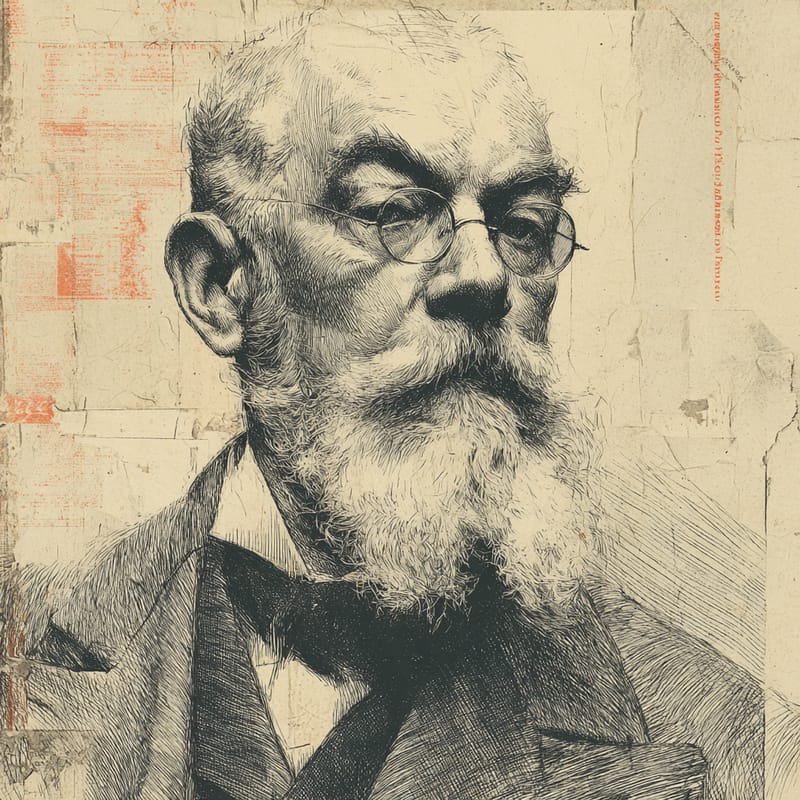
Karl Kautsky
The pope of Marxism
Orthodoxy by democratic road.
Reformist Classical MarxistOne of 729 ideologies · enter the Classical Marxist hall →- Role
- Theorist
- Era
- 1854–1938
- Region
- Germany
- Social band
- Reformist
- Placement
- −90 · −42 · +50
§ Where Karl Kautsky stands
3 axesKautsky held that capitalism's concentration of ownership would make social ownership of the means of production both necessary and possible, the core claim of his Erfurt Programme commentary The Class Struggle (1892). Against Bernstein he defended the Marxist analysis of crisis and class polarisation in 1899, and in The Agrarian Question (1899) he extended it to the countryside.
Kautsky insisted that socialism without democracy was unthinkable. In The Dictatorship of the Proletariat (1918) he condemned the Bolsheviks' dispersal of the Constituent Assembly and their one-party rule, arguing that workers should govern through universal suffrage and parliament. His model was still a disciplined, centralised mass party, which keeps him moderate rather than anti-statist.
A thoroughgoing secularist, Kautsky championed the Erfurt Programme, which declared religion a private matter, demanded secular schools and called for votes for women and the abolition of laws discriminating against them. His Foundations of Christianity (1908) treated the early church as a social movement of the poor, explaining religion in materialist terms.
How close are you to Karl Kautsky?
Three statements, one per axis. Answer them and we’ll drop you on the compass next to them.
§ The story
HistoricalKarl Johann Kautsky (1854–1938) was born in Prague to a Czech painter father and an Austrian writer mother, studied in Vienna and turned to Marxism around 1880. After spells in London close to Friedrich Engels in the 1880s, he founded the journal Die Neue Zeit in 1883 and edited it until 1917, making it the leading theoretical organ of German Social Democracy. He drafted the theoretical part of the SPD's 1891 Erfurt Programme and became known as the 'pope of Marxism'.
Kautsky defined orthodox Marxism for a generation, defending it against Eduard Bernstein's revisionism in 1899 while arguing that socialism would come through a mass party, elections and parliament. He broke with the SPD majority over the First World War and joined the Independent Social Democrats in 1917. His 1918 attack on Bolshevik dictatorship drew Lenin's reply, The Proletarian Revolution and the Renegade Kautsky, and communists thereafter treated him as the archetypal traitor to revolution. Driven from Vienna by the Anschluss in 1938, he died in Amsterdam that October.
Notable for
- 01Led Second-International Marxism
- 02'The Dictatorship of the Proletariat' (anti-Lenin)
- 03Orthodox Marxist theory
Key works & moments
- 1883Founds Die Neue Zeit, which he edits as German Social Democracy's leading theoretical journal until 1917.
- 1891Drafts the theoretical section of the SPD's Erfurt Programme.
- 1899Answers Eduard Bernstein's revisionism with a book-length defence of orthodox Marxism.
- 1917Joins the anti-war Independent Social Democratic Party (USPD).
- 1918Publishes The Dictatorship of the Proletariat; Lenin replies by branding him a renegade.
- 1938Flees Vienna after the Anschluss and dies in Amsterdam.
§ Minds closest to Karl Kautsky
All minds →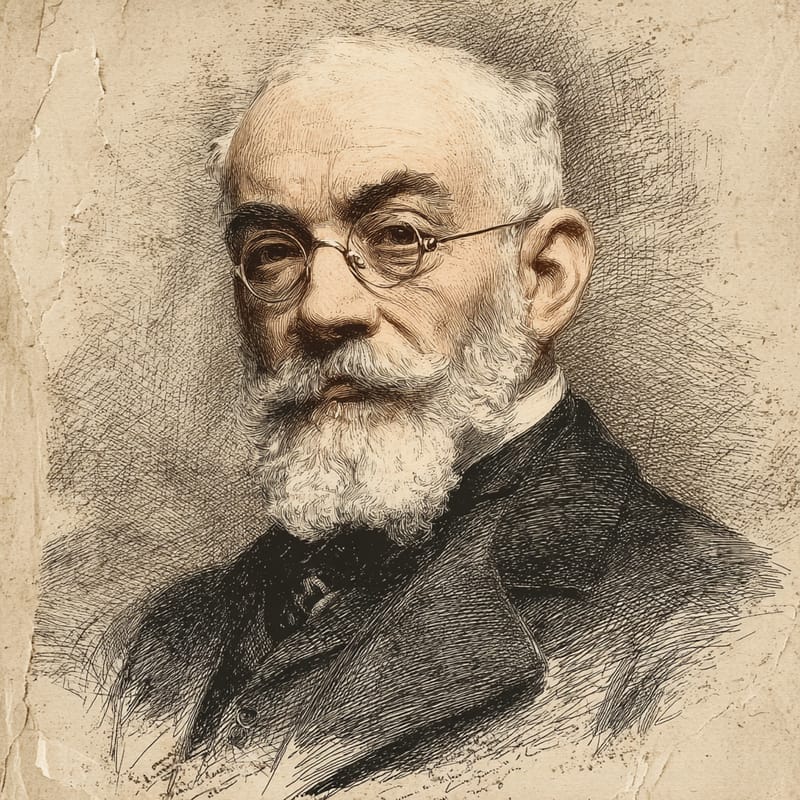

§ Also in the Classical Marxist hall
Enter the hall →§ Common questions
4 answersWhat was Karl Kautsky's political ideology?
Karl Kautsky was an orthodox Marxist and democratic socialist: on the 99ideologies three-axis compass, a Reformist Classical Marxist. Economically he sat at the far left (−90), expecting capitalism to give way to social ownership of the means of production. On governance he leaned libertarian (−42), insisting that socialism must be won and run through universal suffrage and parliament. Socially he was progressive (+50), a materialist critic of religion who backed votes for women and secular schooling.
Was Karl Kautsky left-wing or right-wing?
Left-wing. Kautsky spent his life arguing for the replacement of capitalism by socialism and was the chief theorist of the Second International. His position within the left shifted as the left changed around him: before 1914 he was the guardian of Marxist orthodoxy against reformists, but after 1917 he became the leading Marxist critic of Bolshevism, defending democracy against Lenin's dictatorship. Communists then called him a renegade, yet he never abandoned the goal of common ownership.
Why did Lenin call Karl Kautsky a renegade?
Because Kautsky, long revered by Lenin as Marxism's leading theorist, condemned the Bolshevik revolution. In The Dictatorship of the Proletariat (1918) Kautsky argued that Marx's phrase described the rule of a working-class majority through democracy, not the dictatorship of a single party, and he attacked the dispersal of the Constituent Assembly. Lenin answered that year with The Proletarian Revolution and the Renegade Kautsky, accusing him of betraying Marxism, and Trotsky followed with Terrorism and Communism in 1920. The exchange defined the split between communists and social democrats.
Which minds are closest to Karl Kautsky?
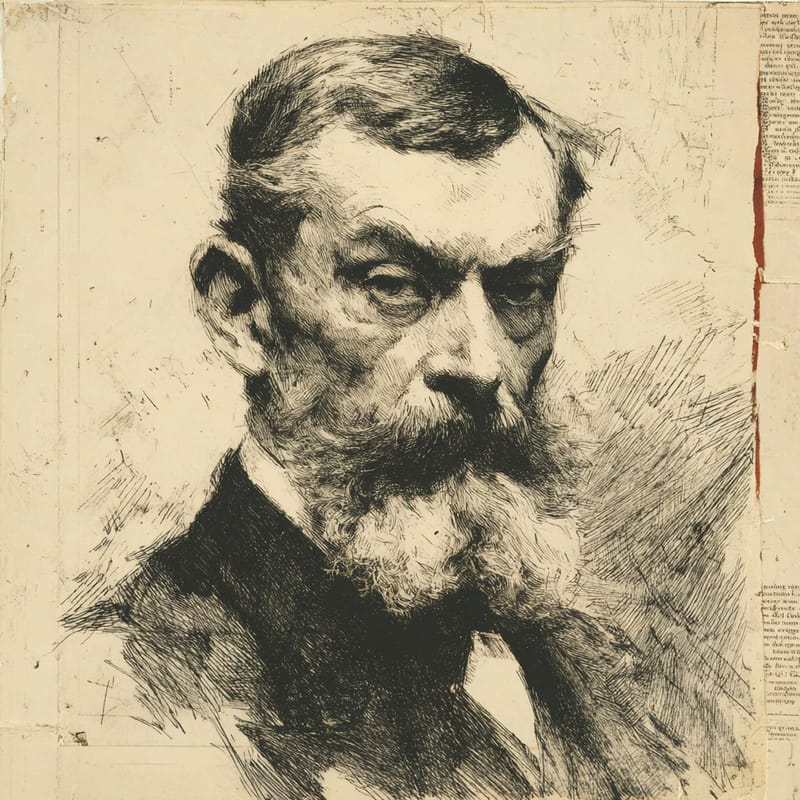
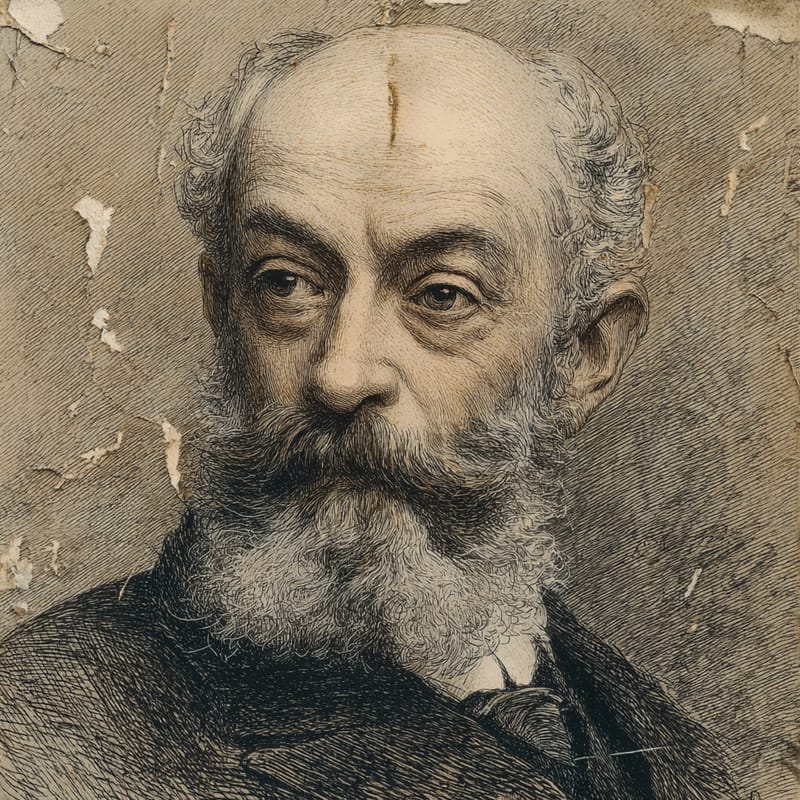
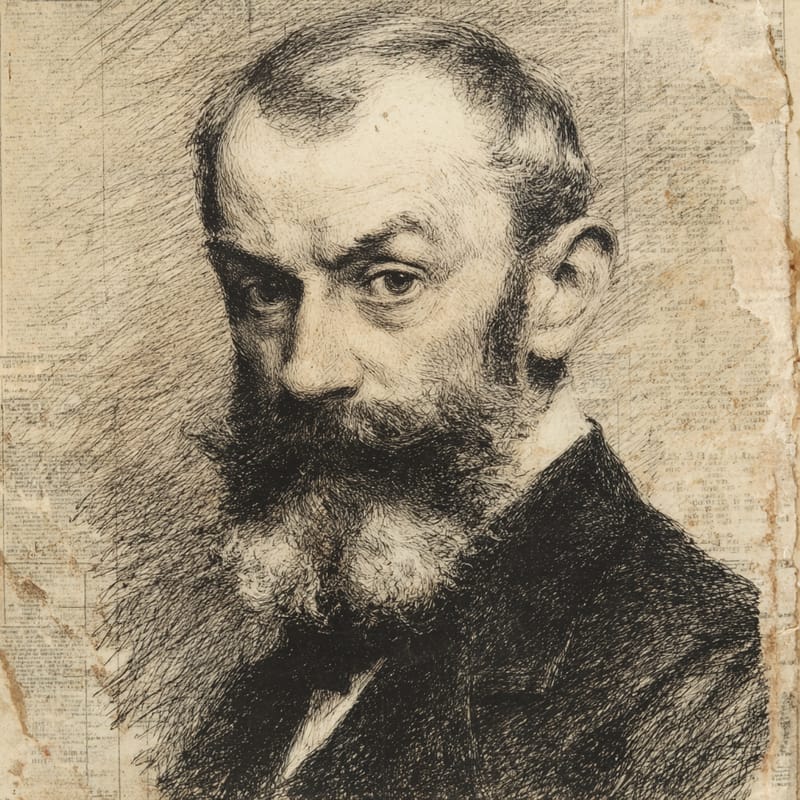
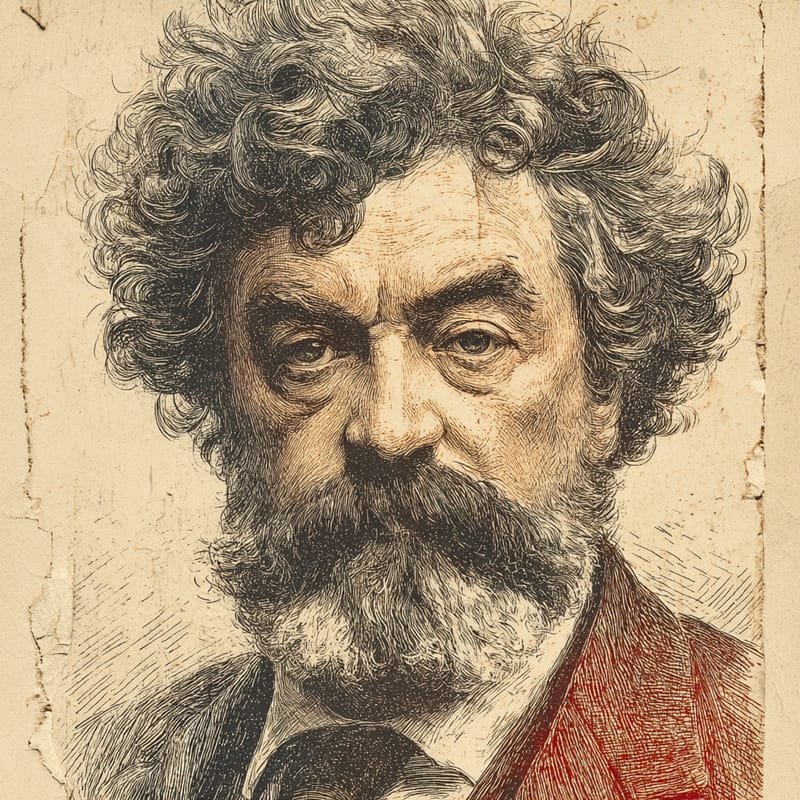
On the 99ideologies three-axis compass, the minds closest to Karl Kautsky are Antonio Labriola (99% alike), Georgi Plekhanov (98% alike) and Wilhelm Liebknecht (98% alike). The furthest is Adam Sutler (0% alike).