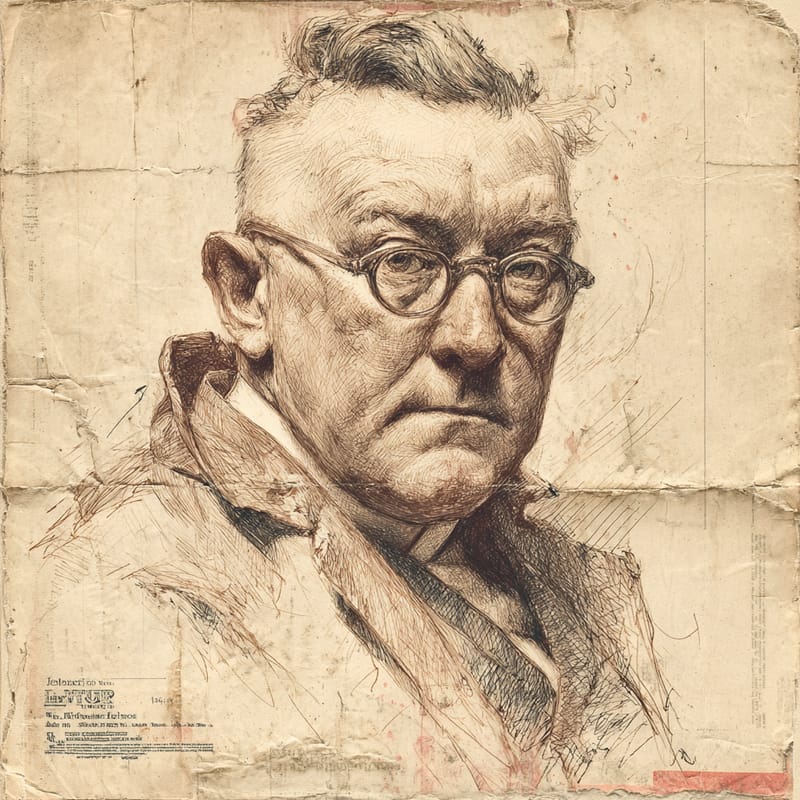
William Temple
The welfare-state churchman
He coined the phrase itself.
Heterodox Social LiberalOne of 729 ideologies · enter the Social Liberal hall →- Role
- Archbishop & reformer
- Era
- 1881–1944
- Region
- United Kingdom
- Social band
- Heterodox
- Placement
- −32 · +20 · +24
§ Where William Temple stands
3 axesIn Christianity and Social Order (1942) Temple called for every family to be decently housed, every citizen to have a secure income, education to the years of maturity and paid holidays, and workers to have a voice in the running of their industry. He backed the Beveridge Report of 1942 but stopped at principles rather than a socialist programme, leaving technical detail to experts and politicians.
He wanted a state active enough to secure the welfare of every citizen, setting the 'welfare state' against the totalitarian 'power state' in Citizen and Churchman (1941). He worked through established institutions, sitting in the House of Lords as an archbishop and negotiating with R. A. Butler over the place of church schools in the 1944 Education Act.
Temple's social conscience was progressive for an archbishop of his time. He spent sixteen years leading the Workers' Educational Association, worked for the cooperation between churches that produced the British Council of Churches in 1942, and in a 1943 House of Lords speech urged the government to rescue Jews from Nazi-occupied Europe. His progressivism remained rooted in Christian moral teaching rather than secular liberalism.
How close are you to William Temple?
Three statements, one per axis. Answer them and we’ll drop you on the compass next to them.
§ The story
HistoricalWilliam Temple (1881–1944) was an English priest, philosopher and Archbishop of Canterbury from 1942 until his death. The son of Frederick Temple, who held the same office from 1896 to 1902, he was educated at Rugby and Balliol College, Oxford, became headmaster of Repton School and served as president of the Workers' Educational Association from 1908 to 1924. A member of the Labour Party from 1918 to 1925, he became Bishop of Manchester in 1921 and Archbishop of York in 1929.
Temple was the leading voice of Anglican social Christianity between the wars, chairing the 1924 Conference on Christian Politics, Economics and Citizenship and the 1941 Malvern Conference. His Penguin Special Christianity and Social Order (1942) argued that the church should set out principles for a just society, such as decent housing, education and a secure income, while leaving policy to politicians. He popularised the phrase 'welfare state', backed the Beveridge Report and helped broker the church-schools settlement of the 1944 Education Act, but died in October 1944 after barely two and a half years at Canterbury.
Notable for
- 01Popularised 'the welfare state'
- 02'Christianity and Social Order'
- 03Backed the Beveridge plan
Key works & moments
- 1908Becomes president of the Workers' Educational Association, serving until 1924.
- 1924Chairs the Conference on Christian Politics, Economics and Citizenship in Birmingham.
- 1929Becomes Archbishop of York.
- 1941Leads the Malvern Conference; Citizen and Churchman contrasts the welfare state with the power state.
- 1942Becomes Archbishop of Canterbury and publishes Christianity and Social Order.
- 1943Urges the House of Lords to rescue Jews from Nazi-occupied Europe.
§ Minds closest to William Temple
All minds →

§ Also in the Social Liberal hall
Enter the hall →§ Common questions
4 answersWhat was William Temple's political ideology?
William Temple was a reforming Christian social thinker, often described as a Christian socialist, whose ideas fed Britain's post-war welfare state: on the 99ideologies three-axis compass, a Heterodox Social Liberal. Economically he sat left of centre (−32), demanding decent homes, secure incomes and a voice for workers. On governance he favoured an active welfare state working through Parliament and the established Church (+20), and socially he was moderately progressive (+24), combining a reforming conscience with orthodox Christian faith.
Was William Temple left-wing or right-wing?
Left of centre. Temple joined the Labour Party in 1918, led the Workers' Educational Association for sixteen years and backed the Beveridge Report. But he was no revolutionary: he insisted that the church should set out principles rather than party programmes, worked closely with Conservative ministers such as R. A. Butler, and rejected both the all-powerful state of the dictators and a purely market society, which places him in the reforming centre-left.
Did William Temple coin the term 'welfare state'?
Not quite, but he did more than anyone to popularise it. Earlier writers had used the phrase, yet Temple's 1941 book Citizen and Churchman set the welfare state, which exists to serve its citizens, against the power state of the dictators, and the contrast caught on during the war. Because he also backed the Beveridge Report and helped shape the 1944 Education Act, he is widely regarded as one of the moral architects of Britain's post-war welfare settlement.
Which minds are closest to William Temple?
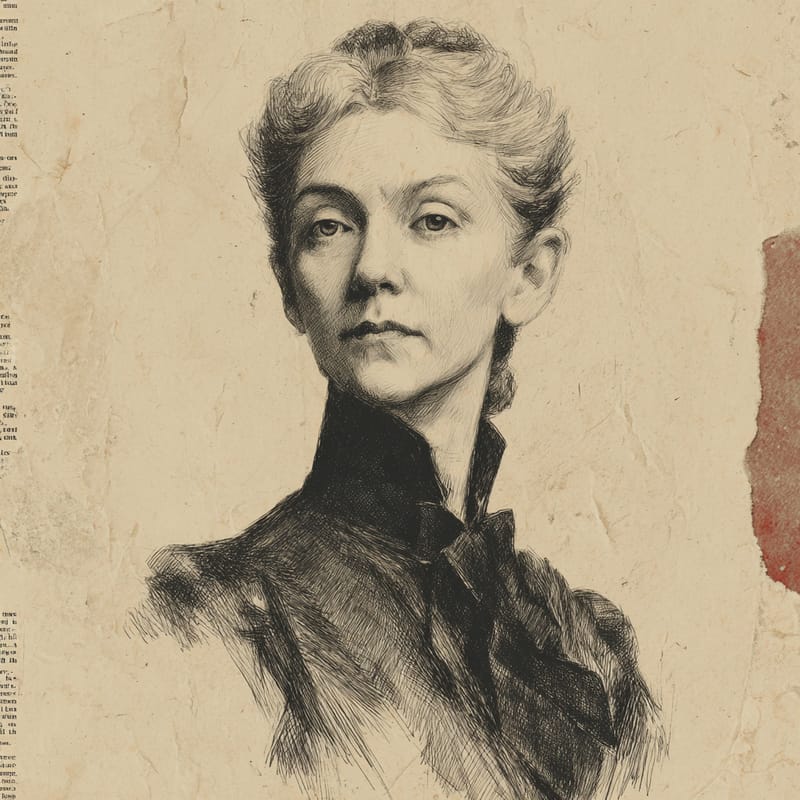
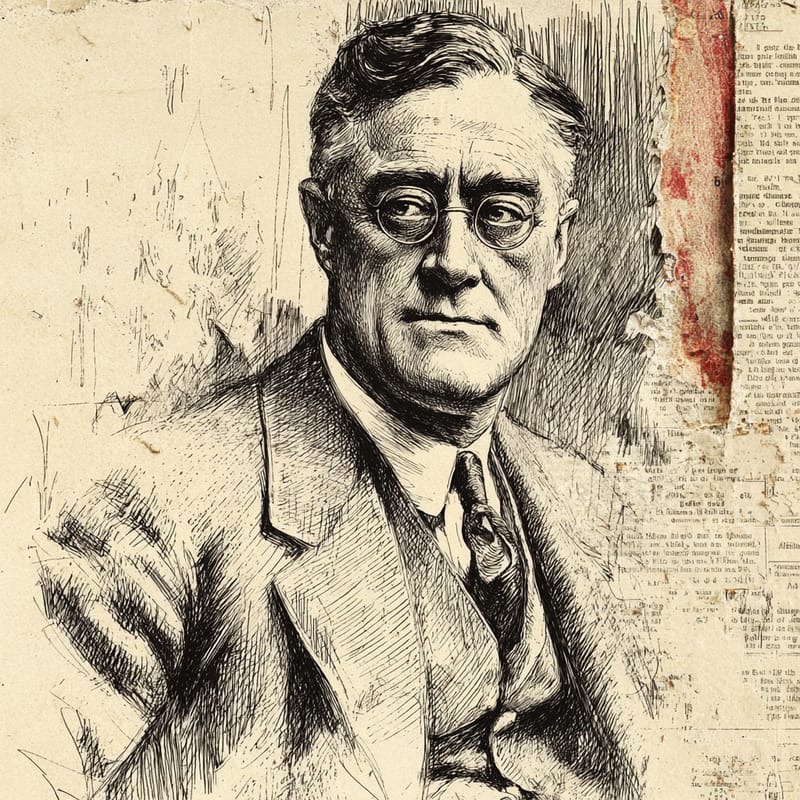
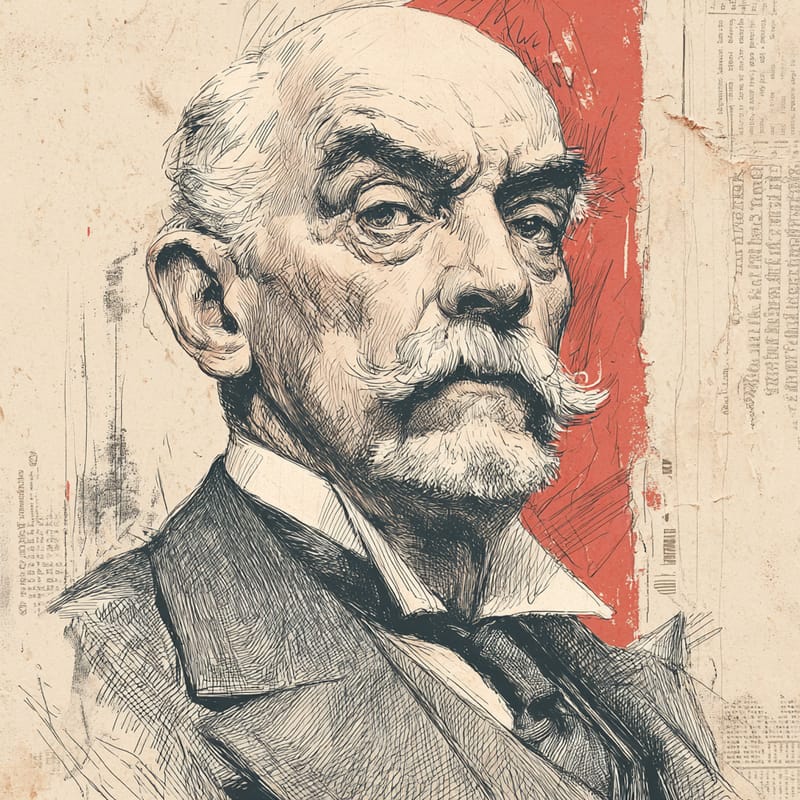
On the 99ideologies three-axis compass, the minds closest to William Temple are Robert F. Wagner (98% alike), L. T. Hobhouse (96% alike) and Lyndon B. Johnson (95% alike). The furthest is Hans-Hermann Hoppe (25% alike).