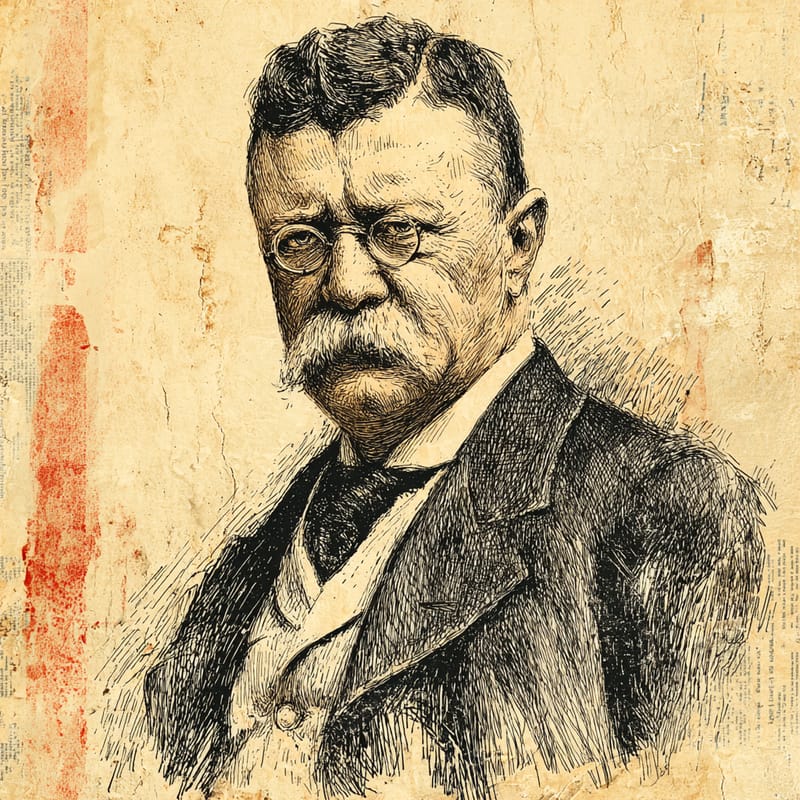
Theodore Roosevelt
The Square Deal
A bully pulpit for reform.
Reformist ProgressiveOne of 729 ideologies · enter the Progressive hall →- Role
- President
- Era
- 1858–1919
- Region
- United States
- Social band
- Reformist
- Placement
- −42 · −40 · +50
§ Where Theodore Roosevelt stands
3 axesRoosevelt accepted capitalism but insisted that government must police it. He revived antitrust law with the 1902 suit against the Northern Securities railroad combine, signed the Hepburn Act and the Pure Food and Drug Act in 1906, and by 1912 backed a minimum wage for women, workers' compensation and social insurance. He distinguished good trusts from bad, however, and rejected socialism.
His 1912 Progressive platform sought to hand power to voters through direct primaries, the initiative, referendum and recall, women's suffrage and popular review of state court decisions. Yet Roosevelt also held an expansive stewardship view of the presidency, acting boldly without explicit legal authority, as in his 1902 intervention in the anthracite coal strike, which made his populism energetic rather than anti-statist.
Roosevelt was a conservationist who used the Antiquities Act of 1906 to protect places such as the Grand Canyon, and his 1912 campaign endorsed women's suffrage. He invited Booker T. Washington to dine at the White House in 1901, but his belief in Anglo-Saxon destiny, his imperialism and his handling of the 1906 Brownsville affair show the limits of his progressivism.
How close are you to Theodore Roosevelt?
Three statements, one per axis. Answer them and we’ll drop you on the compass next to them.
§ The story
HistoricalTheodore Roosevelt (1858–1919) was the 26th president of the United States, serving from 1901 to 1909. Born into a wealthy New York family, he overcame childhood asthma, graduated from Harvard and entered the New York State Assembly at 23. He ranched in the Dakota Badlands, reformed the federal civil service and New York City's police, served as assistant secretary of the navy and won fame leading the Rough Riders in Cuba in 1898, then became governor of New York and vice-president before William McKinley's assassination made him president.
Roosevelt used the presidency as a bully pulpit for his Square Deal, regulating railroads and food safety, suing monopolies and protecting some 230 million acres of public land. Abroad he began the Panama Canal, asserted American power in the Caribbean and won the 1906 Nobel Peace Prize for mediating the Russo-Japanese War. Breaking with his successor William Howard Taft, he ran in 1912 as the Progressive candidate and outpolled Taft but lost to Woodrow Wilson. His imperialism, racial views and summary discharge of Black soldiers after the 1906 Brownsville affair remain controversial.
Notable for
- 01Trust-busting 'Square Deal'
- 02National parks and conservation
- 031912 Bull Moose campaign
Key works & moments
- 1898Leads the Rough Riders volunteer cavalry in Cuba during the Spanish–American War.
- 1901Becomes president at 42 after William McKinley's assassination.
- 1902Sues to break up the Northern Securities railroad trust and mediates the anthracite coal strike.
- 1906Signs the Pure Food and Drug, Meat Inspection and Antiquities Acts; wins the Nobel Peace Prize.
- 1910Calls for a New Nationalism in a speech at Osawatomie, Kansas.
- 1912Runs as the Progressive 'Bull Moose' candidate, survives being shot and finishes second.
In their own words
“I stand for the square deal. But when I say that I am for the square deal, I mean not merely that I stand for fair play under the present rules of the game, but that I stand for having those rules changed so as to work for a more substantial equality of opportunity and of reward for equally good service.”
“Speak softly and carry a big stick; you will go far.”
§ Minds closest to Theodore Roosevelt
All minds →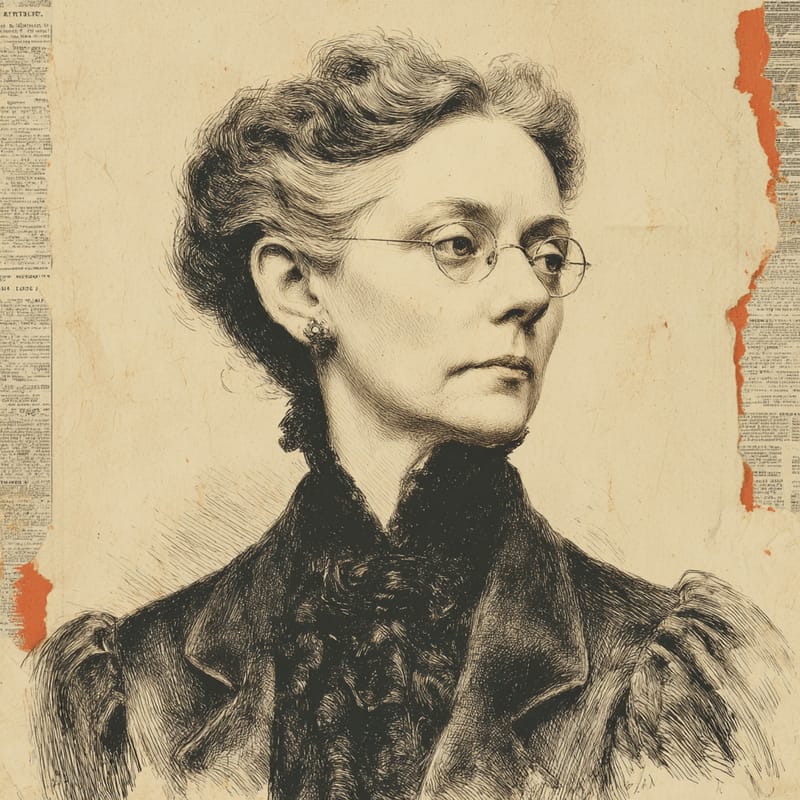

§ Also in the Progressive hall
Enter the hall →§ Common questions
4 answersWhat was Theodore Roosevelt's political ideology?
Theodore Roosevelt was a progressive Republican and later the leader of the Progressive Party: on the 99ideologies three-axis compass, a Reformist Progressive. Economically he sat left of centre (−42), regulating corporations, breaking up monopolies and backing labour protections while defending capitalism. On governance he leaned libertarian (−40), championing direct democracy in 1912, though he exercised presidential power expansively. Socially he was progressive (+50) as a conservationist and suffrage supporter, with imperialist and racial views that cut the other way.
Was Theodore Roosevelt left-wing or right-wing?
He began on the progressive wing of the Republican Party and moved left over his career. As president he was a regulatory reformer, and by 1912 his New Nationalism and Progressive Party platform called for social insurance, a minimum wage for women and direct democracy, measures that anticipated the New Deal. At the same time he was a nationalist and imperialist who championed military power and distrusted socialism. Both progressives and conservatives claim parts of his legacy.
What was Theodore Roosevelt's Square Deal?
It was his domestic programme of fairness between business, labour and consumers, often summarised as the control of corporations, consumer protection and the conservation of natural resources. In practice it meant antitrust suits such as the Northern Securities case, federal mediation in the 1902 coal strike, railroad regulation under the Hepburn Act, the 1906 food and drug laws, and the protection of millions of acres of forests and monuments. In 1910 he extended it into the more radical New Nationalism.
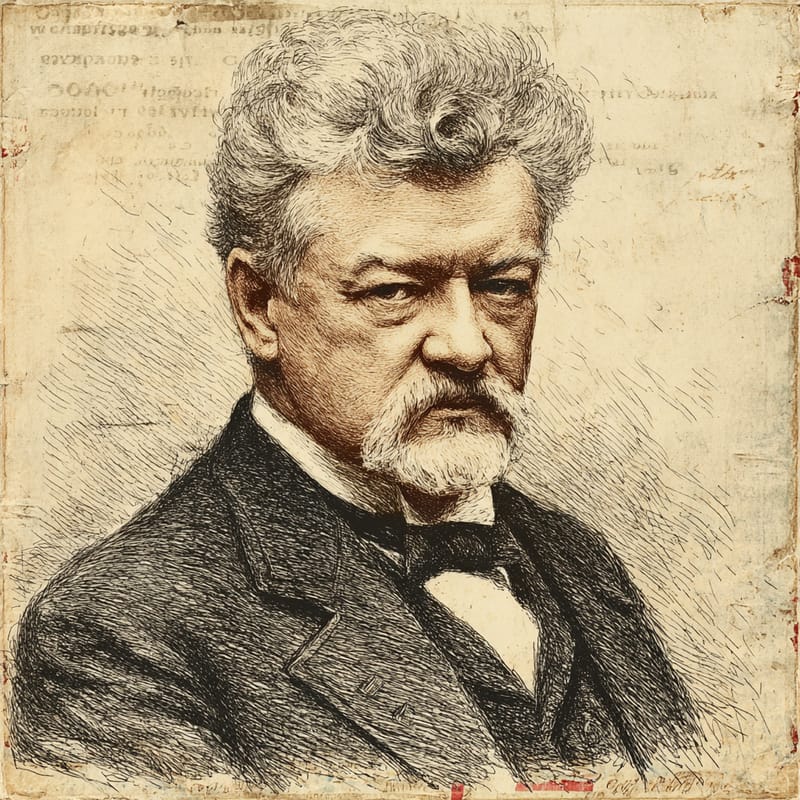
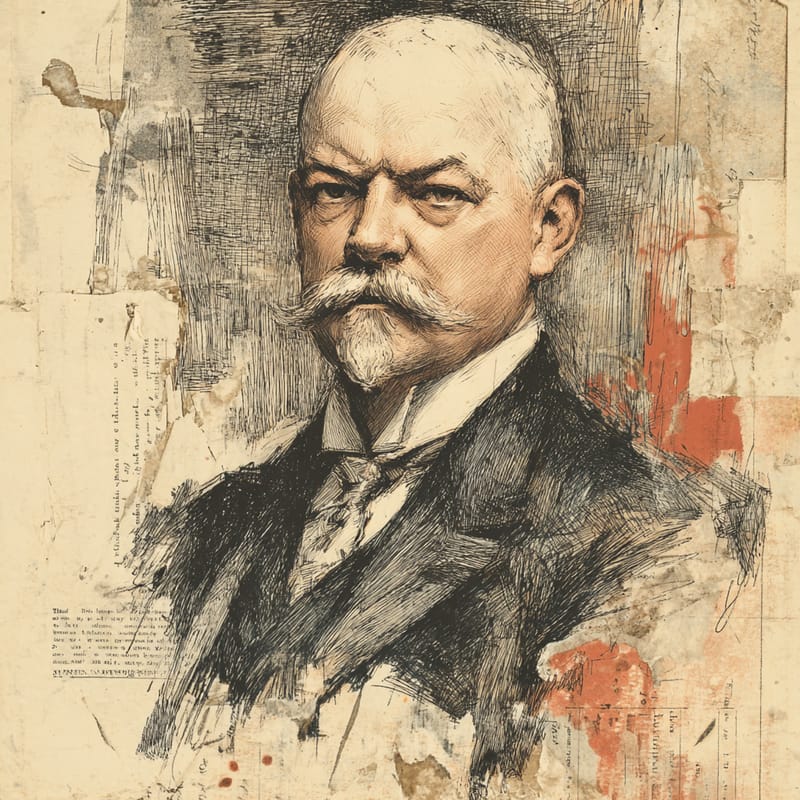
Which minds are closest to Theodore Roosevelt?
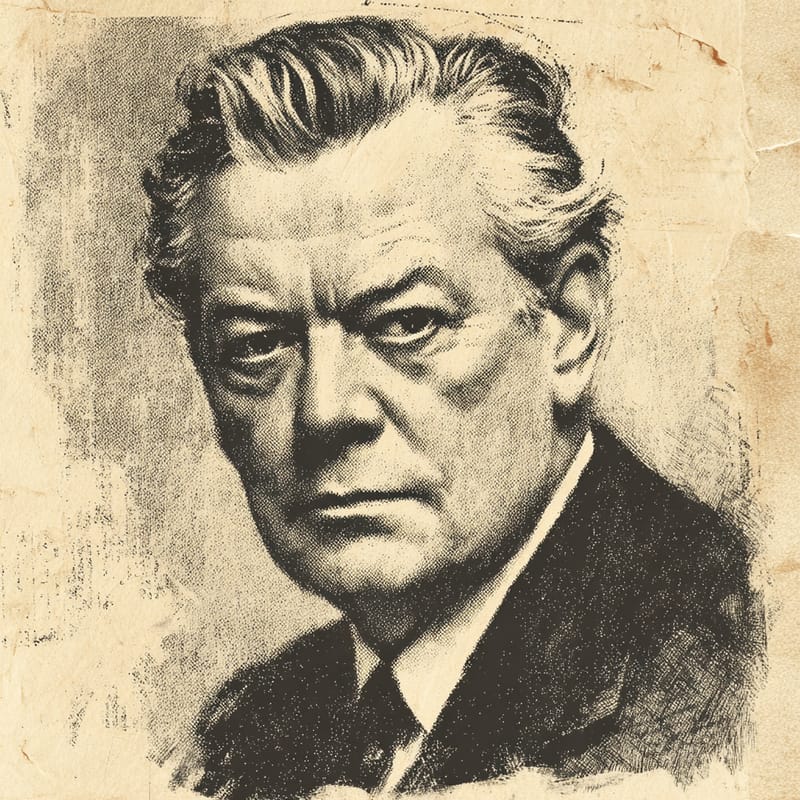
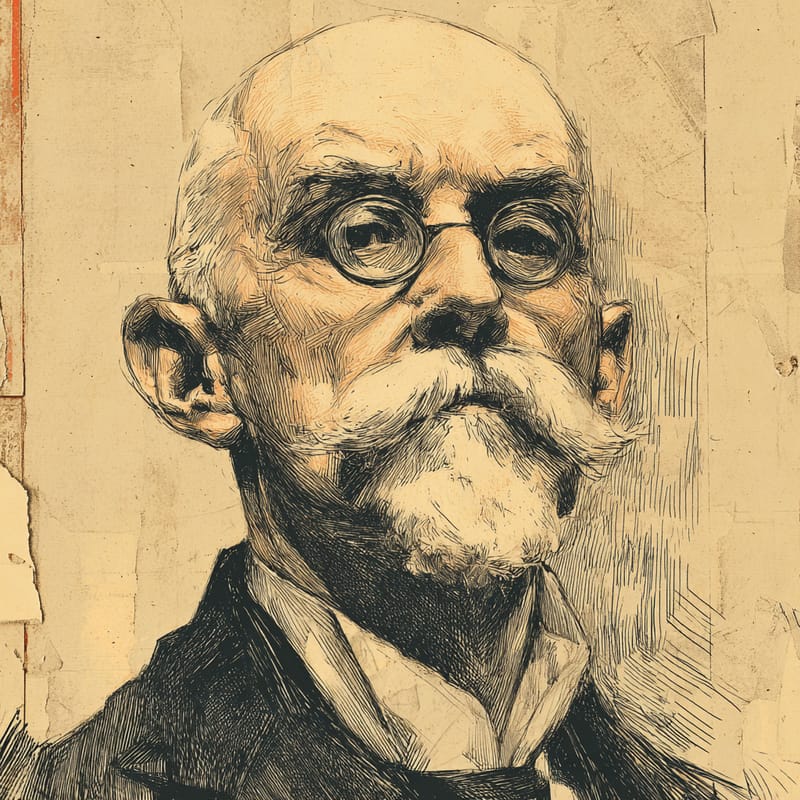
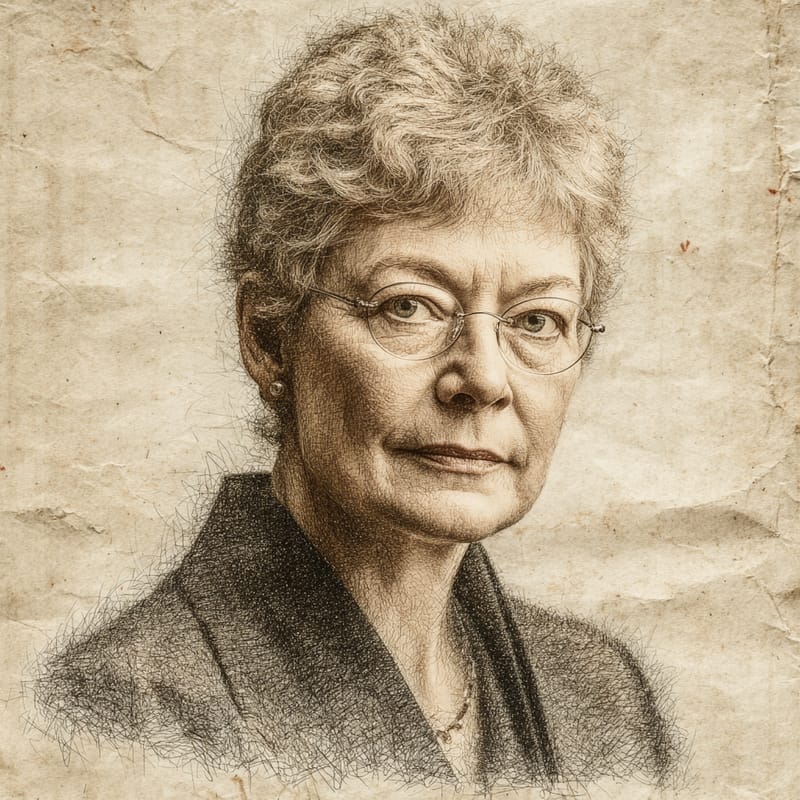
On the 99ideologies three-axis compass, the minds closest to Theodore Roosevelt are Frances Willard (98% alike), Robert La Follette (95% alike) and Hiram Johnson (94% alike). The furthest is Adam Sutler (6% alike).