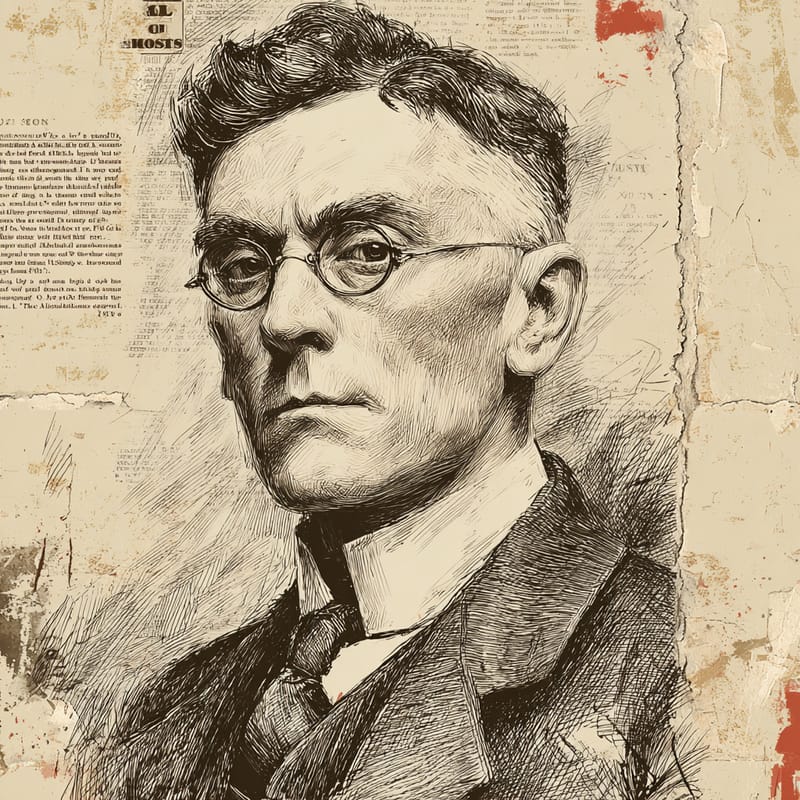
Upton Sinclair
The Jungle
Muckraking into reform.
Reformist ProgressiveOne of 729 ideologies · enter the Progressive hall →- Role
- Writer & reformer
- Era
- 1878–1968
- Region
- United States
- Social band
- Reformist
- Placement
- −58 · −44 · +58
§ Where Upton Sinclair stands
3 axesSinclair called himself a socialist, and his EPIC programme of 1934 proposed that the state take over idle farms and factories and run them as cooperatives in which the unemployed would produce for their own use. The plan also promised pensions and higher taxes on the wealthy, but it left most private enterprise standing, a gradualist route that won him a major party's nomination.
Sinclair pursued change through exposure, persuasion and elections, running for Congress, the Senate and governor as a Socialist before capturing California's Democratic primary in 1934. A defender of civil liberties, he was arrested in 1923 for reading the Bill of Rights aloud at a dock strike in San Pedro and helped found the American Civil Liberties Union in Southern California.
His novels championed exploited immigrants, workers and dissenters, from the Lithuanian family of The Jungle to the condemned anarchists of Boston (1928), his novel of the Sacco and Vanzetti case. His progressivism had a puritan streak, however: a lifelong teetotaller, he defended Prohibition in The Wet Parade (1931).
How close are you to Upton Sinclair?
Three statements, one per axis. Answer them and we’ll drop you on the compass next to them.
§ The story
HistoricalUpton Beall Sinclair Jr. (1878–1968) was an American novelist and political campaigner, born in Baltimore and raised in genteel poverty there and in New York. A prolific writer of pulp fiction while still a student, he joined the Socialist Party and in 1904 spent weeks undercover in Chicago's stockyards. The result, The Jungle (1906), became a best-seller and made him the most famous of the muckrakers. He went on to publish more than ninety books.
The Jungle helped push Congress to pass the Meat Inspection Act and the Pure Food and Drug Act in 1906, though Sinclair lamented that readers cared more about tainted meat than exploited workers. He ran repeatedly for office as a Socialist, then in 1934 won the Democratic nomination for governor of California with his End Poverty in California (EPIC) programme, losing to the Republican Frank Merriam after a fierce campaign by business, newspapers and Hollywood studios. His novel Dragon's Teeth won the 1943 Pulitzer Prize.
Notable for
- 01'The Jungle'
- 02Pure Food and Drug Act impact
- 03EPIC ('End Poverty in California')
Key works & moments
- 1906Publishes The Jungle; Congress passes the Meat Inspection Act and the Pure Food and Drug Act.
- 1919Publishes The Brass Check, an attack on the commercial American press.
- 1923Arrested in San Pedro for reading the Bill of Rights to striking dockworkers.
- 1927Publishes Oil!, later adapted as the film There Will Be Blood (2007).
- 1934Wins the Democratic nomination for California governor on the EPIC programme but loses to Frank Merriam.
- 1943Wins the Pulitzer Prize for his novel Dragon's Teeth.
In their own words
“I aimed at the public's heart, and by accident I hit it in the stomach.”
§ Minds closest to Upton Sinclair
All minds →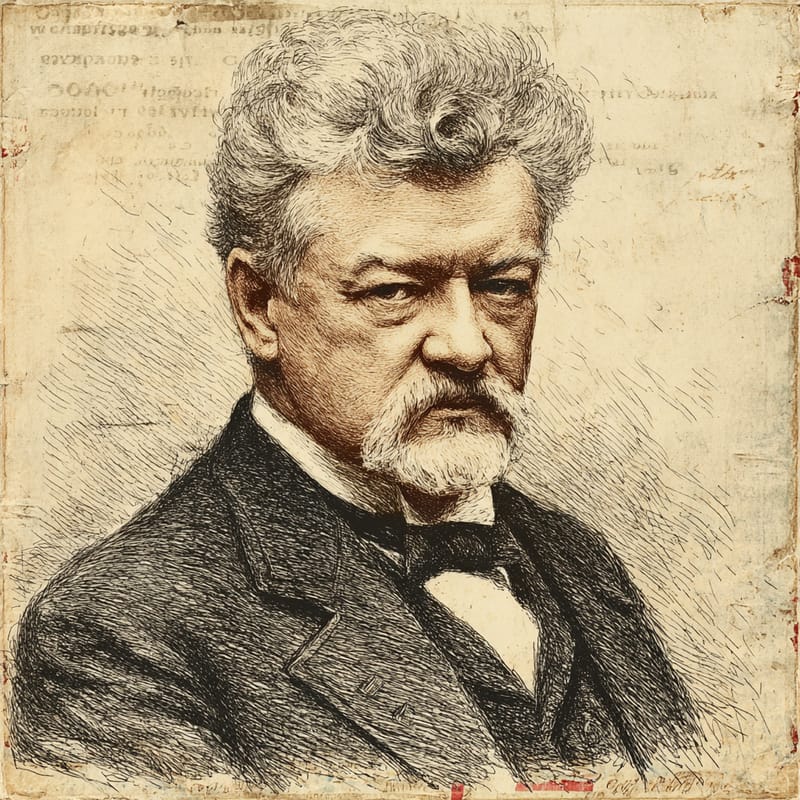



§ Also in the Progressive hall
Enter the hall →§ Common questions
4 answersWhat was Upton Sinclair's political ideology?
Upton Sinclair was a democratic socialist who worked through reform politics: on the 99ideologies three-axis compass, a Reformist Progressive. Economically he sat left of centre (−58), proposing state-backed cooperatives, pensions and taxes on wealth to end poverty. On governance he leaned libertarian (−44), relying on exposure, elections and civil liberties rather than revolution. Socially he was progressive (+58), championing immigrants, workers and dissenters, though his support for Prohibition showed a puritan streak.
Was Upton Sinclair left-wing or right-wing?
Left-wing. Sinclair was a long-time member of the Socialist Party who exposed corporate abuses in novel after novel and ran for office repeatedly as a Socialist. In 1934 he tried a more practical route, capturing the Democratic nomination for governor of California with the EPIC plan, which opponents denounced as communism. He was a democrat and a gradualist rather than a revolutionary, which places him on the reformist wing of the American left.
What was Upton Sinclair's EPIC campaign?
EPIC, short for End Poverty in California, was Sinclair's 1934 campaign for governor during the Great Depression. He proposed that the state put the unemployed to work on idle farms and in idle factories, organised as cooperatives producing for their own use, funded by higher taxes on the wealthy, alongside pensions for the elderly. EPIC clubs spread across the state and Sinclair won the Democratic primary, but business, newspapers and film studios campaigned hard against him and he lost to Frank Merriam.
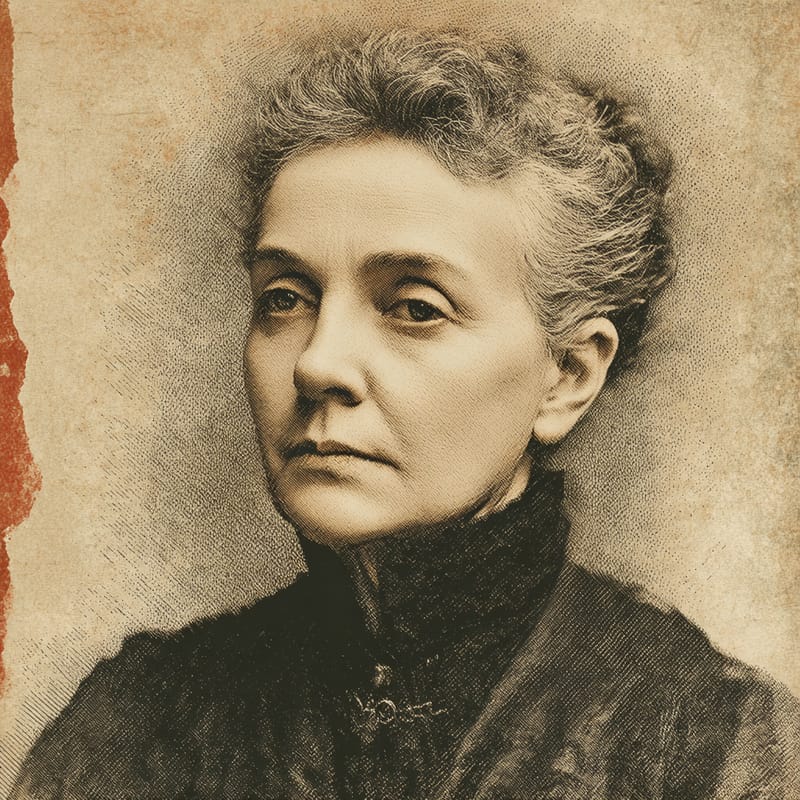
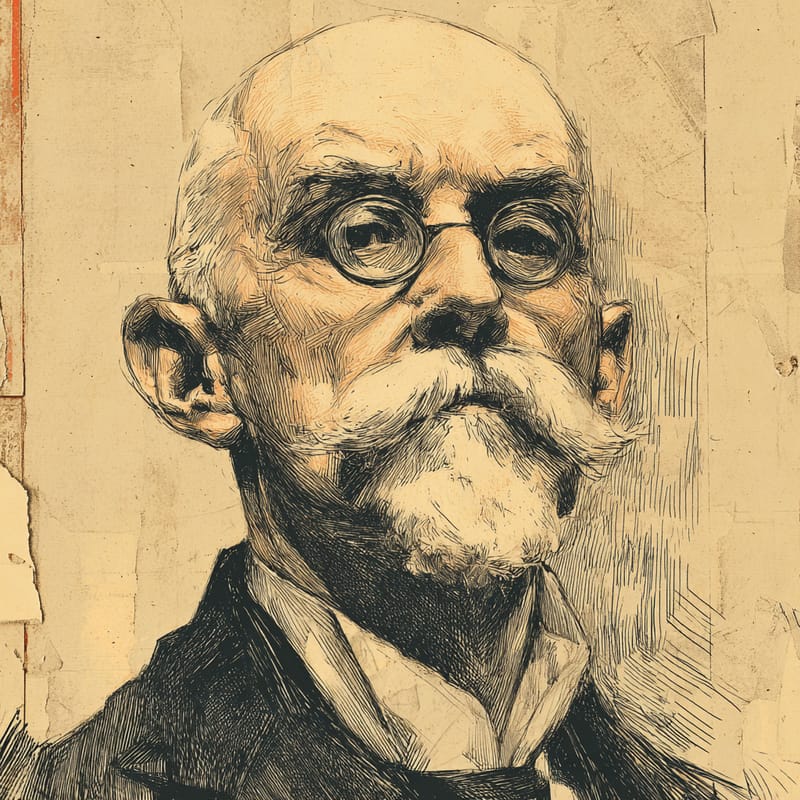
Which minds are closest to Upton Sinclair?
On the 99ideologies three-axis compass, the minds closest to Upton Sinclair are Robert La Follette (96% alike), Rachel Carson (96% alike) and Jane Addams (95% alike). The furthest is Adam Sutler (0% alike).