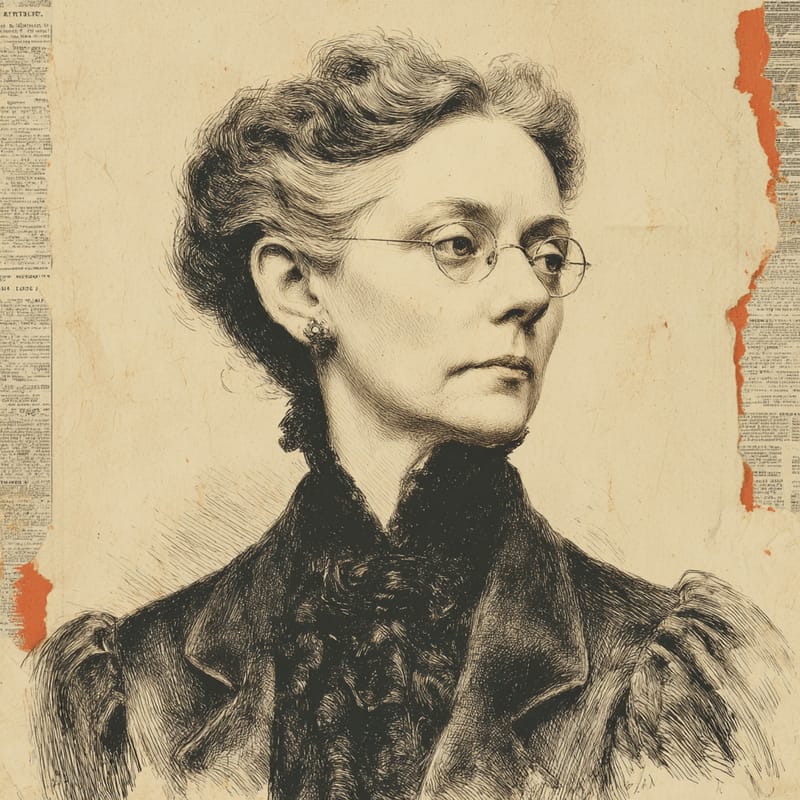
Frances Willard
Do everything
Reform as a broad moral crusade.
Reformist ProgressiveOne of 729 ideologies · enter the Progressive hall →- Role
- Reformer
- Era
- 1839–1898
- Region
- United States
- Social band
- Reformist
- Placement
- −46 · −44 · +52
§ Where Frances Willard stands
3 axesWillard came to see poverty and exploitation, not only drink, as causes of social misery. She sought an alliance between the WCTU and the Knights of Labor, backed the eight-hour day and in the 1890s declared herself a Christian socialist who wanted industry run for the common good. Her economics remained moral and reformist rather than a worked-out programme.
Willard built change through mass voluntary organisation: local WCTU unions petitioned, lobbied and educated, as in the 1879 Illinois drive for women's right to vote on liquor licensing. She worked within democratic politics, backing the Prohibition Party in the 1880s, though her aim of outlawing alcohol by law marked the limit of her libertarian instincts.
Willard was a pioneer of women's public role, arguing that women needed the vote for home protection and campaigning to raise the age of consent, and her 1895 book on learning to ride a bicycle celebrated women's physical freedom. Her evangelical temperance moralism and her clash with Ida B. Wells over lynching show where her progressivism stopped.
How close are you to Frances Willard?
Three statements, one per axis. Answer them and we’ll drop you on the compass next to them.
§ The story
HistoricalFrances Elizabeth Caroline Willard (1839–1898) was an American educator and reformer, born in Churchville, New York, and raised on a Wisconsin farm. After years of teaching, she became president of the Evanston College for Ladies in 1871 and then dean of women at Northwestern University. In 1874 she joined the new Woman's Christian Temperance Union, and as its president from 1879 until her death she built it into the largest women's organisation in the United States.
Willard's Do Everything policy pushed the WCTU far beyond temperance, into campaigns for women's suffrage, labour reform, prison reform, kindergartens and higher age-of-consent laws, and she helped found the World WCTU and the National Council of Women. In the 1890s she called herself a Christian socialist. Her record also drew sharp criticism: the anti-lynching campaigner Ida B. Wells attacked her in 1894 for remarks that echoed racist stereotypes of Black men and for her reluctance to condemn lynching. In 1905 she became the first woman represented in the Capitol's National Statuary Hall.
Notable for
- 01Led the WCTU
- 02'Do Everything' reform agenda
- 03Women's suffrage advocacy
Key works & moments
- 1871Becomes president of the Evanston College for Ladies.
- 1874Joins the new Woman's Christian Temperance Union as its national corresponding secretary.
- 1879Elected WCTU president; leads an Illinois petition drive for women's votes on liquor licensing.
- 1888Becomes the first president of the National Council of Women of the United States.
- 1895Publishes A Wheel Within a Wheel, on learning to ride a bicycle in her fifties.
- 1905Becomes the first woman honoured with a statue in the Capitol's National Statuary Hall.
§ Minds closest to Frances Willard
All minds →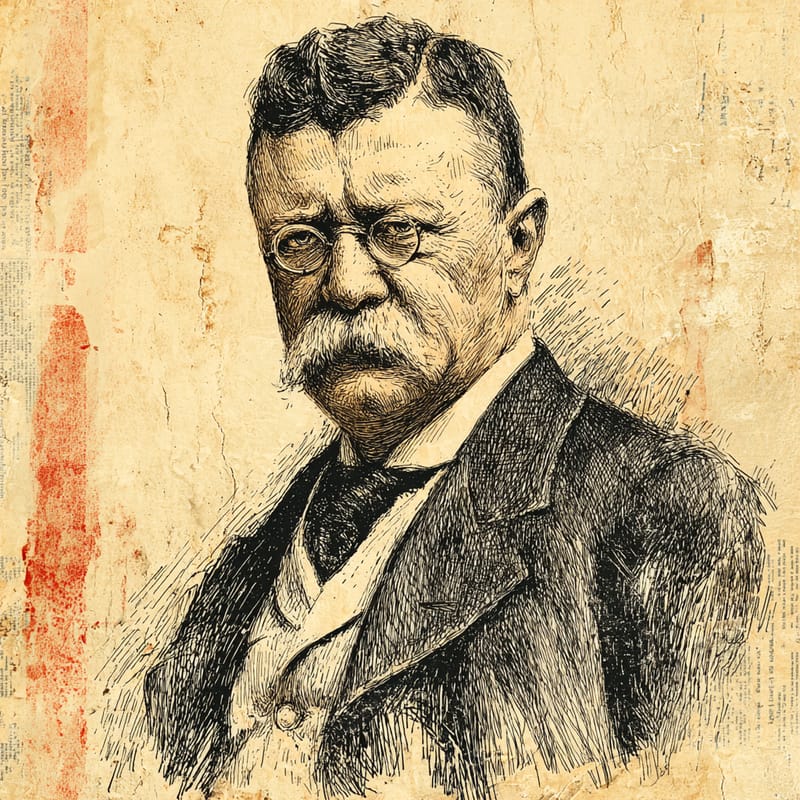


§ Also in the Progressive hall
Enter the hall →§ Common questions
4 answersWhat was Frances Willard's political ideology?
Frances Willard was a Christian reformer who moved from temperance toward Christian socialism: on the 99ideologies three-axis compass, a Reformist Progressive. Economically she sat left of centre (−46), backing labour reform and the eight-hour day. On governance she leaned libertarian (−44), building change through mass voluntary organisation and democratic politics, though she wanted alcohol outlawed. Socially she was progressive (+52), a leading advocate of women's suffrage and public life, tempered by evangelical moralism.
Was Frances Willard left-wing or right-wing?
Left of centre by the standards of her age, though not in a modern sense on every issue. Willard pushed for women's suffrage, labour rights and social welfare and called herself a Christian socialist, positions that placed her among the era's reformers. But her central cause, prohibition, rested on evangelical morality and state control of private behaviour, and her record on race drew criticism from Ida B. Wells. She is best seen as a progressive moral reformer.
What was Frances Willard's 'Do Everything' policy?
It was her strategy of turning the Woman's Christian Temperance Union into a broad reform movement. Rather than fighting only alcohol, Willard encouraged local unions to take up any cause that protected women, children and the home, from suffrage and labour reform to prison reform, kindergartens, health education and higher age-of-consent laws. The WCTU created dozens of specialised departments under the policy, which made it the largest women's organisation in the country and a training ground for female political activists.
Which minds are closest to Frances Willard?
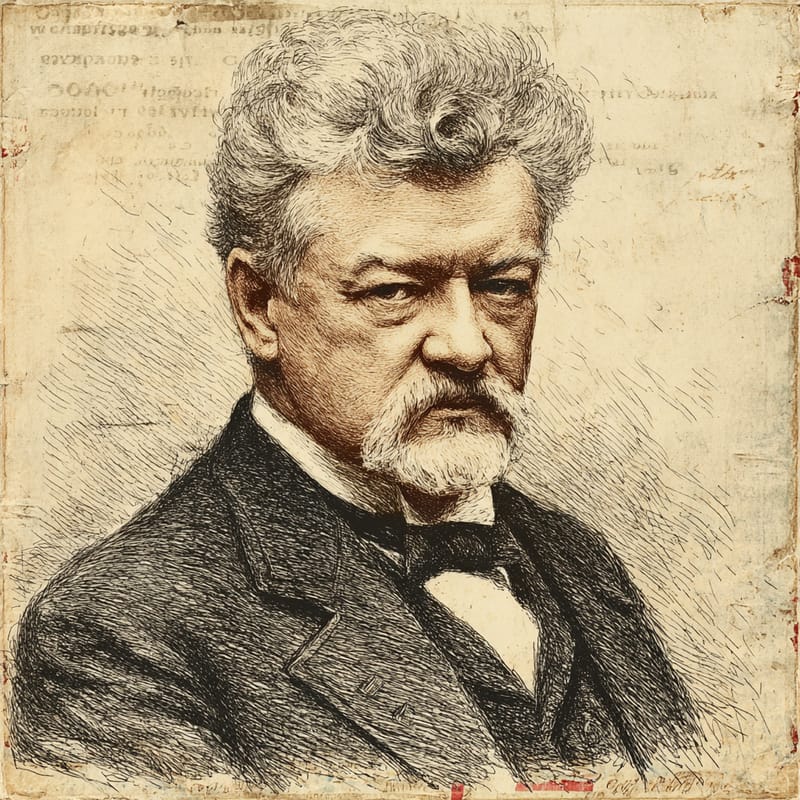
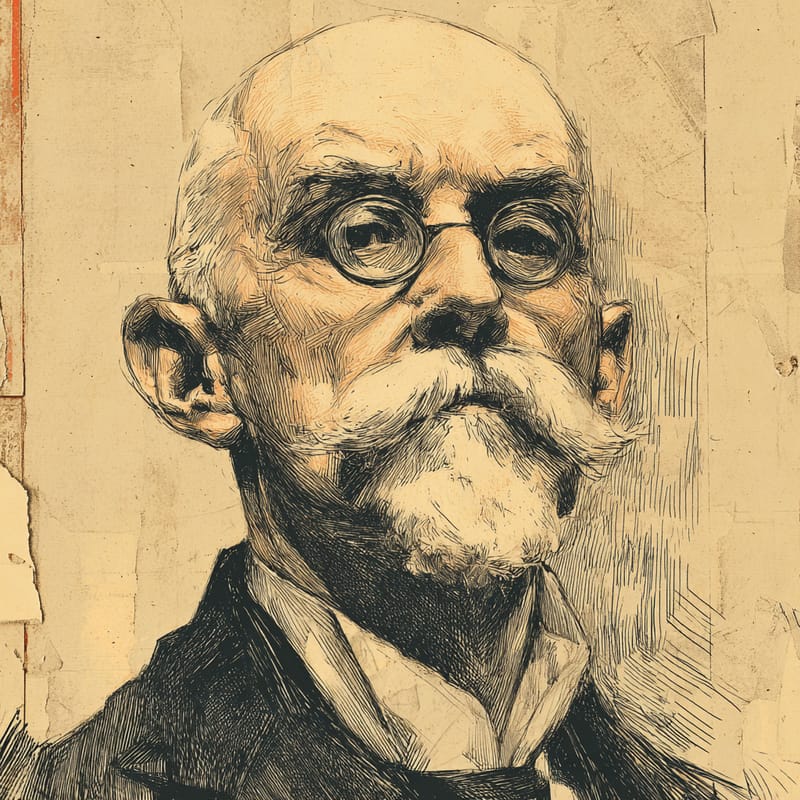
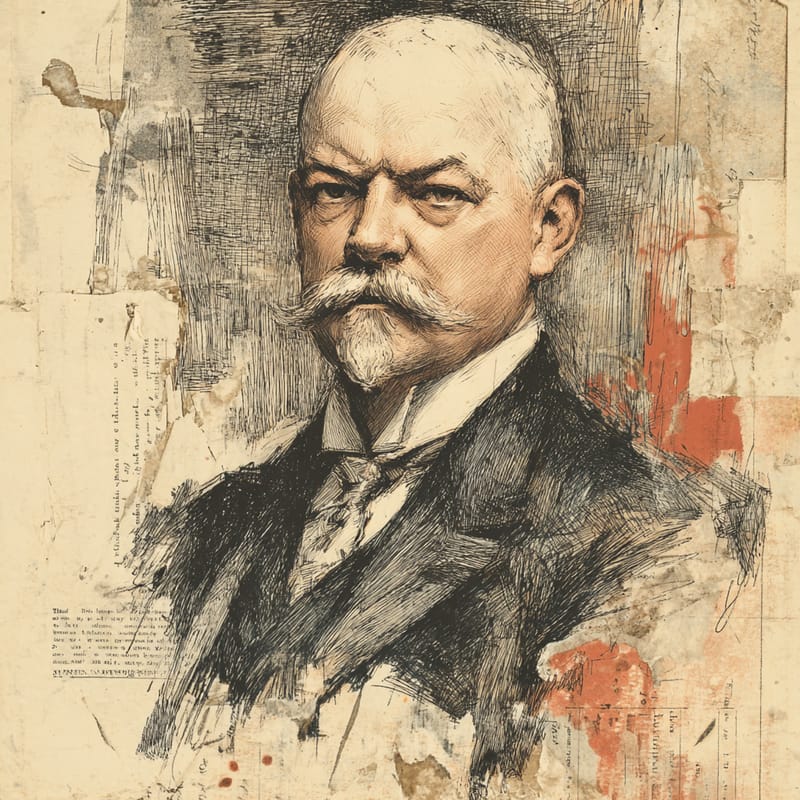
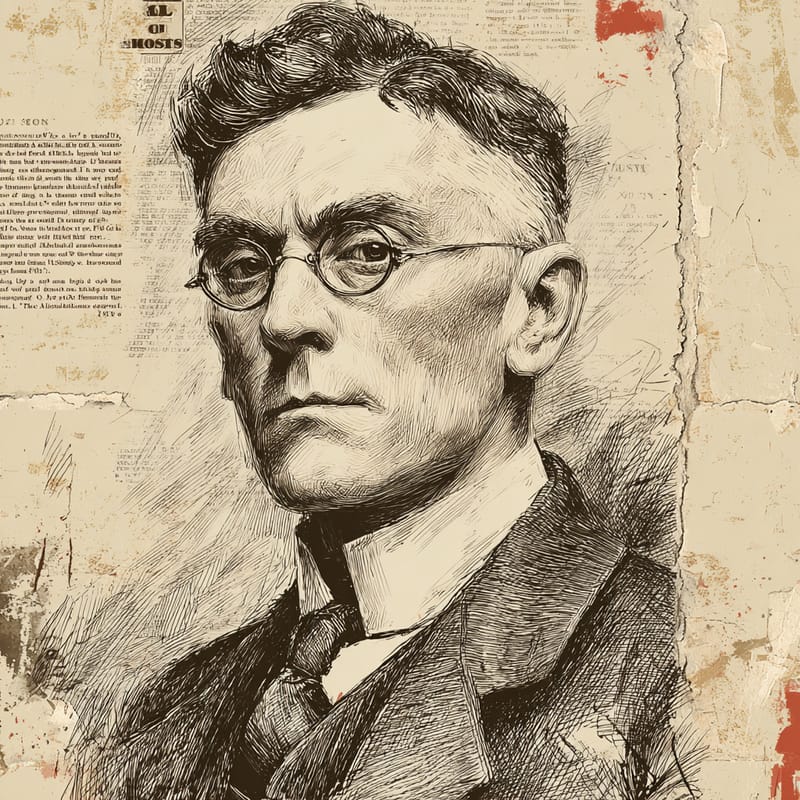
On the 99ideologies three-axis compass, the minds closest to Frances Willard are Theodore Roosevelt (98% alike), Robert La Follette (97% alike) and John Dewey (95% alike). The furthest is Adam Sutler (4% alike).