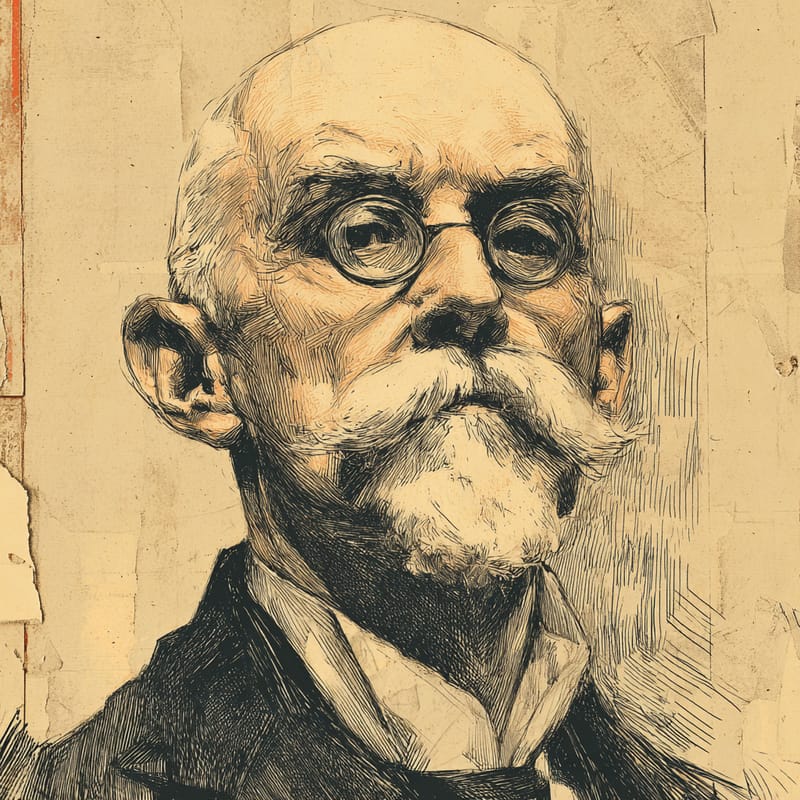
John Dewey
Democracy as a way of life
Education for a participating public.
Reformist ProgressiveOne of 729 ideologies · enter the Progressive hall →- Role
- Philosopher & educator
- Era
- 1859–1952
- Region
- United States
- Social band
- Reformist
- Placement
- −48 · −50 · +62
§ Where John Dewey stands
3 axesDewey argued in Individualism Old and New (1930) that corporate capitalism had destroyed the self-reliant individualism it claimed to protect, and in Liberalism and Social Action (1935) that liberalism must adopt organised social planning of the economy. He chaired the League for Independent Political Action from 1929, seeking a party for workers and farmers, but always favoured democratic experiment over doctrinaire socialism.
For Dewey democracy was a way of life, not just a method of choosing rulers. The Public and Its Problems (1927) answered Walter Lippmann's doubts about ordinary citizens by calling for an informed, participating public, and he defended civil liberties as a founder of the ACLU in 1920 while condemning Stalinist dictatorship through the 1937 Trotsky inquiry.
Dewey's progressive education put the child's experience, curiosity and cooperation at the centre of schooling, as set out in The School and Society (1899) and Democracy and Education (1916). A secular humanist, he signed the Humanist Manifesto of 1933 and argued in A Common Faith (1934) for religious feeling freed from supernatural doctrine, and in 1909 he signed the call that led to the NAACP.
How close are you to John Dewey?
Three statements, one per axis. Answer them and we’ll drop you on the compass next to them.
§ The story
HistoricalJohn Dewey (1859–1952) was an American philosopher, psychologist and educational reformer, born in Burlington, Vermont. After a doctorate at Johns Hopkins, he taught at Michigan and then Chicago, where in 1896 he founded the Laboratory School to test his theories of learning through experience, before moving to Columbia University in 1904. With Charles Sanders Peirce and William James he became a leading figure of pragmatism, and he wrote prolifically on logic, ethics, art and politics into his nineties.
Dewey was the most influential public philosopher in America for half a century. His idea of education as active inquiry and democratic practice reshaped schooling worldwide, while critics blamed progressive education for neglecting knowledge and discipline. He helped found the American Association of University Professors and the American Civil Liberties Union, pressed for a new third party of workers and farmers around 1930, and in 1937 chaired the commission that examined the Moscow Trials and declared Leon Trotsky not guilty.
Notable for
- 01'Democracy and Education'
- 02Pragmatist philosophy
- 03Progressive-education movement
Key works & moments
- 1896Opens the Laboratory School at the University of Chicago to test his ideas on education.
- 1916Publishes Democracy and Education.
- 1919–21Lectures across China, influencing the reformers of the May Fourth era.
- 1927Publishes The Public and Its Problems, answering Walter Lippmann's doubts about democracy.
- 1935Liberalism and Social Action calls for democratic social planning of the economy.
- 1937Chairs the commission in Mexico that clears Leon Trotsky of the Moscow Trials charges.
In their own words
“A democracy is more than a form of government; it is primarily a mode of associated living, of conjoint communicated experience.”
§ Minds closest to John Dewey
All minds →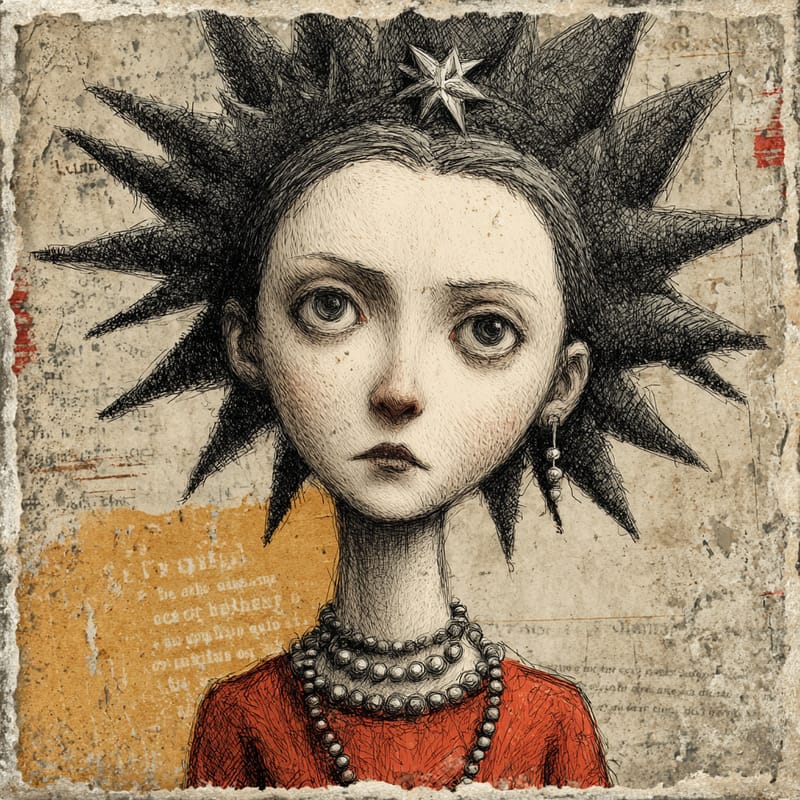

§ Also in the Progressive hall
Enter the hall →§ Common questions
4 answersWhat was John Dewey's political ideology?
John Dewey was a radical democratic liberal: on the 99ideologies three-axis compass, a Reformist Progressive. Economically he sat left of centre (−48), arguing that liberalism must embrace democratic planning of a corporate economy. On governance he leaned libertarian (−50), treating democracy as a participatory way of life and defending civil liberties. Socially he was progressive (+62), a secular humanist who championed experimental, child-centred education.
Was John Dewey left-wing or right-wing?
Left of centre. Dewey argued that laissez-faire liberalism had failed and that a renewed liberalism must use democratic planning to secure real freedom for working people, and he backed third-party efforts on the left around 1930. Yet he was a firm anti-communist after the Moscow Trials, rejecting class war and dictatorship, and he trusted gradual, experimental reform. That combination places him on the democratic, reformist left of American progressivism.
What did John Dewey mean by 'democracy as a way of life'?
He meant that democracy depends on how people live and learn together, not only on elections and constitutions. In Democracy and Education (1916) Dewey called democracy primarily a mode of associated living, in which people share experiences and interests across social divides. Schools, workplaces and communities should therefore train citizens in cooperation, inquiry and open communication. He developed the theme in The Public and Its Problems (1927) and in his 1939 essay Creative Democracy: The Task Before Us.
Which minds are closest to John Dewey?
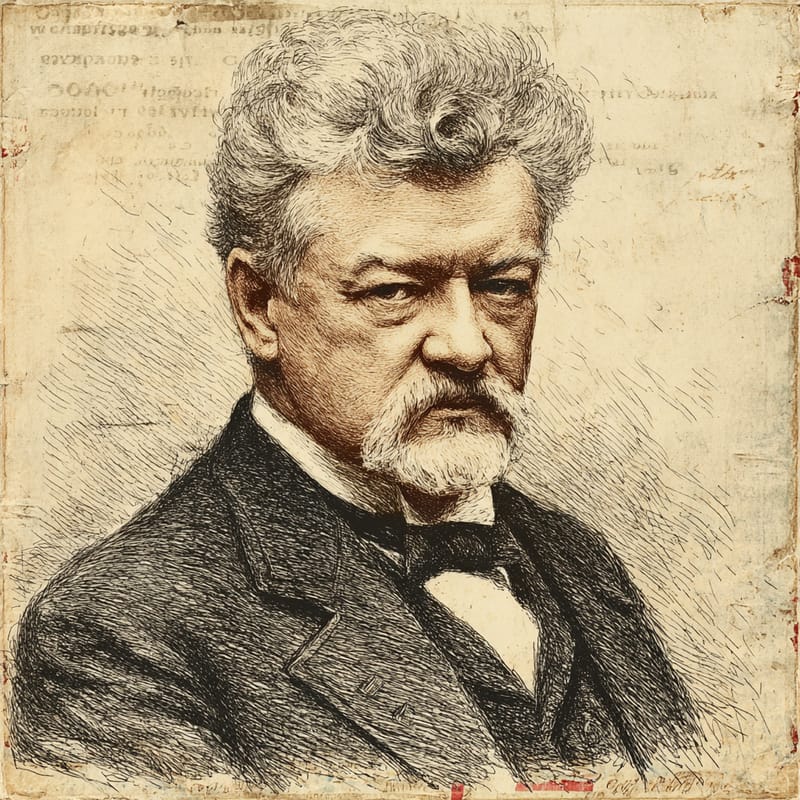
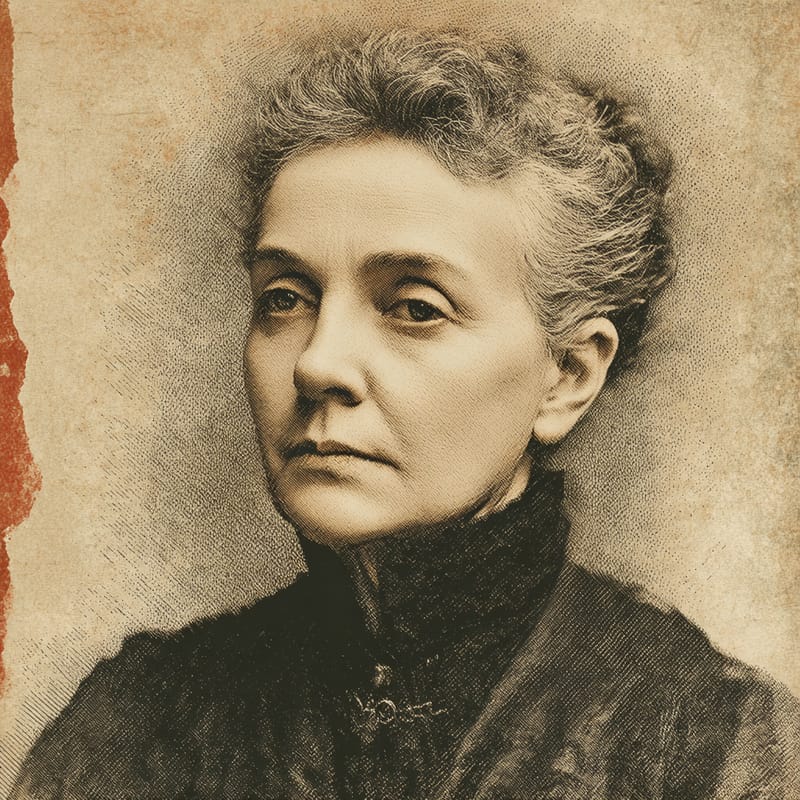
On the 99ideologies three-axis compass, the minds closest to John Dewey are Lisa Simpson (98% alike), Robert La Follette (97% alike) and Jane Addams (97% alike). The furthest is Adam Sutler (0% alike).