
The City of Arden (illustrative)
A single-tax colony
Georgism, actually tried.
Reformist GeorgismOne of 729 ideologies · enter the Georgism hall →- Role
- Georgist community
- From
- single-tax colonies
- Region
- United States
- Social band
- Reformist
- Placement
- +22 · −52 · +45
§ Where The City of Arden (illustrative) stands
3 axesIn a single-tax colony the community owns the land and captures its rental value, while homes, workshops and businesses remain private property, freely bought and sold. Arden's leaseholders pay a land rent assessed on location rather than on buildings or improvements, and the trustees use it to pay county taxes and maintain roads and common woods. That is market economics with the ground rent socialised, a moderate market lean.
The colonies are voluntary associations, joined by choice and run by their own residents. Arden governs itself through regular town meetings, and its land is held by trustees bound by the founders' deed of trust rather than by any outside authority; Fairhope's Single Tax Corporation similarly leases land to its members. The model is local self-government with as little coercion as the law allows.
Arden was founded in the spirit of the Arts and Crafts movement and named after the forest in Shakespeare's As You Like It, and it attracted socialists, anarchists, artists and freethinkers alongside single-taxers. Its open-air theatre, craft guilds and shared woods made it a progressive cultural experiment, though one rooted in village life and communal ritual rather than radical rupture.
How close are you to The City of Arden (illustrative)?
Three statements, one per axis. Answer them and we’ll drop you on the compass next to them.
§ The story
FictionThe City of Arden is the site's stand-in for the single-tax colonies, real communities founded to put Henry George's ideas into practice. The best known is Arden, Delaware, founded in 1900 by the sculptor Frank Stephens and the architect Will Price on land held in trust: residents lease their plots and pay an annual land rent, from which the community pays the property taxes and funds shared services. Fairhope, Alabama, founded in 1894, and Free Acres, New Jersey, founded in 1910, followed the same model.
The colonies matter because they are the closest thing Georgism has to a working laboratory. Arden drew artists, craftspeople and radicals, including the novelist Upton Sinclair, and it still governs itself through town meetings while keeping its land trust; the neighbouring villages of Ardentown and Ardencroft were added in 1922 and 1950. Because they sat inside ordinary state and federal tax systems, the colonies could only approximate George's plan, showing the single tax on a small, voluntary scale rather than as national policy.
Notable for
- 01Single-tax colony (Arden, DE)
- 02Community land trust model
- 03Georgism in practice
Key works & moments
- 1879Henry George publishes Progress and Poverty, the blueprint for the single-tax colonies.
- 1894Single-taxers from Iowa found Fairhope on Alabama's Mobile Bay, the first lasting single-tax colony.
- 1900Frank Stephens and Will Price found Arden, Delaware, on land held in trust.
- 1910The reformer Bolton Hall founds Free Acres in New Jersey on the same model.
- 1922Ardentown is founded beside Arden; Ardencroft follows in 1950.
§ Minds closest to The City of Arden (illustrative)
All minds →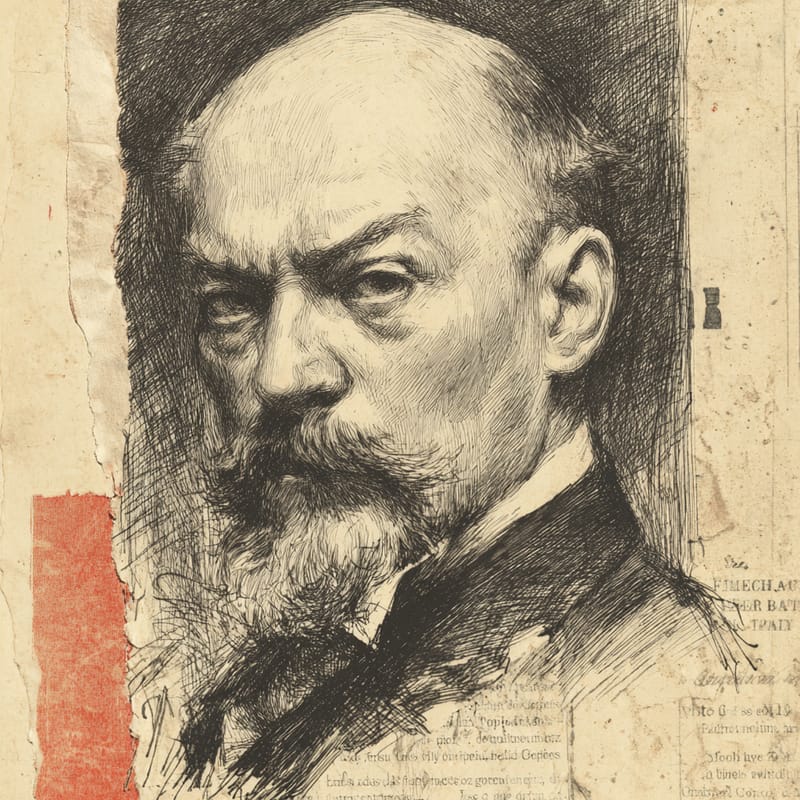


§ Also in the Georgism hall
Enter the hall →§ Common questions
4 answersWhat is the City of Arden's political ideology?
The City of Arden stands for Georgism put into practice: on the 99ideologies three-axis compass, an example of Reformist Georgism. Economically it leans moderately to the market (+22), keeping homes and businesses private while the community collects land rent. On governance it is anti-authoritarian (−52), a voluntary community run by its own residents through town meetings. Socially it is progressive (+45), shaped by the Arts and Crafts movement and by the radicals and artists the colonies attracted.
Is the City of Arden left-wing or right-wing?
Left-leaning in culture, market-friendly in economics. The single-tax colonies grew out of the radical reform movements of the 1890s and attracted socialists, anarchists and artists, and Arden's communal land and town-meeting democracy look left-wing to modern eyes. But Georgism keeps private enterprise and trade, taxing only the value of land, so the colonies are better described as a third way between socialism and laissez-faire than as either left or right.
What is a single-tax colony?
A single-tax colony is a community that tries to live by Henry George's single tax within existing law. A trust or corporation owns all the land and leases plots to residents, charging each an annual rent based on the value of the location rather than the buildings on it. The rent pays the property taxes owed to the state and funds local services, so residents are not taxed on their improvements. Fairhope, Alabama (1894), and Arden, Delaware (1900), are the best-known examples, and both still operate.
Which minds are closest to The City of Arden (illustrative)?
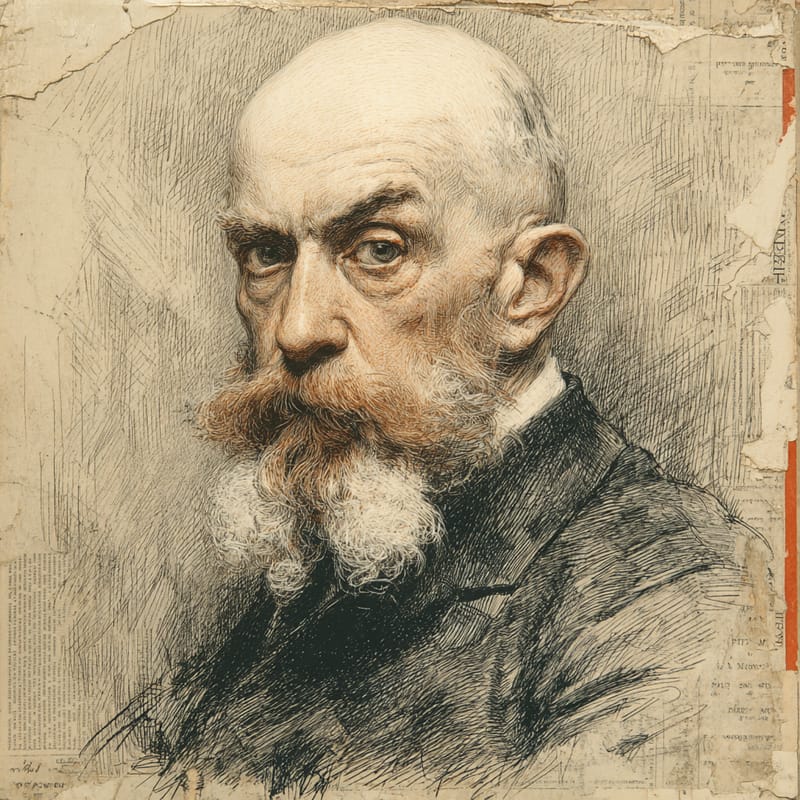
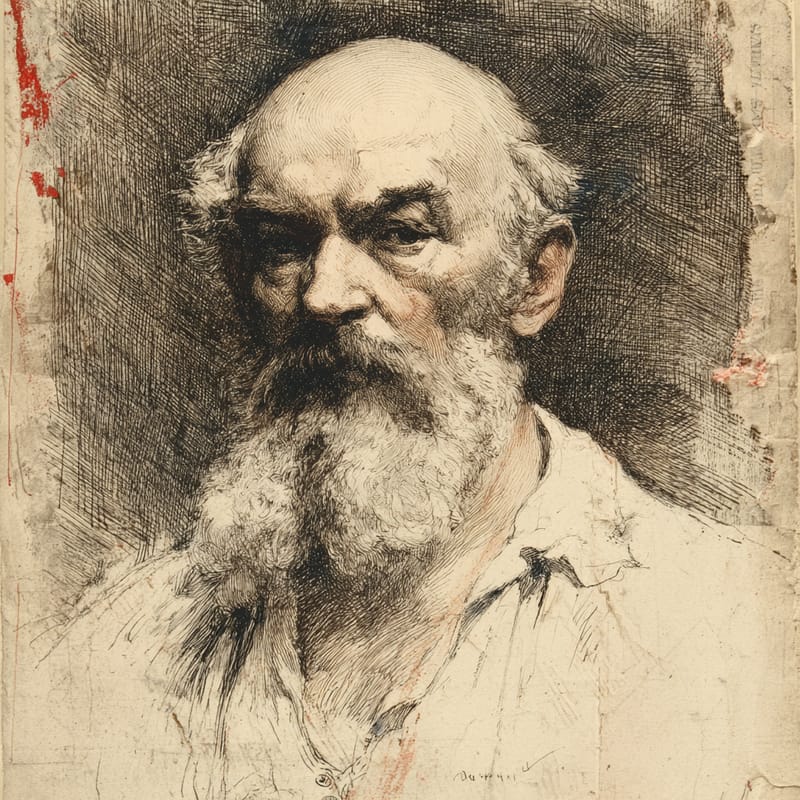
On the 99ideologies three-axis compass, the minds closest to The City of Arden (illustrative) are Silvio Gesell (99% alike), Henry George (97% alike) and Leo Tolstoy (97% alike). The furthest is Gregor Strasser (15% alike).