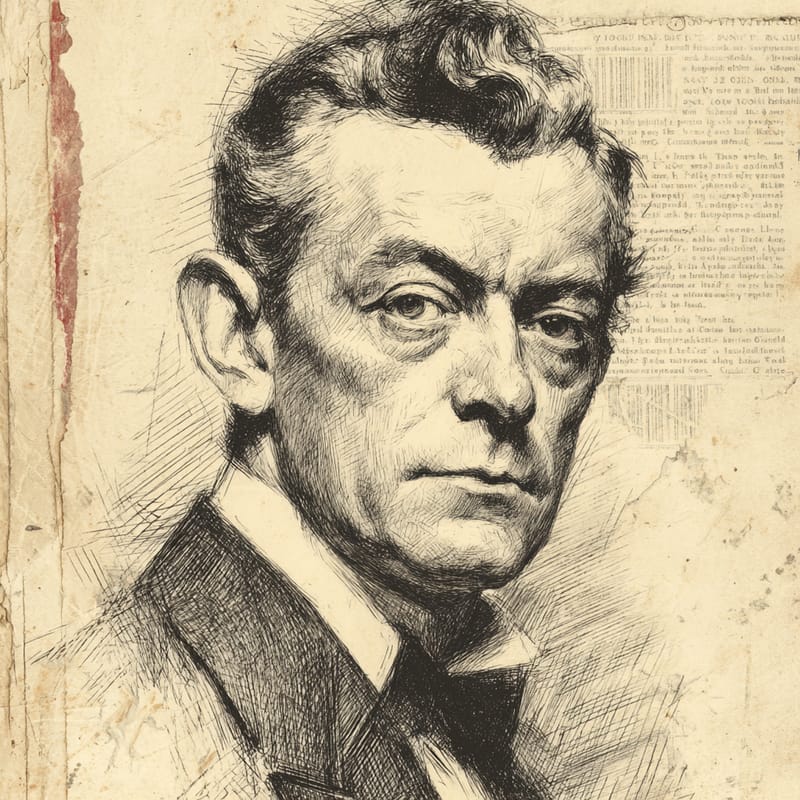
Pierre Mendès France
Modernise and moralise
A clean, planned, mixed economy.
Heterodox Welfare CapitalistOne of 729 ideologies · enter the Welfare Capitalist hall →- Role
- Prime Minister
- Era
- 1907–1982
- Region
- France
- Social band
- Heterodox
- Placement
- −10 · −22 · +30
§ Where Pierre Mendès France stands
3 axesMendès France believed in a modern mixed economy steered by the state: in 1944–45 he proposed a drastic currency exchange and freezing of bank deposits to break inflation, and as premier in 1954 he backed the national Plan, investment in housing and productivity, and special economic powers voted that August. He combined planning with fiscal and monetary rigour and never sought sweeping nationalisation, placing him just left of centre.
A parliamentary republican, Mendès France tried to restore the Fourth Republic's authority through clear commitments and direct explanation, addressing the public in weekly radio talks in 1954. He voted against de Gaulle's investiture in June 1958, opposed the presidential Fifth Republic and in La République moderne (1962) argued for accountable government, democratic planning and decentralisation rather than personal power.
Mendès France treated public health and decolonisation as moral causes: his 1954 government distributed milk to schoolchildren and moved against the privileges of home distillers whose tax-free spirits fuelled alcoholism, and his Carthage speech of 31 July 1954 promised Tunisia internal autonomy. His progressivism stopped at Algeria, where his government answered the November 1954 insurrection with force.
How close are you to Pierre Mendès France?
Three statements, one per axis. Answer them and we’ll drop you on the compass next to them.
§ The story
HistoricalPierre Mendès France (1907–1982) was a French Radical politician who served as prime minister from June 1954 to February 1955. Born into a Jewish family in Paris, he was elected deputy for the Eure in 1932 at the age of 25 and served as a junior Treasury minister in Léon Blum's government of 1938. Imprisoned by the Vichy regime on a politically motivated desertion charge, he escaped in 1941, flew with the Free French air force and served Charles de Gaulle as finance commissioner and then minister of the national economy, resigning in 1945 when his anti-inflation plan was rejected.
As premier he pledged to end the Indochina War within a month or resign, reaching the Geneva Accords in July 1954; his Carthage speech that month set Tunisia on the road to independence. The Algerian insurrection began under his government on 1 November 1954, and he answered it with force while insisting that Algeria was part of France. He let the European Defence Community fall in the National Assembly that August, angering pro-Europeans, and his government fell over North Africa policy in February 1955. He opposed de Gaulle's return in 1958 and became a moral reference for the non-communist left.
Notable for
- 01Ended the Indochina War
- 02Economic modernisation
- 03Symbol of republican integrity
Key works & moments
- 1932Elected Radical deputy for the Eure at the age of 25.
- 1941Escapes from a Vichy prison and later joins de Gaulle's Free French in London.
- 1944Leads the French delegation at Bretton Woods and becomes minister of the national economy.
- 1954Becomes prime minister and concludes the Geneva Accords ending the Indochina War.
- 1955His government falls in February after defeat in the Assembly over North Africa.
- 1962Publishes La République moderne, a programme for democratic renewal.
§ Minds closest to Pierre Mendès France
All minds →


§ Also in the Welfare Capitalist hall
Enter the hall →§ Common questions
4 answersWhat was Pierre Mendès France's political ideology?
Pierre Mendès France was a Radical republican and economic moderniser: on the 99ideologies three-axis compass, a Heterodox Welfare Capitalist. Economically he sits just left of centre (−10), combining state planning with monetary rigour. On governance he was a parliamentary democrat (−22) who opposed de Gaulle's personal power, and socially he was progressive (+30), ending the Indochina War, opening the way to Tunisian independence and campaigning on public health, though not on Algeria.
Was Pierre Mendès France left-wing or right-wing?
Centre-left. Mendès France came from the Radical Party, the historic centre of French republicanism, and governed with support from Socialists and centrists while declining to count Communist votes in his investiture majority. He later joined the small Unified Socialist Party and remained a hero of the non-communist left. His economics, built on planning, investment and sound money, were moderate, and his reputation rested on integrity and modernisation rather than on any doctrine of class struggle.
How did Pierre Mendès France end the Indochina War?
By setting himself a deadline. After the French defeat at Dien Bien Phu in May 1954, Mendès France took office in June promising to reach a settlement at the Geneva conference by 20 July or resign. Negotiating with the Soviet, Chinese and Viet Minh delegations, he secured the Geneva Accords of 20–21 July, which divided Vietnam at the 17th parallel pending elections and recognised the independence of Laos and Cambodia. Critics on the right called it a surrender; most of the country welcomed peace.
Which minds are closest to Pierre Mendès France?
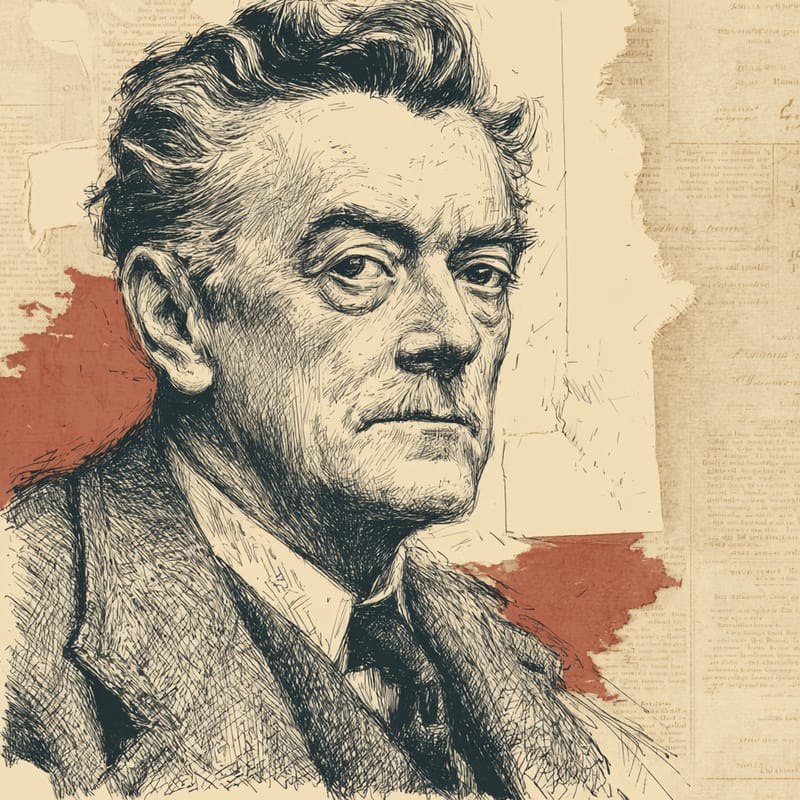
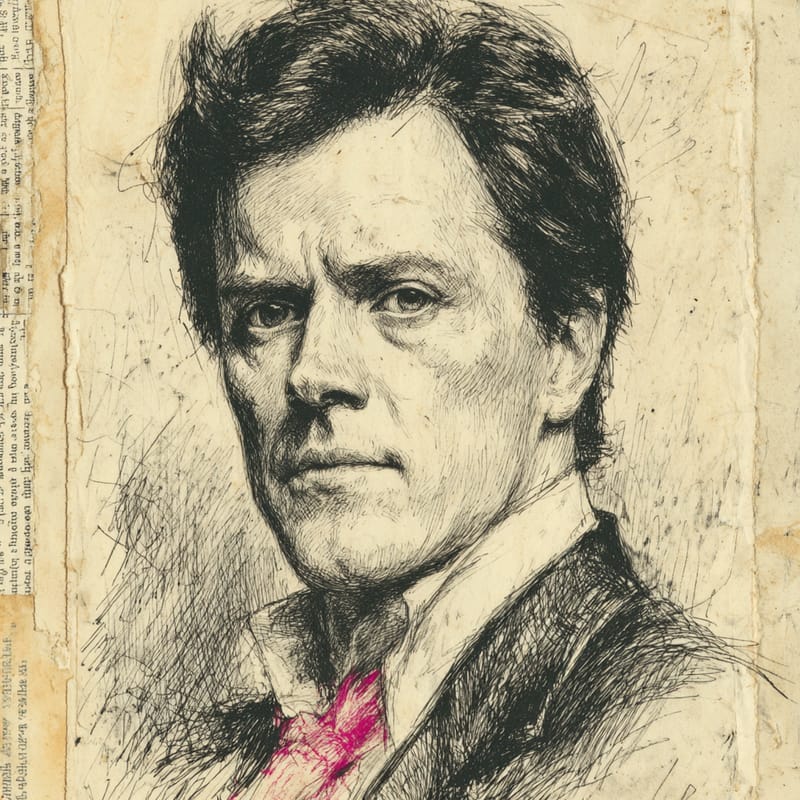
On the 99ideologies three-axis compass, the minds closest to Pierre Mendès France are Gunnar Myrdal (97% alike), Léon Bourgeois (96% alike) and John Kenneth Galbraith (95% alike). The furthest is Adam Sutler (22% alike).