
Mustafa Kemal Atatürk
Étatism
State-built capitalism, secular nation.
Heterodox State CapitalistOne of 729 ideologies · enter the State Capitalist hall →- Role
- President
- Era
- 1881–1938
- Region
- Turkey
- Social band
- Heterodox
- Placement
- +22 · +66 · +28
§ Where Mustafa Kemal Atatürk stands
3 axesAtatürk's economics were capitalist in aim but increasingly state-led in method. The 1923 Izmir Economic Congress backed private enterprise, but after the Depression his party adopted étatism, and the First Five-Year Industrial Plan of 1934 built state textile and paper works through Sümerbank, founded in 1933. Private property and markets survived; the state stepped in where private capital was too weak.
He governed as a single-party moderniser. The 1925 Law on the Maintenance of Order, passed during the Sheikh Said revolt, let him close opposition newspapers and the Progressive Republican Party, and Independence Tribunals sent rebels and alleged conspirators to the gallows, including former Unionist leaders after the 1926 Izmir assassination plot. A second opposition party, permitted in 1930, was dissolved within months.
Socially Atatürk drove a radical secular programme from above: the caliphate was abolished in 1924, the 1925 Hat Law banned the fez, the 1926 Civil Code ended polygamy and made civil marriage compulsory, and Turkish women won the national vote in 1934, a decade before women in France. His assertive Turkish nationalism, which left little room for Kurdish identity, tempered that progressivism.
How close are you to Mustafa Kemal Atatürk?
Three statements, one per axis. Answer them and we’ll drop you on the compass next to them.
§ The story
HistoricalMustafa Kemal Atatürk (1881–1938) was the founder of the Republic of Turkey and its first president, from 1923 until his death. Born in Ottoman Salonica, he rose as an army officer and made his name defending Gallipoli in 1915. After the Ottoman defeat he organised national resistance from Anatolia in 1919, led the War of Independence that drove the Greek army out of Anatolia and overturned the 1920 Treaty of Sèvres, and won international recognition of the new state at Lausanne in 1923.
In fifteen years Atatürk abolished the sultanate and the caliphate, replaced Islamic law with codes adapted from Swiss and Italian models, switched Turkish from Arabic to Latin script and gave women the vote. Kemalism, summed up in the six arrows of his Republican People's Party, still frames Turkish politics. It was imposed by a single party: opposition parties were closed, the 1925 Sheikh Said rebellion was crushed under emergency law, and the 1937–38 Dersim campaign killed thousands of Kurdish Alevis. In 1934 the Assembly gave him the surname Atatürk, Father of the Turks.
Notable for
- 01Founded the Republic of Turkey
- 02Étatist industrialisation
- 03Secular modernisation
Key works & moments
- 1915Commands Ottoman troops holding the Gallipoli peninsula against the Allied landings.
- 1919Lands at Samsun on 19 May and launches the Anatolian national movement.
- 1923The Treaty of Lausanne recognises Turkey; the republic is proclaimed on 29 October with him as president.
- 1924Abolishes the Ottoman caliphate and closes the sharia courts.
- 1928Introduces the Latin-based Turkish alphabet; Islam is removed from the constitution as state religion.
- 1934Women gain the vote in national elections; the Assembly grants him the surname Atatürk.
In their own words
“How happy is the one who says, I am a Turk.”
§ Minds closest to Mustafa Kemal Atatürk
All minds →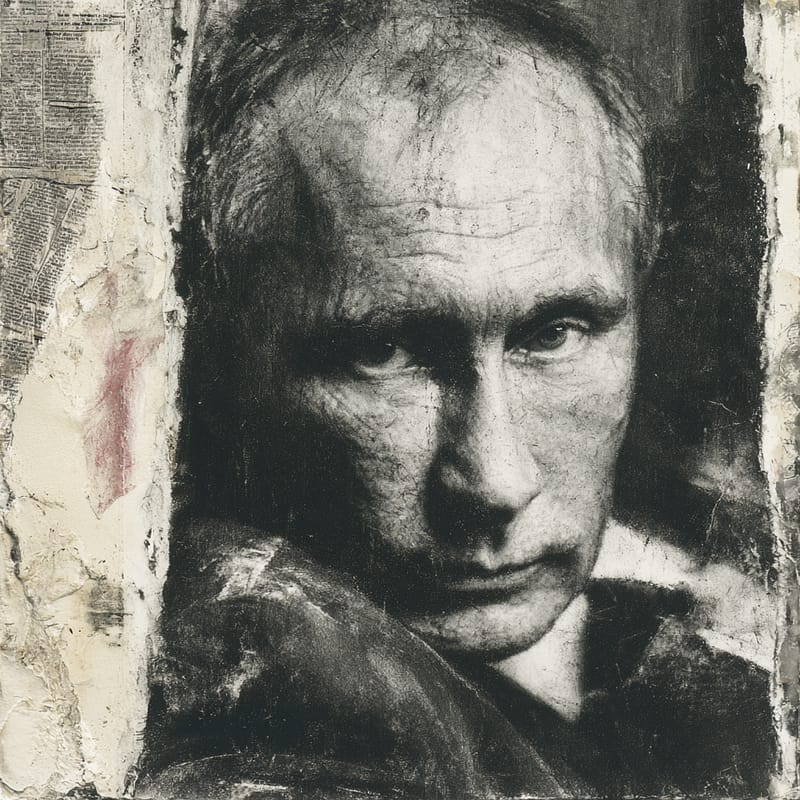




§ Also in the State Capitalist hall
Enter the hall →§ Common questions
4 answersWhat was Mustafa Kemal Atatürk's political ideology?
Atatürk's ideology was Kemalism, a secular nationalist programme of state-led modernisation: on the 99ideologies three-axis compass, a Heterodox State Capitalist. Economically he sat moderately on the market side (+22), keeping private property while building state industry under étatism. On governance he was strongly authoritarian (+66), ruling through a single party, and socially he was moderately progressive (+28), pairing radical secularism and women's rights with a demanding Turkish nationalism.
Was Atatürk left-wing or right-wing?
Neither label fits neatly, though his programme leaned right of centre economically and left of centre socially. He accepted private property and capitalism, then expanded state ownership after 1931 without nationalising the economy, which separates him from socialists. His secularism, legal equality for women and assault on clerical authority were revolutionary for the 1920s, while his nationalism and single-party rule are features usually associated with the right. Turkish politics still argues over his legacy from both directions.
What are the six arrows of Kemalism?
They are the six principles of Atatürk's Republican People's Party: republicanism, nationalism, populism, étatism, secularism and reformism, sometimes translated as revolutionism. Adopted in the party programme of 1931 and written into the constitution in 1937, they define the state as a republic rather than a dynasty, the nation as Turkish, society as a solidarity of the people rather than of warring classes, the economy as state-guided, religion as separate from government and change as continuous. The arrows remain the party's emblem.
Which minds are closest to Mustafa Kemal Atatürk?
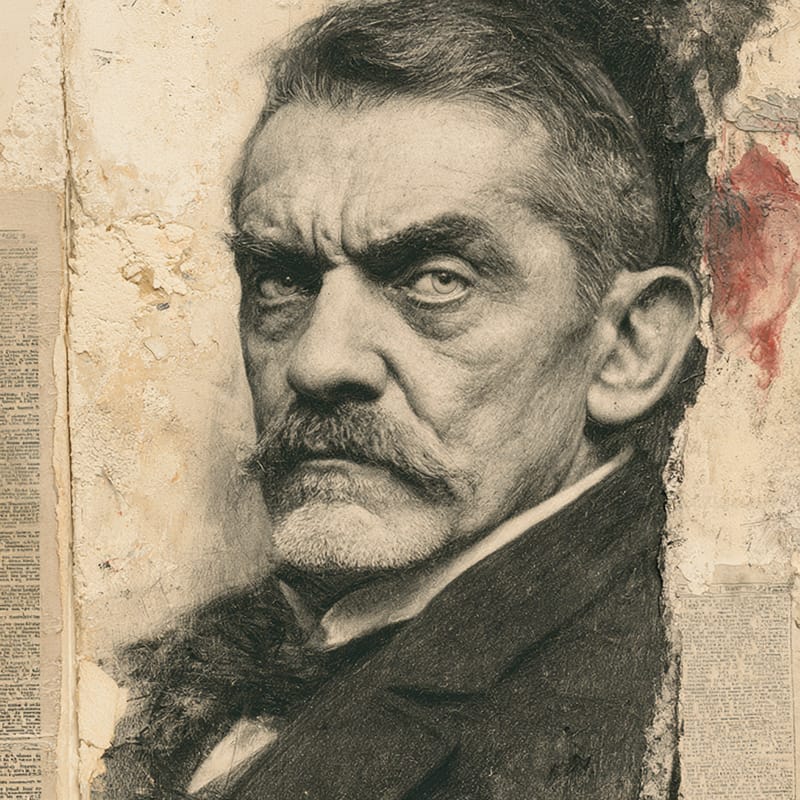
On the 99ideologies three-axis compass, the minds closest to Mustafa Kemal Atatürk are Vladimir Putin (88% alike), Xi Jinping (88% alike) and Max Weber (85% alike). The furthest is Emma Goldman (18% alike).