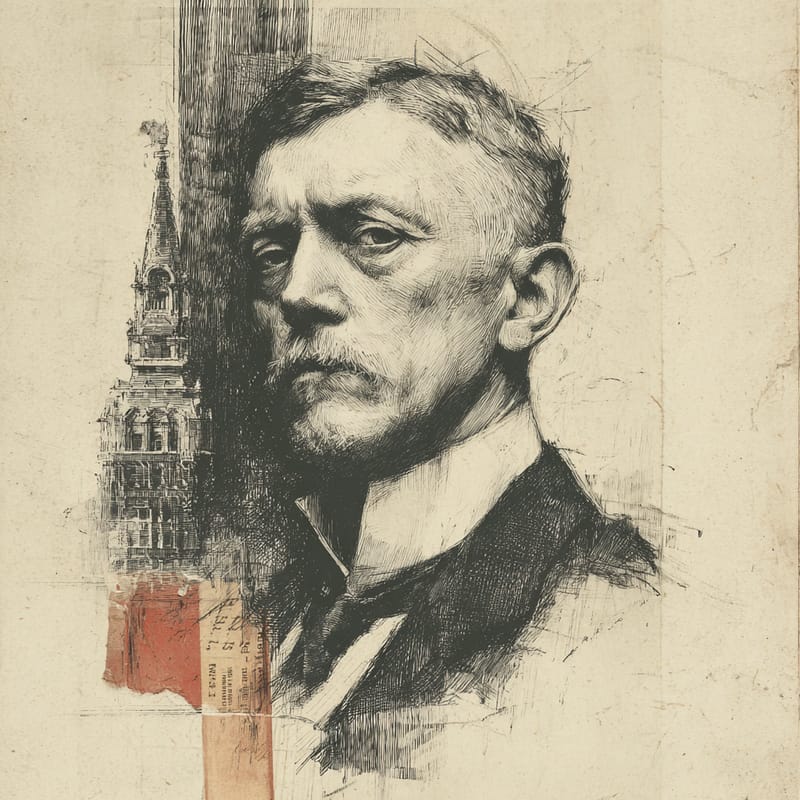
The Party-Corporation (archetype)
The market serves the state
Profit under command.
Rooted State CapitalistOne of 729 ideologies · enter the State Capitalist hall →- Role
- State-directed market
- From
- Archetype
- Region
- —
- Social band
- Rooted
- Placement
- +28 · +72 · −34
§ Where The Party-Corporation (archetype) stands
3 axesThe Party-Corporation keeps markets, private ownership and profit, which places it on the market side of centre, but the state holds the strategic sectors and the credit. China's 1978 reforms decollectivised farming and opened special economic zones such as Shenzhen in 1980, yet state-owned banks still steer lending and state groups dominate energy, telecoms and finance. Markets operate within limits the state sets.
Political power is never up for competition. The ruling party controls the courts, the media and the security services, and business success depends on staying inside its lines. China's 1989 crackdown at Tiananmen Square showed that economic opening would not bring political opening, and Russia's jailing of the oil magnate Mikhail Khodorkovsky in 2003 showed what awaits tycoons who challenge the state.
The archetype prizes order, stability and national cohesion over individual expression. Its rulers justify their monopoly by appeal to national revival and social harmony, as in the Chinese Communist Party's campaign for a harmonious society under Hu Jintao in the mid-2000s or Singapore's 1991 Shared Values white paper, which put nation before community and society above self.
How close are you to The Party-Corporation (archetype)?
Three statements, one per axis. Answer them and we’ll drop you on the compass next to them.
§ The story
ArchetypeThe Party-Corporation is the archetype of state capitalism under political monopoly: a ruling party or regime that lets private firms, stock markets and profit drive growth while keeping the commanding heights, the banks and the final word for itself. Its clearest real cases are China after Deng Xiaoping's reforms of 1978, Vietnam after the Đổi Mới programme of 1986, and Singapore, where the People's Action Party has governed since 1959 and the state investor Temasek, founded in 1974, holds stakes across the economy.
The model recurs because it promises rulers what neither pure socialism nor liberal capitalism offers: rapid growth without surrendering power. National champions such as China's state banks or Russia's Gazprom serve both profit and policy. The archetype exposes the bargain at its core, in which citizens trade political voice for rising incomes, and the question it leaves open is whether markets stay dynamic when the state can override any company at will.
Notable for
- 01Directed markets
- 02Political monopoly
- 03National champions
Key works & moments
- 1959The People's Action Party wins Singapore's first fully elected government, beginning its unbroken rule.
- 1974Singapore creates Temasek Holdings to own and manage the state's company stakes.
- 1978Deng Xiaoping launches China's reform and opening while keeping the party's monopoly on power.
- 1986Vietnam's Communist Party adopts Đổi Mới, opening the economy to markets.
- 1989The Tiananmen Square crackdown confirms that China's economic opening will not bring political pluralism.
§ Minds closest to The Party-Corporation (archetype)
All minds →

§ Also in the State Capitalist hall
Enter the hall →§ Common questions
4 answersWhat is the Party-Corporation's political ideology?
The Party-Corporation stands for state capitalism under a political monopoly: on the 99ideologies three-axis compass, a Rooted State Capitalist. Economically it sits moderately on the market side (+28), because private firms, prices and profit do most of the work. On governance it is strongly authoritarian (+72), with one party or ruling circle controlling courts, media and security, and socially it is mildly traditional (−34), justifying its rule through order, harmony and national revival.
Is the Party-Corporation left-wing or right-wing?
It defies the usual split. Its rulers may call themselves communists, as in China and Vietnam, yet the system runs on private enterprise, stock markets and billionaires, which places its economics well to the right of the socialist left. Its politics are authoritarian and its social outlook stresses order and nation, features usually linked with the right. The model is best understood through its governance: whoever holds the state disciplines the market.
Is China a state capitalist country?
Many economists describe it that way, though Beijing calls its system socialism with Chinese characteristics. Since the reforms Deng Xiaoping began in 1978, private firms have come to produce much of China's output and employment, while the state keeps the largest banks, energy, telecoms and other strategic sectors and the Communist Party retains final authority over every company. That mix of markets, state ownership and one-party rule is the textbook case of state capitalism.
Which minds are closest to The Party-Corporation (archetype)?
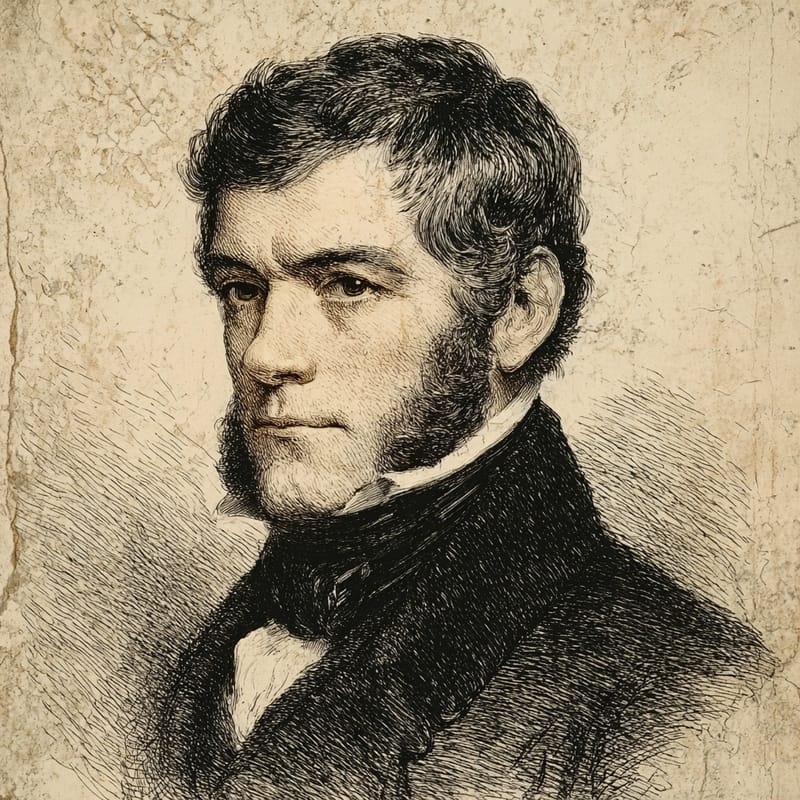
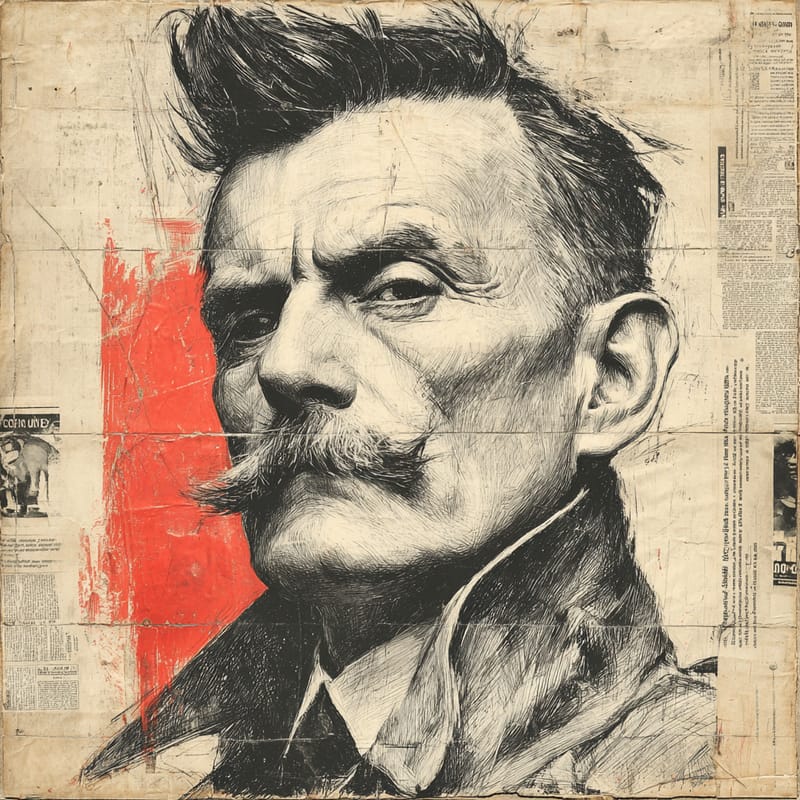
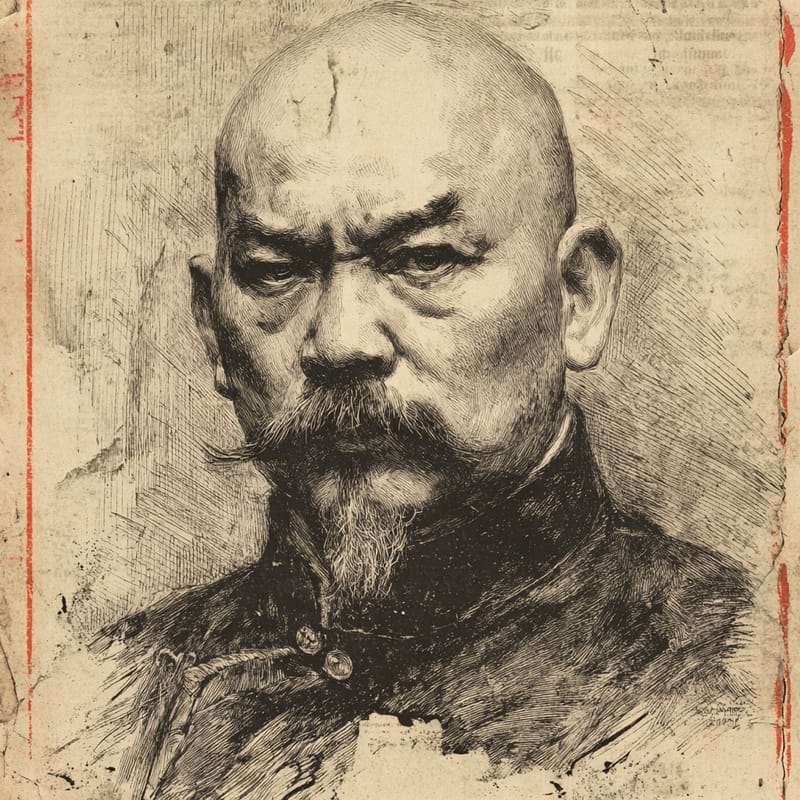
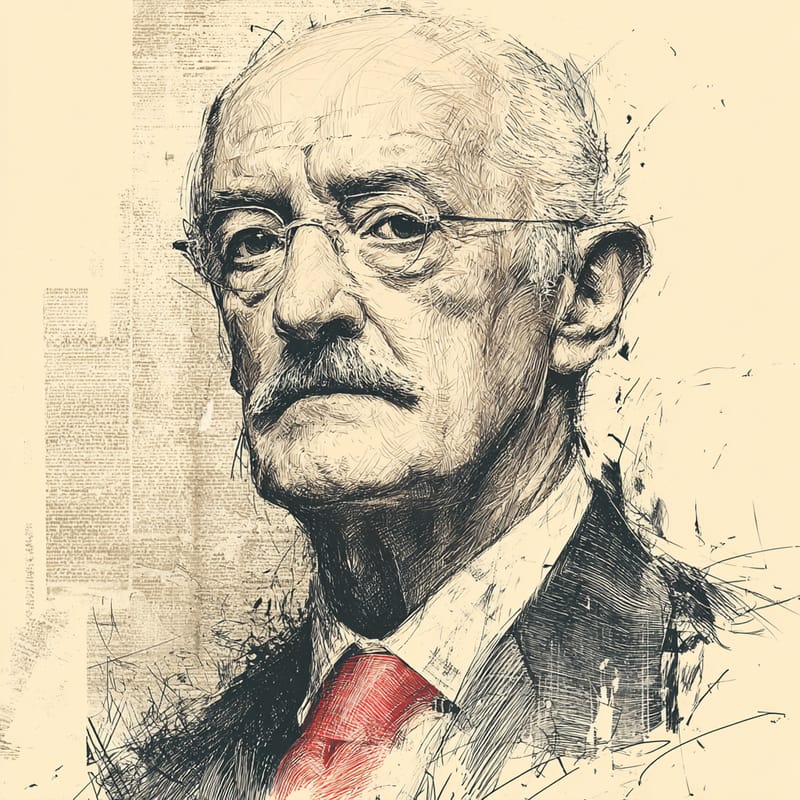
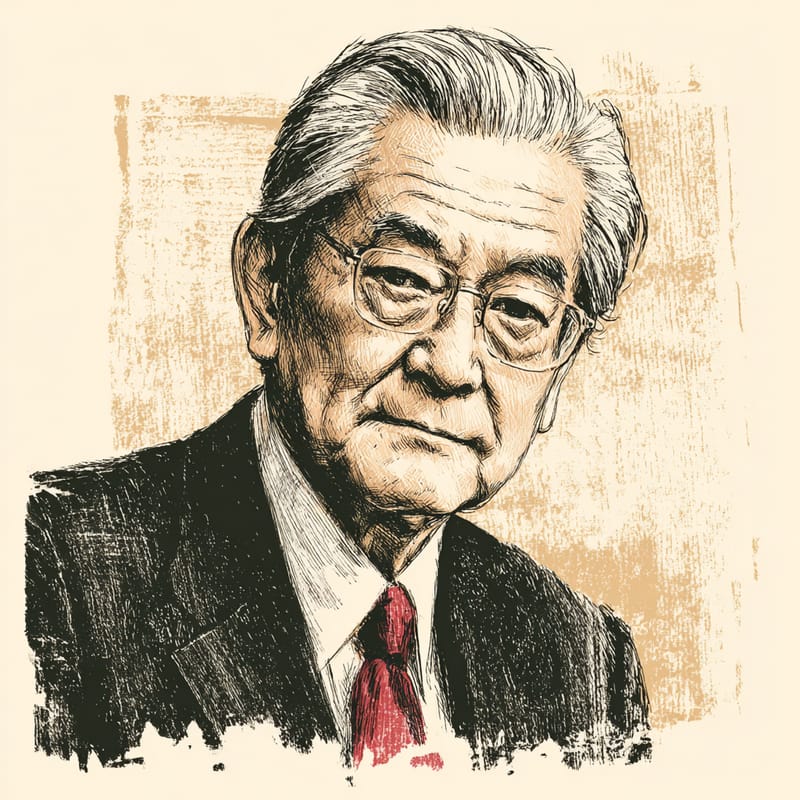
On the 99ideologies three-axis compass, the minds closest to The Party-Corporation (archetype) are Reza Shah Pahlavi (98% alike), Friedrich List (96% alike) and Józef Piłsudski (94% alike). The furthest is Emma Goldman (5% alike).