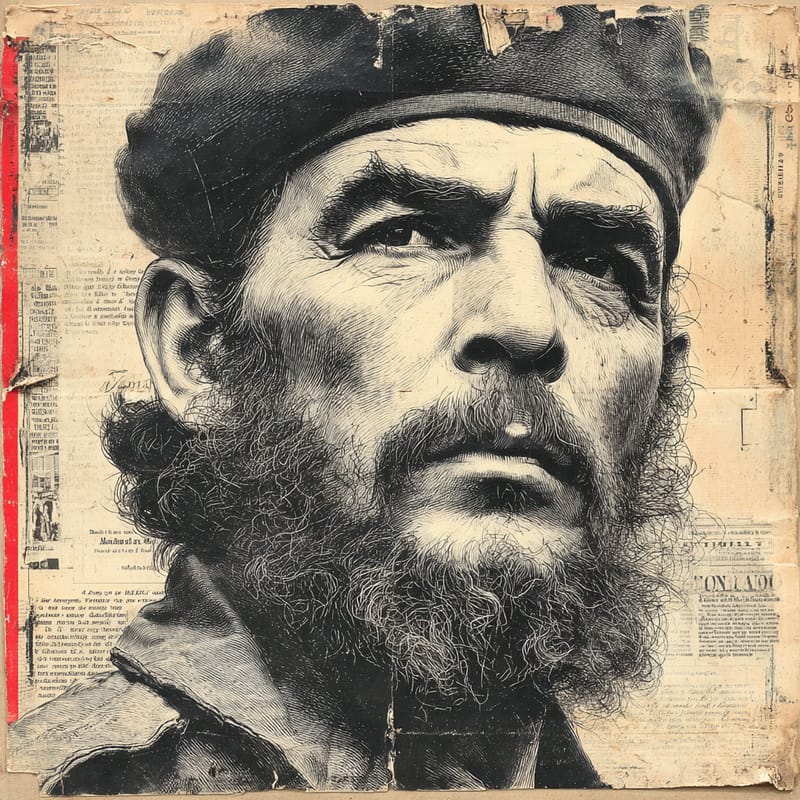
Fidel Castro
Revolution ninety miles away
A communist state on America's doorstep.
Heterodox Leninist-MarxistOne of 729 ideologies · enter the Leninist-Marxist hall →- Role
- Revolutionary & head of state
- Era
- 1926–2016
- Region
- Cuba
- Social band
- Heterodox
- Placement
- −95 · +75 · +30
§ Where Fidel Castro stands
3 axesCastro built a state-owned command economy. The Agrarian Reform Law of May 1959 broke up large estates, US-owned companies were nationalised in 1960, and the 1968 Revolutionary Offensive seized even small private shops and workshops. Only in the crisis that followed the Soviet collapse did his government permit limited self-employment, the dollar and foreign investment in tourism during the 1990s.
Cuba under Castro was a one-party state. He declared the revolution socialist in April 1961, the Communist Party of Cuba became the only legal party, and the 1976 constitution enshrined its leading role. Independent newspapers were closed, opponents were jailed or driven abroad, and in his 1961 Words to the Intellectuals he made loyalty to the revolution the limit of artistic freedom.
Castro's revolution was modernising in parts: the 1961 literacy campaign sent young volunteers into the countryside, and education and healthcare became free and universal. But it was intolerant of difference, interning gay men and religious believers in the UMAP labour camps of 1965–68, a persecution Castro said he was responsible for in 2010. The state was officially atheist until 1992.
How close are you to Fidel Castro?
Three statements, one per axis. Answer them and we’ll drop you on the compass next to them.
§ The story
HistoricalFidel Alejandro Castro Ruz (1926–2016) led the Cuban Revolution and ruled Cuba for almost half a century. The son of a wealthy landowner, he studied law in Havana, led a failed attack on the Moncada Barracks in 1953 and, after prison and exile in Mexico, returned on the yacht Granma in 1956 to wage guerrilla war. When Fulgencio Batista fled on 1 January 1959 Castro took power, serving as prime minister until 1976 and then as president until 2008.
Castro turned Cuba into the Western Hemisphere's first communist state, allied with the Soviet Union, and survived the Bay of Pigs invasion, the 1962 missile crisis, a long US embargo and repeated CIA assassination plots. Supporters cite universal healthcare, mass literacy and defiance of Washington; critics cite the firing squads, political prisoners, the persecution of gay people in the 1960s and the exodus of hundreds of thousands of Cubans, including some 125,000 in the 1980 Mariel boatlift. Illness led him to hand power to his brother Raúl in 2006.
Notable for
- 01Cuban Revolution, 1959
- 02Universal literacy and healthcare drives
- 03Survived the US embargo for decades
Key works & moments
- 1953Leads the failed attack on the Moncada Barracks and delivers his History Will Absolve Me defence.
- 1956Lands from Mexico aboard the Granma and begins guerrilla war in the Sierra Maestra.
- 1959Takes power after Batista flees on 1 January; signs the Agrarian Reform Law in May.
- 1961Declares the revolution socialist on the eve of the Bay of Pigs invasion, which his forces defeat.
- 1962Soviet nuclear missiles in Cuba trigger the October missile crisis.
- 2008Formally hands the presidency to his brother Raúl after almost five decades in power.
In their own words
“Condemn me. It does not matter. History will absolve me.”
“Within the Revolution, everything; against the Revolution, nothing.”
§ Minds closest to Fidel Castro
All minds →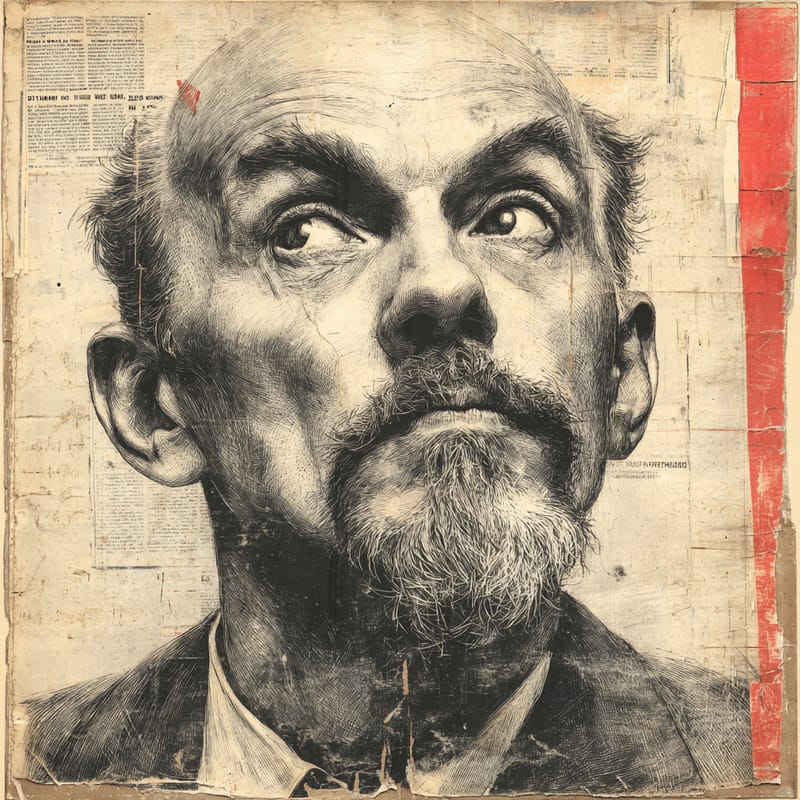

§ Also in the Leninist-Marxist hall
Enter the hall →§ Common questions
4 answersWhat was Fidel Castro's political ideology?
Fidel Castro was a Marxist-Leninist who fused communism with Cuban nationalism and anti-imperialism: on the 99ideologies three-axis compass, a Heterodox Leninist-Marxist. Economically he sat at the far left (−95), nationalising land and industry into a planned economy. On governance he was strongly authoritarian (+75), ruling a one-party state for almost fifty years. Socially he leaned progressive (+30), expanding education and healthcare while persecuting dissidents, believers and gay men.
Was Fidel Castro left-wing or right-wing?
Left-wing. Castro expropriated landowners and foreign companies, built a socialist planned economy and aligned Cuba with the Soviet bloc, while backing anti-colonial and revolutionary movements from Angola to Nicaragua. He came to power as a nationalist rebel against the Batista dictatorship and declared himself a Marxist-Leninist only in December 1961. His one-party rule and repression of dissent separate him from democratic socialists, but his economic programme placed him firmly on the far left.
Was Fidel Castro a dictator?
By most definitions, yes. Castro held power from 1959 to 2008 without competitive multi-party elections, his Communist Party was the only legal party, the press was state-controlled and political opponents were imprisoned or forced into exile, as human rights groups documented throughout his rule. Supporters argue that Cuba's local assemblies offered their own form of participation and that the revolution delivered healthcare and literacy, but Castro concentrated supreme authority in his own hands for almost five decades.
Which minds are closest to Fidel Castro?
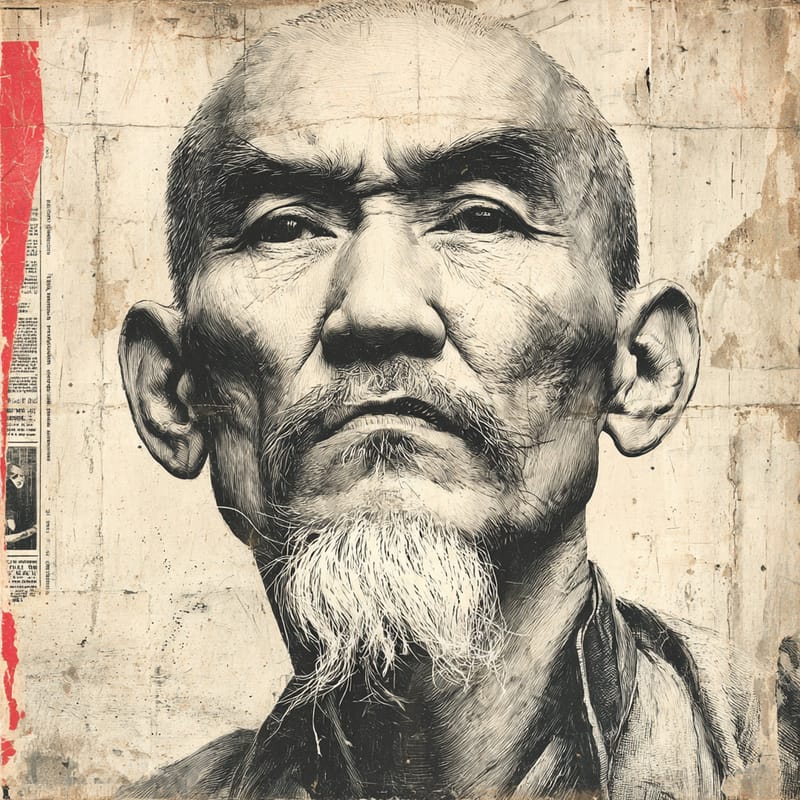
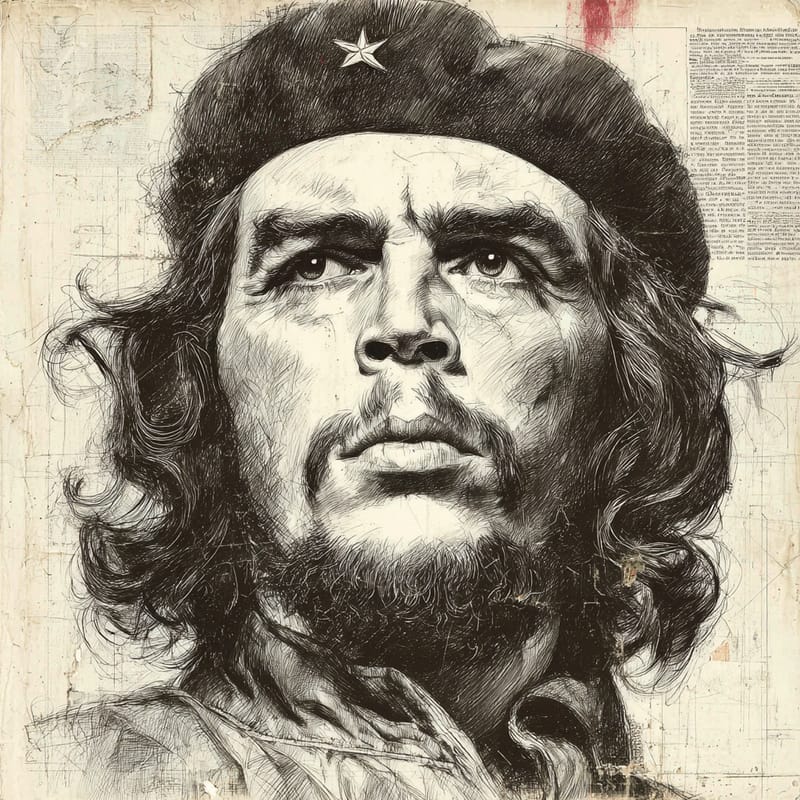
On the 99ideologies three-axis compass, the minds closest to Fidel Castro are Nikolai Bukharin (97% alike), Ho Chi Minh (96% alike) and Che Guevara (94% alike). The furthest is Hans-Hermann Hoppe (0% alike).