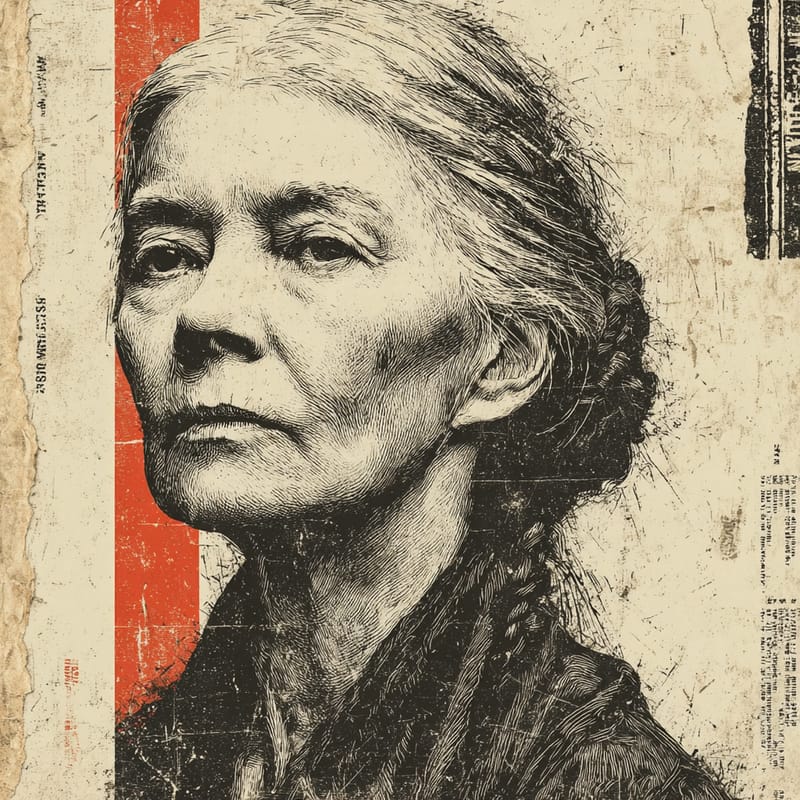
Dorothy Day
The Catholic Worker
Hospitality, land, and the common life.
Rooted DistributistOne of 729 ideologies · enter the Distributist hall →- Role
- Activist & founder
- Era
- 1897–1980
- Region
- United States
- Social band
- Rooted
- Placement
- −32 · +42 · −30
§ Where Dorothy Day stands
3 axesDay rejected industrial capitalism as a system that treated workers as commodities, and the Catholic Worker, founded in 1933, promoted Peter Maurin's programme of houses of hospitality, farming communes and cooperative ownership in place of wage dependence. She backed trade unions and strikes, but drew on Catholic social teaching and distributism rather than state socialism, preferring voluntary poverty and personal responsibility to government welfare.
Day's sense of order came from the Church rather than the state. She professed obedience to Catholic doctrine and the hierarchy, built Catholic Worker communities around shared prayer and discipline, and held that care for the poor was a personal duty rather than a task for bureaucracies. Toward government itself she was wary, calling herself a Christian anarchist and refusing to take part in New York's civil-defence drills from 1955.
Day combined traditional Catholic devotion with radical social commitments. After her 1927 conversion she held to Church teaching on marriage and sexuality and attended Mass daily, yet she opposed every war, defended migrant farmworkers and in 1957 visited Koinonia Farm, an interracial community in Georgia, where her car was fired upon.
How close are you to Dorothy Day?
Three statements, one per axis. Answer them and we’ll drop you on the compass next to them.
§ The story
HistoricalDorothy Day (1897–1980) was an American journalist, social activist and Catholic convert who co-founded the Catholic Worker movement. Born in Brooklyn, she wrote for socialist papers such as The Call and The Masses as a young radical in Greenwich Village, and in 1917 she was jailed after picketing the White House with suffragists. After the birth of her daughter she was received into the Catholic Church in 1927, and in 1933, with the French-born Peter Maurin, she launched The Catholic Worker, a penny newspaper first sold in New York's Union Square.
The movement put Catholic social teaching into practice through houses of hospitality that fed and sheltered the poor and through farming communes inspired by Maurin's back-to-the-land ideas. Day's absolute pacifism, held through the Spanish Civil War and the Second World War, cost the paper many readers, and from 1955 she was repeatedly arrested, and several times jailed, for refusing to take shelter during New York's civil-defence drills. At 75 she was arrested on a United Farm Workers picket line in California. The Catholic Church opened her cause for sainthood in 2000, and Pope Francis praised her before the US Congress in 2015.
Notable for
- 01Co-founded the Catholic Worker
- 02Houses of hospitality
- 03Pacifist social action
Key works & moments
- 1917Jailed after picketing the White House with suffragists; joins a hunger strike in prison.
- 1927Received into the Catholic Church after the birth of her daughter.
- 1933Launches The Catholic Worker with Peter Maurin, selling it for a penny in Union Square.
- 1952Publishes her autobiography, The Long Loneliness.
- 1955First arrested for refusing to take shelter during a New York civil-defence drill.
- 1973Arrested at 75 on a United Farm Workers picket line in California.
In their own words
“We have all known the long loneliness and we have learned that the only solution is love and that love comes with community.”
§ Minds closest to Dorothy Day
All minds →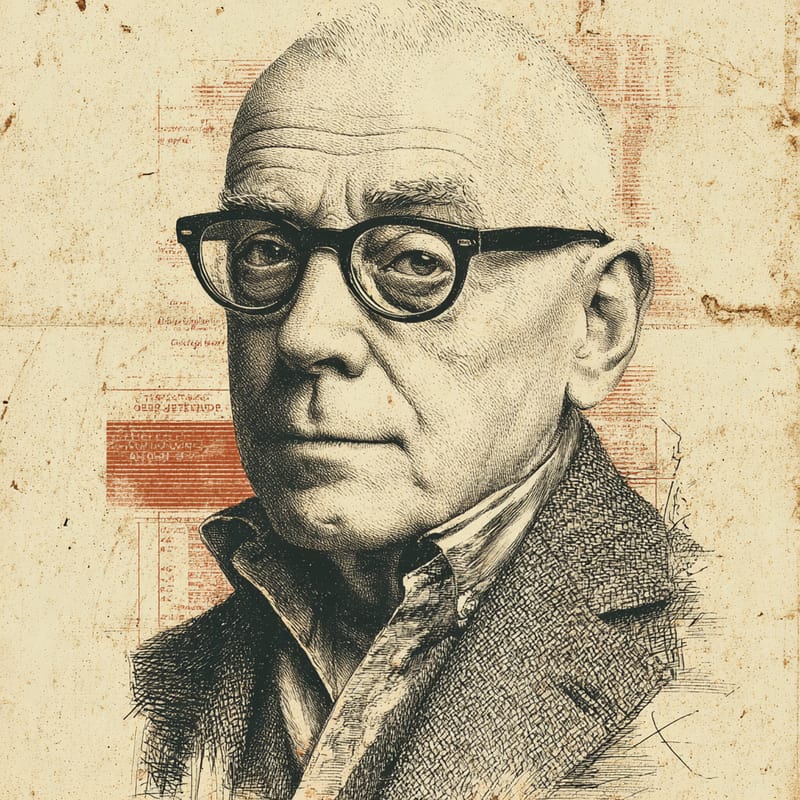

§ Also in the Distributist hall
Enter the hall →§ Common questions
4 answersWhat was Dorothy Day's political ideology?
Dorothy Day was a Catholic radical who joined Christian personalism and distributism to pacifism: on the 99ideologies three-axis compass, a Rooted Distributist. Economically she sat left of centre (−32), condemning industrial capitalism and favouring hospitality, cooperatives and worker ownership. On governance she leaned toward order (+42), rooting community in Church authority and religious discipline rather than in the state, and socially she leaned traditional (−30), devoutly orthodox in faith while radical on poverty, war and race.
Was Dorothy Day left-wing or right-wing?
Mostly left-wing, though she fits neither camp neatly. Her early socialism, support for strikes and unions, pacifism and arrests alongside suffragists and farmworkers place her on the left in American terms, and the FBI kept a file on her. But she was a doctrinally orthodox Catholic who accepted Church teaching on sexuality and family, distrusted the welfare state and preferred voluntary community to government programmes, which is why conservatives as well as progressives claim her legacy.
Was Dorothy Day a communist?
No. As a young journalist in the 1910s Day moved in socialist and communist circles and wrote for radical papers such as The Call and The Masses, but she never joined the Communist Party and broke with Marxist materialism when she became a Catholic in 1927. She founded The Catholic Worker in 1933 partly to offer workers a Christian alternative to the communist Daily Worker, though her pacifism, union activism and refusal to join anti-communist crusades led critics to accuse her of sympathy for the far left.
Which minds are closest to Dorothy Day?
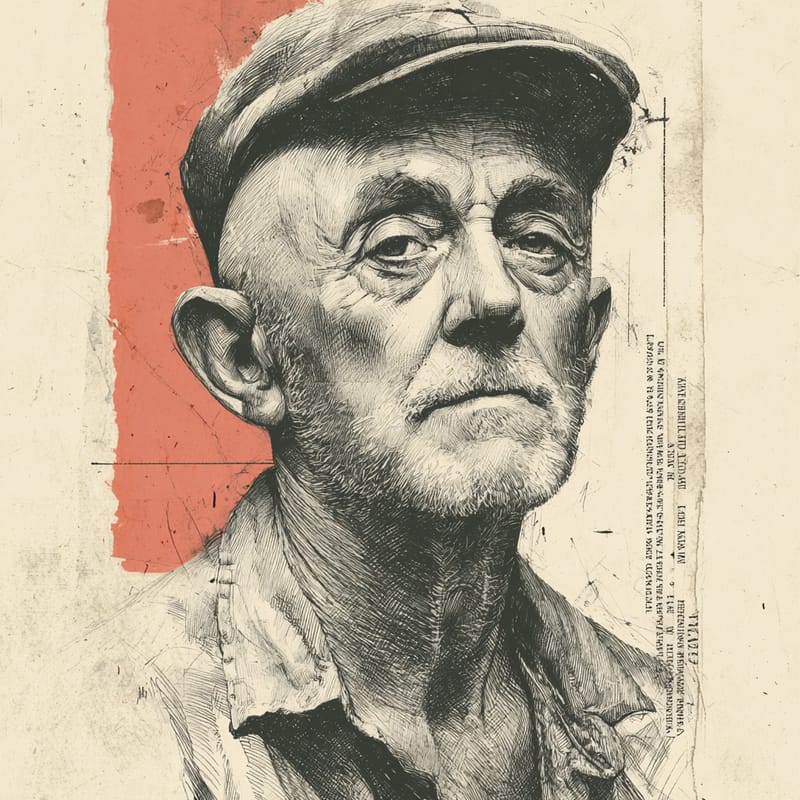
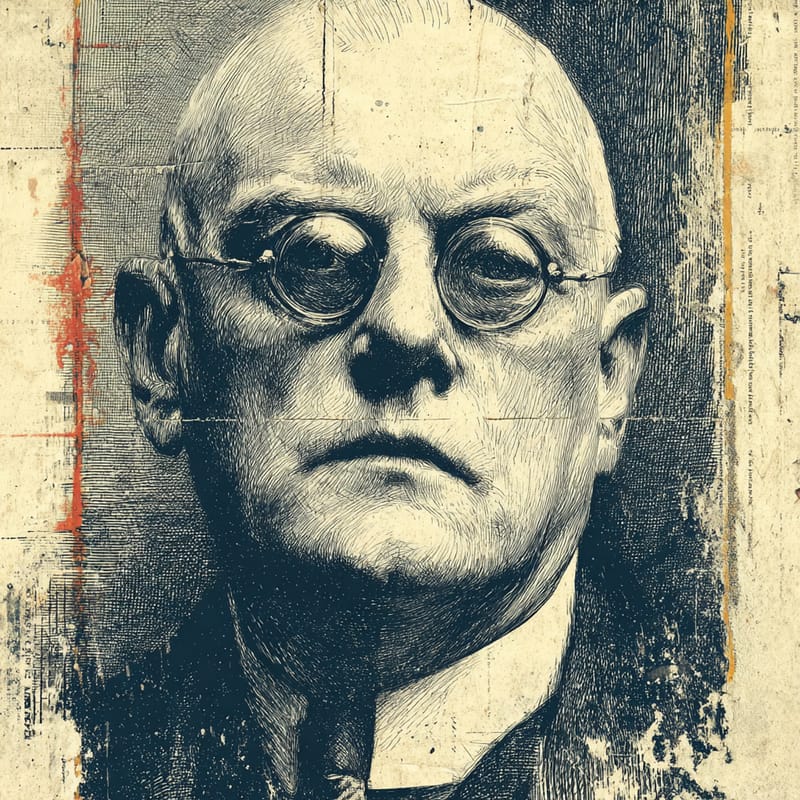
On the 99ideologies three-axis compass, the minds closest to Dorothy Day are E. F. Schumacher (97% alike), Wendell Berry (96% alike) and John Médaille (93% alike). The furthest is Lysander Spooner (23% alike).