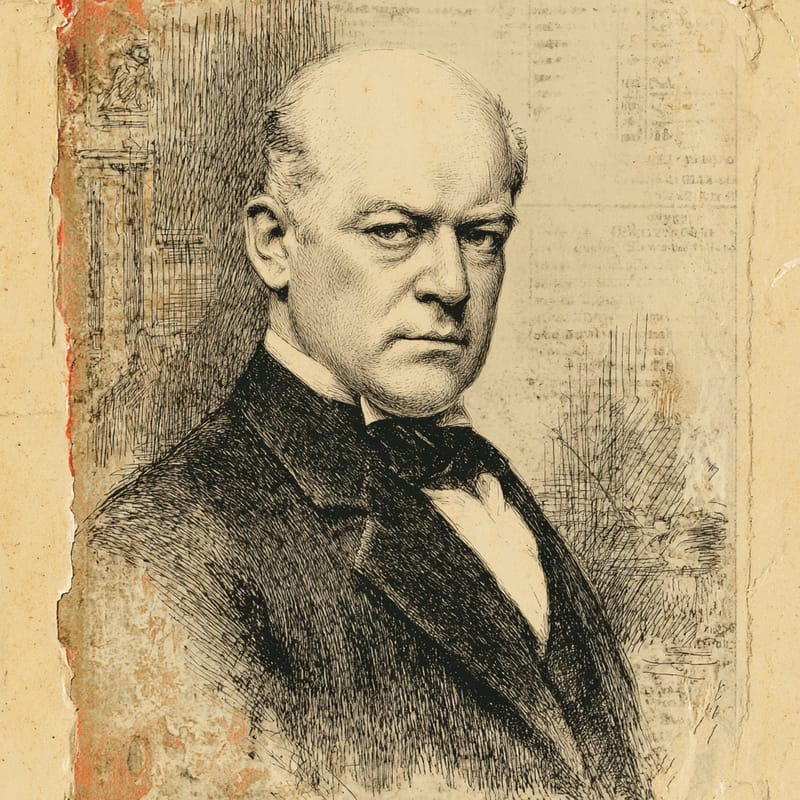
William Jennings Bryan
The Great Commoner
A cross of gold.
Rooted Labour LiberalOne of 729 ideologies · enter the Labour Liberal hall →- Role
- Statesman
- Era
- 1860–1925
- Region
- United States
- Social band
- Rooted
- Placement
- −48 · +4 · −30
§ Where William Jennings Bryan stands
3 axesBryan's Cross of Gold speech of 1896 demanded the free coinage of silver to expand the money supply and relieve indebted farmers, and he backed a graduated income tax, regulation of railways and trusts, and other demands of the Populist movement. He spoke for small producers against bankers and monopolies rather than for public ownership, which places him clearly left of centre but short of socialism.
Bryan was a majoritarian democrat who wanted power taken from party bosses and financiers and handed to voters, supporting the direct election of senators and the initiative and referendum. The same majoritarianism led him to defend a state's right to ban the teaching of evolution in public schools, as Tennessee's Butler Act did in 1925, which edges him slightly toward the authoritarian side.
Bryan was a devout Presbyterian who championed Prohibition and led the 1920s campaign against teaching Darwinian evolution, culminating in his work for the prosecution at the 1925 Scopes trial. He also supported women's suffrage and opposed imperial conquest, but his religious traditionalism defined his social politics and places him clearly on the traditional side.
How close are you to William Jennings Bryan?
Three statements, one per axis. Answer them and we’ll drop you on the compass next to them.
§ The story
HistoricalWilliam Jennings Bryan (1860–1925) was an American orator and politician who won the Democratic presidential nomination three times, in 1896, 1900 and 1908, and lost each election. Born in Salem, Illinois, he practised law in Lincoln, Nebraska, and served two terms in the House of Representatives from 1891. His Cross of Gold speech at the 1896 Democratic convention, attacking the gold standard on behalf of farmers and workers, won him the nomination at the age of 36. He later served as Woodrow Wilson's secretary of state from 1913 to 1915.
Bryan fused agrarian populism with evangelical Protestantism. He crusaded for free silver, a federal income tax, the direct election of senators, women's suffrage and Prohibition, causes largely adopted in the four constitutional amendments of 1913–1920. An anti-imperialist and near-pacifist, he resigned from Wilson's cabinet in 1915 in protest at the president's stern response to the sinking of the Lusitania. His last campaign, against the teaching of evolution, culminated in the 1925 Scopes trial in Dayton, Tennessee, where Clarence Darrow cross-examined him on the Bible; he died five days after the trial ended.
Notable for
- 01'Cross of Gold' speech
- 02Three presidential runs
- 03The Scopes 'Monkey Trial'
Key works & moments
- 1896Delivers the Cross of Gold speech and wins the Democratic presidential nomination at 36.
- 1900Runs again against William McKinley, campaigning against US imperialism in the Philippines.
- 1908Loses his third presidential race, this time to William Howard Taft.
- 1913Becomes Woodrow Wilson's secretary of state and promotes arbitration treaties to prevent war.
- 1915Resigns over Wilson's response to the sinking of the Lusitania.
- 1925Assists the prosecution at the Scopes trial and dies five days after it ends.
In their own words
“You shall not press down upon the brow of labor this crown of thorns, you shall not crucify mankind upon a cross of gold.”
§ Minds closest to William Jennings Bryan
All minds →
§ Also in the Labour Liberal hall
Enter the hall →§ Common questions
4 answersWhat was William Jennings Bryan's political ideology?
William Jennings Bryan was an agrarian populist and evangelical reformer: on the 99ideologies three-axis compass, a Rooted Labour Liberal. Economically he sat left of centre (−48), fighting the gold standard, banks and trusts on behalf of farmers and workers. On governance he leaned slightly authoritarian (+4), trusting majorities to decide even questions of school curriculum, and socially he was clearly traditional (−30), championing Prohibition and opposing the teaching of evolution.
Was William Jennings Bryan left-wing or right-wing?
Both, depending on the axis. On economics Bryan was firmly on the left of his era: he attacked Wall Street, called for an income tax and helped turn the Democratic Party toward reform and away from its pro-business wing. On culture he was a religious conservative who backed Prohibition and fought evolution. That combination of economic populism and social traditionalism makes him a forerunner of later movements that mix the two.
What was William Jennings Bryan's Cross of Gold speech about?
It was an attack on the gold standard. Delivered at the Democratic National Convention in Chicago on 9 July 1896, the speech argued that tying the dollar to gold alone kept money scarce, raised the real burden of debt and enriched eastern creditors at the expense of farmers and workers. Bryan demanded the free coinage of silver to expand the money supply, and the closing image of mankind crucified upon a cross of gold won him the presidential nomination.
Which minds are closest to William Jennings Bryan?
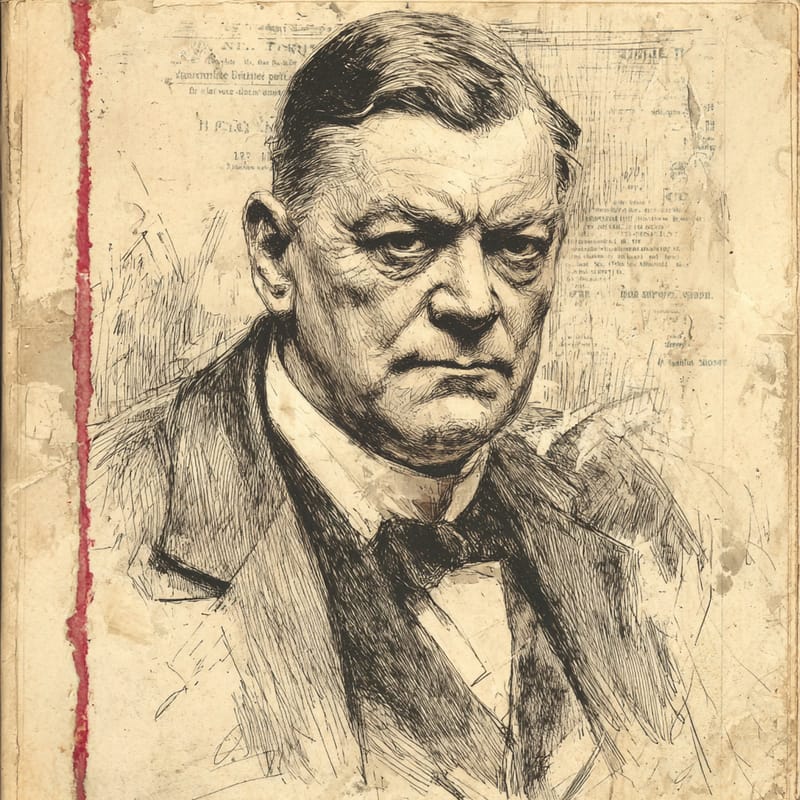
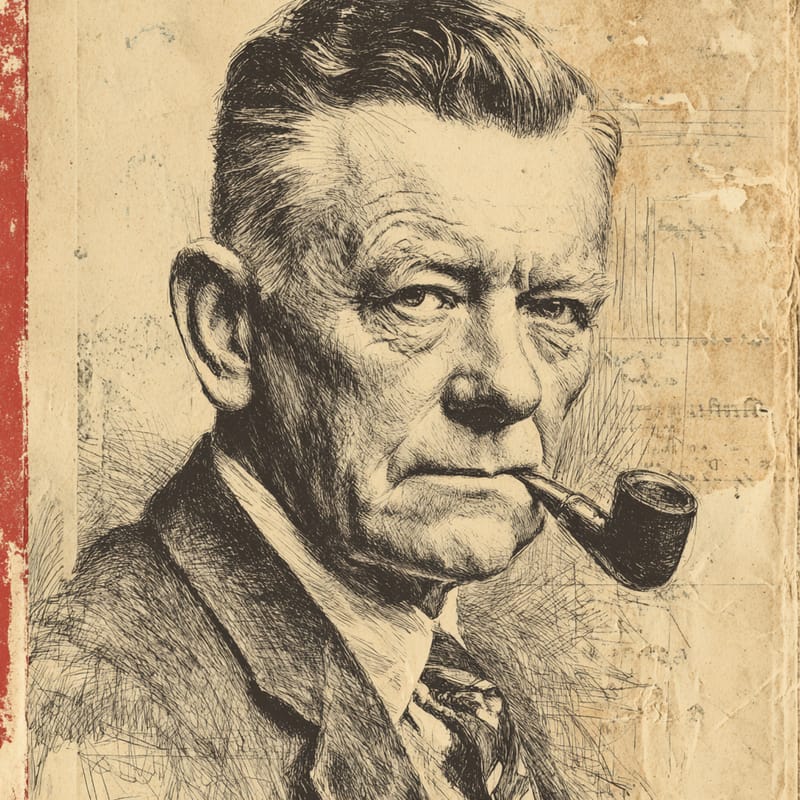
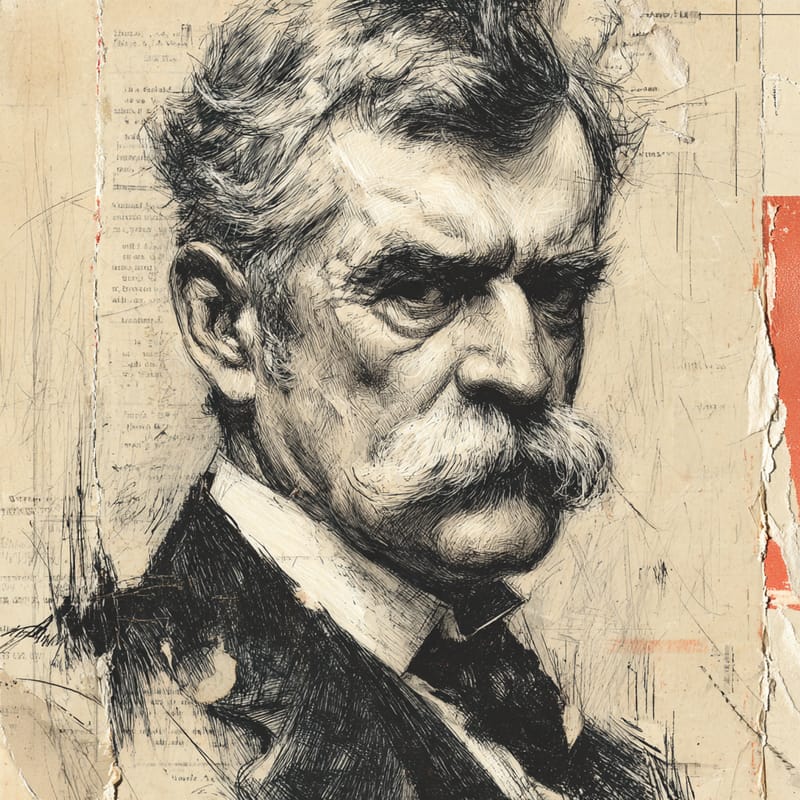
On the 99ideologies three-axis compass, the minds closest to William Jennings Bryan are Golda Meir (92% alike), Ernest Bevin (89% alike) and Ben Chifley (88% alike). The furthest is Lysander Spooner (28% alike).