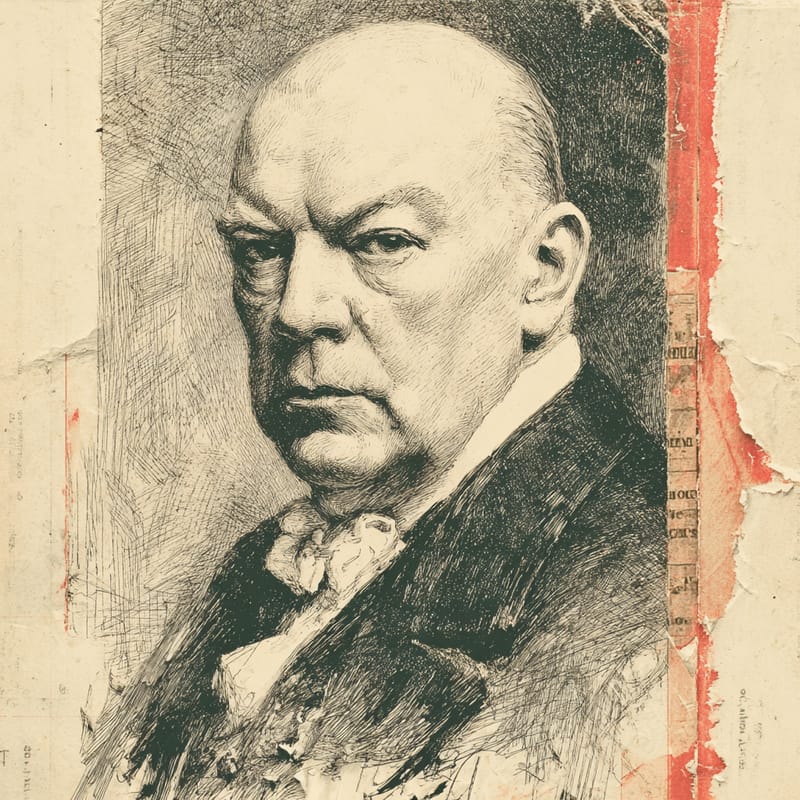
W. L. Mackenzie King
Labour and capital, reconciled
Canada's cautious welfare-builder.
Labour LiberalOne of 729 ideologies · enter the Labour Liberal hall →- Role
- Prime Minister
- Era
- 1874–1950
- Region
- Canada
- Social band
- Centre (no modifier)
- Placement
- −40 · +2 · 0
§ Where W. L. Mackenzie King stands
3 axesKing built Canada's welfare state slowly, from the centre-left of a market economy. The Old Age Pensions Act 1927, passed with the support of Labour MPs, began federal pensions; a 1940 constitutional amendment cleared the way for the Unemployment Insurance Act that year, and the Family Allowances Act 1944 sent monthly payments to mothers. He never contemplated socialism, but his reforms clearly leaned left.
A consummate parliamentary manager, King prized national unity and compromise above bold leadership. In the 1926 King–Byng affair he defended the authority of elected Canadian ministers against the Governor General, but his wartime government also used the War Measures Act extensively, including to intern Japanese Canadians from 1942, which leaves him near the centre on this axis.
King was devoutly religious and conventional in public morality, and his governments upheld restrictive immigration, from the Chinese Immigration Act 1923 to the closed door facing Jewish refugees. At the same time his industrial-relations philosophy in Industry and Humanity (1918) stressed human welfare and conciliation over class conflict, which balances his record at the centre of the social axis.
How close are you to W. L. Mackenzie King?
Three statements, one per axis. Answer them and we’ll drop you on the compass next to them.
§ The story
HistoricalWilliam Lyon Mackenzie King (1874–1950) was Canada's longest-serving prime minister, holding office for more than 21 years in three periods between 1921 and 1948. A grandson of the 1837 rebel William Lyon Mackenzie, he studied at Toronto, Chicago and Harvard, where he earned a doctorate, and became Canada's first deputy minister of labour in 1900, drafting the Industrial Disputes Investigation Act 1907. After serving as minister of labour, he advised the Rockefeller family on industrial relations, published Industry and Humanity in 1918 and won the Liberal leadership in 1919.
King's caution and gift for compromise held together a country divided between English and French speakers. His governments introduced old-age pensions in 1927, unemployment insurance in 1940 and family allowances in 1944, and he steered Canada through the Second World War, delaying overseas conscription until a crisis in 1944 forced it. His record also includes the Chinese Immigration Act 1923, the refusal to admit more than a few Jewish refugees in the 1930s and 1940s, a 1937 meeting with Hitler that he recorded admiringly in his diary, and the wartime internment of Japanese Canadians.
Notable for
- 01Old-age pensions & unemployment insurance
- 02'Industry and Humanity'
- 03Longest-serving Canadian PM
Key works & moments
- 1907Drafts the Industrial Disputes Investigation Act, requiring conciliation before strikes in key industries.
- 1918Publishes Industry and Humanity, his blueprint for cooperation between labour and capital.
- 1921Becomes prime minister for the first time after leading the Liberals to victory.
- 1926Clashes with Governor General Byng in the King–Byng affair, then wins the ensuing election.
- 1927Introduces federal old-age pensions with the support of Labour MPs.
- 1944Passes family allowances and, after long delay, sends conscripts overseas during the conscription crisis.
In their own words
“Not necessarily conscription, but conscription if necessary.”
§ Minds closest to W. L. Mackenzie King
All minds →

§ Also in the Labour Liberal hall
Enter the hall →§ Common questions
4 answersWhat was Mackenzie King's political ideology?
W. L. Mackenzie King was a cautious reform liberal: on the 99ideologies three-axis compass, a Labour Liberal. Economically he sat left of centre (−40), introducing pensions, unemployment insurance and family allowances within a market economy. On governance he was near the centre (+2), a parliamentary manager who also used sweeping wartime powers, and socially he was at the centre (0), conventional in public morality and restrictive on immigration while stressing human welfare in industrial relations.
Was Mackenzie King left-wing or right-wing?
Centre-left. King made the Liberals Canada's natural governing party by occupying the middle ground, borrowing reforms from labour and farm movements once they gained support, as with old-age pensions in 1927, while reassuring business that he would not threaten private enterprise. His instinct was to avoid division rather than pursue an ideological programme, which is why historians describe him as a master of brokerage politics rather than a man of the left or right.
Why is Mackenzie King's record on refugees and internment controversial?
Because his government took some of the most restrictive decisions in Canadian history. In the 1930s and 1940s Canada admitted very few Jewish refugees fleeing Nazi persecution, and in 1939 it refused entry to the passengers of the MS St. Louis. After Pearl Harbor his government removed some 22,000 Japanese Canadians from the British Columbia coast, interned many and sold their property. King's diaries, which record his admiration for Hitler after their 1937 meeting, have deepened the criticism.
Which minds are closest to W. L. Mackenzie King?
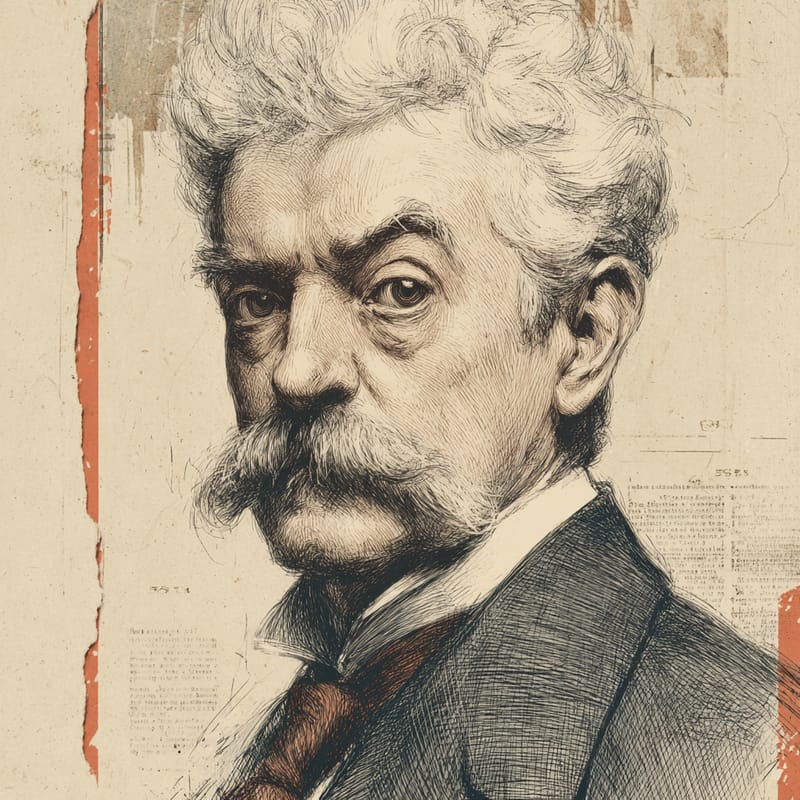
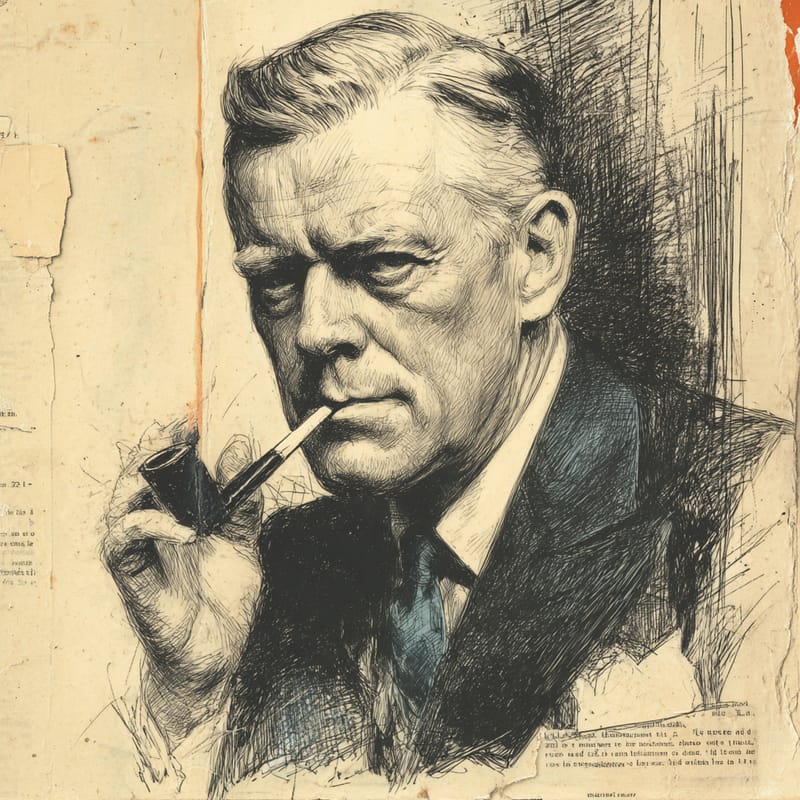
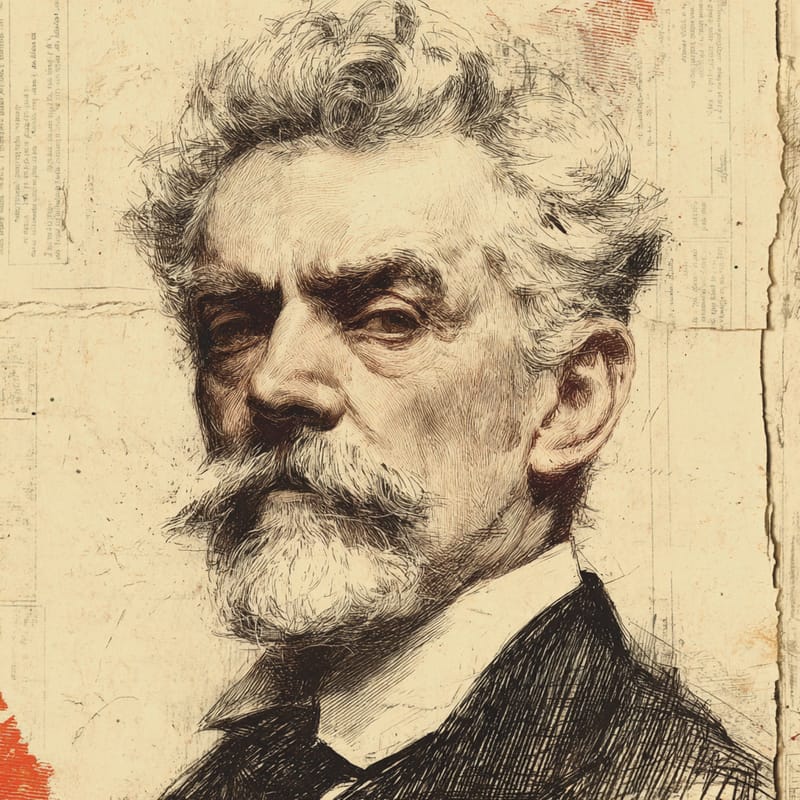
On the 99ideologies three-axis compass, the minds closest to W. L. Mackenzie King are Andrew Fisher (97% alike), John Curtin (97% alike) and Ben Chifley (96% alike). The furthest is Adam Sutler (27% alike).