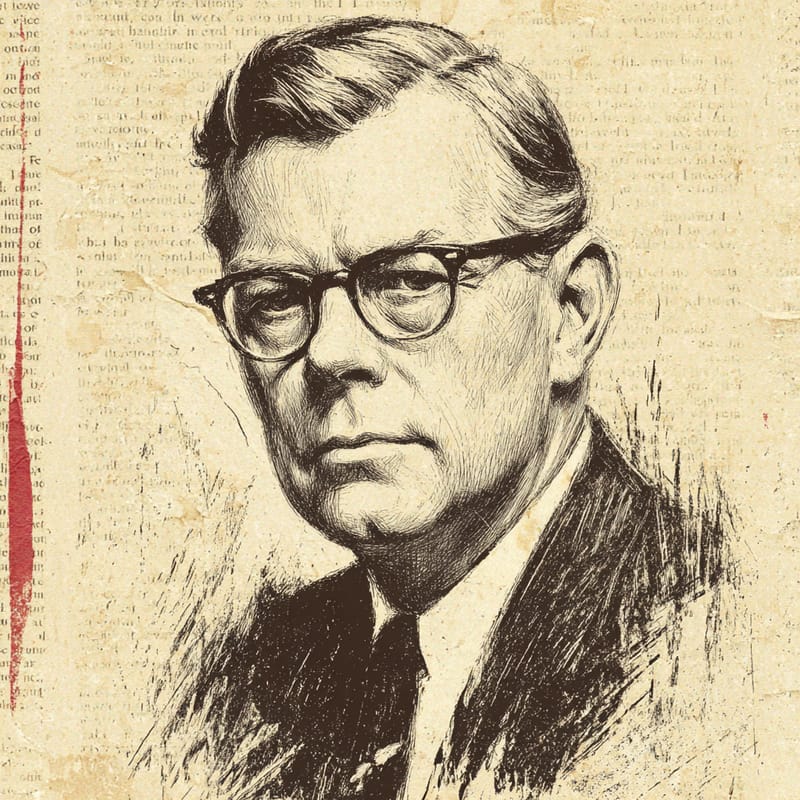
William E. Simon
A time for truth
Sound money and free markets.
Rooted Fiscal ConservativeOne of 729 ideologies · enter the Fiscal Conservative hall →- Role
- Treasury Secretary
- Era
- 1927–2000
- Region
- United States
- Social band
- Rooted
- Placement
- +78 · +6 · −34
§ Where William E. Simon stands
3 axesSimon's A Time for Truth (1978) blamed deficits, regulation and inflation on an expanding welfare state and called for deep cuts in federal spending and taxes. At the Treasury he resisted the 1975 New York City bailout and opposed wage and price controls, though as energy czar in 1973–74 he administered a federal fuel-allocation programme, a rare interventionist episode in a firmly free-market career.
Simon was an establishment insider who served two presidents and believed in strong, honest institutions of public finance, treating budget discipline as the guardian of a stable dollar. As president of the John M. Olin Foundation he sought to change policy through universities and think tanks rather than the state, funding law-and-economics programmes at leading law schools, which leaves him close to the governance centre.
A devout Catholic, Simon was a moralist about debt, dependency and personal responsibility, warning in A Time for Truth that the welfare state eroded self-reliance and freedom. Through his family foundation and gifts to Catholic education and scholarships for poor children, he championed a traditional ethic of private charity over state provision.
How close are you to William E. Simon?
Three statements, one per axis. Answer them and we’ll drop you on the compass next to them.
§ The story
HistoricalWilliam Edward Simon (1927–2000) was an American bond trader and public official who served as Secretary of the Treasury from 1974 to 1977 under Richard Nixon and Gerald Ford. Born in Paterson, New Jersey, he studied at Lafayette College and rose on Wall Street to run government and municipal bond trading at Salomon Brothers. Appointed deputy Treasury secretary in 1973, he also became the first head of the Federal Energy Office during the Arab oil embargo, earning the title energy czar for his management of fuel allocation.
At the Treasury Simon argued for spending restraint and opposed a federal bailout of New York City during its 1975 fiscal crisis; the seasonal loans eventually approved came with strict conditions. His 1978 book A Time for Truth, with a foreword by Milton Friedman, became a best-selling manifesto against big government and urged business to fund free-market ideas. He put that advice into practice as president of the John M. Olin Foundation, which financed conservative scholarship, and made a fortune from the 1982 leveraged buyout of Gibson Greetings, an early landmark of the buyout era.
Notable for
- 01U.S. Treasury Secretary
- 02'A Time for Truth'
- 03Free-market philanthropy
Key works & moments
- 1973–74As first head of the Federal Energy Office, manages fuel allocation during the Arab oil embargo.
- 1974Becomes Secretary of the Treasury under Richard Nixon, staying on under Gerald Ford.
- 1975Opposes a federal bailout of New York City during its fiscal crisis.
- 1977–2000Presides over the John M. Olin Foundation, funding conservative scholarship.
- 1978Publishes A Time for Truth, a best-selling attack on big government and deficits.
- 1982His firm Wesray leads the leveraged buyout of Gibson Greetings, reaping a famous windfall.
§ Minds closest to William E. Simon
All minds →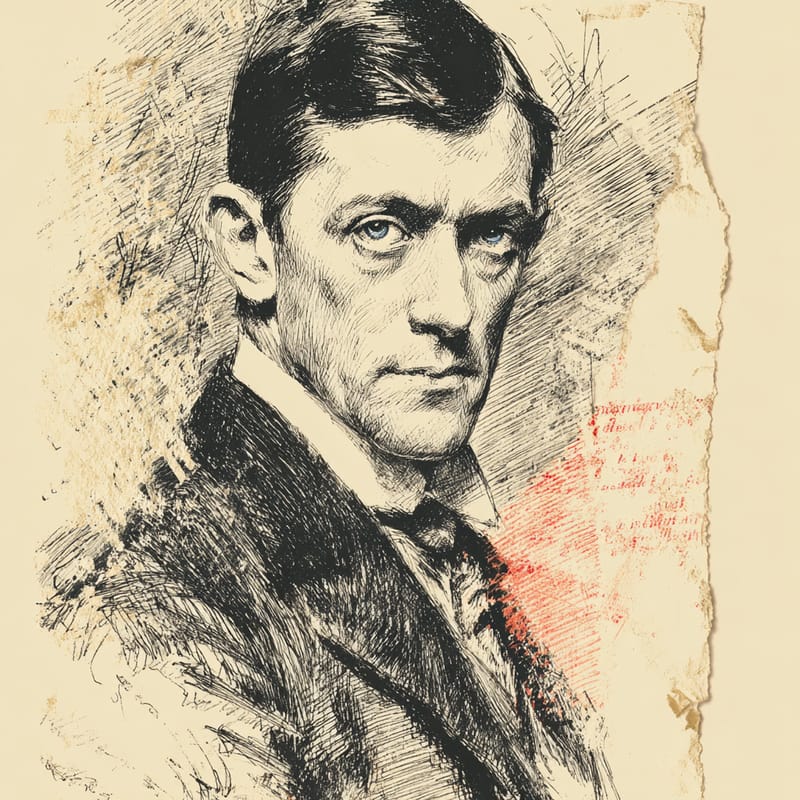

§ Also in the Fiscal Conservative hall
Enter the hall →§ Common questions
4 answersWhat was William E. Simon's political ideology?
William E. Simon was a free-market conservative and deficit hawk: on the 99ideologies three-axis compass, a Rooted Fiscal Conservative. Economically he sat firmly on the market side (+78), attacking deficits, regulation and inflation and opposing the New York City bailout. On governance he was close to the centre (+6), an establishment official who later sought to change policy through foundations and universities, and socially he was moderately traditional (−34), a devout Catholic who preached self-reliance and private charity.
Was William E. Simon left-wing or right-wing?
Right-wing. Simon served two Republican presidents, opposed the growth of the federal welfare state and the New York bailout, and used the John M. Olin Foundation to build the intellectual infrastructure of the American conservative movement. His book A Time for Truth was a rallying cry for the free-market right that came to power with Ronald Reagan in 1980. His one notable interventionist episode, running fuel allocation during the 1973–74 oil crisis, was an emergency assignment rather than a conviction.
What was A Time for Truth about?
A Time for Truth, published in 1978, was William E. Simon's manifesto against the growth of American government. Drawing on his years at the Treasury, he argued that deficits, inflation and regulation were the products of an expanding welfare state that threatened both prosperity and liberty. He urged business leaders to stop funding their critics and to support scholars and institutions that defended free enterprise. With a foreword by Milton Friedman and a preface by Friedrich Hayek, it became a best seller and an influential text of the conservative revival.
Which minds are closest to William E. Simon?
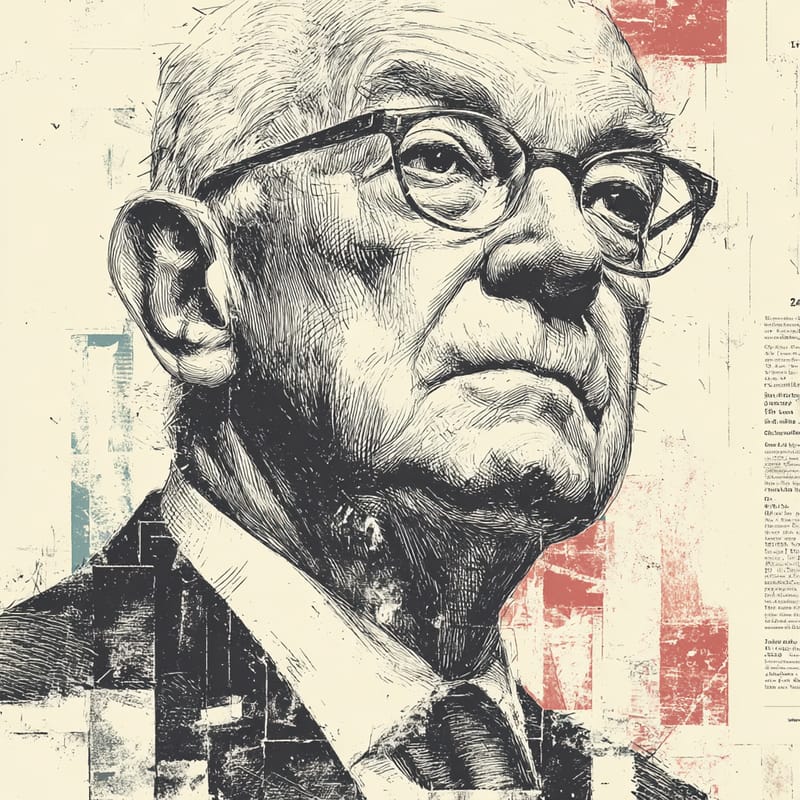
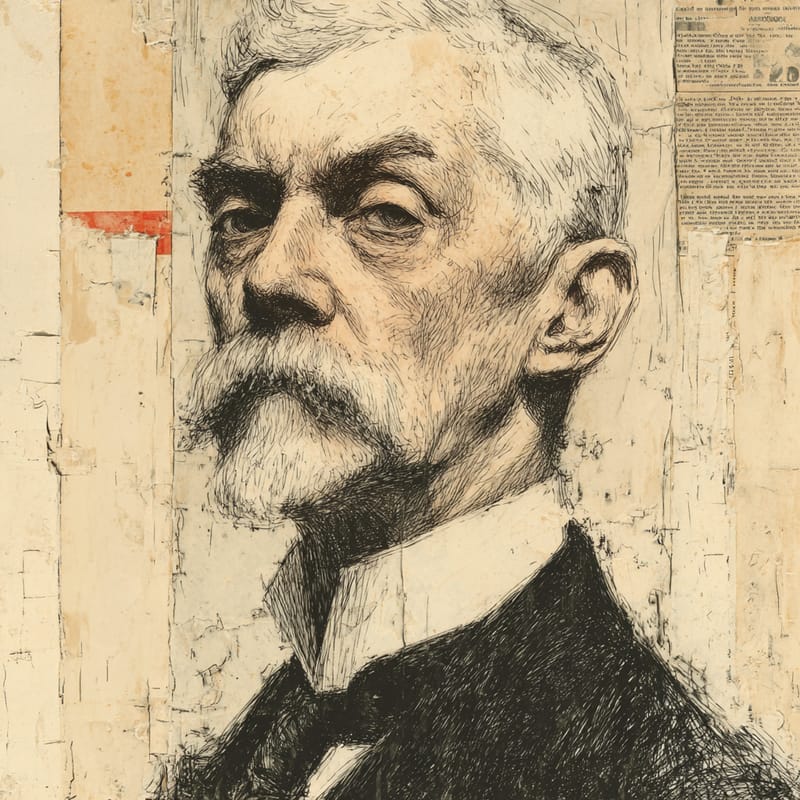
On the 99ideologies three-axis compass, the minds closest to William E. Simon are Paul Ryan (98% alike), Phil Gramm (98% alike) and Andrew Mellon (95% alike). The furthest is Emma Goldman (8% alike).