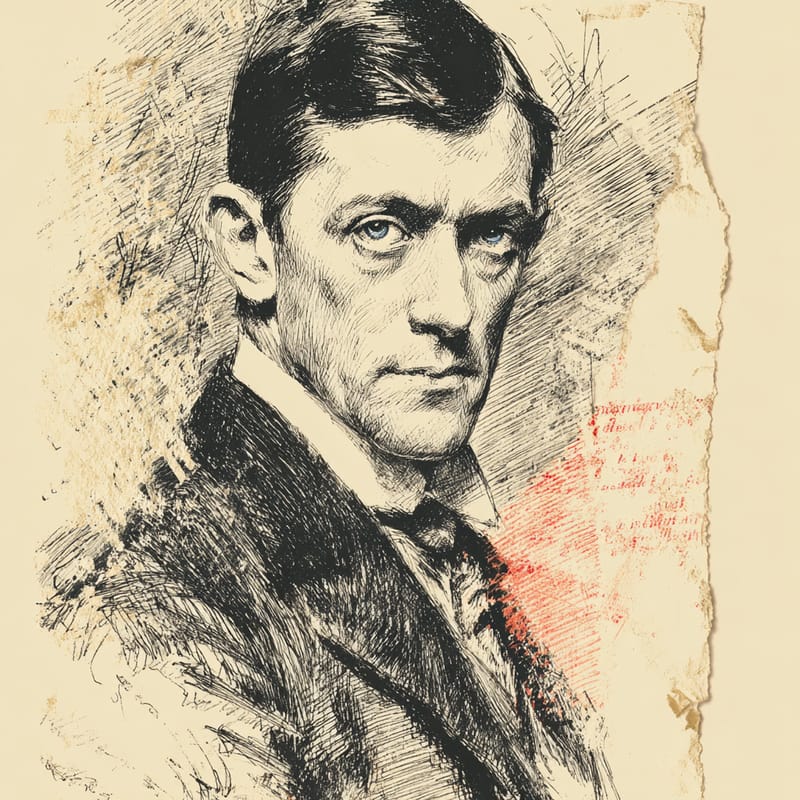
Paul Ryan
The budget hawk
Entitlement reform and the spreadsheet.
Rooted Fiscal ConservativeOne of 729 ideologies · enter the Fiscal Conservative hall →- Role
- Speaker of the House
- Era
- b. 1970
- Region
- United States
- Social band
- Rooted
- Placement
- +74 · +6 · −36
§ Where Paul Ryan stands
3 axesRyan's Roadmap for America's Future (2008) and The Path to Prosperity budget (2011) proposed premium-support vouchers for future Medicare beneficiaries, Medicaid block grants and flatter income taxes, and as Speaker he passed the 2017 Tax Cuts and Jobs Act, cutting the corporate rate from 35 to 21 per cent. Yet he voted for the 2003 Medicare drug benefit and the 2008 bank bailout, stopping short of the free-market pole.
Ryan is an institutionalist who prized the House's regular order: in 2013 he negotiated the Bipartisan Budget Act with the Democratic senator Patty Murray to ease spending caps and avert another shutdown, and as Speaker he worked through committees rather than executive action. He favoured devolving programmes such as Medicaid to the states, but did not challenge the core powers of the federal government.
A practising Catholic, Ryan opposes abortion, supported constitutional bans on same-sex marriage in the 2000s and since 2012 has cited Catholic social teaching, rather than Ayn Rand, as the source of his views. He departed from social conservatives at times, voting for the Employment Non-Discrimination Act in 2007 and supporting immigration reform with legal status for undocumented immigrants in 2013.
How close are you to Paul Ryan?
Three statements, one per axis. Answer them and we’ll drop you on the compass next to them.
§ The story
LivingPaul Davis Ryan (born 1970) is an American Republican politician who represented Wisconsin's 1st congressional district from 1999 to 2019 and served as Speaker of the House of Representatives from 2015 to 2019. Raised in Janesville, Wisconsin, he studied economics and political science at Miami University in Ohio and worked as a speechwriter at Jack Kemp's Empower America and an aide to Senator Sam Brownback before winning his House seat at 28. He chaired the House Budget Committee from 2011 to 2015 and was Mitt Romney's running mate in 2012.
Ryan became the Republican Party's leading budget thinker through plans that would have turned Medicare into subsidised private insurance for future retirees and converted Medicaid into block grants to the states. As Speaker he steered the 2017 Tax Cuts and Jobs Act into law, but the House-passed repeal of the Affordable Care Act died in the Senate and federal deficits widened. His relationship with Donald Trump was uneasy, and he left Congress in 2019. Critics on the left called his budgets an assault on the safety net; admirers saw a rare policy-minded conservative.
Notable for
- 01Authored 'The Path to Prosperity'
- 02Speaker of the House
- 032012 VP nominee
Key works & moments
- 1998Wins Wisconsin's 1st congressional district at the age of 28.
- 2008Publishes A Roadmap for America's Future, proposing Medicare premium support and Social Security private accounts.
- 2011As Budget Committee chairman, passes The Path to Prosperity budget through the House.
- 2012Runs for vice-president as Mitt Romney's running mate; they lose to Barack Obama.
- 2013Negotiates the Bipartisan Budget Act with Senator Patty Murray after the government shutdown.
- 2017As Speaker, steers the Tax Cuts and Jobs Act into law.
§ Minds closest to Paul Ryan
All minds →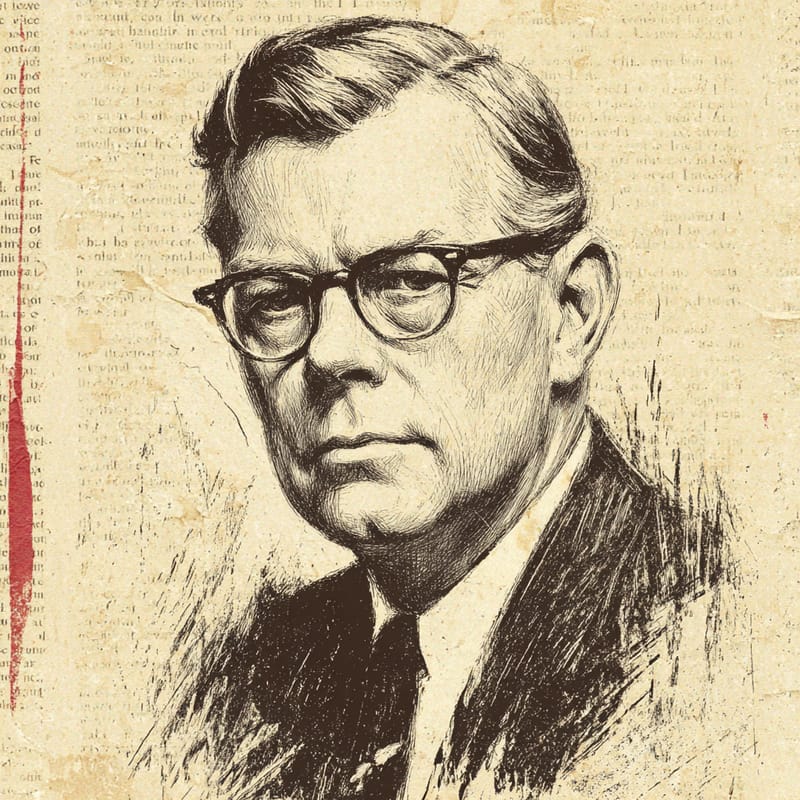

§ Also in the Fiscal Conservative hall
Enter the hall →§ Common questions
4 answersWhat is Paul Ryan's political ideology?
Paul Ryan is a fiscal conservative of the Republican policy-wonk tradition: on the 99ideologies three-axis compass, a Rooted Fiscal Conservative. Economically he sits firmly on the market side (+74), seeking to restructure Medicare and Medicaid and to cut and flatten taxes. On governance he is close to the centre (+6), an institutionalist who worked through regular order in the House, and socially he is moderately traditional (−36), a Catholic conservative who opposes abortion but has broken with social conservatives on some issues.
Is Paul Ryan left-wing or right-wing?
Right-wing. Ryan rose as the Republican Party's chief budget strategist, proposing deep changes to Medicare and Medicaid and large tax cuts, and was the party's vice-presidential nominee in 2012. But he represents the establishment, pro-trade wing of conservatism rather than its populist wing: he backed immigration reform, defended free trade and had a strained relationship with Donald Trump, which has made him a target for both the left and the populist right.
Is Paul Ryan a follower of Ayn Rand?
Not any more, by his own account. In the mid-2000s Ryan praised Ayn Rand as an inspiration for his entry into public life and said he gave her novel Atlas Shrugged to interns. During the 2012 campaign, under criticism from Catholic leaders, he called his reputation as a Rand devotee an urban legend, said he rejected her atheist philosophy and named Thomas Aquinas as a greater influence. His budgets' emphasis on individual initiative and limited government still echoes the free-market ideas he admired in her novels.
Which minds are closest to Paul Ryan?
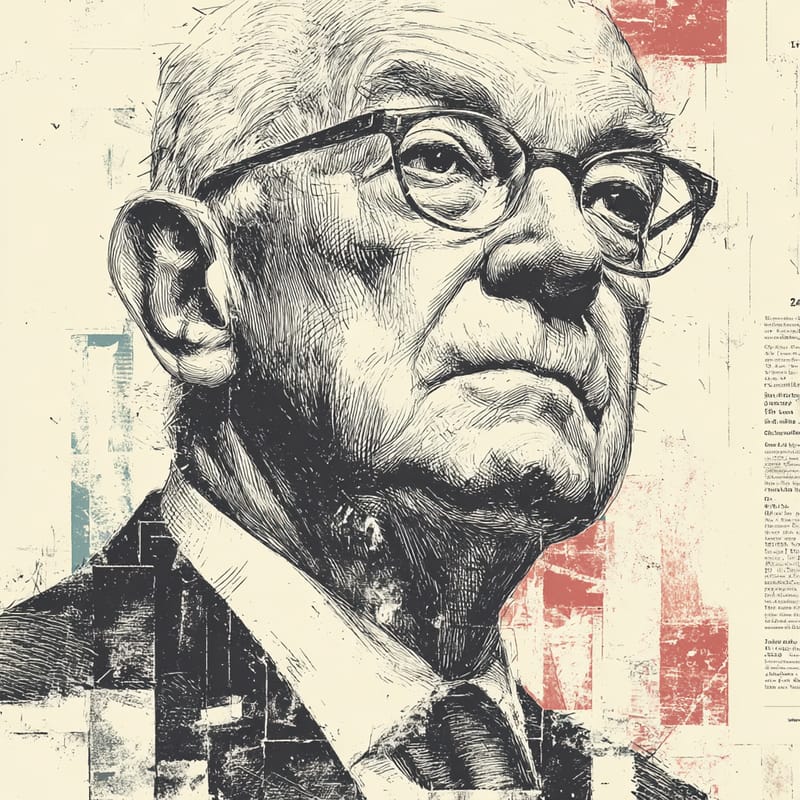
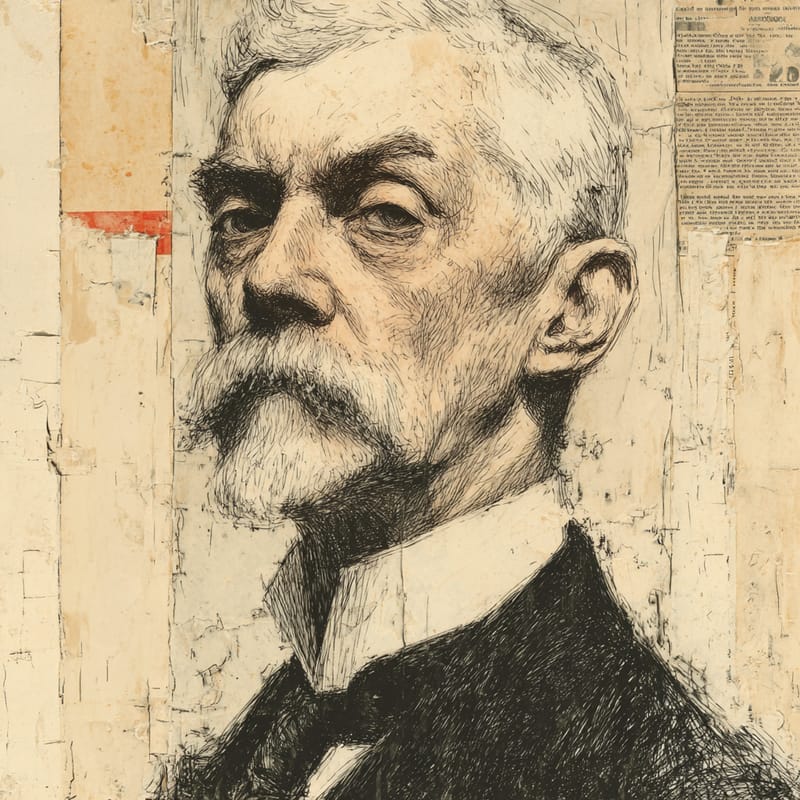
On the 99ideologies three-axis compass, the minds closest to Paul Ryan are William E. Simon (98% alike), Phil Gramm (97% alike) and Andrew Mellon (96% alike). The furthest is Emma Goldman (9% alike).