
Tony Stark
Solutions over politics
The genius who'd just engineer the fix.
Heterodox TechnocratOne of 729 ideologies · enter the Technocrat hall →- Role
- Industrialist-engineer (fiction)
- From
- Iron Man / MCU
- Region
- United States
- Social band
- Heterodox
- Placement
- +78 · +24 · +20
§ Where Tony Stark stands
3 axesStark is capitalism's inventor-hero. As heir and chief executive of Stark Industries he funds his armour, his clean arc-reactor technology and much of the Avengers' operation from private wealth, and when he ends the firm's weapons business in Iron Man (2008) it is his own decision, not a regulator's. Private capital and invention, rather than public programmes, are his means of improving the world.
Stark trusts expertise, above all his own, more than democratic process. In Iron Man 2 (2010) he refuses a Senate committee's demand to hand over his suit, and in Avengers: Age of Ultron (2015) he and Bruce Banner secretly build a peacekeeping AI. Guilt over the results leads him to back United Nations oversight under the Sokovia Accords in Captain America: Civil War (2016), a managerial rather than libertarian turn.
Stark is modern, secular and irreverent, a playboy turned reluctant team player whose outlook faces the future rather than the past. Iron Man (2008) celebrates his self-reinvention after captivity, while Iron Man 2 (2010) treats his drinking and ego as flaws. His late turn to fatherhood and self-sacrifice in Avengers: Endgame (2019) softens, but does not abandon, his futurist outlook.
How close are you to Tony Stark?
Three statements, one per axis. Answer them and we’ll drop you on the compass next to them.
§ The story
FictionTony Stark is the genius inventor and arms manufacturer who becomes the armoured hero Iron Man. Created by Stan Lee, Larry Lieber, Don Heck and Jack Kirby, he first appeared in Marvel Comics' Tales of Suspense #39 in 1963 as a Cold War industrialist captured in Vietnam who builds a suit of armour to escape. Robert Downey Jr played him in the Marvel Cinematic Universe from Iron Man (2008), which moved his origin to Afghanistan, to Avengers: Endgame (2019).
Stark embodies the belief that brilliant individuals with private capital can fix problems governments cannot. In the films he shuts down his company's weapons business after seeing its arms in terrorist hands, tells a Senate committee he has privatised world peace, and builds the artificial intelligence Ultron to protect the planet, only for it to turn murderous. His arc, from defying oversight to backing it in Captain America: Civil War (2016), has made him popular culture's main argument about tech billionaires, accountability and the limits of the engineer-saviour.
Notable for
- 01Iron Man / the Avengers
- 02'I privatized world peace'
- 03Engineer-savior archetype
Key works & moments
- 1963Debuts in Marvel's Tales of Suspense #39 and joins the founding line-up of The Avengers.
- 1979The 'Demon in a Bottle' comics storyline confronts Stark's alcoholism.
- 2006–07Leads the pro-registration side against Captain America in Marvel's Civil War comics event.
- 2008Robert Downey Jr stars in Iron Man, which ends with Stark revealing his secret identity.
- 2015Builds Ultron, a peacekeeping AI that turns on humanity, in Avengers: Age of Ultron.
- 2019Sacrifices himself to defeat Thanos in Avengers: Endgame.
In Tony Stark's words
“I am Iron Man.”
§ Minds closest to Tony Stark
All minds →



§ Also in the Technocrat hall
Enter the hall →§ Common questions
4 answersWhat is Tony Stark's political ideology?
Tony Stark is the archetypal tech-industrialist problem-solver: on the 99ideologies three-axis compass, a Heterodox Technocrat. Economically he sits firmly on the market side (+78), relying on private capital and his own company to fund invention and defence. On governance he leans towards expert-led control (+24), trusting his own judgement over committees until he backs the Sokovia Accords, and socially he is moderately progressive (+20): secular, irreverent and future-facing.
Is Tony Stark left-wing or right-wing?
Neither consistently, which is why he reads as a technocrat. His wealth, defence contracts and faith in private enterprise suggest the right, and he defies a Senate committee's attempt to take his technology in Iron Man 2. But he turns against the arms trade, champions clean energy and finally supports international oversight of superheroes in Captain America: Civil War. The films present him as an engineer who wants problems solved and treats politics as an obstacle.
Why did Tony Stark support the Sokovia Accords?
Out of guilt and a belief that power needs checks. In Captain America: Civil War (2016) the Accords would place the Avengers under a United Nations panel after a string of destructive battles, including the devastation of Sokovia caused by Stark's own creation, Ultron. A grieving mother whose son died in Sokovia confronts him, and he concludes that heroes who refuse limits are no better than the threats they fight. Steve Rogers refuses to sign, and the dispute splits the team.
Which minds are closest to Tony Stark?
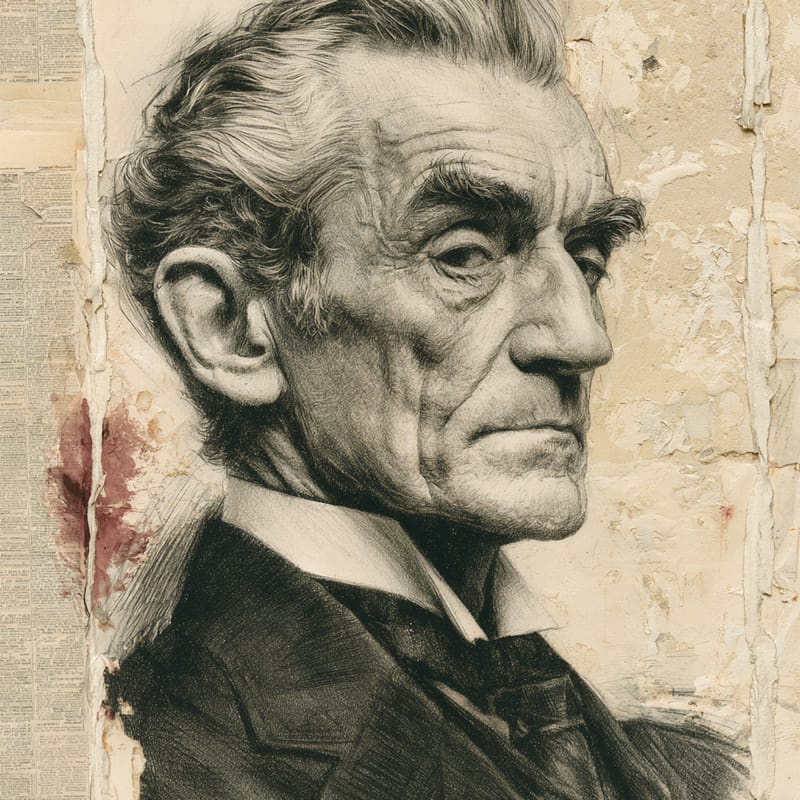
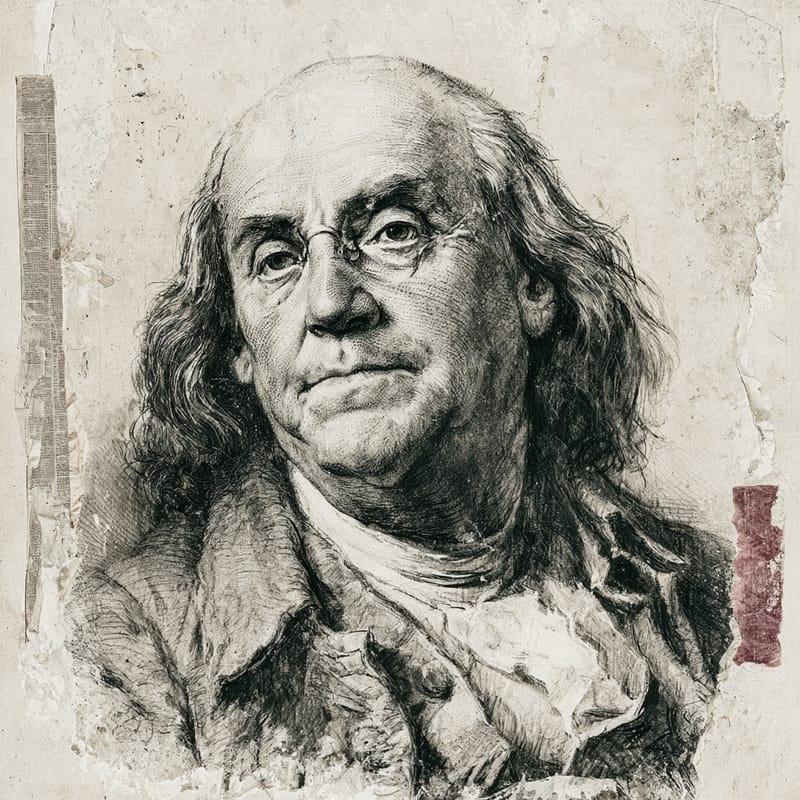
On the 99ideologies three-axis compass, the minds closest to Tony Stark are Hari Seldon (95% alike), Jean Monnet (93% alike) and Mario Monti (93% alike). The furthest is Emma Goldman (13% alike).